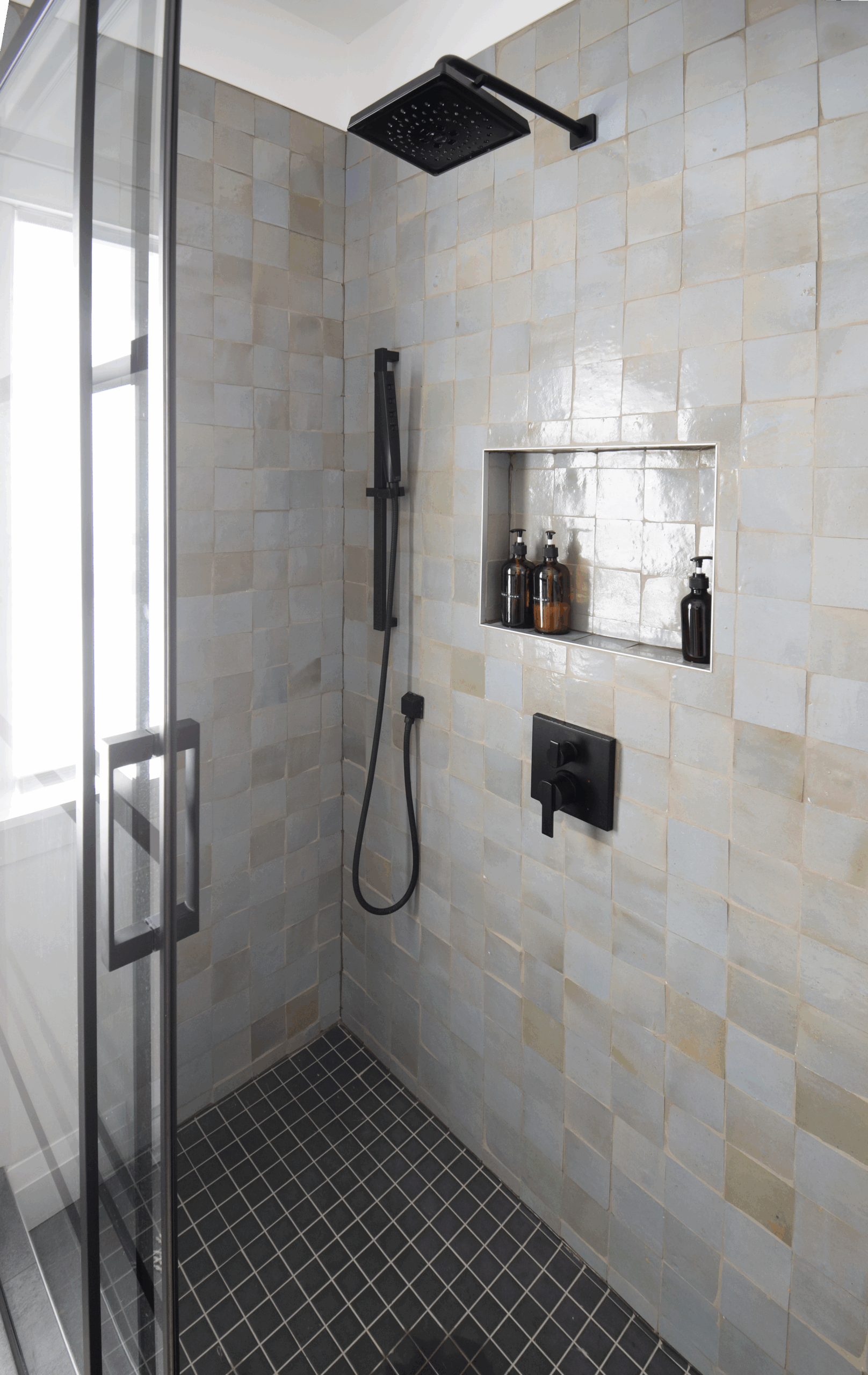
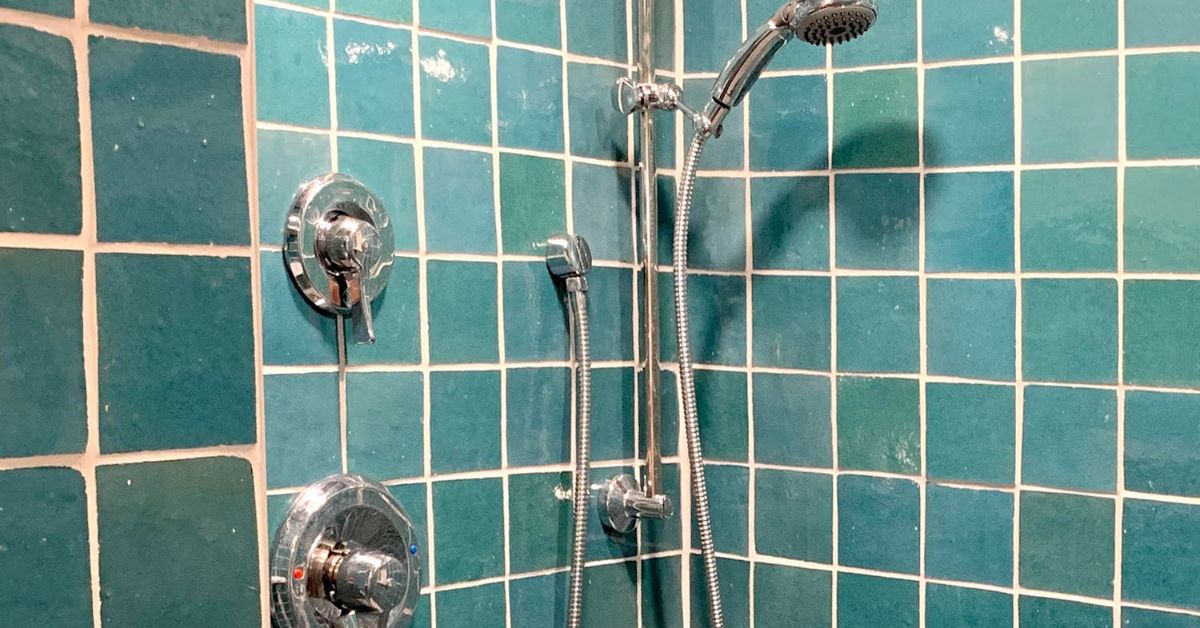
Designing a dream shower is about more than selecting beautiful materials. It is about creating an experience that feels luxurious, relaxing, and deeply personal. Moroccan tiles, known for their vibrant colors, intricate patterns, and handcrafted charm, offer the perfect foundation for a shower that feels like a private retreat. By knowing how to design a dream shower with Moroccan tiles, you can transform an ordinary bathroom into a stunning, spa-like sanctuary.
Embracing the Beauty of Moroccan Tiles
Moroccan tiles are celebrated for their artistry and timeless appeal. From hand-cut Zellige tiles to bold geometric cement patterns, these materials bring texture and movement to any space. Each tile often features subtle variations in color and finish, which gives your shower walls depth and authenticity.
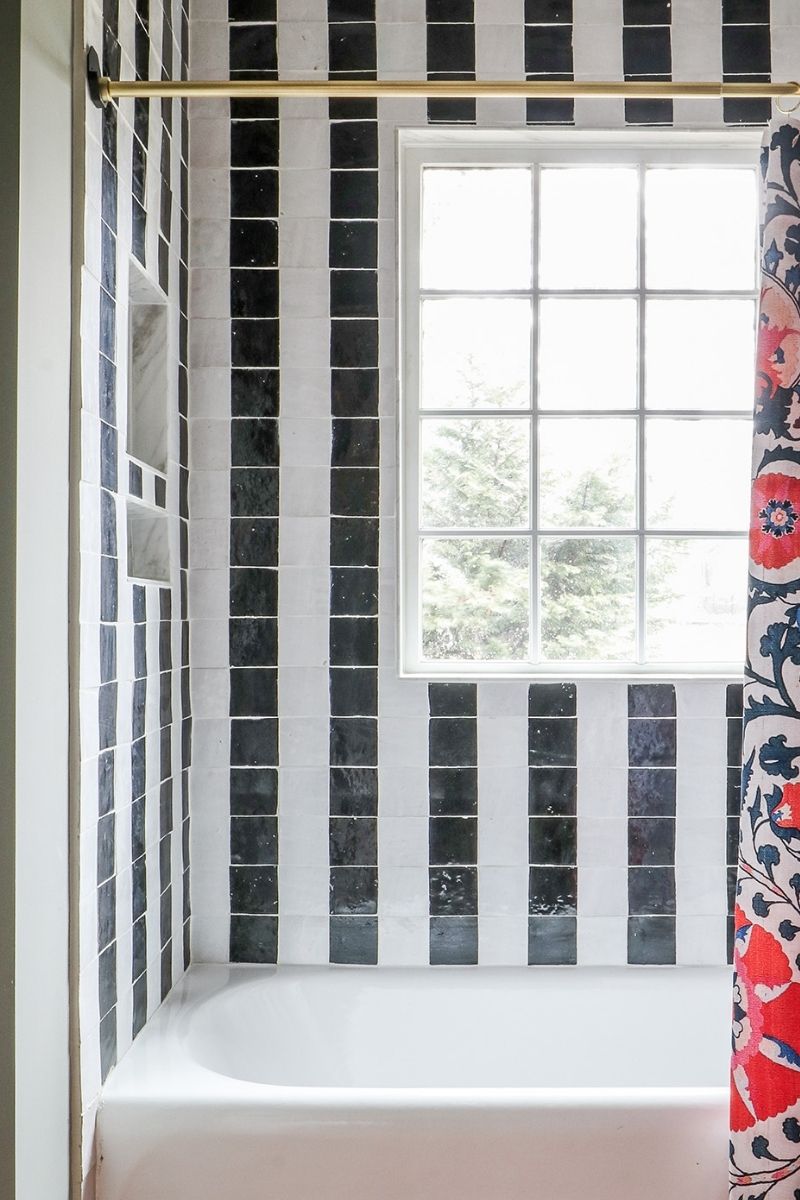
In a shower setting, this handcrafted quality becomes even more striking. Light reflects differently across the glazed surfaces, creating a shimmering effect when water runs over the tiles. The result is a space that feels alive and layered rather than flat or uniform. Choosing Moroccan tiles means embracing character, individuality, and a sense of global elegance.
Choosing the Right Color Palette
Color plays a defining role in designing your dream shower. Moroccan tiles are available in a wide spectrum, from deep sapphire blues and emerald greens to soft neutrals and warm terracottas. The palette you choose should reflect the mood you want to create.
For a serene, spa-inspired shower, consider soft whites, sandy beiges, or muted blues. These shades evoke the calm of coastal landscapes and help the space feel open and airy. If you want a dramatic, luxurious atmosphere, jewel tones like teal, navy, or rich plum can create a bold statement. Pairing vibrant tiles with brass or matte black fixtures can enhance the overall sophistication.
Keep in mind that smaller bathrooms may benefit from lighter tones that visually expand the space, while larger showers can handle darker or more intricate patterns without feeling overwhelming.
Playing With Pattern and Layout
One of the most exciting aspects of working with Moroccan tiles is the opportunity to incorporate intricate patterns. Geometric motifs, starbursts, and interlocking designs can transform a simple shower wall into a work of art.
When designing your layout, consider whether you want the pattern to dominate the entire shower or serve as an accent. Covering all walls in a bold design creates a dramatic, immersive environment. Alternatively, using patterned tiles on a feature wall or within a recessed niche allows you to balance visual impact with subtlety.
You can also mix solid Moroccan Zellige tiles with patterned cement tiles for contrast. For example, solid tiles may line the majority of the shower walls, while a decorative pattern defines the back wall or frames the shower bench. Thoughtful placement ensures the design feels intentional and harmonious rather than chaotic.
Incorporating Texture and Dimension
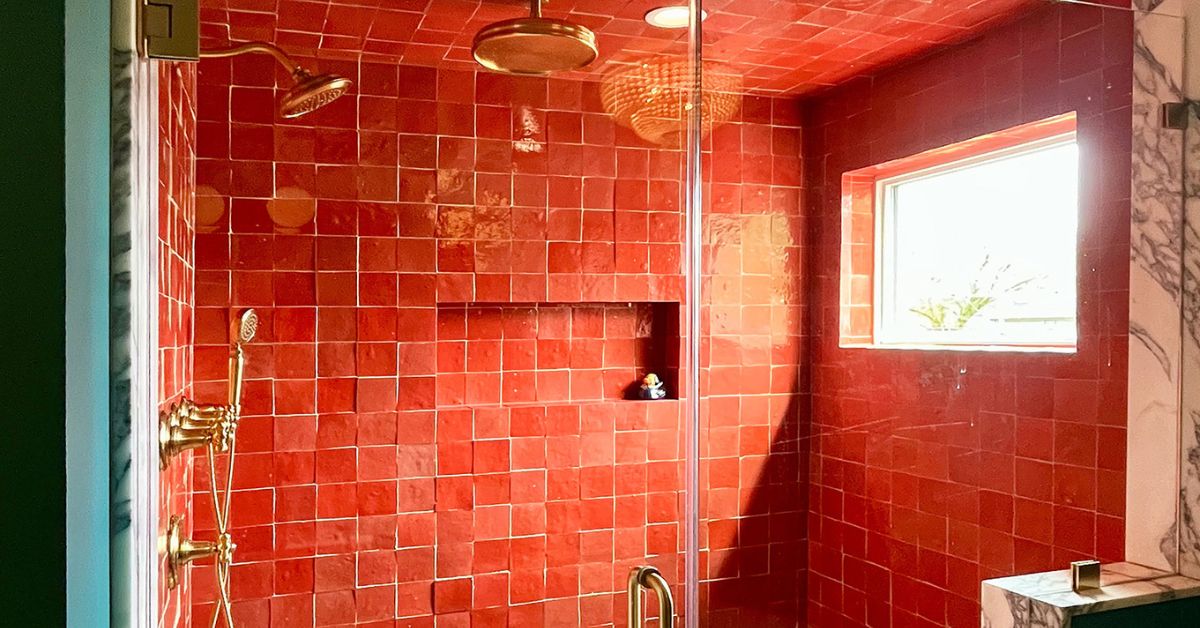
Texture is a hallmark of Moroccan tile design. Zellige tiles, in particular, are known for their slightly uneven surfaces and handcrafted edges. This subtle irregularity adds dimension and warmth to the shower.
To enhance this effect, consider how light interacts with the tiles. Installing layered lighting, such as recessed ceiling lights combined with wall sconces, highlights the surface variations and creates a soft glow. Natural light from a nearby window or skylight further enhances the reflective qualities of glazed tiles.
You can also incorporate dimensional elements like built-in niches, floating benches, or arched alcoves. Lining these architectural features with Moroccan tiles draws attention to their shape and adds visual interest. The combination of texture, light, and form elevates the overall design.
Designing for Function and Comfort
While aesthetics are important, a dream shower must also be functional and comfortable. Start by determining the size and layout that best suits your space. Walk-in showers with frameless glass enclosures showcase Moroccan tiles beautifully and allow the design to remain the focal point.
Consider practical elements such as proper drainage, slip resistance, and ease of maintenance. For shower floors, smaller mosaic tiles are often ideal because they provide more grout lines, which improve traction. Many Moroccan-inspired mosaics combine beauty with functionality, making them suitable for wet environments.
Built-in seating can add a touch of luxury and comfort. A tiled bench or corner seat not only enhances usability but also creates another opportunity to showcase complementary tile patterns or colors. Thoughtful planning ensures your shower feels as good as it looks.
Coordinating Fixtures and Finishes
The fixtures you choose should complement the richness of Moroccan tiles without competing with them. Brass and gold finishes pair beautifully with warm-toned tiles, enhancing their earthy depth. Chrome and polished nickel offer a clean, modern contrast to intricate patterns. Matte black fixtures create a striking, contemporary edge.
Rainfall showerheads and handheld sprayers contribute to a spa-like experience. Wall-mounted controls in a matching finish tie the design together. When selecting hardware, aim for a cohesive look that supports the overall aesthetic.
Glass enclosures, minimal framing, and clean lines help keep the focus on the tilework. The goal is to allow the handcrafted beauty of the Moroccan tiles to shine while ensuring the space feels balanced and refined.
Creating a Focal Point
Every dream shower benefits from a clear focal point. Moroccan tiles naturally lend themselves to this role. You might choose a dramatic patterned wall at the back of the shower or frame a large arched niche with contrasting tiles.
Another approach is to extend the tile from floor to ceiling, drawing the eye upward and making the shower feel taller. In larger bathrooms, continuing the tile beyond the shower and onto adjacent walls can create a seamless, immersive design.
The key is to be intentional. A well-defined focal point anchors the space and gives the design a sense of purpose. Whether subtle or bold, it should feel integrated into the overall vision.
Balancing Traditional and Modern Elements
Moroccan tiles have deep historical roots, but they can easily be incorporated into modern bathroom designs. Balancing traditional craftsmanship with contemporary features creates a fresh and timeless result.
For a modern take, pair classic Moroccan patterns with sleek glass panels, minimalist vanities, and clean architectural lines. Neutral grout can help tone down intricate designs and give them a more understated feel. On the other hand, embracing a fully traditional aesthetic with ornate mirrors, warm lighting, and natural wood accents can create a richly layered atmosphere.
Finding the right balance ensures your dream shower reflects your personal style while maintaining visual harmony.
Maintaining Your Moroccan Tile Shower
To keep your dream shower looking its best, proper maintenance is essential. Sealing certain types of tiles, particularly cement tiles, helps protect them from moisture and staining. Regular cleaning with gentle, non-abrasive products preserves the glaze and prevents buildup.
Grout maintenance also plays a role in longevity. Choosing high-quality grout and sealing it as recommended reduces the risk of discoloration. With the right care, Moroccan tiles age gracefully and retain their beauty for years to come.
Routine upkeep not only protects your investment but also ensures that your shower continues to feel like a luxurious escape.
Bringing Your Vision to Life
Designing a dream shower with Moroccan tiles is an opportunity to blend artistry, comfort, and functionality. By thoughtfully selecting colors, patterns, textures, and finishes, you can create a space that feels both indulgent and inviting.
From shimmering Zellige walls to bold geometric accents, Moroccan tiles transform an ordinary shower into a personal retreat. With careful planning and attention to detail, your bathroom can become a daily escape that reflects timeless craftsmanship and modern luxury in perfect balance.