A backyard can be beautifully furnished and thoughtfully landscaped yet still feel like it is missing something. Often, the missing piece is architectural character. Adding an element with shape, texture, and dimension can give the space a stronger identity without requiring the entire outdoor design to change.
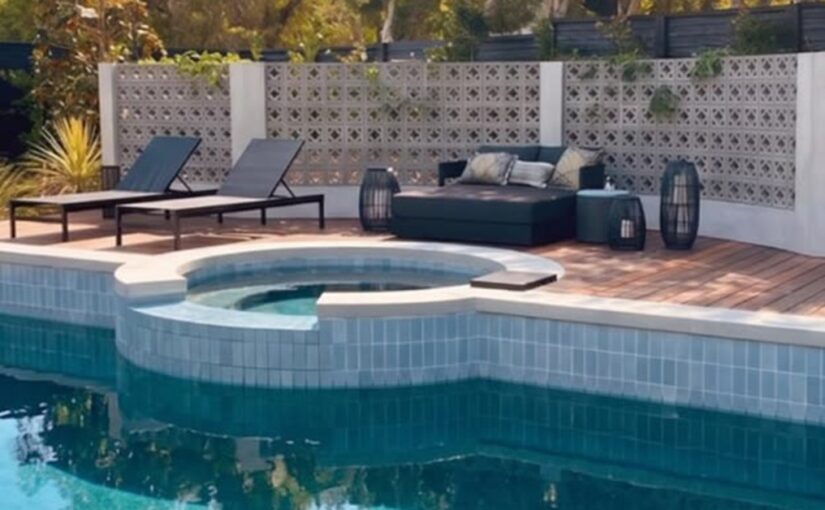
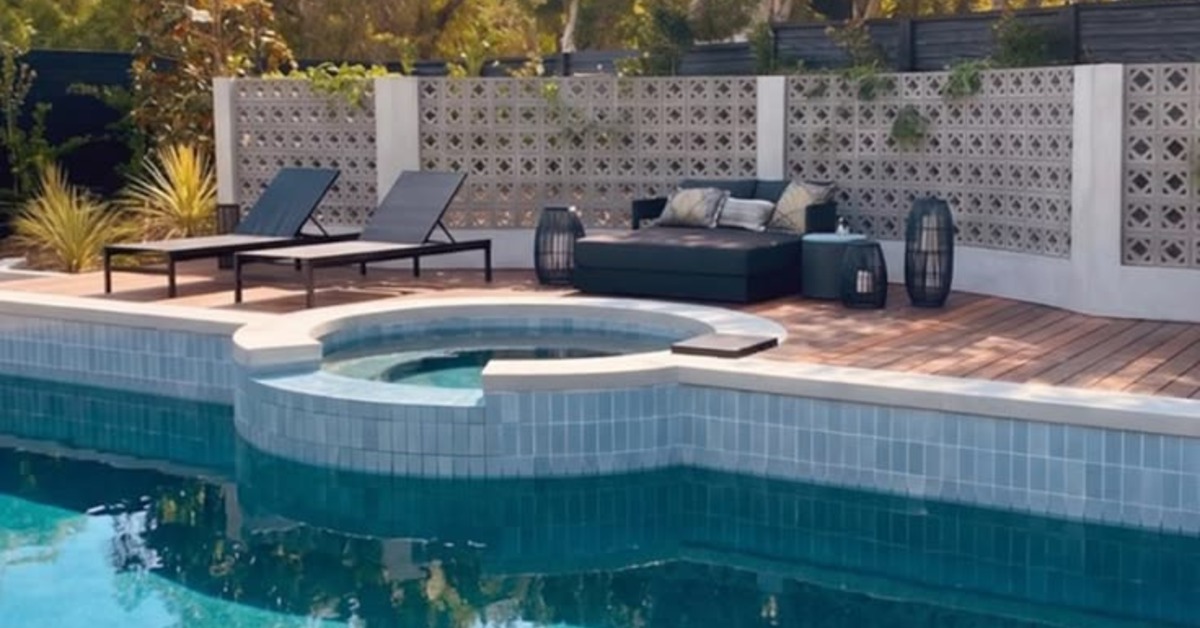
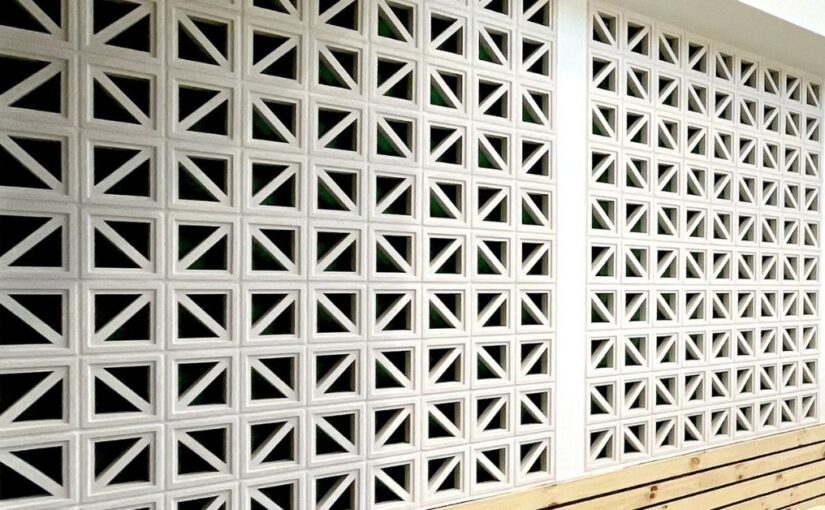
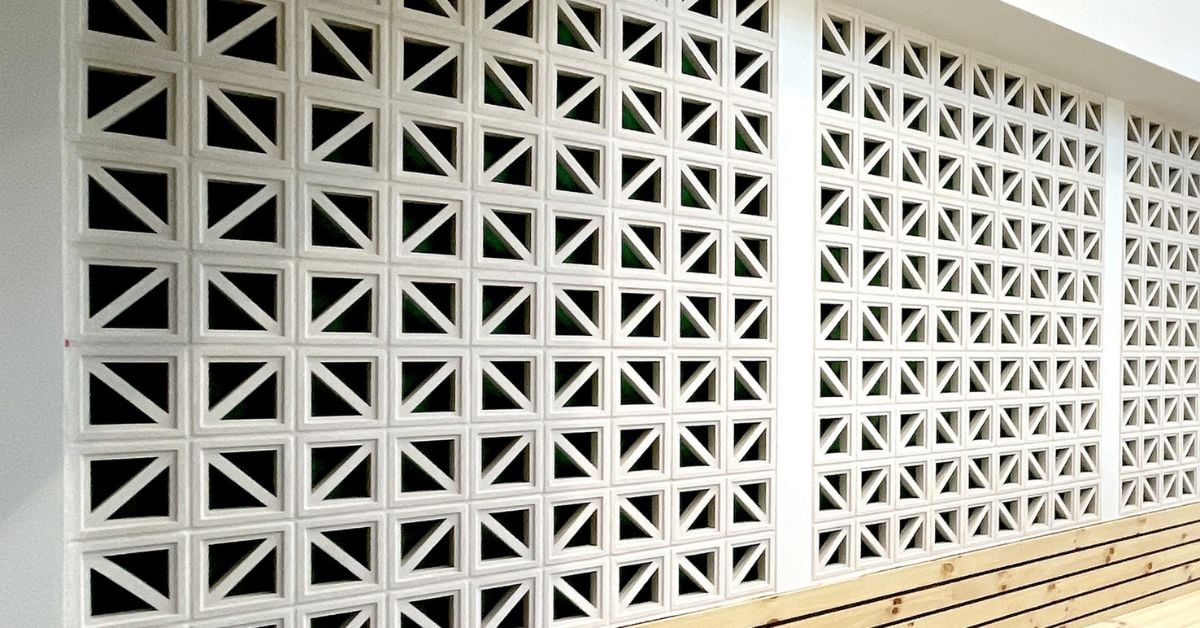
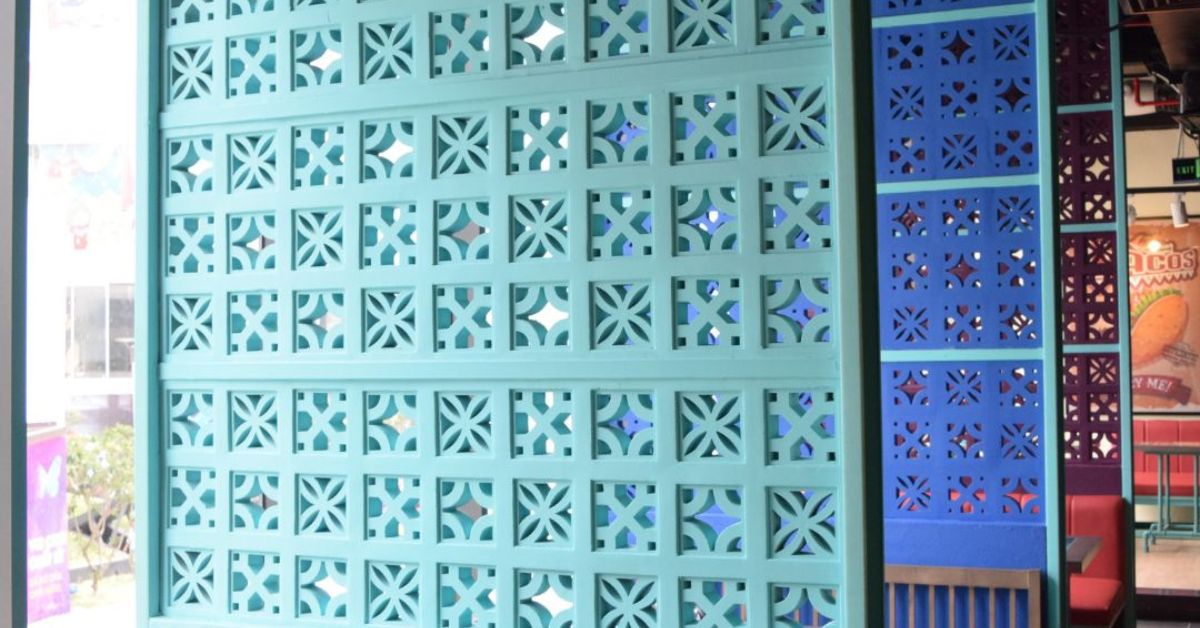
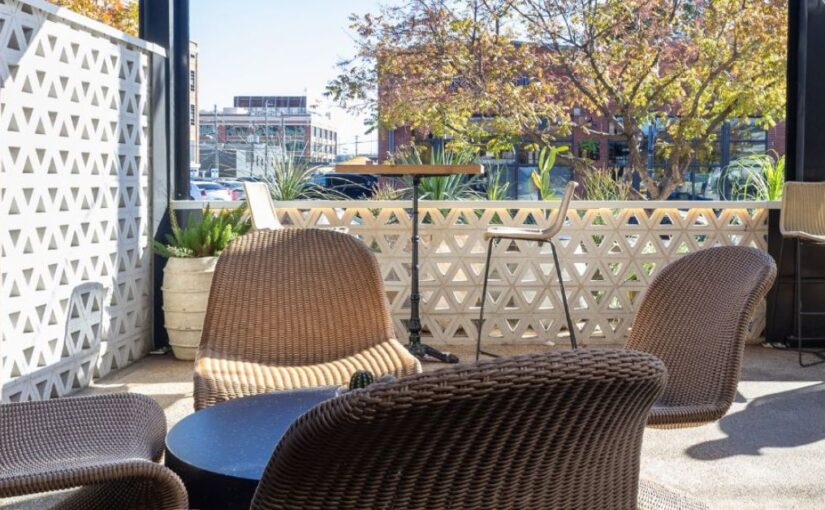
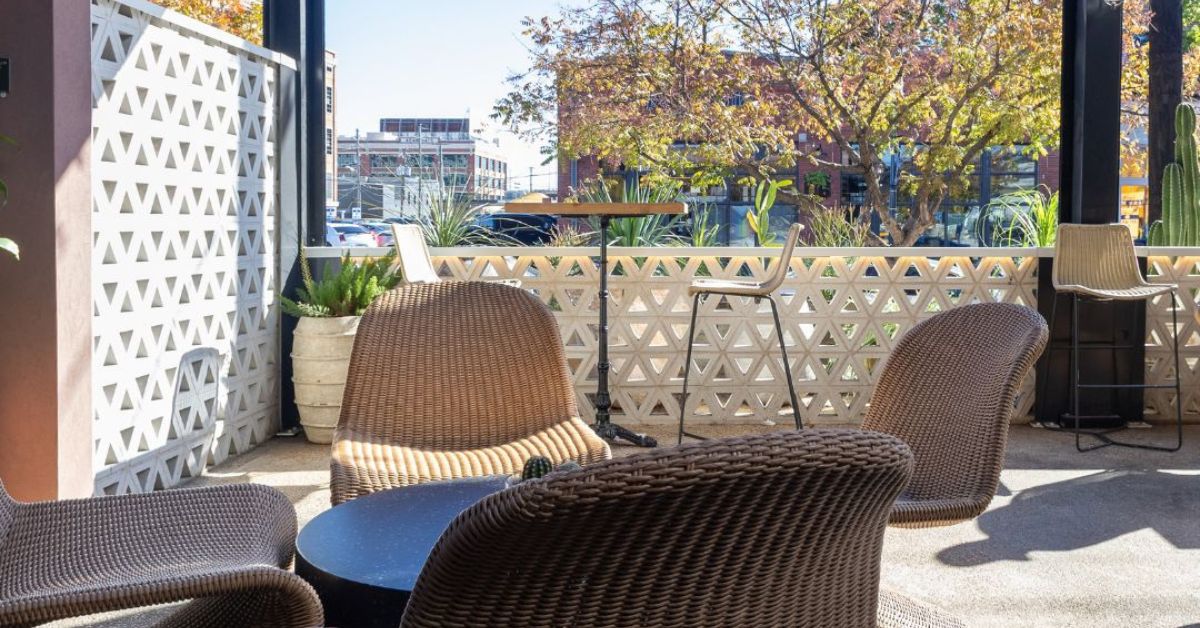
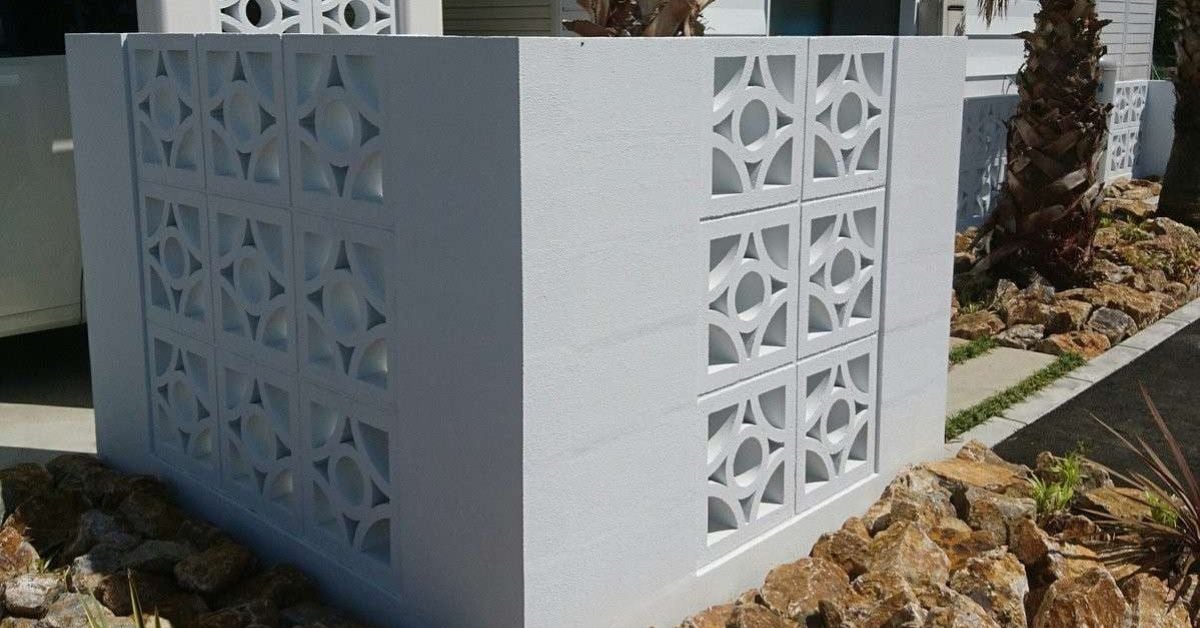
Breeze block walls have made a huge comeback in modern design. From stylish patio dividers to statement walls in restaurants and hotels, these decorative concrete blocks bring texture, airflow, and architectural charm into a space without feeling heavy or closed off. Designers love them because they blend vintage inspiration with modern functionality, making them a versatile choice for residential and commercial projects alike.
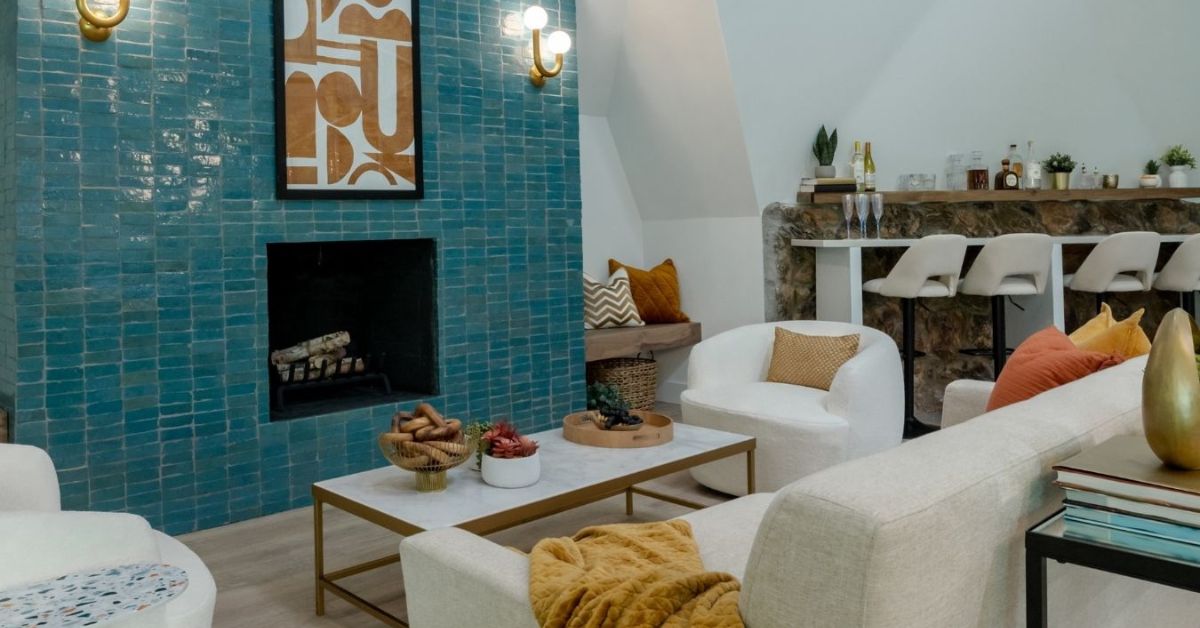
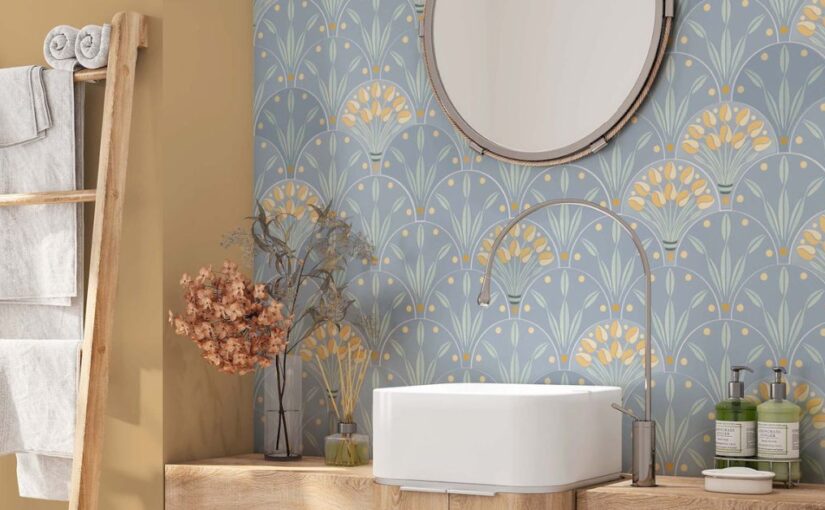
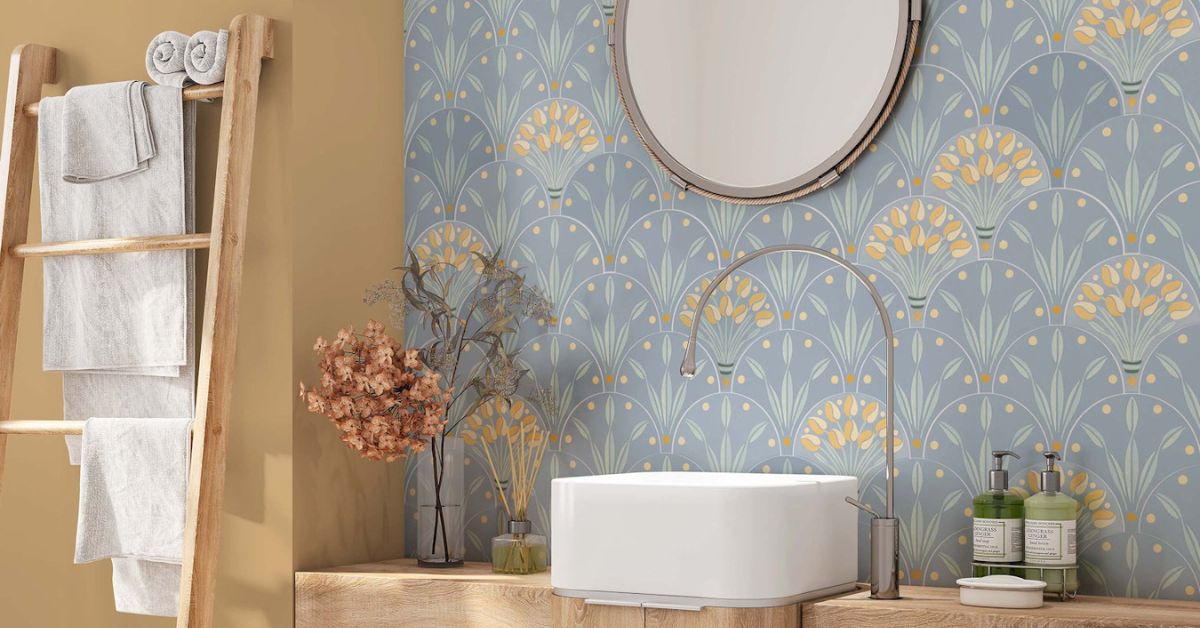
Design today is all about contrast, and nothing captures that better than mixing mediums: pairing tile with wood and metal. This approach brings together natural warmth, industrial edge, and artistic detail in a way that feels intentional rather than overdesigned. When done right, it creates spaces that feel balanced and visually rich without overwhelming the eye.
Walk into a space finished with artisan tile and you immediately feel the difference. The surface isn’t perfectly uniform, the colors shift slightly from tile to tile, and the overall installation has a sense of depth that factory products rarely achieve. These subtle variations are not flaws; they are signs of craftsmanship.
An artisan tile company focuses on the artistry, materials, and heritage behind every tile produced. Instead of treating tile as a commodity, these makers approach it as a craft shaped by tradition and human skill.
For designers and homeowners alike, understanding what makes a tile company truly artisan helps explain why these products feel so distinctive in finished spaces.
Craftsmanship at the Center of the Process
At the heart of every artisan tile company is craftsmanship. The tiles are not simply produced; they are carefully made through processes that require skill, attention, and experience.
Many artisan tiles are created using techniques that have been refined over generations. Craftspeople control mixing, pressing, coloring, and finishing by hand or with small-scale equipment that allows for more precision than automated factory lines.
This approach means every tile reflects the touch of the maker. Small differences in color, texture, and pattern give installations character that feels authentic rather than manufactured.
For interior designers, this level of craftsmanship creates surfaces that feel rich and layered instead of flat and predictable.
A Commitment to Traditional Techniques
True artisan tile companies often preserve production methods that have been passed down for decades or even centuries. These techniques were developed long before modern industrial manufacturing existed, yet they continue to produce some of the most beautiful tile surfaces available today.
Traditional cement tile production is one example. Instead of firing tiles in a kiln like ceramic tile, cement tiles are hydraulically pressed and cured over time. The pigments are poured into molds by hand, creating intricate patterns and bold colors.
Because these methods rely on human control rather than automation, each batch of tile reflects natural variation. The results are tiles that feel alive with subtle differences in tone and pattern.
Many artisan tile companies partner with skilled tile makers in different regions of the world to preserve these craft traditions.
Material Quality That Shows Over Time
Another hallmark of artisan cement tile companies is a strong emphasis on raw materials. Instead of cutting costs with fillers or shortcuts, they prioritize durable ingredients that contribute to long-term performance.
High-quality cement, mineral pigments, and carefully sourced aggregates all play a role in creating tiles that age beautifully. When the material composition is right, tiles develop character rather than wear out.
This focus on quality also means the colors stay rich and the surface remains strong even in high-traffic areas. In hospitality environments such as restaurants, hotels, and resorts, these qualities become especially important.
For designers specifying materials, artisan tile offers both visual impact and long-term durability.
Natural Variation as a Design Feature
One of the defining characteristics of artisan tile is variation. Unlike factory tile, which aims for perfect uniformity, artisan tile celebrates subtle differences.
Pigment distribution, pressure variations during pressing, and natural curing processes can all influence the final appearance. Instead of being identical, each tile contributes slightly different tones or textures to the installation.
This variation creates a dynamic surface once tiles are installed together. The finished design has movement and personality rather than appearing overly repetitive.
Designers often seek out these qualities because they create warmth and authenticity in both residential and commercial environments.
Pattern Design with Artistic Influence
Artisan tile companies also tend to focus heavily on design. Patterns are often inspired by architecture, historical motifs, and cultural traditions from around the world.
Rather than producing hundreds of nearly identical styles, artisan tile collections frequently emphasize thoughtful design work. Each pattern is created to make a visual statement while still working as part of a cohesive interior.
Many patterns draw inspiration from Mediterranean, Moroccan, Spanish, and Latin American tile traditions. These influences bring bold geometry and decorative detail into modern spaces.
The result is tile that feels less like a background material and more like a design element that anchors the room.
A Smaller, More Intentional Production Scale
Mass production focuses on volume and speed. Artisan tile companies operate very differently.
Production typically occurs in smaller batches, allowing makers to focus on precision and quality control. Because the tiles are made in more limited quantities, the process can adapt to different patterns, colors, and custom needs.
This smaller scale also allows artisan tile companies to work closely with designers and architects. When projects require specific color palettes or pattern arrangements, these manufacturers can often accommodate those requests.
The slower pace of production ultimately supports a higher level of quality.
Global Craft Communities Behind the Tiles
Many artisan tile companies work with independent tile makers across different countries. These partnerships connect designers with craft traditions that have existed in local communities for generations.
For example, tile workshops in regions known for cement tile production often employ artisans who have learned the craft through family apprenticeships. The techniques and tools may change slightly over time, but the core process remains rooted in tradition.
This network of craft communities allows artisan tile companies to offer authentic materials while supporting skilled makers around the world.
Designed with Interior Designers in Mind
Artisan tile companies frequently build their collections with interior designers as the primary audience. Designers are constantly searching for materials that help projects stand out while still performing well in real-world spaces.
Because artisan tiles offer distinctive patterns, rich color palettes, and natural variation, they provide designers with creative flexibility. A single tile pattern can define an entire room.
At the same time, the durability of cement tile makes it suitable for both residential and commercial environments. This combination of creativity and performance is why artisan tile continues to appear in design-forward projects across the country.
Why Artisan Tile Continues to Stand Out
In an era of mass manufacturing, artisan tile remains special because it prioritizes craft over convenience. Every step in the process, from mixing pigments to pressing the tiles, reflects human skill rather than automated production.
That difference is visible the moment the tiles are installed. Colors feel deeper, patterns feel richer, and the space takes on a sense of authenticity.
For designers, architects, and homeowners who want materials with character, knowing what makes a tile company artisan is a must.
It’s not just tile. It’s a craft tradition brought into modern design.
Breeze blocks, also known as concrete blocks or cinder blocks, are a popular choice for both functional and decorative applications in construction and landscaping. Their durability, cost-effectiveness, and versatile nature make them a reliable material for walls, fences, garden features, and even modern architectural designs. However, there are some breeze block maintenance tips you should know to keep them looking beautiful and structurally sound. Neglecting upkeep can lead to cracking, discoloration, or structural issues over time.
Breeze blocks, also known as concrete or cinder blocks, are an incredibly versatile construction material that balances durability with visual appeal. Whether you’re building an exterior fence, crafting a garden wall, or creating a stylish interior feature, choosing the right breeze block for your space is an important step. With so many options available in terms of size, material composition, and design, knowing where to start can feel overwhelming. We’ll break down some of the major considerations to help you choose the perfect breeze block for your space while ensuring long-lasting functionality and aesthetics.
Cement tiles have a unique charm that can transform an ordinary room into an unforgettable space. Their rich colors and intricate patterns offer functionality while bringing personality and warmth to your home. But keeping that beauty intact takes a bit of care. Without the right cleaning and maintenance, those stunning tiles can lose their luster over time.
Cement tiles are a designer’s dream and a homeowner’s secret weapon. With their stunning patterns, rich colors, and sturdy construction, they bring personality and practicality to any space. From kitchens that need a pop of color to patios begging for a touch of elegance, these tiles can transform an ordinary area into something unforgettable.
What really sets cement tiles apart is their adaptability. Want a sleek, monochromatic floor? You got it! Do you desire vibrant patterns that turn walls into works of art? That’s no problem.
The options are endless, and the results are always impressive. To find the perfect cement tiles and tailor them to your vision, it helps to have a guide that inspires and informs you. Whether you’re going big with bold patterns or keeping it simple with soft textures, we’ll show you how to make cement tiles the star of your space.
What Are Cement Tiles and Why Choose Them?
Benefits of Cement Tiles
Cement tiles are an art form steeped in history and craftsmanship. The standout quality is their durability. The tiles’ construction can handle high-traffic areas, making them perfect for bustling kitchens, family-filled living rooms, or outdoor patios. They will stand the test of time while maintaining their stunning beauty.
Speaking of beauty, cement tiles deliver on attractiveness. The variety of designs, from intricate floral patterns to minimalist geometric shapes, is truly unmatched. Plus, their timeless design allows them to blend seamlessly into modern, vintage, or classic styles. Need versatility? Cement tiles can function as the centerpiece of a backsplash, the focal point of a shower, or even a decorative touch for garden pathways.
Common Uses of Cement Tiles
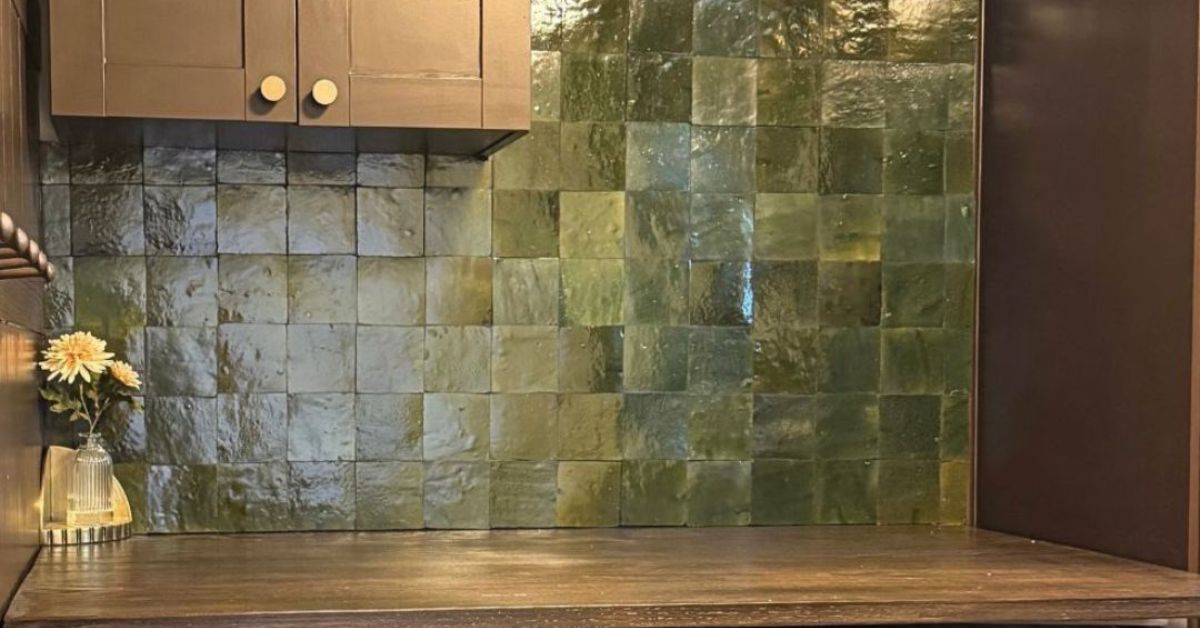
When it comes to adaptability, cement tiles shine in every corner of a home or business. Picture a bathroom floor with bold Zellige patterns that bring vibrancy to your morning routine. Or imagine a kitchen backsplash that turns a cooking area into a design statement. Outdoors, patterned cement tiles elevate patios or pool areas by adding personality while withstanding the elements.
Commercial spaces love them too. Restaurants, cafés, and boutique shops choose cement tiles for their ability to create a unique atmosphere. They can even act as conversation pieces, giving the space a memorable touch that guests won’t forget.
Factors To Consider When Choosing Cement Tiles
Installation Location
The installation location plays a big role in determining the right cement tile for your project. Flooring tiles, especially in busy areas, need both strength and slip resistance.
Outdoor tiles should handle weather conditions, so look for a durable finish that resists moisture. Since weight and wear aren’t concerns for walls, experiment with light tiles and intricate patterns.
Tile Size and Shape
Standard sizes are easy to work with, but the shapes you choose can really elevate your design. Large square tiles give a clean, modern vibe, while small hexagons or triangles offer a playful, dynamic look.
Imagine how hexagonal tiles can create a honeycomb-like effect on a bathroom wall or how oversized tiles can make a room feel open and airy. Don’t underestimate the power of the tile’s shape; it can greatly influence how a space feels!
Color and Pattern Selection
Look around the area and think of a palette that complements the existing shades and design. Cool tones, like blues and grays, provide a calming vibe. Warm colors, like terracotta and mustard, brighten and energize spaces.
Patterns are a realm of their own. Bold motifs can serve as a focal point, while neutral designs provide a sophisticated backdrop. Mixing patterns? Pair a vivid tile with simpler accents to avoid visual overload, keeping your design cohesive yet exciting.
Tile Thickness and Quality
Not every cement tile on the market is the same. Thickness matters because uneven tiles make installation tricky and can cause unsightly finishes. When shopping, check the tiles’ consistency; quality tiles typically feel smooth and are uniform in size and shape.
Budget Planning
The cement tiles themselves might be pricier than basic ceramic options, but their durability and design impact justify the cost. Customization, however, may add to the expense, especially if you’re commissioning one-of-a-kind patterns.
Hire installers with expertise in cement tiles, as precise installation makes good tiles look great. Create a balance by prioritizing where you splurge (like on a bold entryway) and where you save (like on simple utility areas).
Customize Cement Tiles for Your Project
Design Unique Patterns
Pattern customization is where your creativity can really shine. Many manufacturers allow you to design patterns and create a look that’s uniquely yours.
Whether you draw inspiration from cultural motifs or put a modern twist on classic designs, customization lets you weave your personal style into your project. Some manufacturers even offer design tools or sample palettes to help you see your ideas come to life before you commit to them.
Color Scheme
Start by thinking about the ambience you want to create. Do you want the tiles to energize the space, or should they be calm and soothing shades?
For help visualizing, digital mockups or physical samples can be incredibly useful. Place samples in the room and view them at different times of day to see how natural and artificial lighting interact with the colors.
Finishes and Textures
Matte finishes create a relaxed, modern vibe, while gloss adds a touch of luxury, ideal for brightening up darker spaces. If safety is a concern in areas such as bathrooms and entryways, textured tiles provide added grip without sacrificing style.
Combining finishes across a space also adds depth and creates visual interest. If you’re after a unique but balanced design, experimenting with finishes is a great route to explore.
Wrapping It Up…
Bring artistry and individuality into your next project by choosing and customizing cement tiles. Think of it as a chance to tell your story through the colors, patterns, and textures you select. Whether you’re leaning toward a bold statement or a subtle enhancement, the possibilities are endless.
As you move forward with your project, remember to trust your instincts and have fun with the process. Experiment with mockups, play around with color samples, and explore inspiring patterns.
And here’s one final tip to leave you with inspiration: don’t be afraid to think outside the box! Sometimes, the most unforgettable designs come from taking risks or mixing unexpected elements.
Transforming an outdoor space can be exciting and rewarding, especially when you get creative with materials like cement breeze blocks. These versatile blocks are a stylish and affordable way to add structure, texture, and functionality to your landscaping projects. Breeze blocks open the door to endless design possibilities!
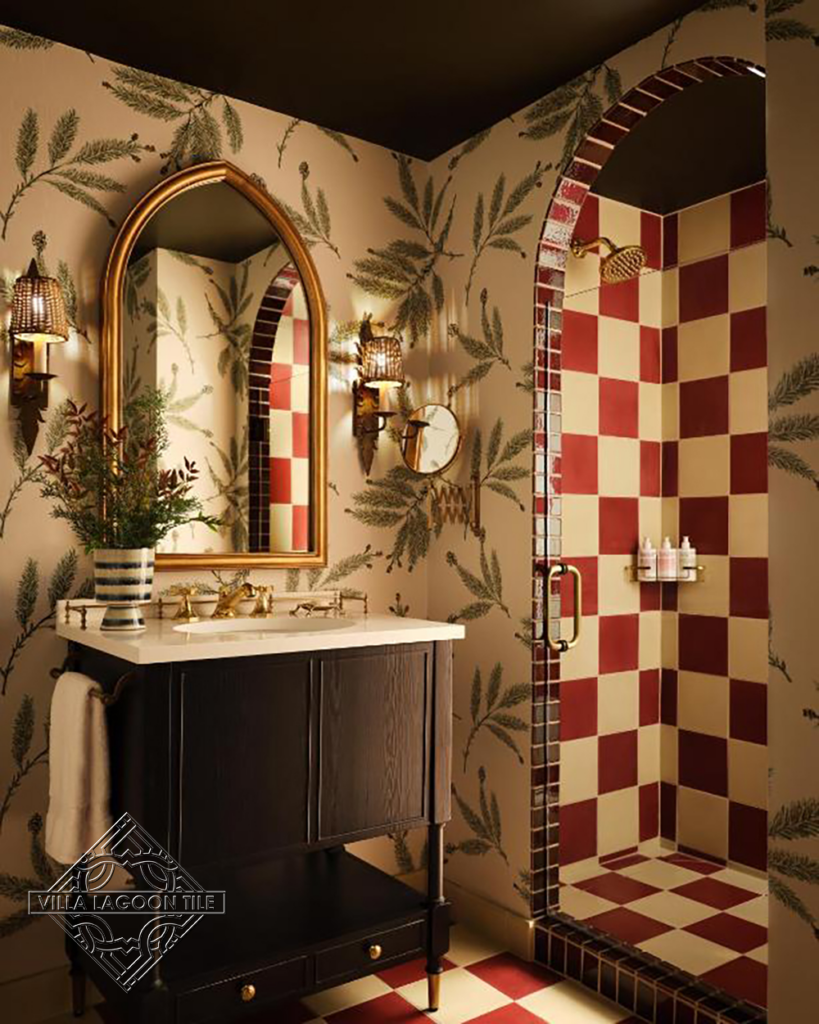
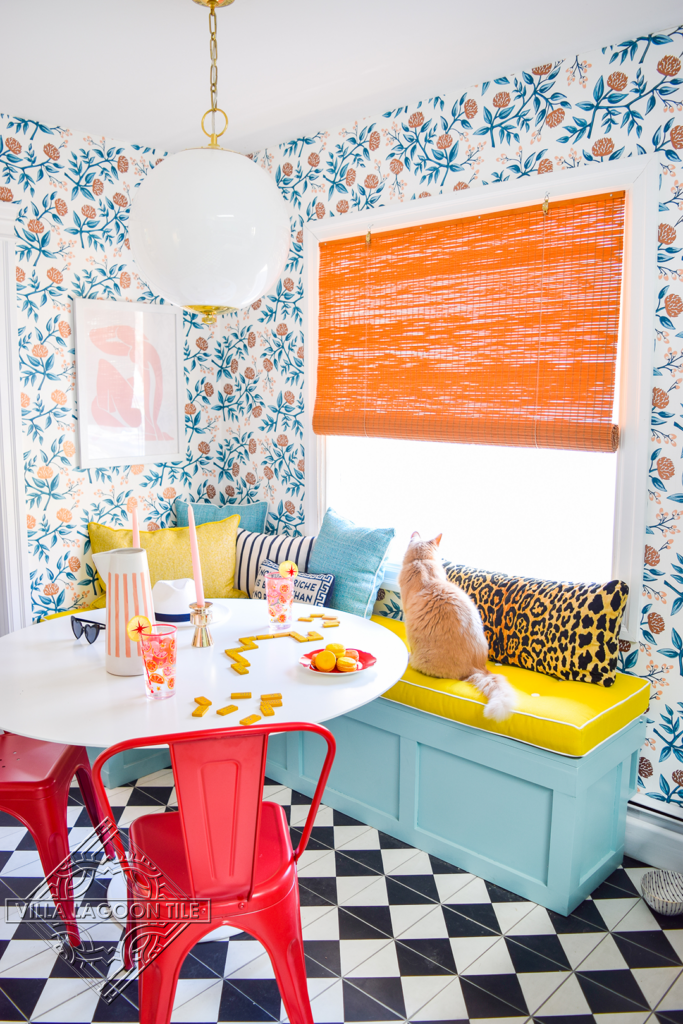
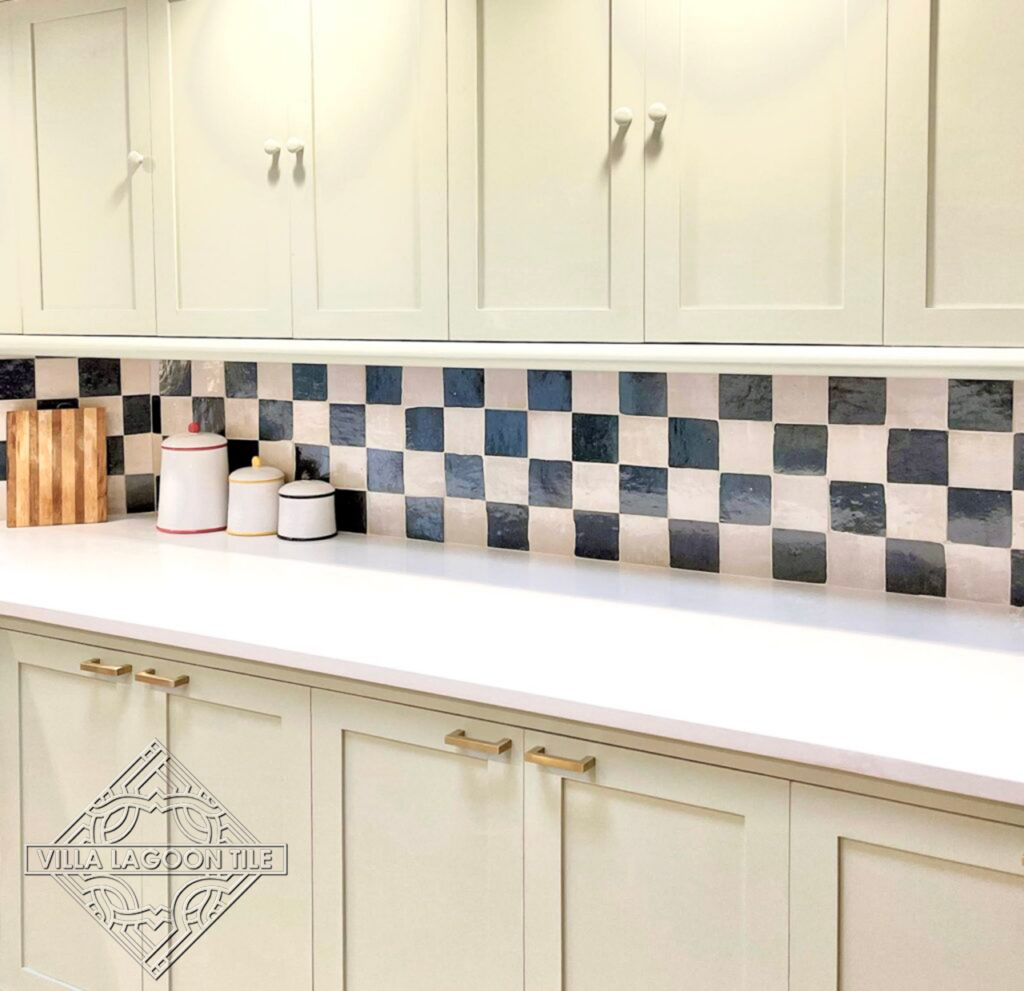
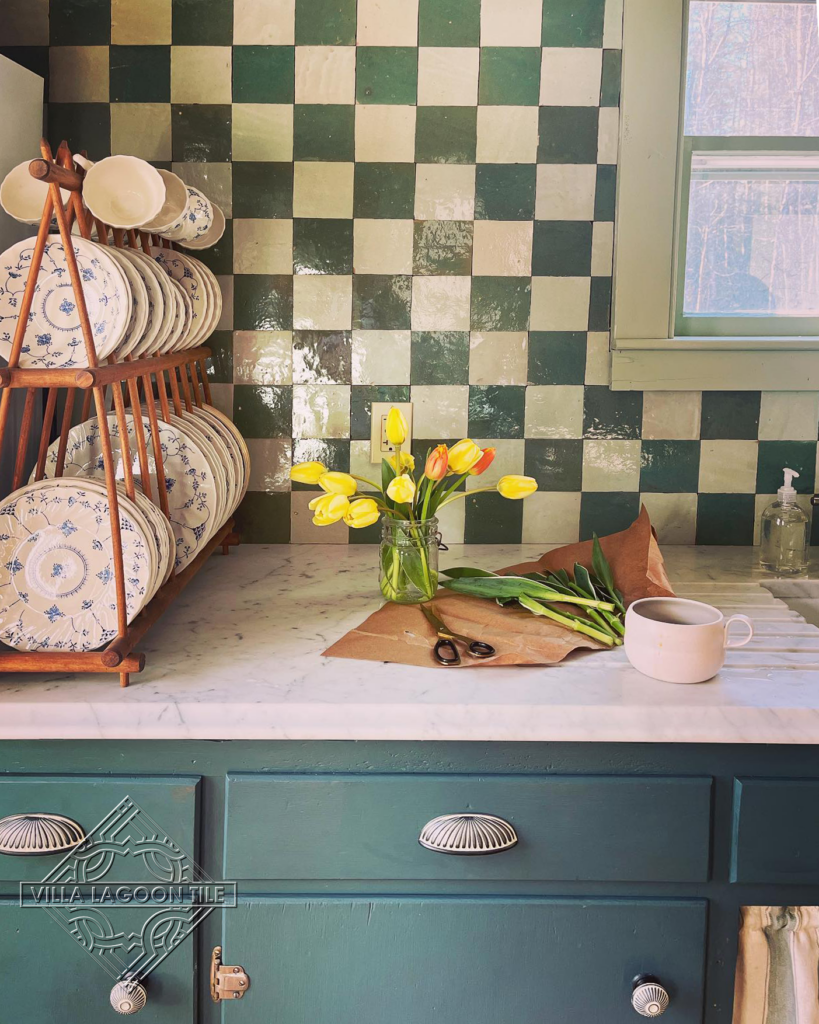
In the interior design world, tiling in a checkerboard pattern has been making a major comeback recently. This classic staple has been a mainstay in homes for centuries and has transitioned beautifully into modern design. Its popularity can be attributed to its timeless appeal, versatility, and ability to add a touch of sophistication to any room. Get inspired by this roundup of some of our favorite checkerboard spaces featuring our handcrafted cement tile and zellige!
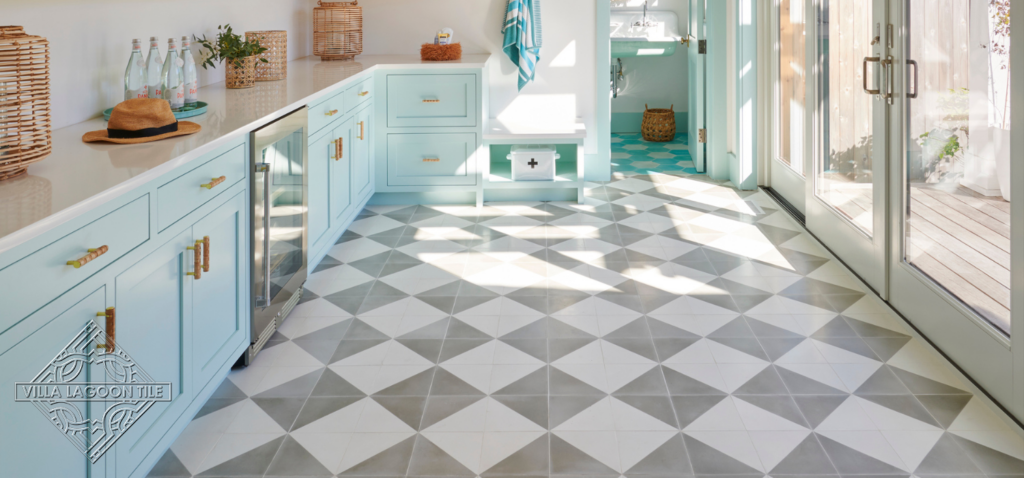
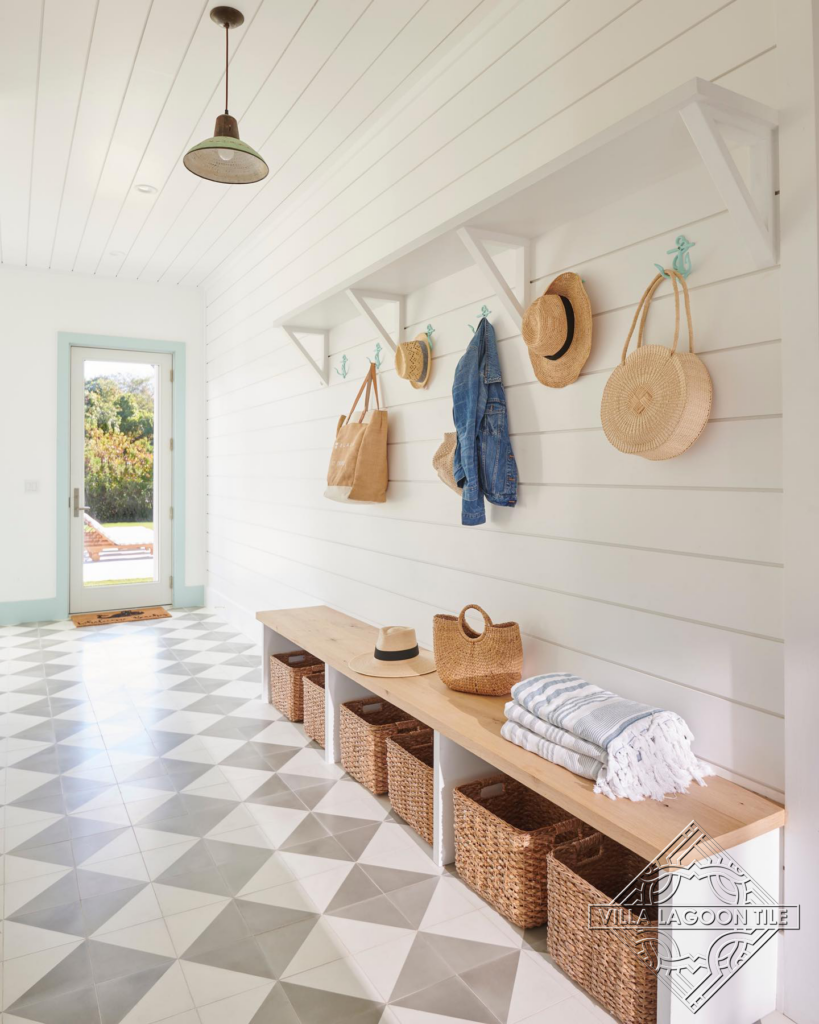
Man Overboard Featherstone & White Cement Tile, design by Wills Design Associates
Villa Lagoon Tile’s Man Overboard cement tile pattern can be set to create many stunning patterns including the classic checkerboard on point like Wills Design Associates did in the residential pool house design above.
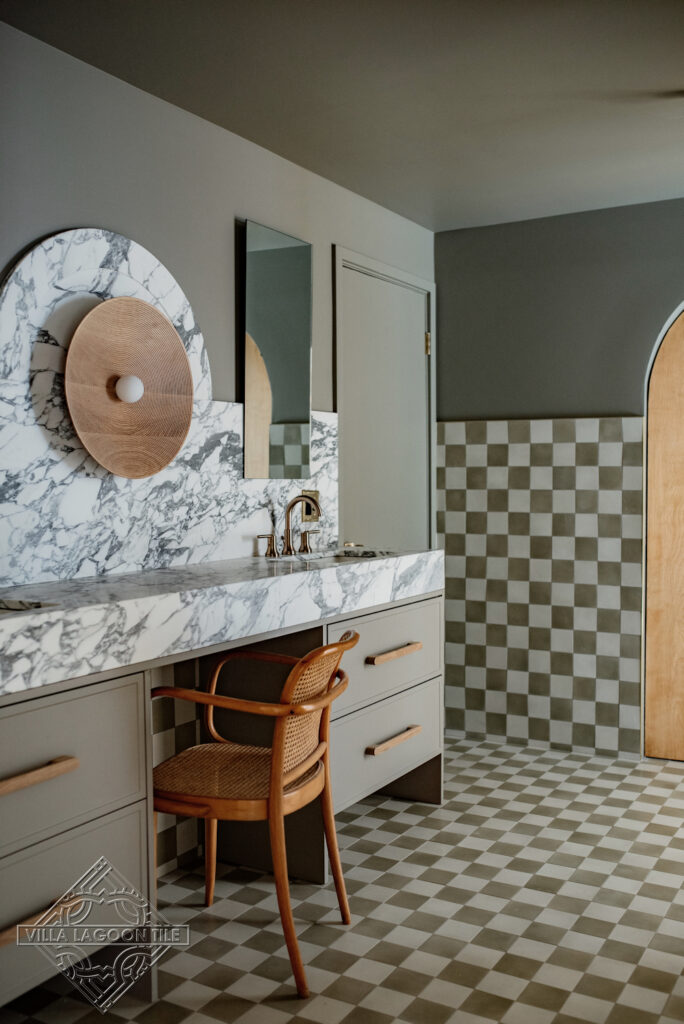
4-Inch Solid Cement Tile in Seashell White & Dry Sage, design by Sarah Sherman Samuelson
Designer Sarah Sherman Samuelson helped to bring the checkerboard pattern back into fashion with Villa Lagoon Tile’s calm and earthy cement tile color combo: Dry Sage and Seashell White. Using a four-inch square tile was the perfect scale to continue the pattern from the floor and up two-thirds of the wall.
Solid Ruby & Alabaster Cement Tile, Graduate Hotel Palo Alto
Tugboat Black & White Cement While, design by PMQ for Two
PMQ for Two is keeping it classic with this retro-glam kitchen by using our Tugboat Black & White cement tile.
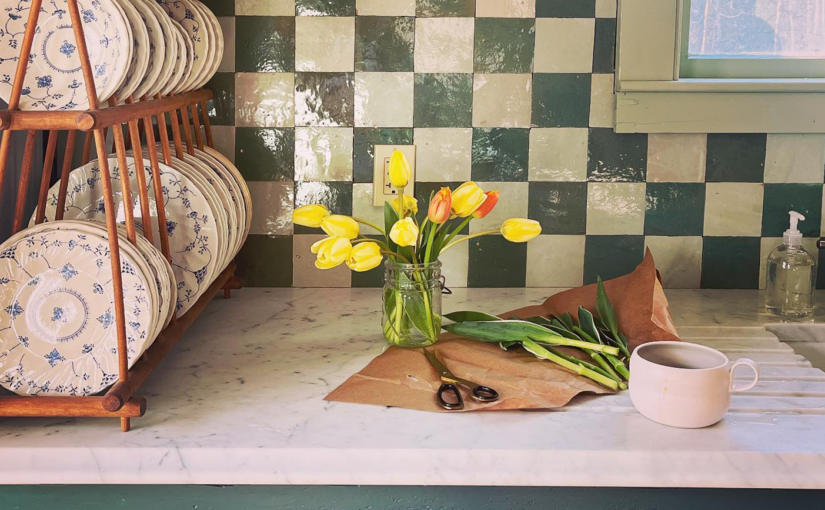
Oceanside & Oyster Shell Glazed Zellige, design by Brittin Prior
These rustic country chic kitchens by designer Christina Salaway and Brittin Prior feature Villa Lagoon Tile’s artisan-crafted four-inch zellige tiles set in a striking checkerboard pattern.
Garden Grove & Wintergreen Glazed Zellige, design by Christina Salaway
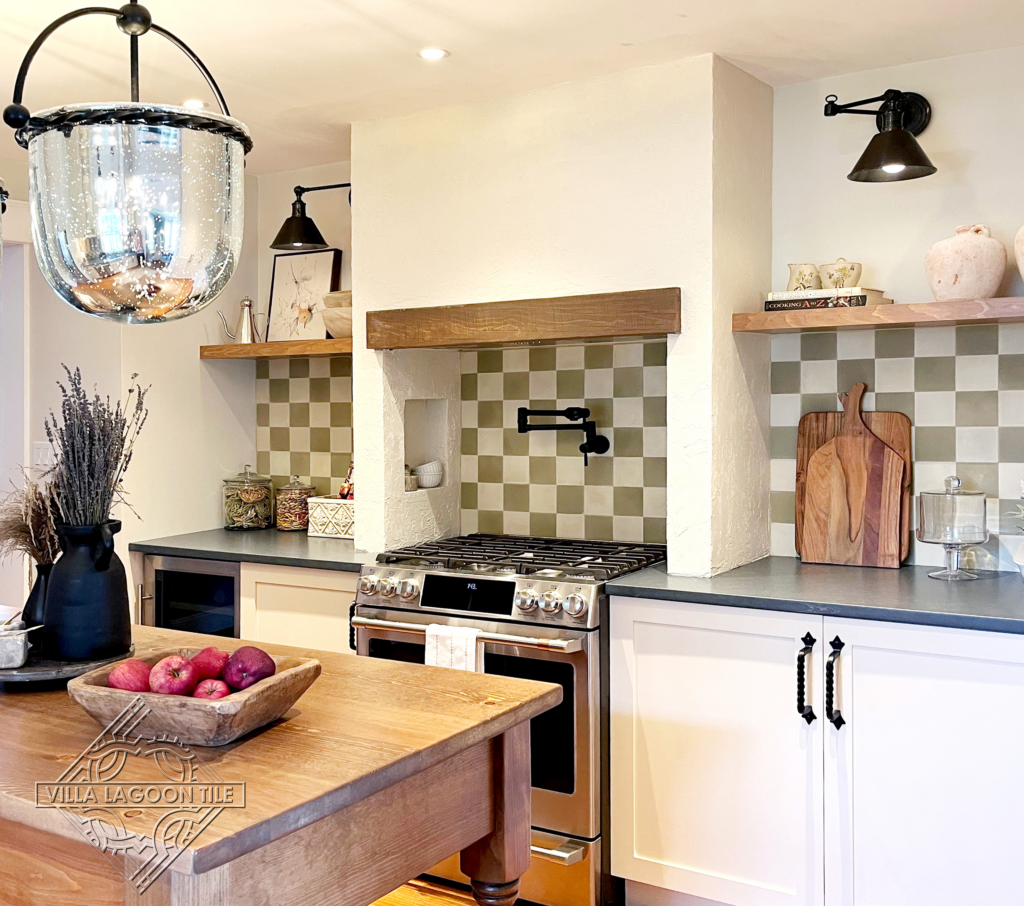
4-Inch Solid Cement Tile in Seashell White & Dry Sage, design by Goldenrod Studios
Villa Lagoon Tile’s solid four-inch cement tile in Dry Sage and Seashell White is the perfect backdrop for this old-world rustic kitchen design by Goldenrod Studios.
Man Overboard Featherstone & White Cement Tile, design by Wills Design Associates
Overall, the checkerboard tile trend is a versatile, stylish, and timeless addition to any room. Checkered tile patterns beautifully bridge the gap between contemporary and timeless design.