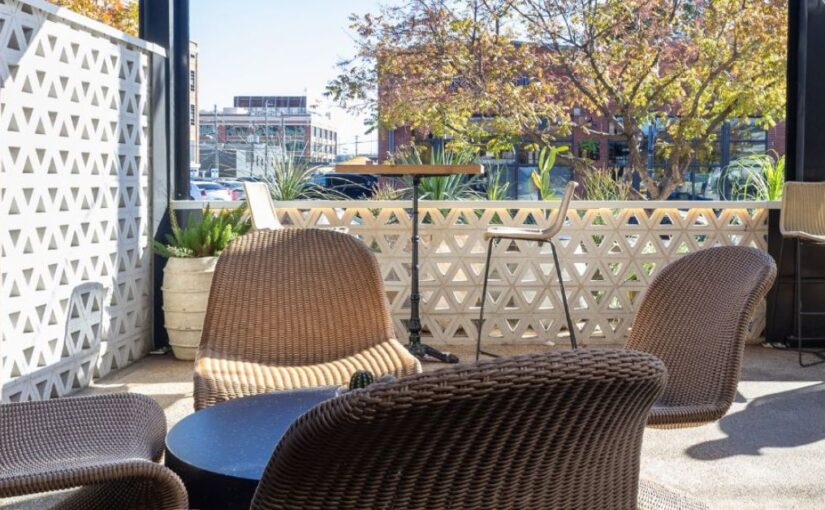
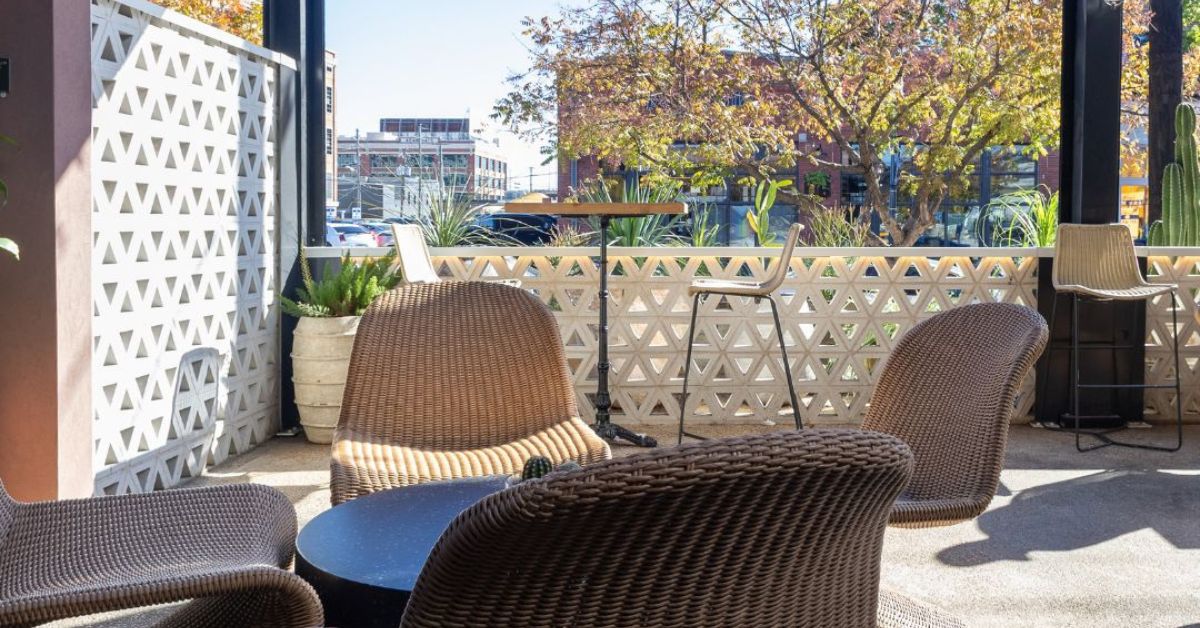
Breeze blocks, also known as concrete or cinder blocks, are an incredibly versatile construction material that balances durability with visual appeal. Whether you’re building an exterior fence, crafting a garden wall, or creating a stylish interior feature, choosing the right breeze block for your space is an important step. With so many options available in terms of size, material composition, and design, knowing where to start can feel overwhelming. We’ll break down some of the major considerations to help you choose the perfect breeze block for your space while ensuring long-lasting functionality and aesthetics.
Understanding the Basics of Breeze Blocks
Before you select a breeze block, it’s essential to understand what they are and how they are constructed. Breeze blocks are precast concrete masonry units that come in various shapes, sizes, and textures. They are typically made from a mixture of cement, water, and aggregates such as sand or gravel. The term “breeze block” is often interchangeable with cinder block, though the materials used may differ slightly. Cinder blocks, for example, may include coal ash as a key component.
Breeze blocks are favored for their strength, affordability, and versatility. Their porous nature allows for unique ventilation and decorative design opportunities, especially when used as feature walls or architectural elements. Additionally, their modular design makes them easy to install, even for DIY enthusiasts.
Assessing Your Project’s Functional Requirements
The first step in choosing the right breeze block is to identify the specific needs of your project; consider factors such as load-bearing requirements, weather resistance, and durability. For structural applications like load-bearing walls or foundation work, opt for solid concrete blocks that can withstand significant pressure. These blocks are dense and robust, ensuring structural integrity over time.
On the other hand, if your project is more decorative, such as building an interior partition or a garden feature, you might prioritize aesthetics and ventilation over heavy-duty functionality. Hollow or patterned breeze blocks are ideal for these types of applications, as they merge function with artistic appeal. Knowing your primary goals will allow you to narrow down your selection based on functionality and design.
Selecting the Right Material Composition
Breeze blocks are available in a variety of material compositions, each suited to specific uses. Cement breeze blocks are the most common due to their durability and strength; they excel in projects that require long-lasting performance and are resistant to environmental wear and tear.
If sustainability is a priority, consider using blocks made from lighter, eco-friendly materials like aerated concrete or fly ash. These blocks tend to have good insulation properties and are suitable for energy-efficient construction projects. For projects where visual impact is key, you may opt for breeze blocks made with decorative finishes or unique textures that add character to your space. Material composition plays a vital role in determining how well the blocks will meet your functional and aesthetic needs.
Choosing the Ideal Size and Shape
Breeze blocks come in various sizes and shapes, giving you significant flexibility when planning your design. Standard-sized blocks are great for most construction projects since they fit together seamlessly and are easy to work with. However, for custom designs or creative spaces, you may want to explore non-standard dimensions or shapes that align with your vision.
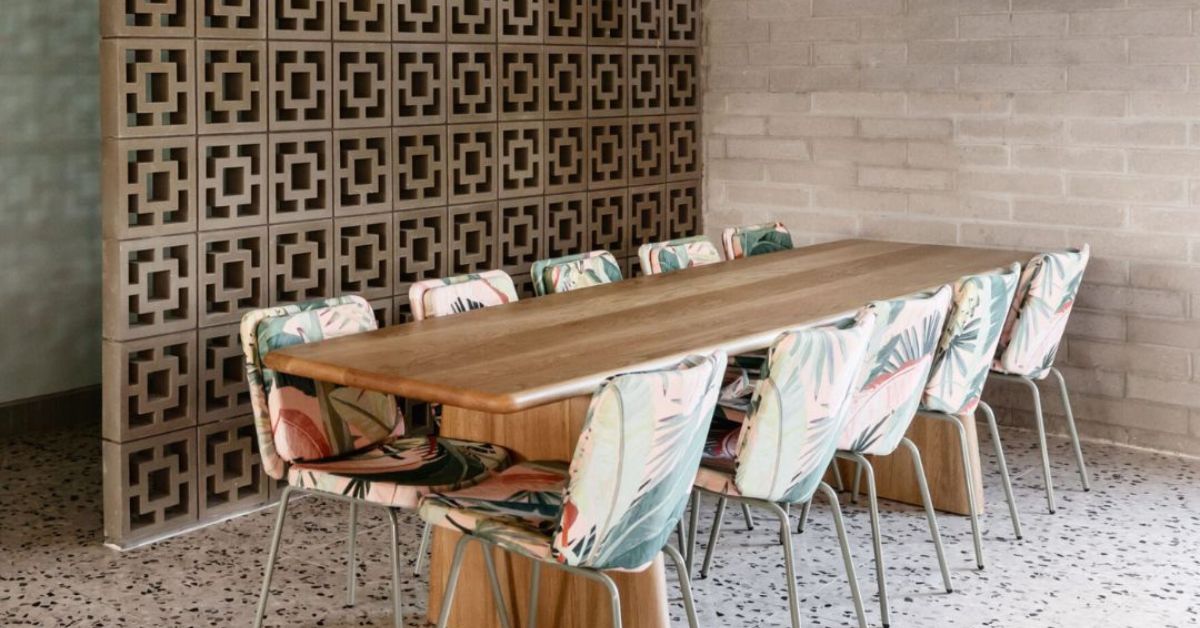
If you must design a patterned wall or façade, look for blocks with intricate cut-outs or geometric designs that create a modern, airy feel. Rectangular or square blocks may be better suited for more straightforward projects, such as building a retaining wall. Keep in mind that the size and shape of the block will not only impact the look of your project but also its stability and functionality.
Considering Aesthetics and Style
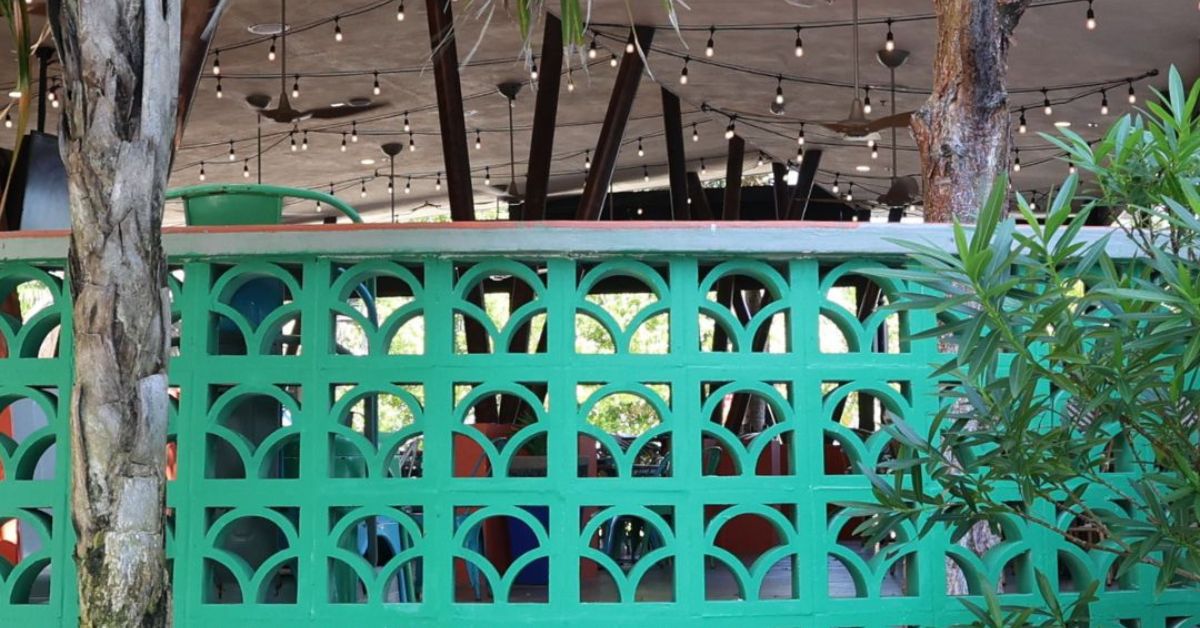
While breeze blocks are fundamentally practical, they also hold immense aesthetic potential. Modern breeze blocks are available in a range of colors, textures, and designs, allowing you to achieve a look that complements the character of your space. Neutral colors like gray, beige, or white are classic choices and lend themselves to clean, minimalist designs. For a bolder statement, consider colored or painted blocks that add vibrancy to your project.
You can use decorative blocks with intricate patterns to create visually striking partitions, fences, or facades. Consider how the chosen blocks will harmonize with other elements in your design, such as flooring, furniture, or surrounding landscapes. A well-thought-out aesthetic plan can transform an otherwise functional breeze block wall into a captivating feature that enhances your overall space.
Factoring in Climate and Weather Conditions
The environmental conditions of your location play a significant role in determining the right type of breeze block for your project. If you live in an area with extreme weather, such as heavy rain or freezing temperatures, opt for blocks with high durability and moisture resistance. Dense concrete blocks with minimal porosity are ideal for preventing water damage and cracking caused by temperature fluctuations.
For projects in warmer climates, lighter, breathable blocks with good thermal insulation performance are advantageous. They help maintain a comfortable indoor temperature and reduce energy costs. Understanding your local weather patterns ensures the longevity of your construction while keeping maintenance needs to a minimum.
Budgeting for Your Project
Cost is an important factor when selecting the right breeze blocks, especially if your project involves large-scale construction. Solid concrete blocks used for load-bearing walls tend to be more expensive than decorative or hollow blocks, given their strength and density. On the other hand, lightweight or decorative blocks can be a cost-effective solution for projects where aesthetics or simple partitions are the primary focus.
Be sure to compare local suppliers and consider delivery costs if you’re working on a large project. An investment in high-quality materials may have a higher upfront cost but will pay off in terms of longevity and reduced maintenance expenses over time. Balancing your budget with the block’s quality and purpose is key to a successful outcome.
Proper Installation and Maintenance
Once you’ve selected the right breeze blocks for your space, proper installation is crucial. Incorrect placement or inadequate support can compromise your structure’s durability and safety. For larger or load-bearing projects, it’s best to consult a professional contractor who can ensure precise installation. Lightweight or decorative blocks, however, are often manageable for DIY enthusiasts.
Maintenance requirements will vary depending on the block type and the climate of your area. Decorative or painted blocks may need resealing or repainting periodically to maintain their appearance, while structural blocks require occasional inspections for cracks or damage. Regular care will ensure that your breeze block features remain functional and visually appealing for years to come.
The Perfect Breeze Blocks
Choosing the right breeze block for your space involves balancing functionality, aesthetics, and environmental factors. By understanding your project’s specific requirements and carefully assessing the wide range of options available, you can achieve a design that is both practical and visually stunning. With the proper selection, breeze blocks can elevate your construction project, providing a timeless blend of strength and style that complements any space.