
The Best Color Combinations for Moroccan Zellige

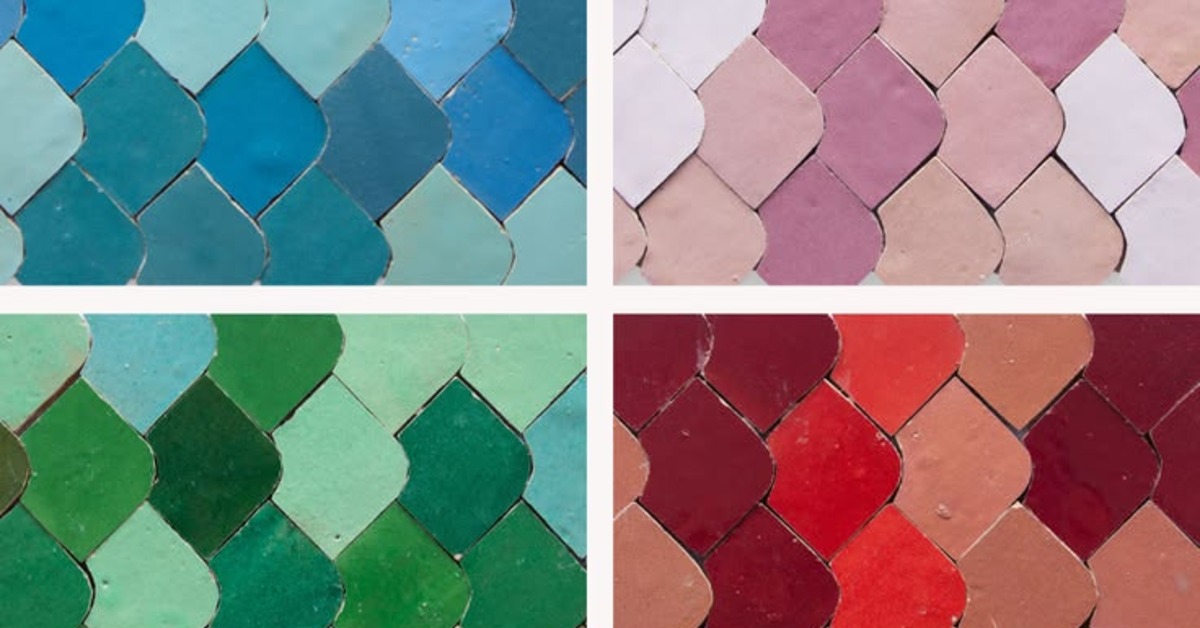
Moroccan Zellige tile is known for its rich color variation, glossy finish, and handcrafted charm. Each piece reflects light differently, giving walls and surfaces a sense of movement that feels both organic and elevated. Because of this natural variation, choosing the right color combination isn’t just about matching shades; it’s about creating a layered visual story.

Whether you’re designing a bold statement wall or a subtle, textured backdrop, knowing the best color combinations for Moroccan Zellige can completely transform the look and feel of a space.

Why Color Matters in Zellige Design

Color plays a unique role in Zellige because of its handmade nature. Unlike uniform tiles, Zellige pieces vary slightly in tone, sheen, and depth. This means even a single color can appear multidimensional, while combining multiple hues creates even more visual richness.

In interior design, this variation helps soften spaces and avoid the flat, overly polished look that machine-made materials sometimes create. The goal isn’t perfection—it’s character. That’s why thoughtful color pairing is essential when working with Zellige.

Designers often choose combinations that enhance natural light, complement surrounding materials, and highlight architectural features. The result feels curated but never forced.

Classic White and Soft Neutrals

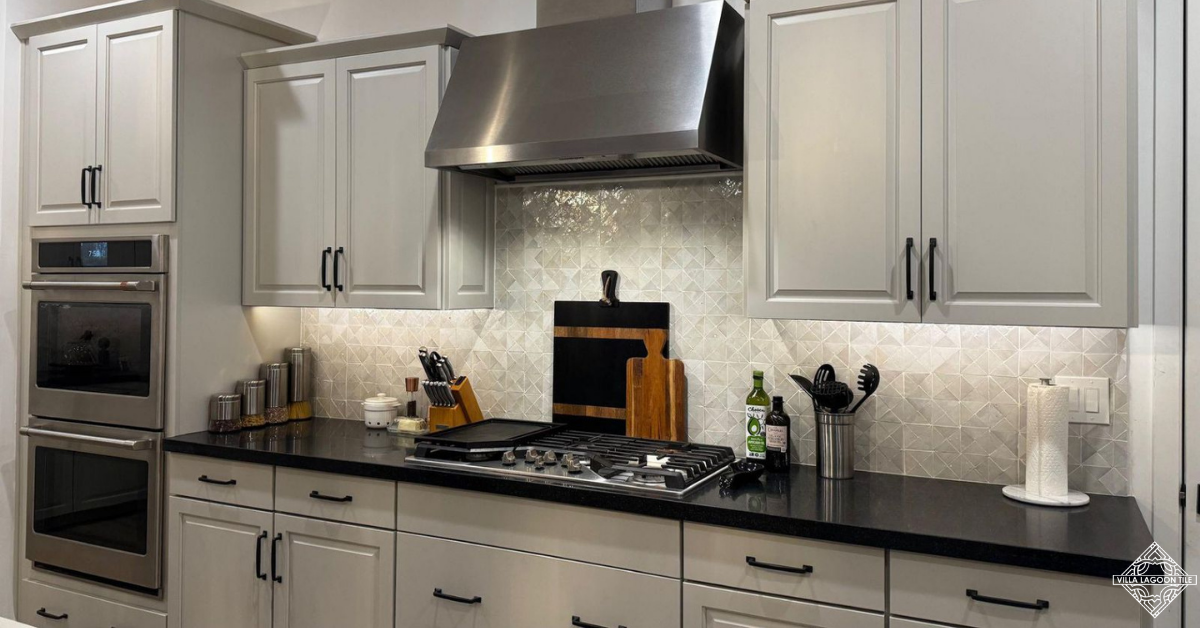
White Zellige paired with soft neutrals is one of the most versatile and enduring combinations. Shades like ivory, cream, sand, and light taupe work beautifully together, creating a calm and inviting backdrop.

This palette is especially effective in kitchens and bathrooms where a clean, timeless look is desired. The subtle variation in each tile keeps the space from feeling sterile, while still maintaining a light and airy aesthetic.

White and neutral combinations also pair well with natural materials like wood, stone, and brass. The overall effect feels grounded yet refined, making it a favorite for both modern and traditional interiors.

Deep Blue and Crisp White

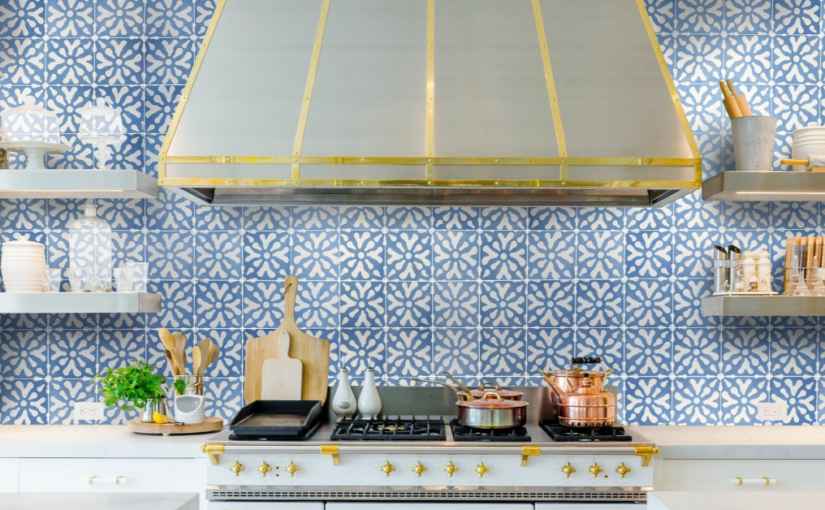
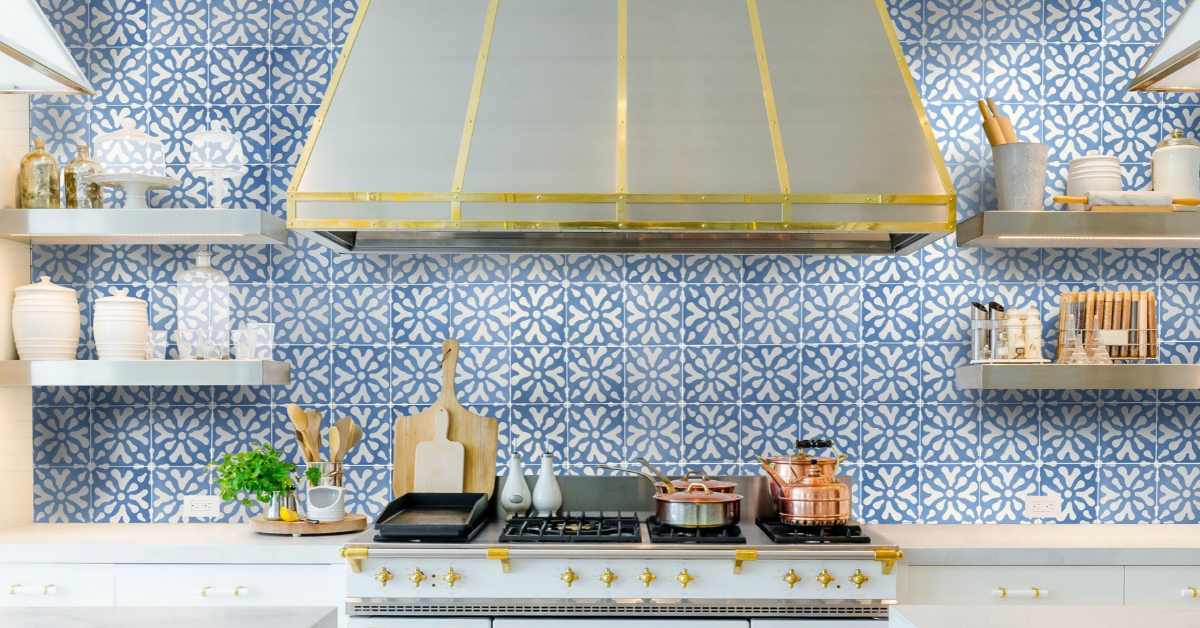
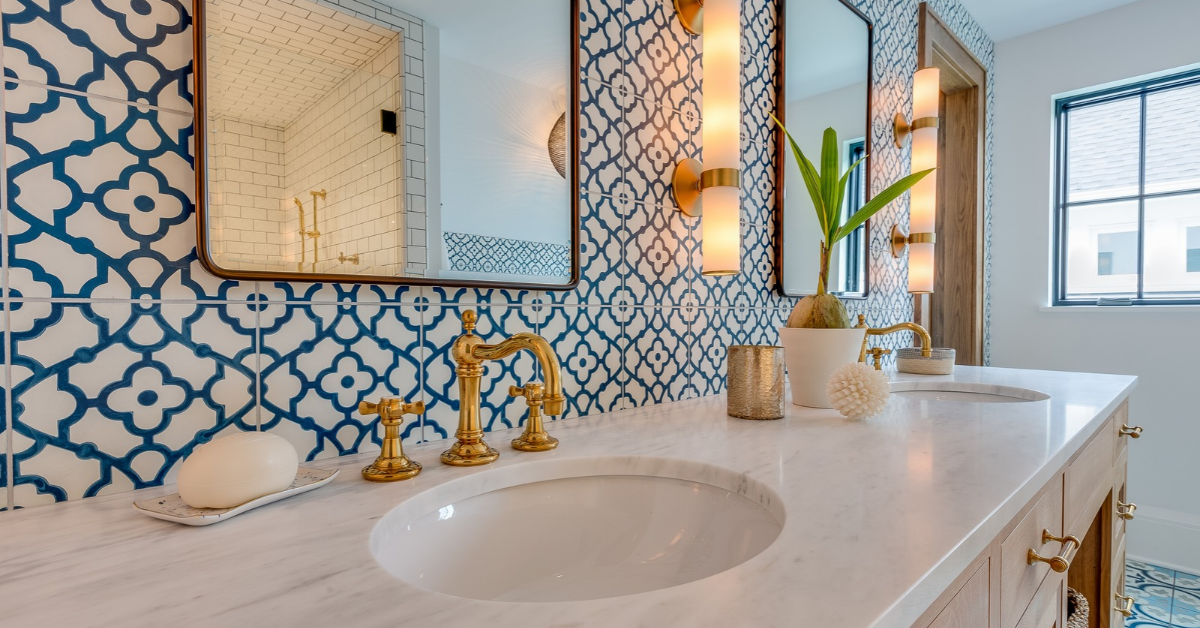
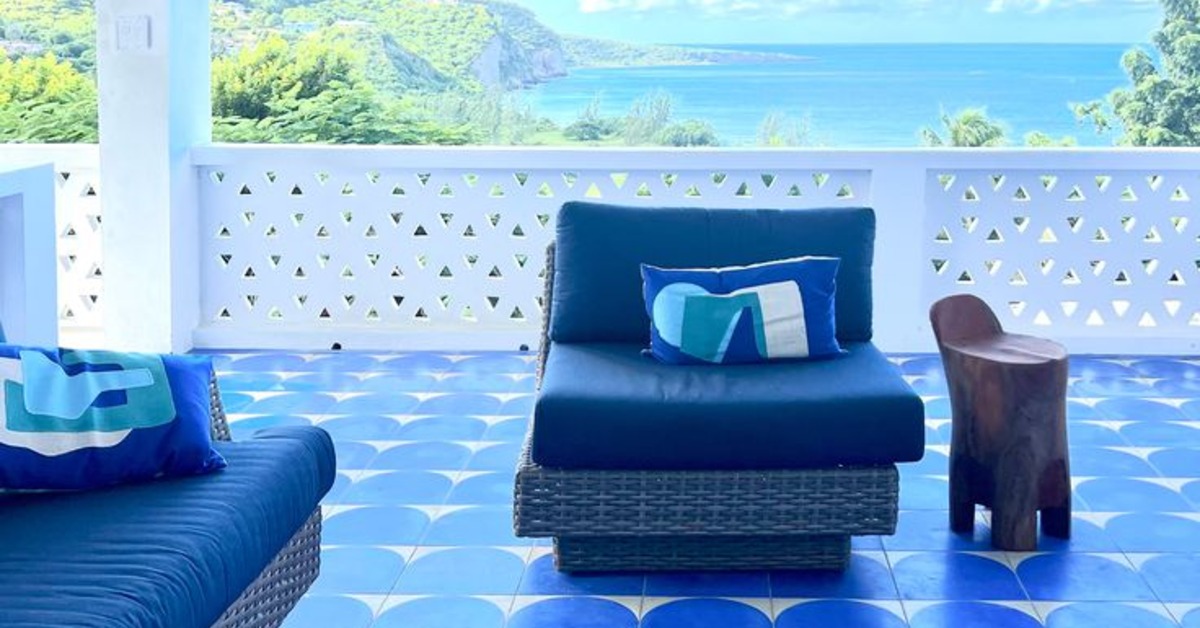
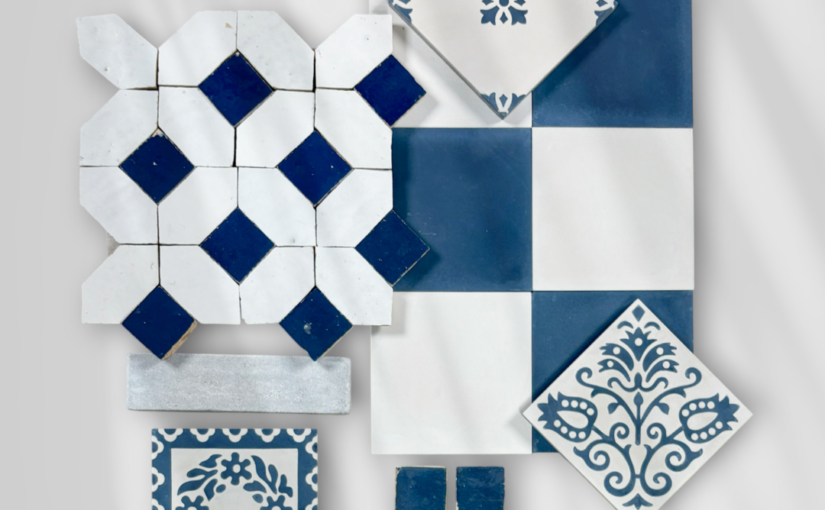
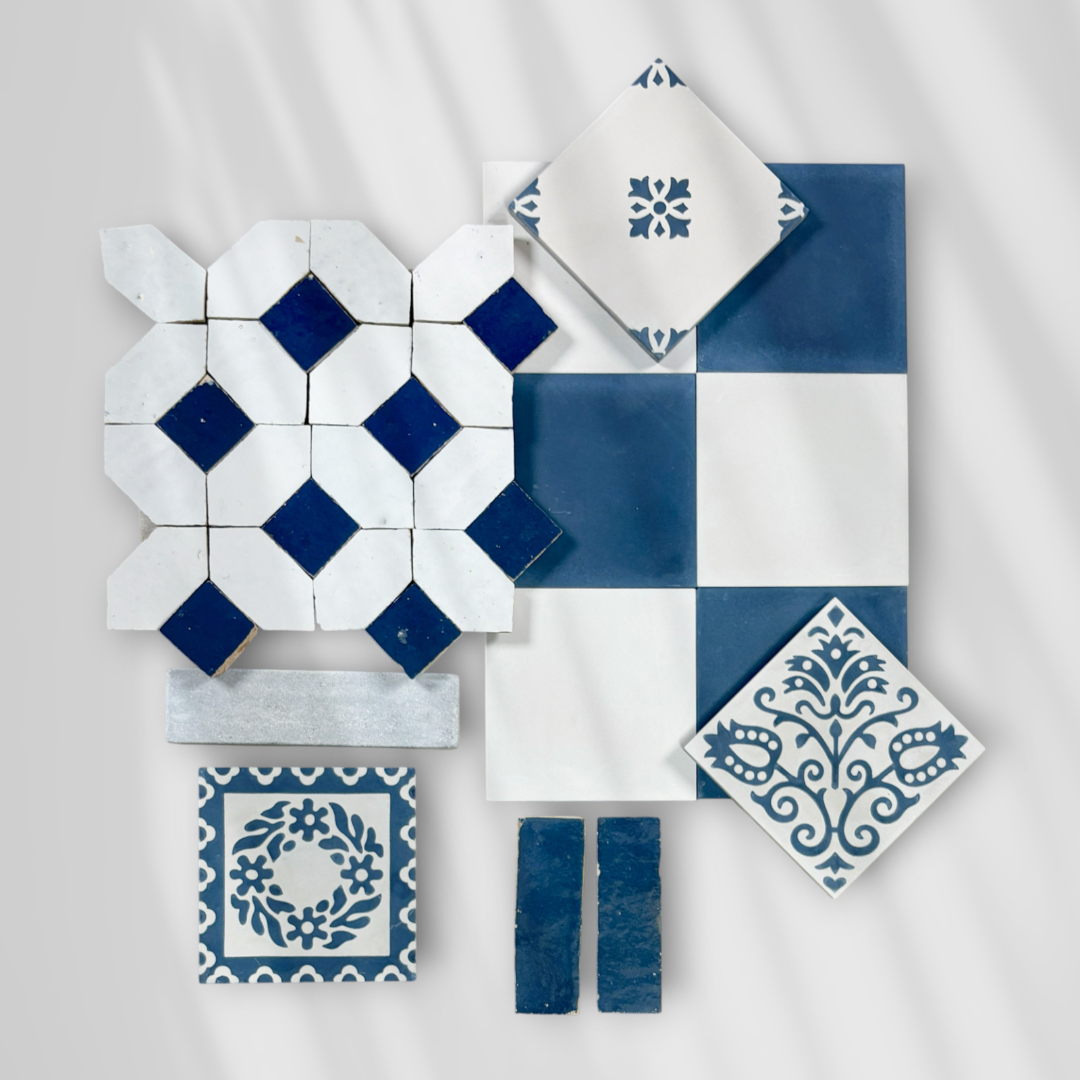
Few combinations feel as iconic as deep blue paired with crisp white. Inspired by coastal Mediterranean design, this pairing brings contrast and energy while still feeling balanced.

The glossy surface of blue Zellige tiles reflects light in a way that adds depth, especially when paired with the brightness of white. This combination works particularly well in bathrooms, kitchen backsplashes, and accent walls.

Depending on the shade of blue, the mood can shift from serene to dramatic. Navy tones feel bold and sophisticated, while lighter blues lean more relaxed and coastal. Either way, the contrast with white enhances the handcrafted quality of the tile.

Emerald Green and Earthy Tones

For a more grounded and nature-inspired look, emerald green paired with earthy tones like terracotta, clay, or warm beige creates a rich and inviting palette.

Green Zellige tiles often have a jewel-like quality, catching light in a way that feels vibrant without being overwhelming. When combined with warmer, muted tones, the result is a balanced composition that feels both organic and elevated.

This combination works beautifully in spaces that aim to feel cozy and layered, such as powder rooms, kitchens, or even fireplace surrounds. It also pairs well with natural wood cabinetry and matte black fixtures for added contrast.

Black and White with a Handmade Twist

Black and white is a classic pairing, but Zellige gives it a completely different personality. Instead of stark contrast, the handcrafted variation softens the look, making it feel more approachable and textured.

Black Zellige tiles often have subtle tonal shifts that prevent them from appearing flat. When paired with white, the contrast remains strong but gains depth and movement.

This combination is ideal for contemporary spaces that still want a touch of warmth. It works well in geometric layouts or even full-room applications where texture plays a central role.

Blush Pink and Warm Neutrals

Blush tones have become increasingly popular in recent years, and Zellige offers a beautiful way to incorporate them without feeling overly trendy.

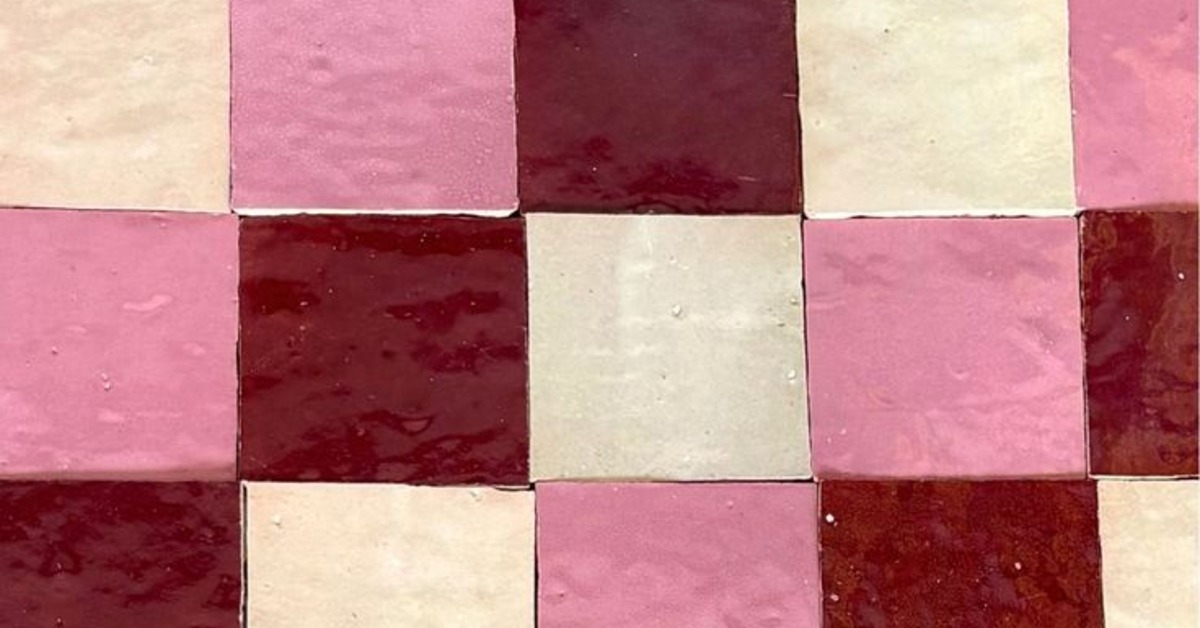
When paired with warm neutrals like beige, cream, or soft gray, blush pink creates a gentle and sophisticated palette. The variation in the tile keeps the color from feeling too sweet, instead adding depth and dimension.

This combination is perfect for bathrooms, vanity areas, or accent walls where a softer, more inviting tone is desired. It pairs especially well with brushed brass or gold finishes for a cohesive look.

Monochromatic Layers for Subtle Depth

Sometimes the most striking designs come from using variations of a single color. Monochromatic Zellige layouts layer different shades of the same hue to create depth without high contrast.

For example, combining light, medium, and dark shades of blue or green can create a gradient effect that feels dynamic yet cohesive. The natural variation in each tile enhances this effect even further.

This approach works well in larger installations where subtlety is key. It allows the texture and craftsmanship of the tile to take center stage while still providing visual interest.

Bold Contrasts with Jewel Tones

For those looking to make a statement, combining jewel tones like sapphire, emerald, and deep amber can create a striking and luxurious effect.

These rich colors work best when balanced carefully. Pairing a dominant hue with a secondary accent color helps maintain harmony while still delivering impact.

In spaces like feature walls or hospitality settings, this combination can feel dramatic and memorable. The reflective quality of Zellige enhances these colors, making them appear even more vibrant and alive.

Mixing Traditional and Modern Influences

One of the most compelling aspects of Moroccan Zellige is its ability to bridge traditional craftsmanship with modern design. Combining classic colors like cobalt blue or forest green with contemporary neutrals creates a layered look that feels both timeless and current.

This approach allows designers to honor the heritage of Zellige while adapting it to modern interiors. The result feels intentional and unique, rather than overly themed or predictable.

In many cases, incorporating Moroccan mosaic tiles alongside Zellige can further enhance this blend of styles, adding pattern and variation without overwhelming the space.

The Best Color Combinations for Moroccan Zellige

How to Choose the Right Combination for Your Space

Selecting the best color combination ultimately depends on the mood you want to create and the elements already present in your space. Lighting, surrounding materials, and room size all play a role in how colors will appear once installed.

Natural light can enhance the reflective qualities of Zellige, making lighter colors feel brighter and darker tones more dramatic. In smaller spaces, softer palettes can help maintain an open feel, while bold combinations can add depth and character.

It’s also important to consider how the colors interact with fixtures, cabinetry, and finishes. Cohesion doesn’t mean everything has to match, but the palette should feel intentional and balanced.

Bringing It All Together

Moroccan Zellige offers endless possibilities when it comes to color combinations. From soft neutrals to bold jewel tones, each pairing brings its own personality and atmosphere to a space.

The key is to embrace the natural variation and handcrafted quality that make Zellige unique. Rather than striving for uniformity, lean into the texture, depth, and subtle imperfections that give these tiles their charm.

How to Design a Dream Shower With Moroccan Tiles

How to Design a Dream Shower With Moroccan Tiles

Designing a dream shower is about more than selecting beautiful materials. It is about creating an experience that feels luxurious, relaxing, and deeply personal. Moroccan tiles, known for their vibrant colors, intricate patterns, and handcrafted charm, offer the perfect foundation for a shower that feels like a private retreat. By knowing how to design a dream shower with Moroccan tiles, you can transform an ordinary bathroom into a stunning, spa-like sanctuary.

Embracing the Beauty of Moroccan Tiles

Moroccan tiles are celebrated for their artistry and timeless appeal. From hand-cut Zellige tiles to bold geometric cement patterns, these materials bring texture and movement to any space. Each tile often features subtle variations in color and finish, which gives your shower walls depth and authenticity.

In a shower setting, this handcrafted quality becomes even more striking. Light reflects differently across the glazed surfaces, creating a shimmering effect when water runs over the tiles. The result is a space that feels alive and layered rather than flat or uniform. Choosing Moroccan tiles means embracing character, individuality, and a sense of global elegance.

Choosing the Right Color Palette

Color plays a defining role in designing your dream shower. Moroccan tiles are available in a wide spectrum, from deep sapphire blues and emerald greens to soft neutrals and warm terracottas. The palette you choose should reflect the mood you want to create.

For a serene, spa-inspired shower, consider soft whites, sandy beiges, or muted blues. These shades evoke the calm of coastal landscapes and help the space feel open and airy. If you want a dramatic, luxurious atmosphere, jewel tones like teal, navy, or rich plum can create a bold statement. Pairing vibrant tiles with brass or matte black fixtures can enhance the overall sophistication.

Keep in mind that smaller bathrooms may benefit from lighter tones that visually expand the space, while larger showers can handle darker or more intricate patterns without feeling overwhelming.

Playing With Pattern and Layout

One of the most exciting aspects of working with Moroccan tiles is the opportunity to incorporate intricate patterns. Geometric motifs, starbursts, and interlocking designs can transform a simple shower wall into a work of art.

When designing your layout, consider whether you want the pattern to dominate the entire shower or serve as an accent. Covering all walls in a bold design creates a dramatic, immersive environment. Alternatively, using patterned tiles on a feature wall or within a recessed niche allows you to balance visual impact with subtlety.

You can also mix solid Moroccan Zellige tiles with patterned cement tiles for contrast. For example, solid tiles may line the majority of the shower walls, while a decorative pattern defines the back wall or frames the shower bench. Thoughtful placement ensures the design feels intentional and harmonious rather than chaotic.

How to Design a Dream Shower With Moroccan Tiles

Incorporating Texture and Dimension

Texture is a hallmark of Moroccan tile design. Zellige tiles, in particular, are known for their slightly uneven surfaces and handcrafted edges. This subtle irregularity adds dimension and warmth to the shower.

To enhance this effect, consider how light interacts with the tiles. Installing layered lighting, such as recessed ceiling lights combined with wall sconces, highlights the surface variations and creates a soft glow. Natural light from a nearby window or skylight further enhances the reflective qualities of glazed tiles.

You can also incorporate dimensional elements like built-in niches, floating benches, or arched alcoves. Lining these architectural features with Moroccan tiles draws attention to their shape and adds visual interest. The combination of texture, light, and form elevates the overall design.

Designing for Function and Comfort

While aesthetics are important, a dream shower must also be functional and comfortable. Start by determining the size and layout that best suits your space. Walk-in showers with frameless glass enclosures showcase Moroccan tiles beautifully and allow the design to remain the focal point.

Consider practical elements such as proper drainage, slip resistance, and ease of maintenance. For shower floors, smaller mosaic tiles are often ideal because they provide more grout lines, which improve traction. Many Moroccan-inspired mosaics combine beauty with functionality, making them suitable for wet environments.

Built-in seating can add a touch of luxury and comfort. A tiled bench or corner seat not only enhances usability but also creates another opportunity to showcase complementary tile patterns or colors. Thoughtful planning ensures your shower feels as good as it looks.

Coordinating Fixtures and Finishes

The fixtures you choose should complement the richness of Moroccan tiles without competing with them. Brass and gold finishes pair beautifully with warm-toned tiles, enhancing their earthy depth. Chrome and polished nickel offer a clean, modern contrast to intricate patterns. Matte black fixtures create a striking, contemporary edge.

Rainfall showerheads and handheld sprayers contribute to a spa-like experience. Wall-mounted controls in a matching finish tie the design together. When selecting hardware, aim for a cohesive look that supports the overall aesthetic.

Glass enclosures, minimal framing, and clean lines help keep the focus on the tilework. The goal is to allow the handcrafted beauty of the Moroccan tiles to shine while ensuring the space feels balanced and refined.

Creating a Focal Point

Every dream shower benefits from a clear focal point. Moroccan tiles naturally lend themselves to this role. You might choose a dramatic patterned wall at the back of the shower or frame a large arched niche with contrasting tiles.

Another approach is to extend the tile from floor to ceiling, drawing the eye upward and making the shower feel taller. In larger bathrooms, continuing the tile beyond the shower and onto adjacent walls can create a seamless, immersive design.

The key is to be intentional. A well-defined focal point anchors the space and gives the design a sense of purpose. Whether subtle or bold, it should feel integrated into the overall vision.

Balancing Traditional and Modern Elements

Moroccan tiles have deep historical roots, but they can easily be incorporated into modern bathroom designs. Balancing traditional craftsmanship with contemporary features creates a fresh and timeless result.

For a modern take, pair classic Moroccan patterns with sleek glass panels, minimalist vanities, and clean architectural lines. Neutral grout can help tone down intricate designs and give them a more understated feel. On the other hand, embracing a fully traditional aesthetic with ornate mirrors, warm lighting, and natural wood accents can create a richly layered atmosphere.

Finding the right balance ensures your dream shower reflects your personal style while maintaining visual harmony.

Maintaining Your Moroccan Tile Shower

To keep your dream shower looking its best, proper maintenance is essential. Sealing certain types of tiles, particularly cement tiles, helps protect them from moisture and staining. Regular cleaning with gentle, non-abrasive products preserves the glaze and prevents buildup.

Grout maintenance also plays a role in longevity. Choosing high-quality grout and sealing it as recommended reduces the risk of discoloration. With the right care, Moroccan tiles age gracefully and retain their beauty for years to come.

Routine upkeep not only protects your investment but also ensures that your shower continues to feel like a luxurious escape.

Bringing Your Vision to Life

Designing a dream shower with Moroccan tiles is an opportunity to blend artistry, comfort, and functionality. By thoughtfully selecting colors, patterns, textures, and finishes, you can create a space that feels both indulgent and inviting.

From shimmering Zellige walls to bold geometric accents, Moroccan tiles transform an ordinary shower into a personal retreat. With careful planning and attention to detail, your bathroom can become a daily escape that reflects timeless craftsmanship and modern luxury in perfect balance.

How To Add a Mediterranean Feel Using Cement Tiles

How To Add a Mediterranean Feel Using Cement Tiles

Adding a Mediterranean touch to your home creates a warm, inviting atmosphere that reflects the essence of vibrant coastal regions. Cement tiles, known for their beauty and durability, are one of the most impactful design elements to achieve this aesthetic. Their intricate patterns, textured finishes, and vibrant colors evoke the charm and tranquility of Mediterranean style, making them the perfect choice for homeowners seeking timeless elegance. Whether you’re renovating or designing from scratch, knowing how to add a Mediterranean feel using cement tiles can transform your space into a haven of character and sophistication.

Continue reading How To Add a Mediterranean Feel Using Cement Tiles

The Visual Effect of Tile Patterns in Interiors

The Visual Effect of Tile Patterns in Interiors

Tiles have long been a favored design element in interior spaces, not only for their practicality but also for their ability to create stunning visual effects. Tile patterns can bring texture, depth, and personality to a space, making them a central part of modern and classic interior design alike. From bold geometric arrangements to understated minimalist layouts, the visual effect of tile patterns in interiors can significantly influence the ambiance of a room.

Continue reading The Visual Effect of Tile Patterns in Interiors

Zellige Tiles: A Story of Art, Craft, and Culture

Zellige Tiles: A Story of Art, Craft, and Culture

Renowned for their intricate patterns and vibrant colors, Zellige tiles have captivated the world for centuries. This traditional form of mosaic tilework originated in Morocco and has since become a symbol of the country’s rich artistic heritage. Rooted in a blend of cultural influences and meticulous craftsmanship, Zellige tiles are not only a statement of architectural beauty but also carry deep historical and cultural significance. If you plan to use Zellige tiles, you’ll love learning their story of art, craft, and culture.

Continue reading Zellige Tiles: A Story of Art, Craft, and Culture

Why Zellige Tile Is Perfect for Kitchen Floors

Why Zellige Tile Is Perfect for Kitchen Floors

When it comes to designing or renovating a kitchen, flooring is one of the most crucial elements to consider. Not only does it set the tone for the overall aesthetic of the space, but it must also withstand the daily wear and tear of a busy household. Among the many flooring options available, zellige tile stands out as an exceptional choice for kitchen floors. With its inherent beauty, durability, and versatility, zellige tile has been a timeless favorite in interior design and continues to grow in popularity for modern homes. When looking to update the look of your home, know why zellige tile is perfect for kitchen floors.

Continue reading Why Zellige Tile Is Perfect for Kitchen Floors

The Christina Salway Collection

Villa Lagoon Tile is proud to introduce La Campagne et La Cité, an exclusive collaboration with renowned designer Christina Salway. Born from two decades of exploring the winding streets of Dijon and the historic cathedrals of Paris, this collection is a love letter to French architecture and the soul of its materials.

Christina Salway, known for her ability to make spaces feel curated rather than “catalogued,” has translated her personal travels into a stunning range of zellige, cement, terracotta, and limestone. From the vibrant doorways of Burgundy to the woven textures of a village brasserie, every tile reflects a commitment to old-world craftsmanship reimagined for modern living.

In this collection, there are no “wrong answers.” Designed for fluidity and authenticity, these patterns and palettes allow you to layer history and character into your home, creating a space that feels like it has always been there.

“The vision behind the entire collection is that there are no wrong answers. The tiles are intended to be used together and installed throughout a home; and each color and pattern is intended to complement the others, so that you can install our collection in your bathroom, your mudroom, your powder room and on kitchen backsplash; and the sense of cohesion and fluidity will quietly connect from one space to the other without feeling overly “matching” or heavy handed— like it evolved over time, just like the historic homes of France.” – Christina Salway

“The color palette grew out of so many points of inspiration during our travels in France. Initially, we happened to be visiting Dijon for an antique market, and discovered all of the colorful doors and gateways of the homes of Dijon. I couldn’t get over how perfectly vivid and simultaneously muted the colors were – this perfect blend of joyous color and history – so the colors weren’t garish or overly bright – but also not entirely muddied or subdued. Just right…. That’s when I went on the hunt to find all of the perfect colors for this collection – literally visiting dozens of different paint stores and hardware stores – collecting paint sample posts and paint color binders – until I’d isolated the exact colors were trying to reproduce.” – Christina Salway

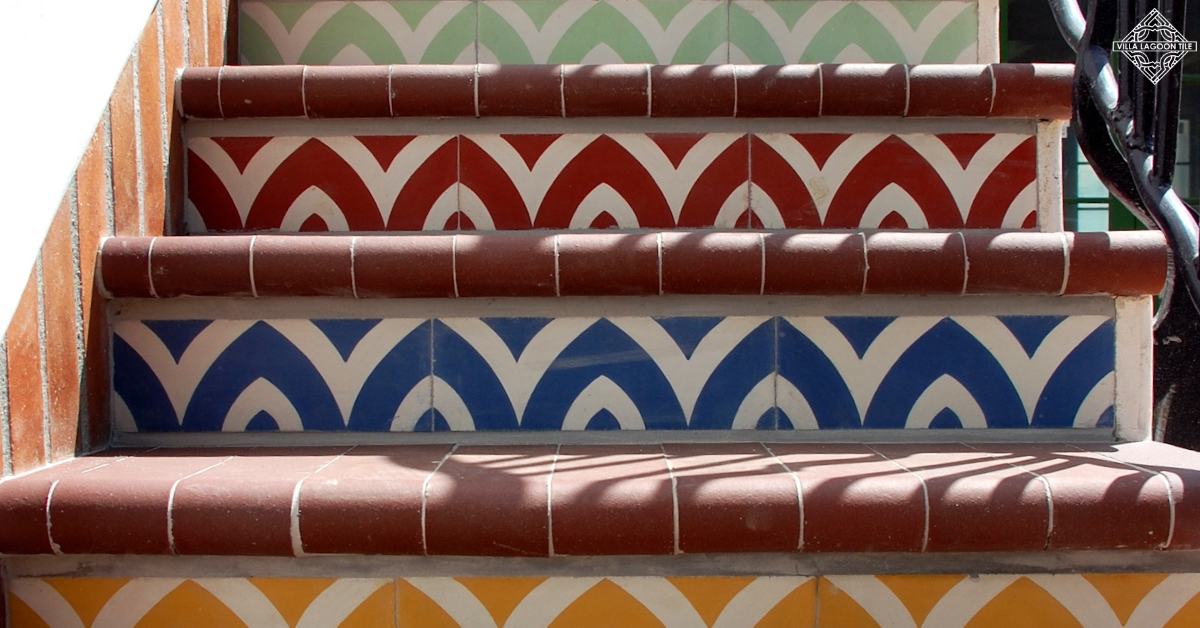
Featuring solid cement tiles in Brume, Forêt, and Marine, this collection weaves these colors throughout the designs for a cohesive, visually compelling effect. Use them to create a checkerboard or use them to frame patterned cement tiles.

Throughout her travels, Christina encountered a wide range of materials that became the foundation for many designs in the collection. From kitchens and flooring in France to the intricate leaded stained-glass windows of historic cathedrals, each experience shaped the textures, patterns, and details that define the line.

“Inspired by the leaded stained glass windows I documented in one of the cathedrals in the center of Paris. I was taking photographs of these churches, and as I looked back through the images that I’d captured, I realized how marvelously the patterns would be translated into tile.” – Christina Salway

The Salway collection is built on a foundation of effortless cohesion. By harmonizing four distinct organic materials – Cement, Zellige, Terracotta, and Limestone – we have created a library of textures where every element speaks the same language.

This palette is designed to be mixed and matched. Whether you are layering the rustic warmth of Terracotta against the high-gloss shine of Zellige, or grounding a room with our structured Cement checkerboards, there are no wrong answers here. This is a collection where materials can flow seamlessly from room to room, creating a home that feels curated, collected, and completely at ease.

Rhone draws inspiration from the rustic and refined classical design found in the Rhone region.

On the right, inspired by the serene coastal region of Normandie, this pattern combines timeless craftsmanship with an elegant design. It draws inspiration from the scrolling elegance of French ironwork and the detailed patterns of vintage textiles.

Below, the intricate floral motif draws its inspiration from the coastal charm and artisanal heritage of the Bretagne region. This baroque-inspired design is reminiscent of 17th-century European textiles and vintage flocked decorative papers.

Saint Gilles Glazed Zellige Mosaic Mat

Saint Gilles, a geometric pattern inspired by the rhythm and symmetry of the lead-stained glass windows of a Paris cathedral.

A mosaic that channels the ornate beauty of the stained-glass windows in Paris’s historic Marais district, reinterpreted through rich color and timeless pattern.

The Chateau Saint Gilles, is a modern interpretation of the original limestone floors at the Chateau de Savigny-lès-Beaune in Burgundy. This design also reinterprets the stained-glass-like patterns found in Parisian cathedrals.

On the right, the Chateau Etienne pattern draws directly from an antiquated French chateau floor, translating its historical charm into a modern mosaic.

Influenced by the patterned facade of a city building, this design translates into soft, organic limestone floor tiles. Named “Terre,” the French word for earth, the pattern combines geometric structure with natural textures.

The Octagon design replicates the iconic cabochon pattern, a staple of classic French and Mediterranean flooring. The interlocking octagonal terracotta forms a deep, warm foundation, while the contrasting small zellige square (the ‘keys’) acts as decorative anchors.

The Hexagonal Terracotta, made from robust, full-bodied clay, these tiles are built to last a lifetime, aging gracefully just like the historic floors they emulate. Their inherent color variation perfectly mimics the time-worn appearance of surfaces found in chateaux and historic homes across France.

Exploring the Unique Patterns of Zellige Tiles

Zellige tiles, a hallmark of Moroccan design, have long been celebrated for their intricate patterns and exquisite craftsmanship. These handcrafted tiles, often characterized by vibrant colors and geometric motifs, hold centuries of history and cultural significance. From their origins in North Africa to their modern presence in global interior design, Zellige tiles transcend time and borders, offering an undeniable aesthetic appeal. Their unique patterns are not merely decorative but a symphony of art, tradition, and mathematics that admirers still prize today. Exploring the unique patterns of Zellige tiles not only provides valuable historical context, but also allows you to find ways to incorporate the design into your own home.

Continue reading Exploring the Unique Patterns of Zellige Tiles

Creative Tile Ideas for Restaurant Interiors

Creative Tile Ideas for Restaurant Interiors

Designing the interior of a restaurant is both an art and a strategic decision; the visual ambience of a restaurant has a direct impact on the dining experience. Among the various design elements, creative tile choices can completely define the aesthetic tone of your space. With countless patterns, textures, and materials available, tiles provide a versatile design solution to enhance your interiors. They contribute to the atmosphere, grab attention, and create memorable visual impressions that customers associate with your brand, which means having a few creative tile ideas for restaurant interiors can help you make your business stand out.

Continue reading Creative Tile Ideas for Restaurant Interiors

How Breeze Blocks Support Sustainable Design

How Breeze Blocks Support Sustainable Design

Breeze blocks might just be the unsung heroes of sustainable design. You’ve probably spotted these geometric, open-patterned blocks in retro architecture or trendy spaces, but their impact goes far beyond aesthetics. These simple yet versatile building materials are having a major comeback—not just because they look great, but because they champion eco-conscious construction.

Continue reading How Breeze Blocks Support Sustainable Design