The Ultimate Guide to Breeze Block Patterns

Noise Reduction Strategies Using Decorative Cement Blocks

Breeze blocks are having a serious design moment, and it’s easy to see why. With their sculptural cutouts and ability to play with light and shadow, they bring both function and artistry into a space. Whether used indoors or out, these blocks can transform a simple wall into a focal point that feels intentional and elevated.

With this ultimate guide to breeze block patterns, we’ll walk through the styles, uses, and design approaches that make breeze blocks so versatile. If you’re looking for inspiration or simply want to understand how these patterns work, you’re in the right place.

What Are Breeze Block Patterns?

Breeze blocks are decorative concrete blocks with patterned openings that allow air and light to pass through. Originally popular in mid-century architecture, they’ve made a strong comeback in contemporary design thanks to their ability to add texture without overwhelming a space.

The patterns themselves are what make these blocks so compelling. From geometric grids to organic curves, each design creates a different visual rhythm. When repeated across a wall or partition, the pattern becomes a defining feature rather than just a background element.

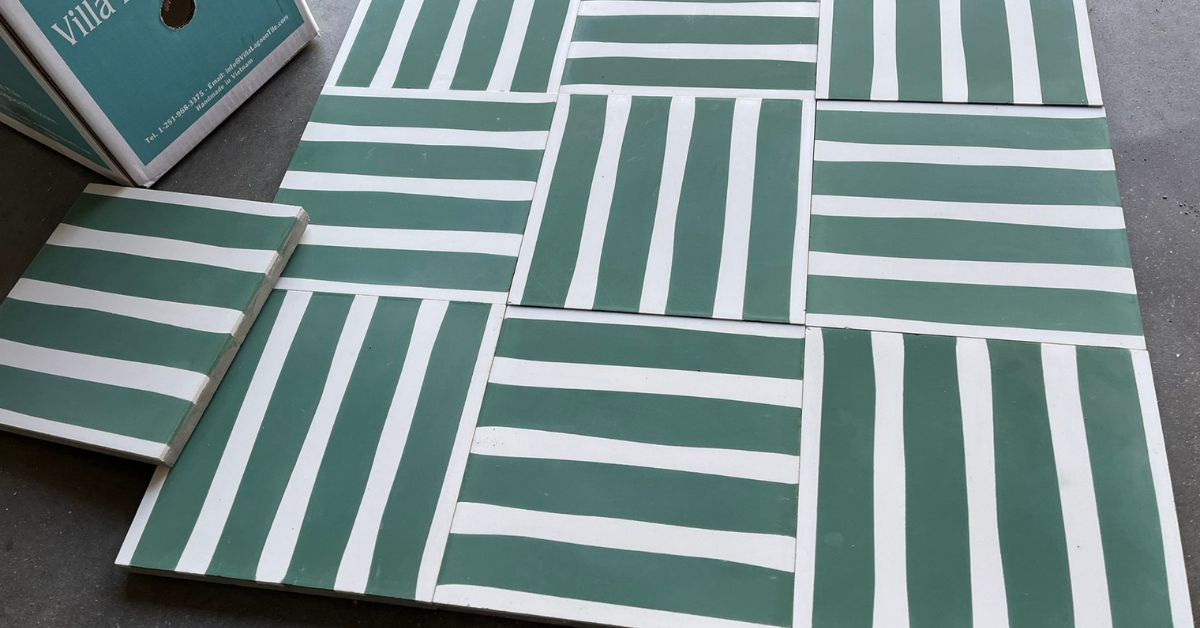
Because they’re modular, breeze block patterns can be arranged in countless ways. Designers often rotate or alternate blocks to create custom layouts that feel unique to a project.

Why Breeze Blocks Are Back in Style

There’s a growing appreciation for materials that feel both nostalgic and fresh. Breeze blocks hit that sweet spot perfectly; they nod to vintage design while still fitting seamlessly into modern spaces.

They also solve practical design challenges. Need airflow without sacrificing privacy? Breeze blocks handle that. Want to soften harsh sunlight? Their cutouts filter light in a way that feels natural and dynamic.

Another reason for their popularity is their versatility. These blocks work just as well in a sleek urban home as they do in a relaxed coastal setting. That adaptability makes them a favorite among designers working across different styles and project types.

Popular Breeze Block Pattern Styles

The pattern you choose will shape the entire look and feel of your space.

Geometric Patterns

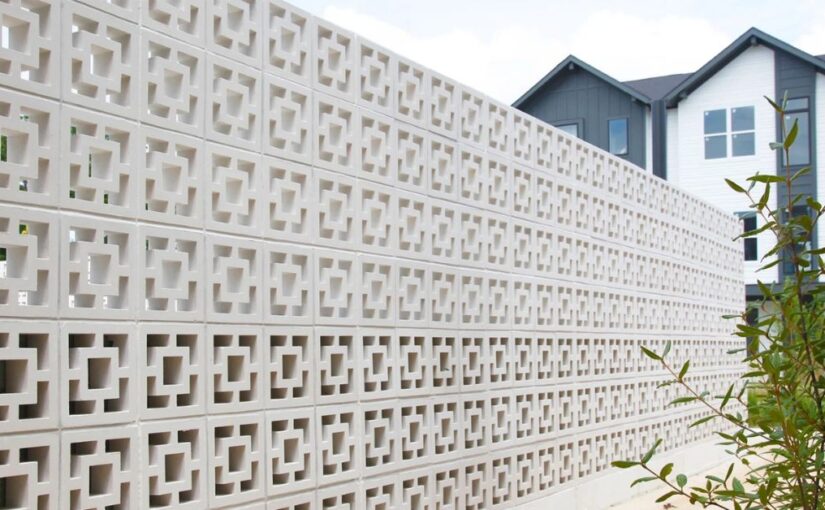
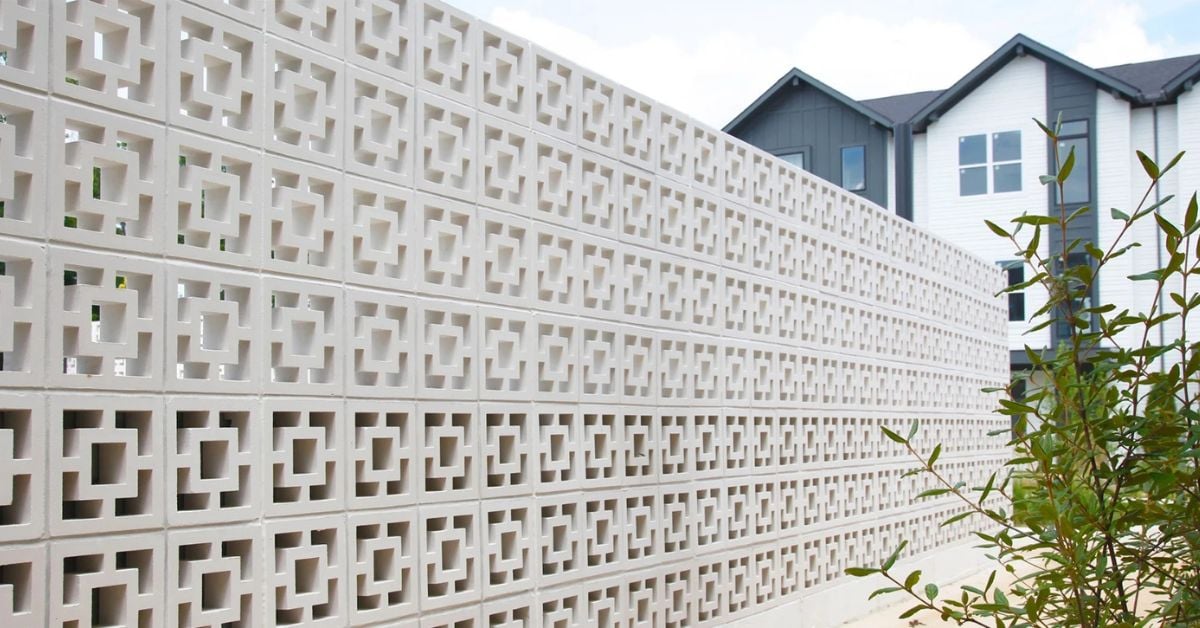
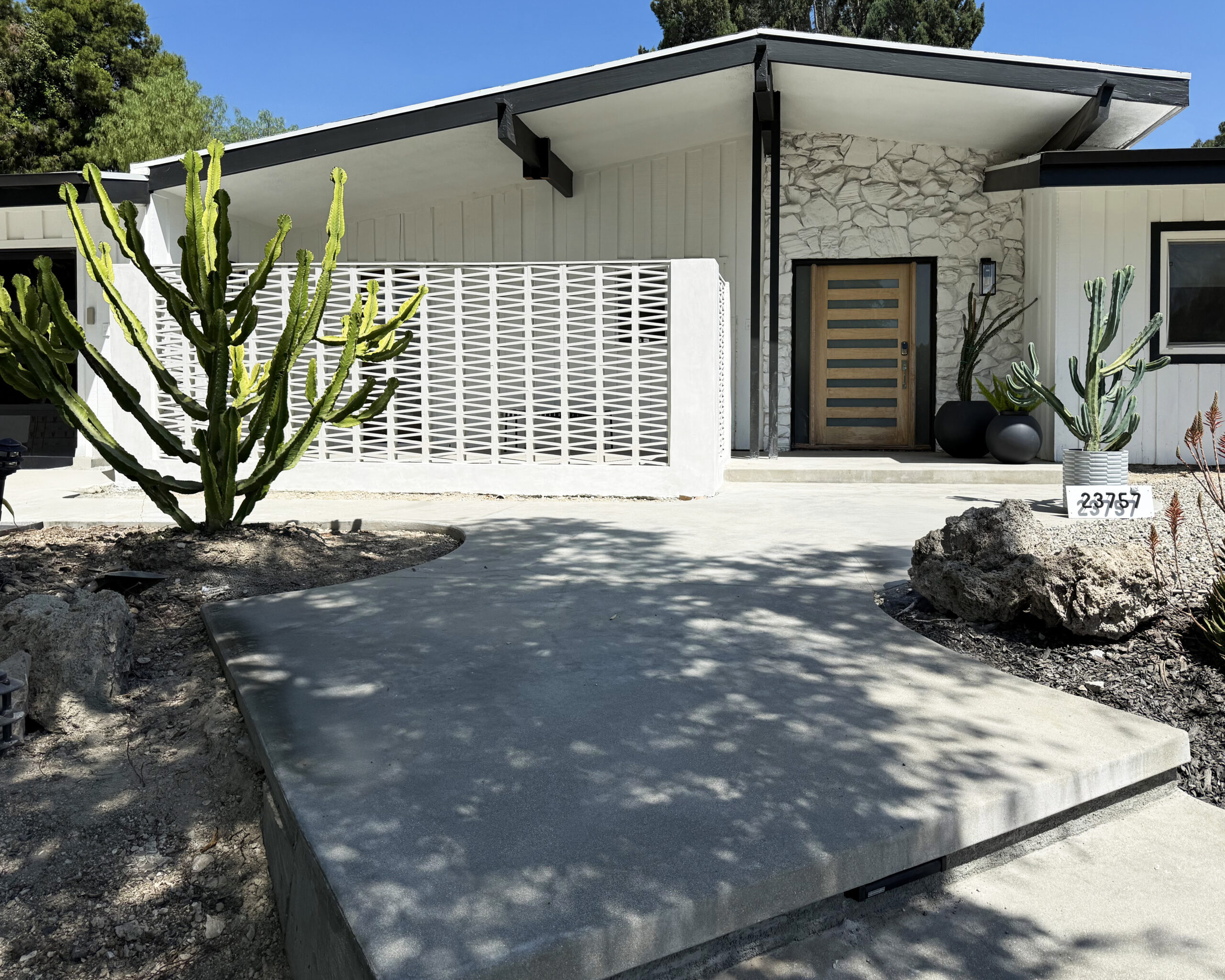
Geometric designs are among the most recognizable. Squares, diamonds, and interlocking shapes create a sense of order and symmetry. These patterns are ideal for modern or minimalist spaces where clean lines matter.

They also tend to feel structured and architectural, making them a great choice for exterior walls or facades that need a strong visual presence.

Organic and Curved Designs

If you want something softer, curved patterns bring a more relaxed and fluid feel. These designs often mimic natural shapes like waves or petals, adding movement to the surface.

They’re especially effective in spaces where you want to balance harder materials like concrete or stone with something more inviting.

Mid-Century Inspired Motifs

Many breeze block patterns draw directly from mid-century design. Starbursts, circular cutouts, and abstract forms give a nostalgic vibe while still feeling current.

These patterns are perfect for anyone looking to bring a bit of retro charm into a space without it feeling dated.
How Pattern Scale Impacts Design

One of the most overlooked aspects of breeze block design is scale. The size of the pattern can dramatically change how a space feels.

Large-scale patterns tend to make a bold statement. They’re easier to see from a distance and work well in open areas where you want the design to stand out.

Smaller patterns, on the other hand, create a more subtle texture. They’re ideal for interior applications or areas where you want the detail to reveal itself gradually.

Choosing the right scale depends on both the size of the space and the overall design goal.

Using Breeze Block Patterns Indoors

Breeze blocks aren’t just for exteriors anymore. Designers are finding creative ways to incorporate them into interior spaces with stunning results.

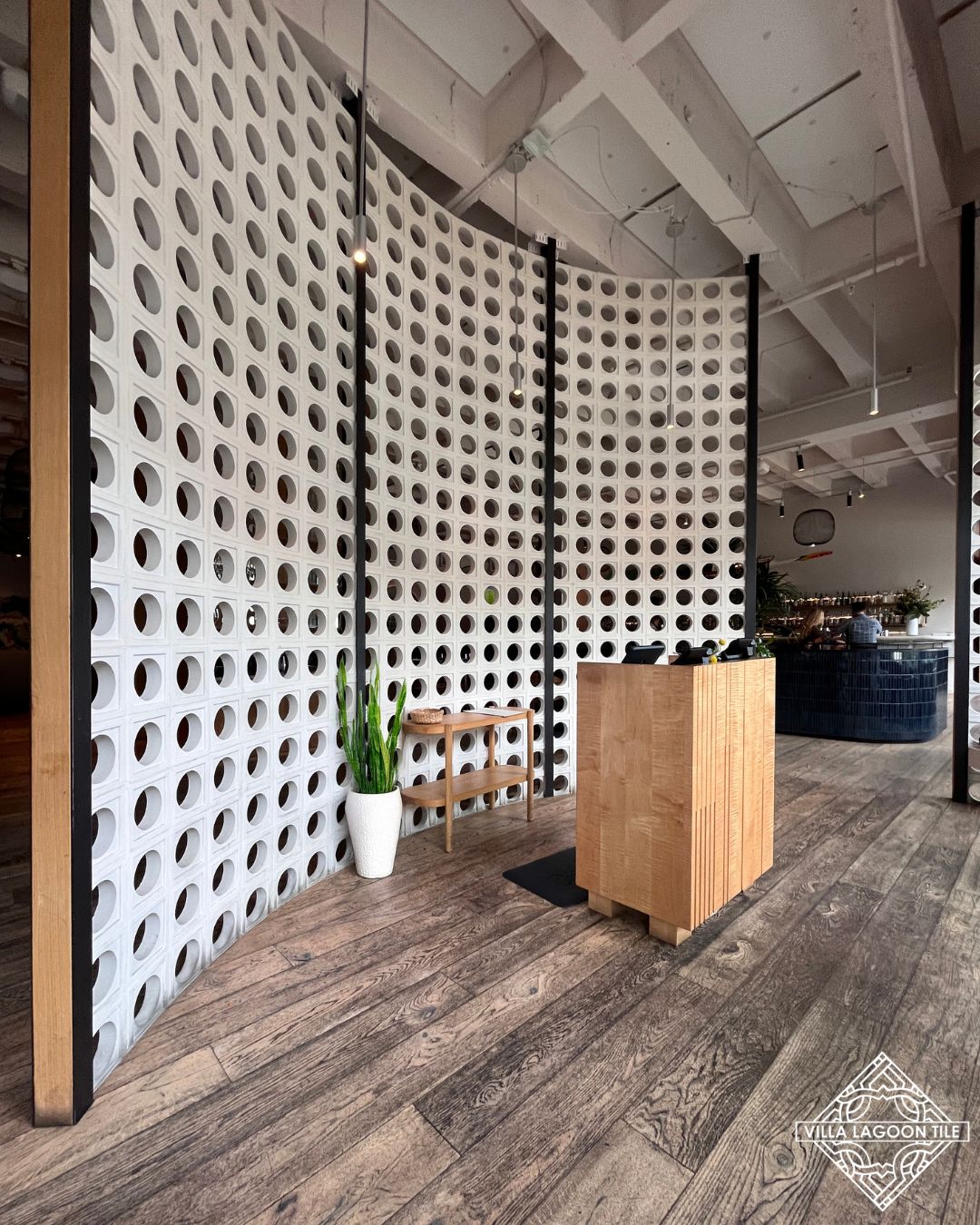
They can be used as room dividers, allowing light to pass through while still defining separate areas. This is especially useful in open-concept layouts where you want some separation without closing things off completely.

Accent walls are another popular option. A breeze block wall can add depth and interest without the need for additional décor, and the pattern itself becomes the artwork.

In some cases, these blocks are even used in unexpected places like headboards or feature niches, proving just how flexible they can be.
Outdoor Applications That Stand Out

Outdoors is where breeze blocks truly shine. Their durability and open design make them perfect for a variety of exterior uses.

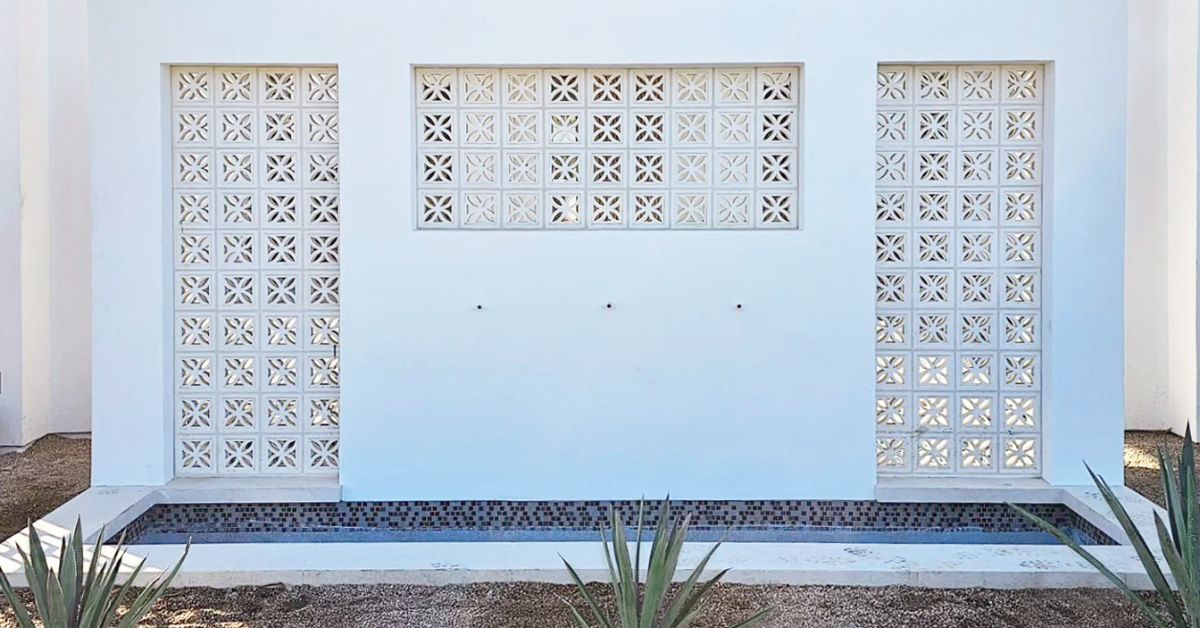
Privacy walls are one of the most common applications. They provide a sense of enclosure without blocking airflow, making them ideal for patios and courtyards.

They’re also a great choice for garden walls. The patterned openings allow plants to peek through, creating a layered, textured look that feels integrated with the landscape.

For facades, breeze blocks can act as a decorative screen that adds depth to the building’s exterior. The way light interacts with the pattern throughout the day creates a constantly changing visual effect.

Mixing and Matching Patterns

One of the most exciting aspects of working with breeze blocks is the ability to customize. You’re not limited to a single pattern or layout.

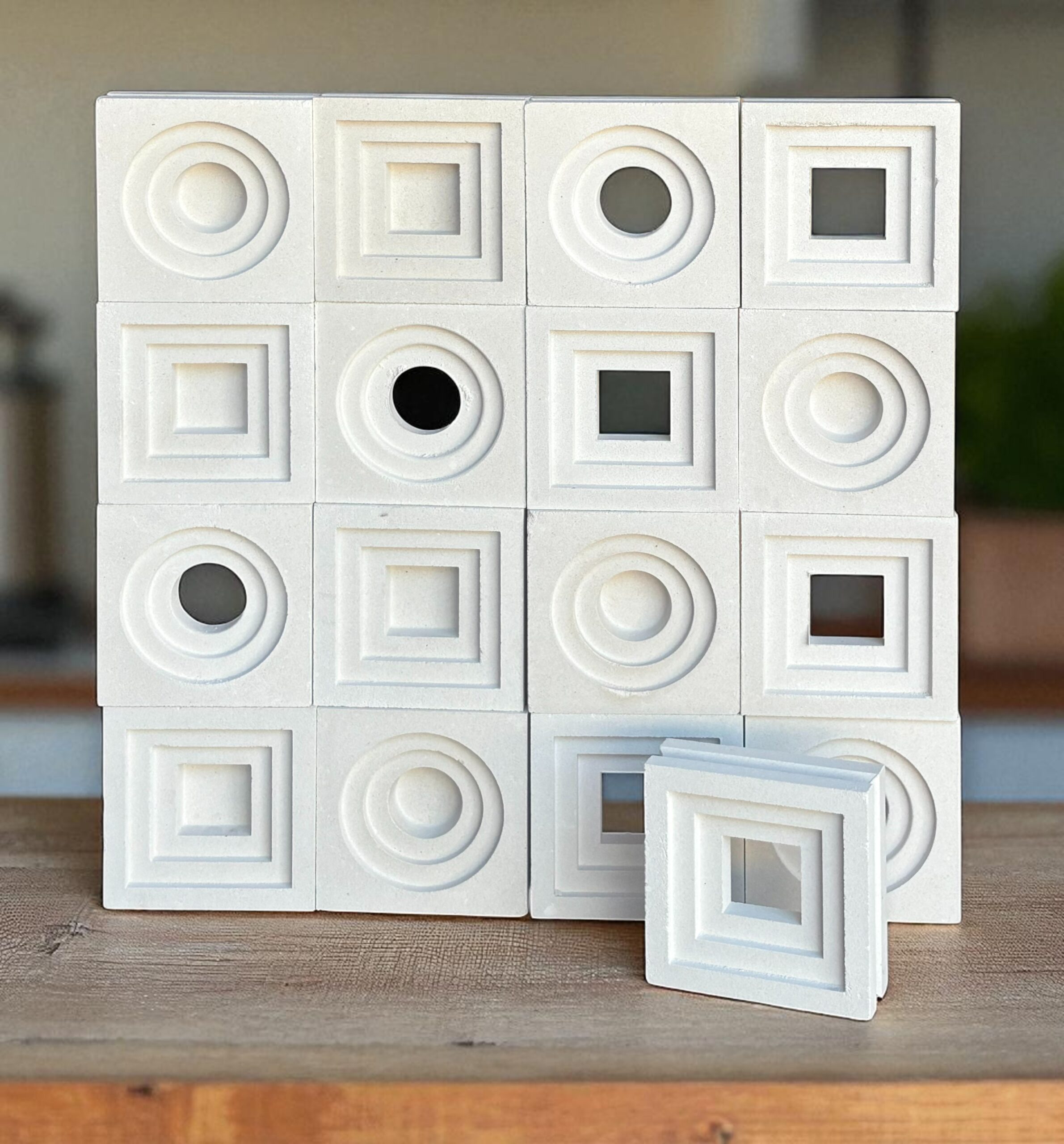
Designers often mix different block styles to create something entirely unique. This can involve alternating patterns, rotating blocks, or combining solid and open sections for contrast.

The key is to maintain a sense of balance. Even when mixing patterns, there should be a cohesive thread that ties the design together.

This approach allows for creativity while still keeping the overall look intentional.
Material and Color Considerations

While the pattern is the star of the show, material and color play an important supporting role.

Traditional breeze blocks come in natural cement tones, which work well in a wide range of settings. However, they can also be customized with different finishes or colors to better match a specific design palette.

Lighter shades tend to highlight the pattern and reflect more light, making them ideal for bright, airy spaces. Darker tones create a more dramatic effect, emphasizing shadows and depth.

The material itself also contributes to the overall feel. High-quality cement ensures durability while maintaining the crispness of the pattern.
The Ultimate Guide to Breeze Block Patterns

Designing With Light and Shadow

One of the most unique qualities of breeze block patterns is how they interact with light. As sunlight passes through the openings, it casts intricate shadows that shift throughout the day.

This dynamic quality adds a layer of movement to otherwise static surfaces. It’s a subtle effect, but one that can completely transform the atmosphere of a space.

When planning your design, consider how the blocks will be positioned in relation to natural light. The orientation can influence both the intensity and direction of the shadows.

This is where ornamental cement blocks truly stand out, turning simple walls into ever-changing visual experiences.

Choosing the Right Pattern for Your Project

Selecting the right breeze block pattern comes down to understanding your space and your goals.

Think about the overall style you’re trying to achieve. A modern space might benefit from clean, geometric lines, while a more relaxed setting could call for softer, organic shapes.

Consider how the pattern will be used. Is it meant to be a focal point, or should it blend into the background? The answer will guide your choice in both pattern and scale.

It’s also important to think about functionality. Breeze blocks are as practical as they are beautiful, so make sure the design supports your needs for airflow, privacy, and light.

Understand Common Patterns

Breeze block patterns offer a rare combination of beauty and functionality. They allow you to shape light, define spaces, and add texture in a way that feels effortless.

Whether you’re designing a feature wall, an outdoor retreat, or a full architectural facade, these blocks provide endless possibilities. Their ability to adapt to different styles and settings makes them a lasting favorite in both residential and commercial design.

If you’re considering incorporating them into your next project, taking the time to explore different patterns and layouts will make all the difference.
Ways to Incorporate Cement Tile Backsplashes in Your Home

Backsplashes have become one of the most expressive surfaces in modern interiors. What was once a simple protective strip behind sinks and stoves is now an opportunity to introduce color, pattern, and personality into a room. Cement tiles, with their handcrafted character and bold design possibilities, are especially suited for this role.

Designers often turn to cement tile backsplashes when they want to create a focal point that feels artistic yet functional. The patterns can be subtle or dramatic, geometric or floral, traditional or contemporary. Because cement tiles are made using pigmented cement rather than surface glazes, the colors appear rich and naturally matte, adding depth that stands out against cabinetry, countertops, and appliances.

Whether you are updating a kitchen, refining a bathroom, or designing a stylish entertaining area, there are many ways to incorporate cement tile backsplashes in your home.

Create a Kitchen Focal Point

The kitchen is the most common place to install a cement tile backsplash, and for good reason. This space naturally benefits from visual interest because it often contains large expanses of cabinetry and countertops that can otherwise feel uniform.

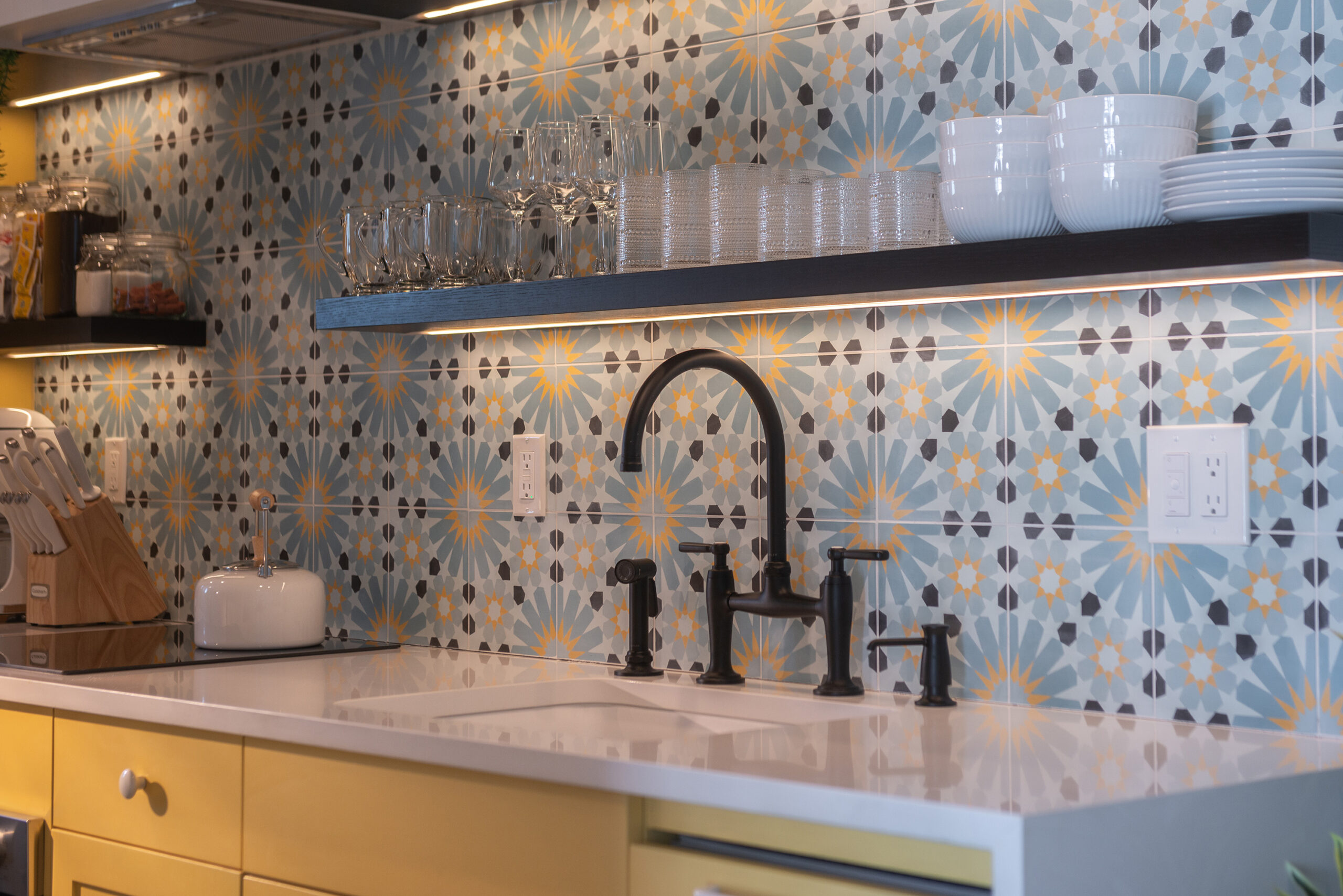
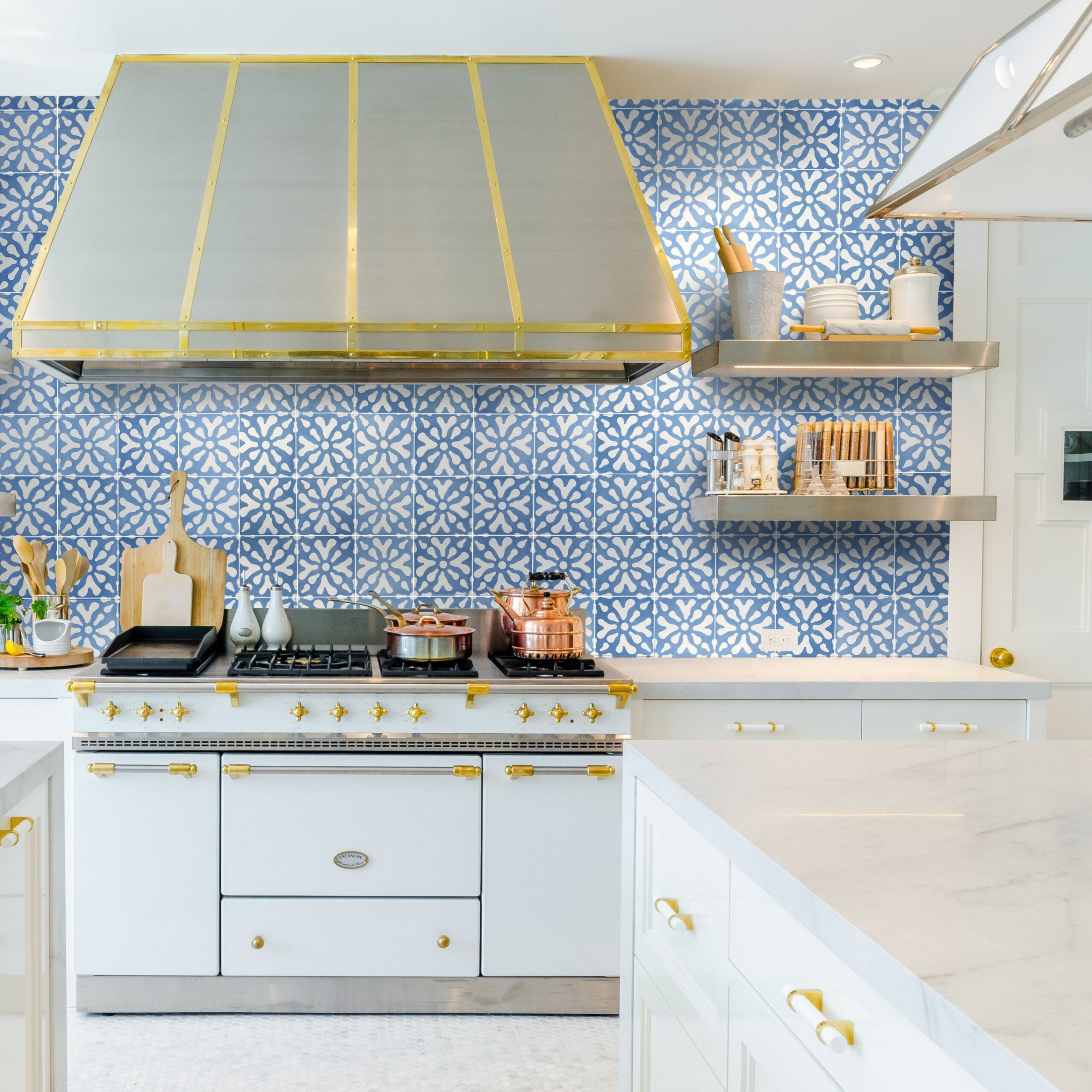
A patterned cement tile backsplash can instantly break up that monotony. Behind the stove or across the entire wall, the tile becomes a statement piece that draws the eye. Designers often choose patterns that echo the kitchen’s overall color palette, tying together cabinet finishes, hardware, and countertop materials.

Another appealing aspect of cement tiles in kitchens is their handcrafted look. The slight variations in tone and pattern give the backsplash a sense of authenticity that pairs beautifully with both modern and traditional kitchens. From minimalist spaces with sleek cabinetry to farmhouse kitchens with warm wood accents, cement tile backsplashes bring an artistic quality that feels intentional and distinctive.

Add Character to Bathroom Walls

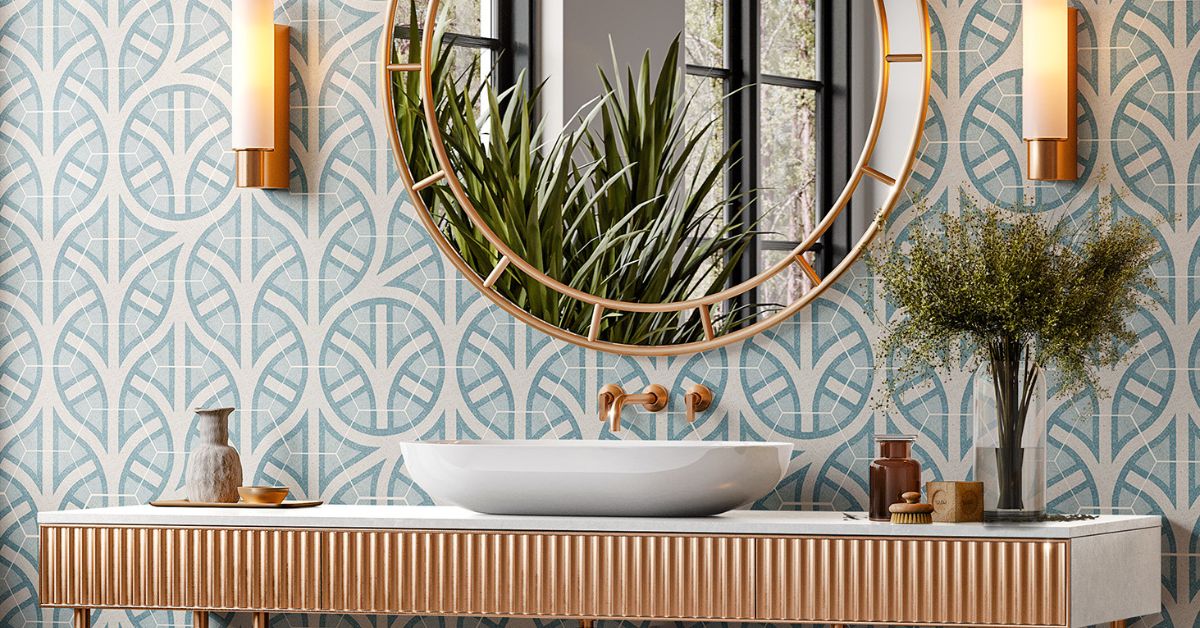
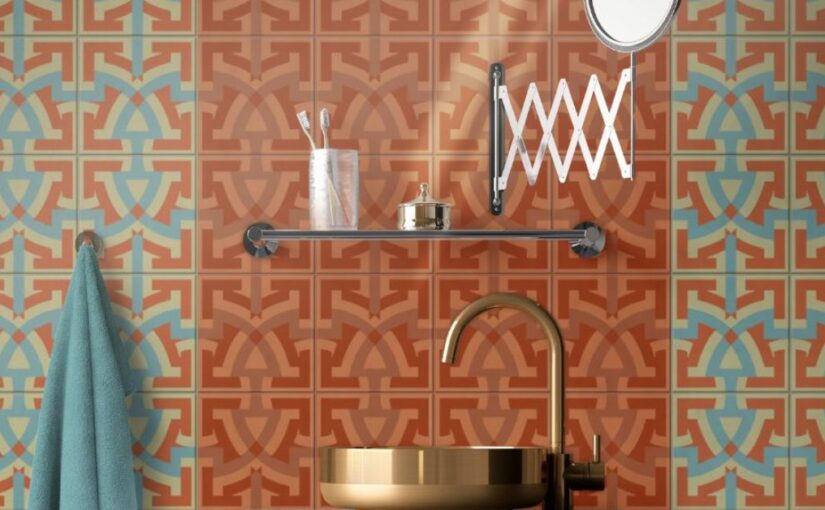
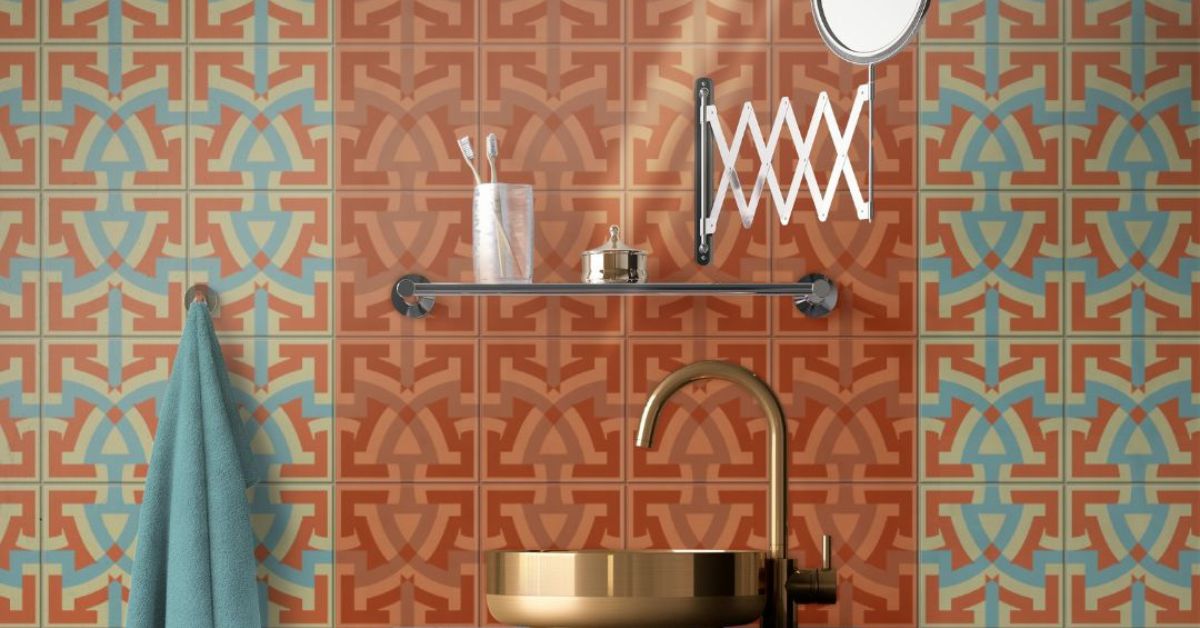
Bathrooms may be smaller than kitchens, but they offer just as many opportunities for creative backsplash design. A cement tile backsplash behind a vanity can elevate the entire room, transforming an ordinary sink area into a visually engaging feature.

Because bathroom backsplashes typically occupy a smaller area, designers sometimes choose more intricate patterns that might feel overwhelming in larger spaces. Detailed motifs, Moroccan-inspired designs, and bold geometric arrangements can add richness without overpowering the room.

Modern cement tiles also complement a wide variety of bathroom styles. In contemporary bathrooms, black-and-white patterns create a crisp, graphic effect. In more relaxed or spa-like spaces, soft colors and organic shapes bring warmth and texture. By selecting the right pattern and palette, the backsplash can enhance the mood of the entire bathroom.

Ways to Incorporate Cement Tile Backsplashes in Your Home

Frame Open Shelving with Pattern

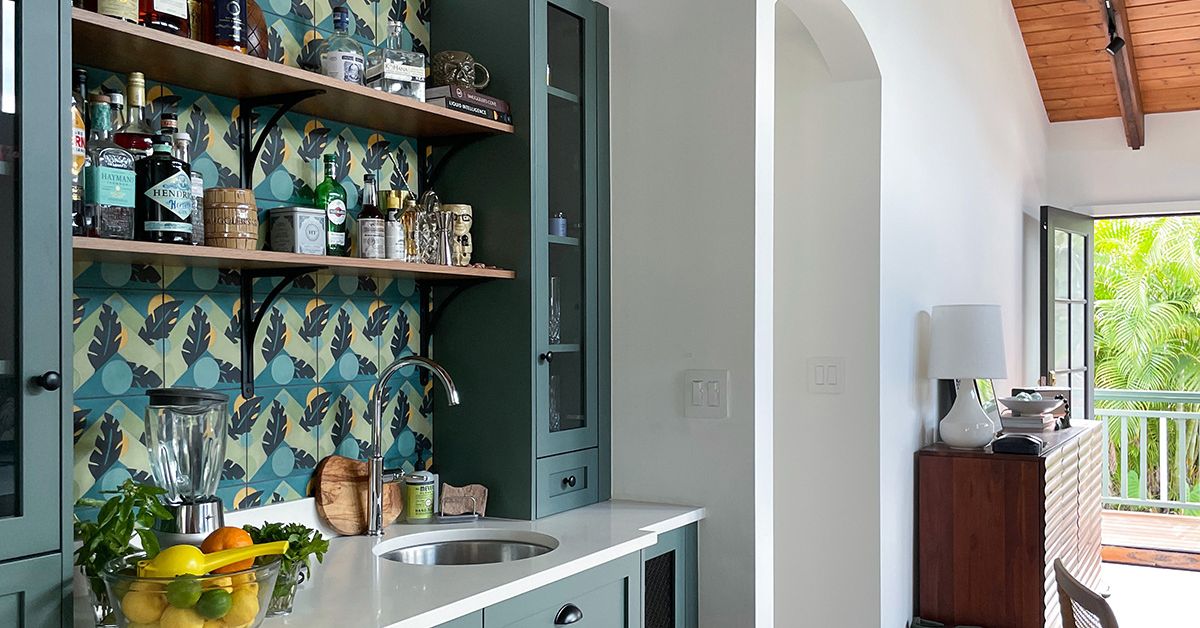
Open shelving has become a popular alternative to upper cabinets, particularly in kitchens where homeowners want a lighter, more spacious look. Cement tile backsplashes work especially well in these settings because the pattern remains visible behind the shelves.

Instead of hiding the tile behind cabinets, open shelving allows the backsplash to function as a decorative backdrop. The pattern peeks through between dishes, glassware, and cookware, creating a layered visual effect that feels curated and dynamic.

Designers often coordinate the tile pattern with the materials used in the shelving itself. For example, warm wood shelves paired with earthy-toned cement tiles can create a welcoming and organic feel. Meanwhile, metal brackets and monochrome patterns can give the space a more modern edge.

Extend the Backsplash to the Ceiling

One of the most dramatic ways to incorporate cement tiles is by extending the backsplash all the way to the ceiling. This approach turns the backsplash into a full accent wall, making the tile pattern the star of the room.

In kitchens, a ceiling-height backsplash behind the range or sink can create a striking vertical element. The pattern naturally draws the eye upward, adding depth and dimension to the space. It also emphasizes architectural features such as range hoods or floating shelves.

This technique works particularly well with bold patterns or repeating geometric designs. Because cement tiles are handcrafted and richly pigmented, the extended surface never feels flat or monotonous. Instead, it becomes a textured canvas that anchors the room’s design.

Design a Statement Behind the Stove

The area behind the stove often acts as the centerpiece of a kitchen backsplash. With cement tiles, this section can become a true design highlight.

Some homeowners choose to install a patterned tile panel directly behind the stove while using simpler tiles elsewhere. This creates a framed effect, almost like artwork embedded into the wall. The surrounding tiles act as a subtle border that allows the central design to stand out.

Others prefer to continue the same pattern across the entire backsplash for a cohesive appearance. Either approach can be effective, depending on the overall design goals of the kitchen. In both cases, the stove area becomes a natural focal point that elevates the room’s visual appeal.

Use Subtle Patterns for a Soft Look

Not every cement tile backsplash needs to be bold or highly graphic. Many designs feature soft, understated patterns that create texture rather than dramatic contrast.

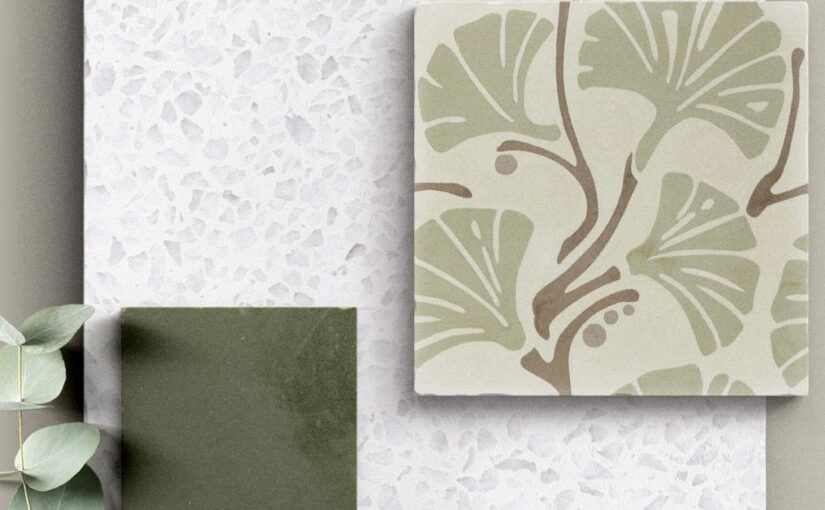
These subtle patterns are ideal for homeowners who appreciate the artisanal quality of cement tiles but prefer a quieter aesthetic. Light tonal variations, delicate motifs, and muted color combinations can add visual depth without overwhelming the space.

In kitchens with natural wood cabinetry or stone countertops, these softer designs often feel especially harmonious. The overall effect is layered and inviting, with just enough pattern to keep the room interesting.

Bring Artistic Detail into Everyday Spaces

Perhaps the most compelling reason to incorporate cement tile backsplashes is the artistic dimension they bring into everyday living spaces. Unlike many mass-produced materials, cement tiles have a handcrafted quality that makes each installation feel unique.

This sense of artistry resonates with homeowners and designers alike. A backsplash that features intricate patterns and rich color becomes more than just a protective surface; it becomes part of the home’s visual story.

For interior designers working on residential or hospitality projects, cement tile backsplashes provide a way to introduce memorable details that clients will appreciate for years. The result is a space that feels carefully designed, expressive, and full of character.

Ways to Incorporate Cement Tile Backsplashes in Your Home

Enhance Your Interior Design

Cement tile backsplashes offer a rare combination of durability, creativity, and visual impact. Whether used in kitchens, bathrooms, coffee bars, or entertaining areas, they transform functional surfaces into design highlights.

By choosing patterns that complement the surrounding materials and extending the tile in thoughtful ways, homeowners and designers can create spaces that feel both timeless and distinctive. For those seeking a backsplash that adds personality and craftsmanship to a room, cement tiles remain one of the most compelling choices available.

Villa Lagoon Tile provides handcrafted cement tiles for residential and hospitality projects nationwide, helping designers and homeowners bring bold patterns and lasting quality into their spaces.

Surprising Facts You Didn’t Know About Cement Tile

Surprising Facts You Didn’t Know About Cement Tile

Cement tile has made a bold comeback in recent years, appearing in everything from trendy cafés to high-end kitchens and boutique hotels. While many people admire its vibrant patterns and matte finish, few truly understand the fascinating history and unique characteristics behind this timeless material.

Cement tile is far more than just a stylish surface. It carries craftsmanship, durability, and design flexibility that set it apart from many other flooring and wall options. If you’ve been looking to incorporate these tiles into your interior design, here are a few surprising facts you didn’t know about cement tiles that might inform your design choices.

Cement Tile Isn’t Fired in a Kiln

One of the most surprising facts about cement tile is that it is not fired like ceramic or porcelain tile. Instead of being baked in a kiln, cement tiles are cured at room temperature. They are made using a hydraulic press that compresses layers of cement mixture under high pressure.

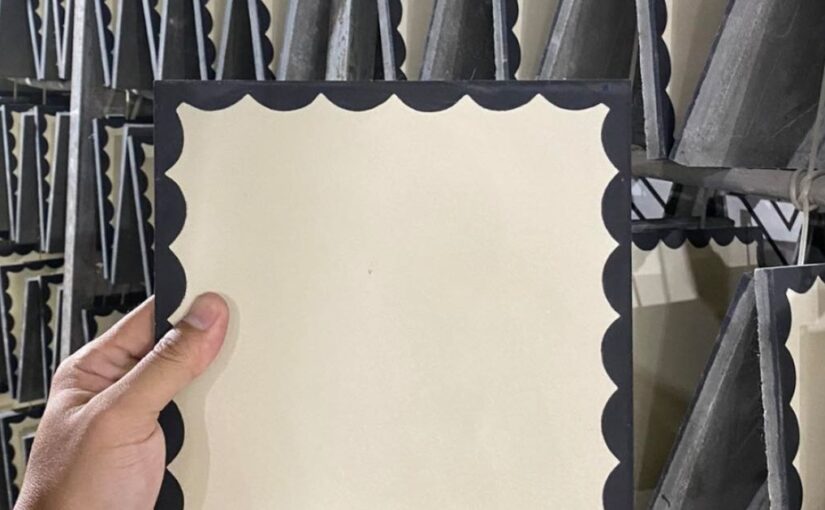
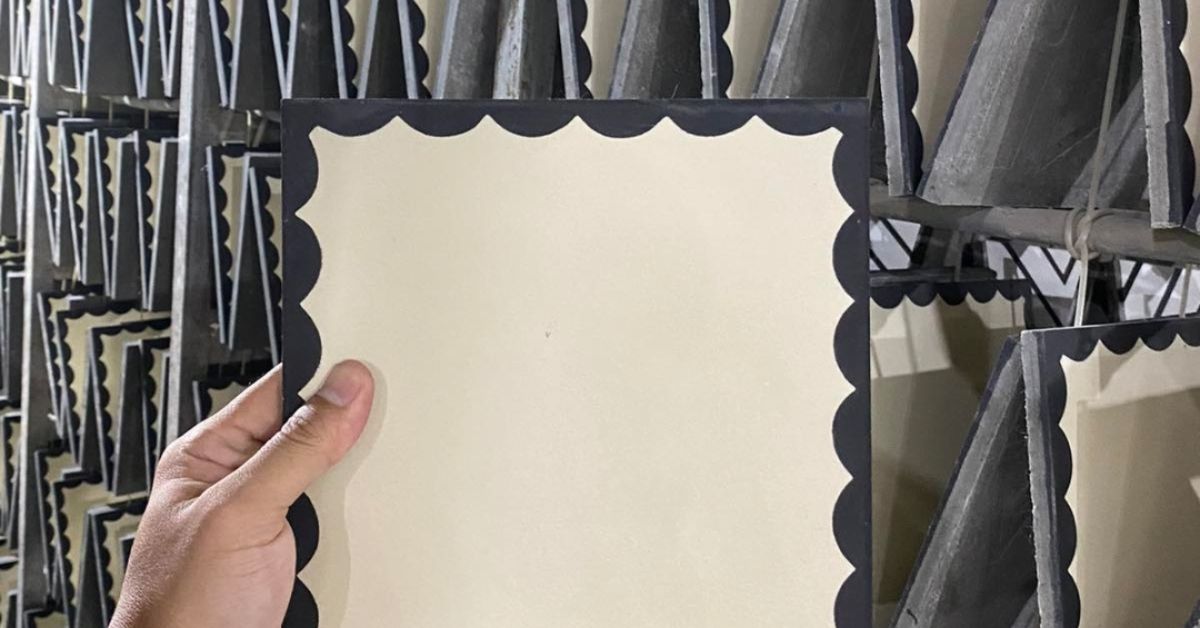
The process begins with a decorative mold that separates different pigment colors, and artisans carefully pour colored cement into the mold by hand, creating intricate patterns. A layer of dry cement and sand is then added behind the design layer for strength. Once pressed, the tile is removed from the mold and submerged in water to cure and harden naturally. This curing process gives cement tile its signature matte finish and rich depth of color. It also means each tile carries subtle variations that add to its character.

Every Tile Is Handmade

Unlike mass-produced ceramic tiles, authentic handmade cement tiles are crafted one by one. Skilled artisans pour pigments and assemble layers manually, making each tile slightly unique. This craftsmanship results in minor variations in color and pattern alignment, which are often considered part of the tile’s charm.

Because each tile is individually crafted, the production process is slower and more labor-intensive. This adds to the cost compared to standard tiles, but it also ensures a level of artistry that cannot be replicated through automation.

In many parts of the world, cement tile production remains a traditional craft passed down through generations. When you install cement tile, you are not just adding a design feature to your home; you are incorporating a piece of living history.

Cement Tile Has Been Around Since the 19th Century

Many homeowners assume cement tile is a modern trend, but its origins date back to the mid-1800s. It first gained popularity in Europe, particularly in France and Spain, before spreading to Latin America and beyond.

During the late 19th and early 20th centuries, cement tile was widely used in grand homes, public buildings, and historic properties. Its durability and decorative appeal made it ideal for entryways, corridors, and courtyards.

The recent resurgence of cement tile is less about reinvention and more about revival. Designers today are re-embracing a material that has already proven its staying power for more than a century.

Why Zellige Tile Is Perfect for Kitchen Floors

It Gets Better with Age

While many surfaces show wear over time, cement tile often becomes more beautiful as it ages. Because the color layer is thick and integral to the tile itself, it does not simply sit on the surface like a glaze. As the tile wears, it develops a soft patina that adds depth and character.

In older homes with original cement tile floors, you can often see how decades of use have enhanced the look rather than diminished it. Proper sealing and maintenance are important, but when cared for correctly, cement tile can last for generations. This aging process appeals to homeowners who appreciate materials that tell a story over time rather than looking factory-perfect forever.

It’s Surprisingly Durable

Some people assume that because cement tile is handmade and unglazed, it must be fragile. In reality, cement tile is incredibly strong. The hydraulic pressing process compacts the materials tightly, resulting in a dense and durable product.

Cement tile performs well in high-traffic areas like kitchens, hallways, and commercial spaces. It is thick and solid, typically around five-eighths of an inch, which adds to its strength. While it can be more porous than glazed tile, proper sealing protects it from stains and moisture. Its durability is one reason you still find original cement tile floors in historic buildings that have stood for over a hundred years.

It’s Not Just for Floors

Many people associate cement tile primarily with flooring, but it is equally striking on walls. Designers frequently use cement tile for backsplashes, shower surrounds, fireplace facades, and accent walls.

Because of its bold patterns and colors, cement tile can serve as a focal point in a space. A patterned kitchen backsplash or statement bathroom wall can transform an otherwise simple room into a visually dynamic environment.

The versatility of cement tile makes it suitable for both residential and commercial applications. From retail spaces to restaurants, it brings texture and personality wherever it is installed.

The Colors Are Made from Natural Pigments

Another surprising fact about cement tile is that its colors often come from natural mineral pigments. These pigments are mixed directly into the cement layer that forms the decorative surface.

This method gives cement tile its rich, earthy tones and depth of color. Because the pigment is part of the tile rather than a surface glaze, it does not peel or chip away in the same way glazed finishes can.

The use of mineral-based pigments also contributes to the tile’s timeless appearance. Many of the most popular designs feature classic color palettes that complement both traditional and modern interiors.

It Requires Proper Sealing

Cement tile’s porous nature means it requires sealing before and after installation. While this may seem like a drawback, it is simply part of maintaining a natural material. Sealing protects the tile from stains, moisture, and everyday wear.

With the right sealant and routine maintenance, cement tile can perform beautifully in kitchens and bathrooms. Understanding this characteristic is important for homeowners. When properly cared for, cement tile remains resilient and visually stunning for decades.

Surprising Facts You Didn’t Know About Cement Tile

It Offers Endless Customization

Cement tile provides nearly limitless design possibilities. Because the patterns are created using removable molds, manufacturers can produce a wide range of geometric, floral, and contemporary designs. Homeowners and designers can even create custom patterns and color combinations to suit specific projects.

This flexibility makes cement tile a favorite for those who want a truly unique space. From bold, graphic motifs to subtle, monochromatic designs, cement tile can complement almost any aesthetic. Whether you are aiming for Mediterranean charm, modern minimalism, or vintage elegance, cement tile adapts beautifully.

A Timeless Statement Material

Cement tile is more than a decorative surface. It represents craftsmanship, heritage, and thoughtful design. Its handmade production, natural pigments, and curing process set it apart from mass-produced alternatives.

The next time you see a patterned cement tile floor or backsplash, you might look at it differently. Behind each tile lies a careful process, skilled hands, and a history that stretches back over a century.

In a world of fast manufacturing and fleeting trends, cement tile stands as a reminder that some materials endure not just because they are beautiful, but because they are built to last.

What To Know Before You Buy: Cement Tile Sourcing Guide

What To Know Before You Buy: Cement Tile Sourcing Guide

Cement tiles, known for their vibrant colors, striking patterns, and durable nature, are a popular choice for home and commercial spaces. Whether you’re planning a kitchen backsplash, a bathroom floor, or a feature wall, these tiles can transform any space into a work of art. However, sourcing cement tiles is not as simple as picking the design you like. It involves careful consideration of quality, production processes, and installation requirements. If you’re new to the world of cement tiles, be aware of what to know before you buy, and have a cement tile sourcing guide to help you along the way so that you can make the most informed purchases possible.

Continue reading What To Know Before You Buy: Cement Tile Sourcing Guide

Design Tips for Plain Cement Tile Projects

Design Tips for Plain Cement Tile Projects

When it comes to interior or exterior design, plain cement tiles are an often-overlooked yet versatile choice. Their minimalist aesthetic can bring an understated elegance to spaces, making them ideal for modern, industrial, or even rustic themes. However, truly showcasing their potential requires thoughtful planning and strategic design decisions. As you move through the planning phase, consider some design tips for plain cement tile projects and create a beautiful and functional look for your home.

Continue reading Design Tips for Plain Cement Tile Projects

What To Expect From Encaustic Concrete Tiles in Modern Homes

What To Expect From Encaustic Concrete Tiles in Modern Homes

Bold patterns, rich colors, and an unmistakable artistic flair make encaustic concrete tiles showstoppers in modern homes. They can transform a plain kitchen backsplash into a striking focal point or turn a bathroom floor into a small masterpiece of color and texture. But what makes these tiles so appealing beyond their good looks? And how do they hold up to the demands of everyday life?

When considering encaustic concrete tiles, it’s natural to wonder about their durability, maintenance, and practicality in real-world settings. Do they truly stand the test of time, or do those stunning patterns come with strings attached? Luckily, these tiles are as much about substance as they are about style, offering unique benefits that cater to both aesthetics and utility.

Let’s explore what you can expect when incorporating encaustic concrete tiles into your home. If you’re drawn to designs that marry tradition with a modern twist, these tiles might just be everything you’re looking for.

A Standout Design Element

The bold patterns and vibrant colors of encaustic tiles immediately command attention, transforming any room into an eye-catching design masterpiece. Kitchens feel more dynamic with a stunning backsplash, while a bathroom adorned with these tiles can feel like a boutique retreat.

What makes these tiles so special is the combination of heritage craftsmanship and contemporary design trends, which allows them to stand out in both classic and modern spaces. Unlike typical tiles, their patterns are deeply embedded rather than just painted on, meaning their intricate designs maintain their charm over time without fading.

Endless Style Options

Builders and designers love encaustic cement tiles for their limitless combinations of patterns, colors, and themes. Geometric designs add a fresh, modern touch, while floral-inspired patterns can bring an artisanal, vintage vibe. Thanks to their versatility, they fit seamlessly into different aesthetics, whether you’re aiming for a minimalist Scandinavian kitchen or an eclectic Mediterranean patio.

Adding to their appeal is the ability to customize them for the specific colors or patterns you’ve been dreaming of. If you want something that speaks to your creativity and reflects your personal style, these tiles absolutely deliver.

What To Expect From Encaustic Concrete Tiles in Modern Homes

Durability That Works for Everyday Living

Encaustic concrete tiles are built to last. They handle daily foot traffic with ease, making them perfect for hallways, entryways, and other high-traffic areas. Because their designs are embedded into the top layer of the tile, there’s no risk of wear making the patterns disappear.

This means they hold up beautifully over time, even in spaces like the kitchen where spills and splashes are part of everyday life. Like all materials, they do benefit from regular care to keep them looking their best, but the effort is minimal compared to many other surface types.

Maintenance that Doesn’t Overwhelm

Taking care of encaustic concrete tiles is surprisingly straightforward. Proper sealing after installation helps protect the surface from water and staining. Once sealed, day-to-day maintenance is easy, requiring just a quick sweep or a wipe with a damp cloth.

Specialty tile cleaners can help preserve the finish, especially in kitchens or bathrooms where grime and moisture are more common. The payoff is gorgeous tiles that stay vibrant and fresh without the need for hours of scrubbing. For those who love beauty without sacrificing too much time, encaustic tiles are a win-win.

Timeless Appeal With a Modern Edge

Despite their long history, encaustic concrete tiles feel completely at home in modern design. Their roots trace back to centuries-old European and Middle Eastern art, but today, they’re a celebrated choice in contemporary interiors. Their ability to bridge tradition and innovation makes them a standout feature for anyone wanting a home full of character yet undeniably current.

Whether mixed with sleek, minimalist materials or paired with rustic decor, they add an unexpected charm that feels timeless. This makes them an investment in style that won’t feel outdated 5, 10, or even 20 years down the line.

Versatility Across Spaces

While they are popular in kitchens and bathrooms, encaustic tiles’ versatility extends to living rooms, outdoor patios, and even staircases. Imagine greeting guests with a staircase lined with bold, geometric tiles or creating an inspiring nook in your home office with a patterned tile accent wall.

Outdoors, they stand up to the elements beautifully, making them ideal for garden paths or pool surrounds. They even work as small details, like coasters, tabletops, or decorative inserts in other flooring. There’s truly no limit to their potential!

A Green Choice for Eco-Conscious Homes

For homeowners prioritizing sustainable choices, encaustic concrete tiles often tick the right boxes. Made using natural materials like cement, sand, and natural pigments, they come with a smaller ecological footprint than many synthetic tile options. Their long-lasting durability means fewer replacements over time, further reducing waste.

By choosing handmade or locally crafted versions, you may also have the opportunity to support artisans and reduce the environmental impact of shipping. If creating an eco-friendly home aligns with your values, these tiles are a stylish and sustainable solution.

What To Expect From Encaustic Concrete Tiles in Modern Homes

A Cooling Effect During Hot Months

One unexpected benefit of encaustic concrete tiles is how naturally cool they feel underfoot. During warmer months, they help maintain a cooler environment, making them perfect for homes in hot climates.

Walking barefoot on them is comfortable and refreshing, especially in areas like the kitchen that heat up with cooking or any room flooded with sunlight. If keeping your home cool while reducing the reliance on air conditioning is a priority, encaustic tiles can make a noticeable difference in temperature while adding aesthetic appeal.

An Opportunity for Personalized Creativity

No two projects with these concrete tiles need to look the same. Encaustic tiles offer you the opportunity to truly transform your space into something personal and unique. Collaborating with artisans allows for designs tailored exactly to your vision.

Even pre-designed options can be arranged in creative ways, like mixing patterns or alternating solid and printed tiles for a look that’s entirely yours. Whether you’re after subtle and understated or bold and vibrant, encaustic tiles can reflect your personality through every detail.

Wrapping It Up

What can you expect from encaustic concrete tiles in your home? They’re an opportunity to tell a story, create a mood, and infuse personality into your space. Every piece has its own character, blending artistry with practicality in a way that’s hard to find in other materials. They invite you to think beyond the ordinary, to look at your floors, walls, and outdoor areas as blank canvases waiting for your creative touch.

Perhaps the most exciting part of working with these tiles is the sense of individuality they bring. No two spaces need to look alike, and the endless combinations of patterns, colors, and applications mean your home can truly reflect your taste and values. They feel like a conversation piece, a nod to craftsmanship, and a bold design choice all rolled into one.

Common Mistakes To Avoid When Installing Cement Tiles

Common Mistakes To Avoid When Installing Cement Tiles

Cement tiles can elevate the style of any space with their timeless charm and bold patterns. They’re a fantastic choice for anyone looking to add character and personality to a room. However, getting the installation process right is just as important as picking the perfect design. Rushing into the project without proper preparation or knowledge can lead to frustrating, costly mistakes.

Continue reading Common Mistakes To Avoid When Installing Cement Tiles

Why Handmade Cement Tiles Add Authenticity to Interior Design

Why Handmade Cement Tiles Add Authenticity to Interior Design

Crafting a space that truly feels like home often comes down to the details. The textures you choose, the materials underfoot, and the visual rhythm of a room all play a role in telling a story. Handmade cement tiles represent a true connection to skilled craftsmanship, rich heritage, and genuine character. Each tile carries the imprint of the artisan who shaped it, offering a unique blend of so-called “imperfections” and beauty that simply can’t be replicated by mass-produced options.

Continue reading Why Handmade Cement Tiles Add Authenticity to Interior Design

Always on Trend: Black and White Cement Tile

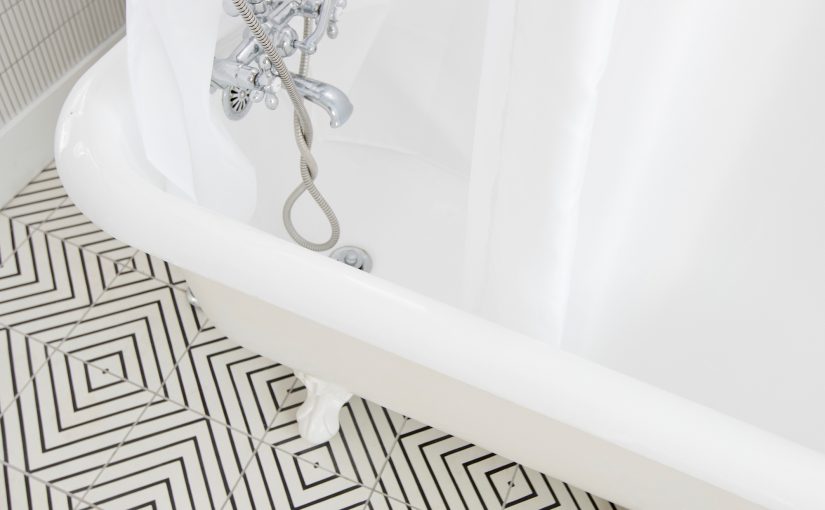
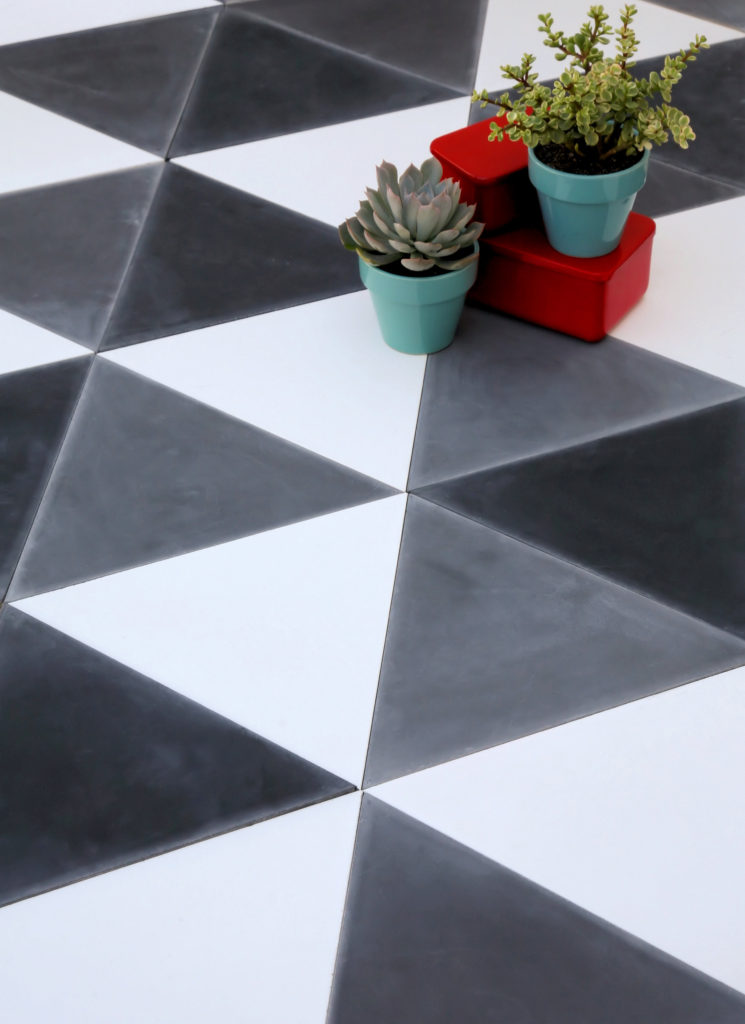
Black and white tile patterns are both classic and contemporary–basically the very definition of timeless design. This seemingly simple color combo is elevated by how deep you can make your design statement, whether you choose a bold geometric look or an elegant, intricate pattern. 

Handcrafted cement tiles change up this vintage tile style with a matte finish that has depth and character, such you see in our with a Troika pattern below.

What is Cement Tile?

Cement tile is made from a centuries-old process, using marble and cement along with natural mineral pigments. We like to say cement tiles deliver emotion through texture rather than the flat printed-on color of ceramic tile. 

Cement tiles are not fired but are created sustainably through intense pressure from a mechanical hydraulic press and then cured naturally like structural concrete.  Cement tiles are so durable they can even be used in high-traffic commercial spaces like restaurants and hotels.

Similar to natural stone, each handcrafted cement tile is unique with slight color variations, the sign of an artisan-made product. Cement tiles come in many different shapes from square to hexagon to fishscale to rectangles.  

Whether it is creating a tile bathroom floor to a kitchen backsplash wall, there are endless possibilities when it comes to using black and white cement tile.

How is Cement Tile Different from Ceramic Tile?

Cement tile is a handmade artisan product, whereas ceramic tile is mass-produced with designs printed on the surface. In addition, they are entirely different materials, which means some tile contractors are not experienced with cement tiles. 

As previously mentioned, cement tiles are more similar to natural stone than ceramic tiles. Sealing and maintenance requirements are similar. 

Learn more about the difference between cement tile and porcelain tile in this video by Adam Esparza of ALE Tile.

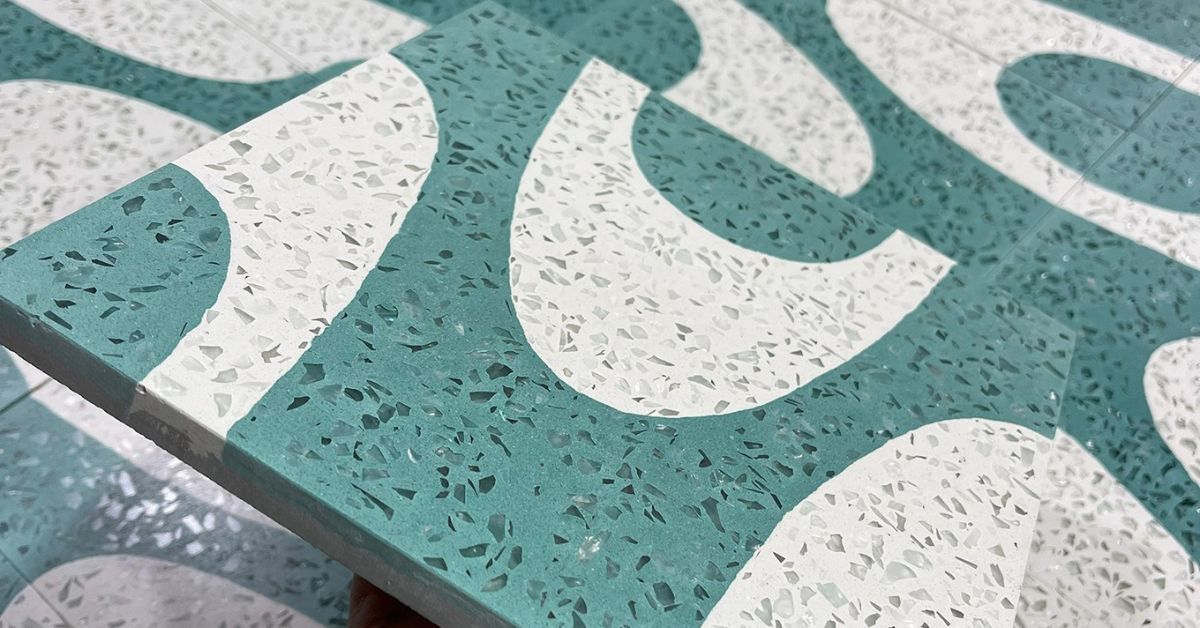
What is Black and White Terrazzo Tile?

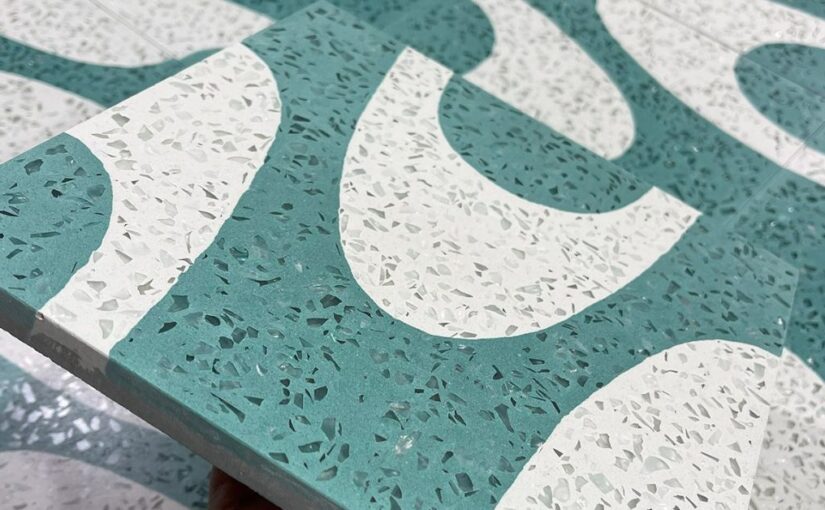
Terrazzo tile is a type of cement tile enhanced by adding marble chips, or other materials, then grinding down the color layer to expose them. 

Individual tiles may be black chips set in white cement, white chips set in black cement, or the cement and marble chips in the same color, creating a dimensional sheen to the tile.  

What Era is Black and White Tile From?

Black and white tile is a timeless look, but there are periods in history, such as the Victorian era and the 1920s, that are most associated with this color combination.

Today in the 2020s, the twist on this color combination tile is creating unique and unexpected patterns in fun shapes. The rustic matte look of cement tile in solid black and solid white is a good choice for farmhouse and cottage core decor. 

Creating a Black and White Geometric Tile Look

This color combination lends itself particularly well to patterns of tiles, including mixing and matching to create unique borders, which is a classic use of cement tile. 

We recommend planning your pattern in advance, either inspired by the classic looks or working with a professional designer to conceptualize a fresh new take. Let these pictures below inspire you.

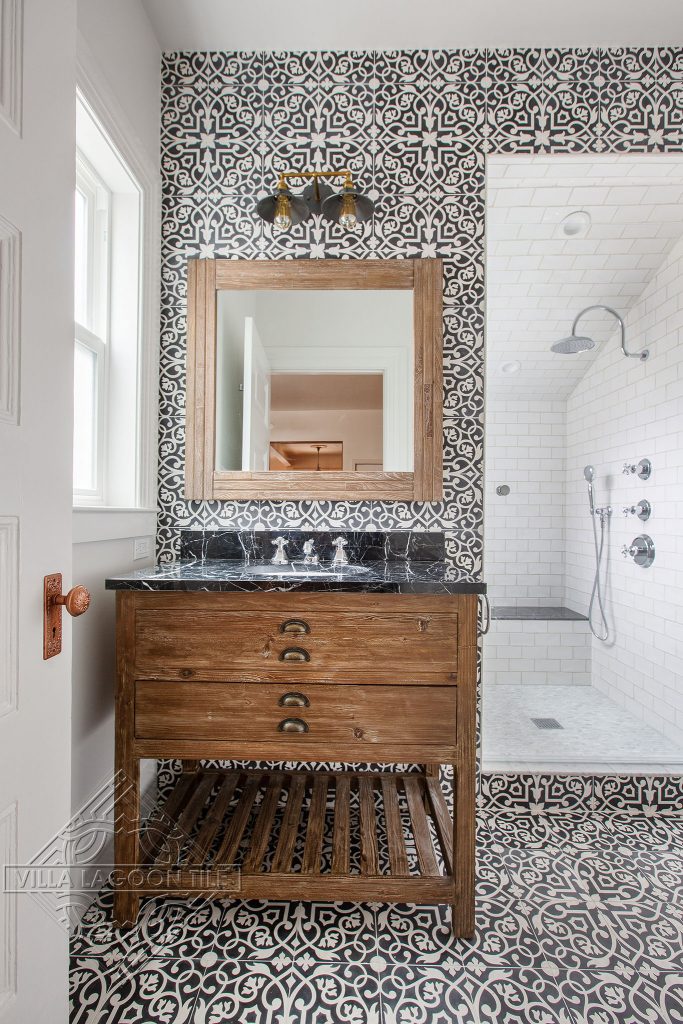
Our Gypsy Black & White pattern is one of our original and most popular in-stock options that takes the classic appeal of black and white tile for the bathroom and offers a fresh new look for floor and wall tile.

Balanced black and white floral vine cement tile floor and wall
“Gypsy Black & White” Cement Tile Bathroom Floor and Wall, designed by Centoni Restoration and Development

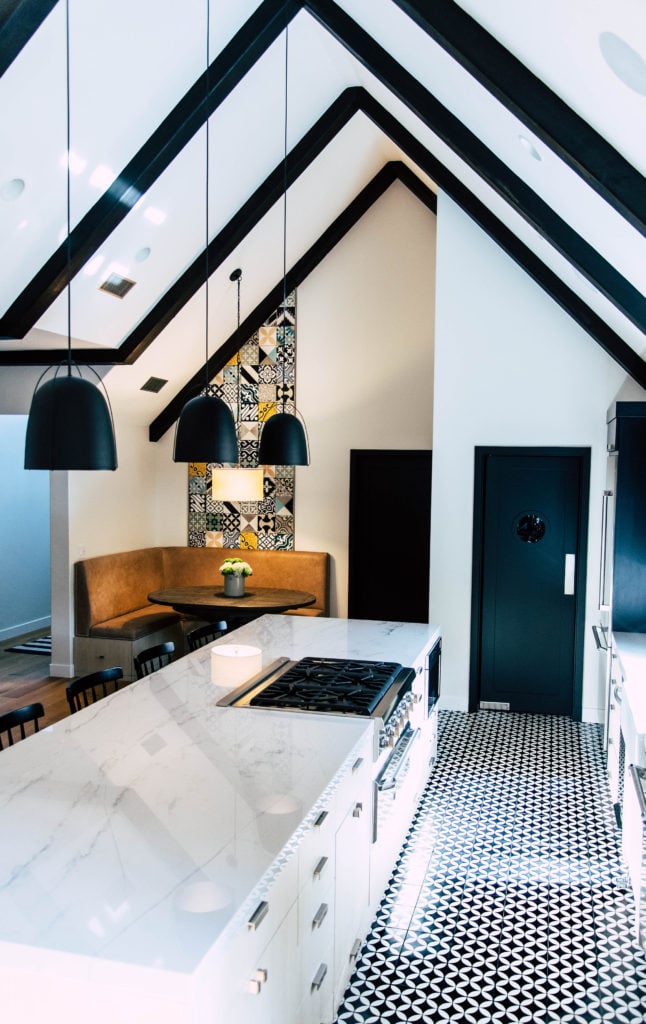
Another popular way to use black and white tiles is in a lattice pattern, giving tile flooring in any space a fresh, clean, and elegant look. Shown below is our Circulos Black and White Evening.

“Circulos Black & White Evening” Cement Tile Floor and Custom Patchwork Wall, Design by Nicole Chaves Design, Photo by Vivienne Tyler Photography

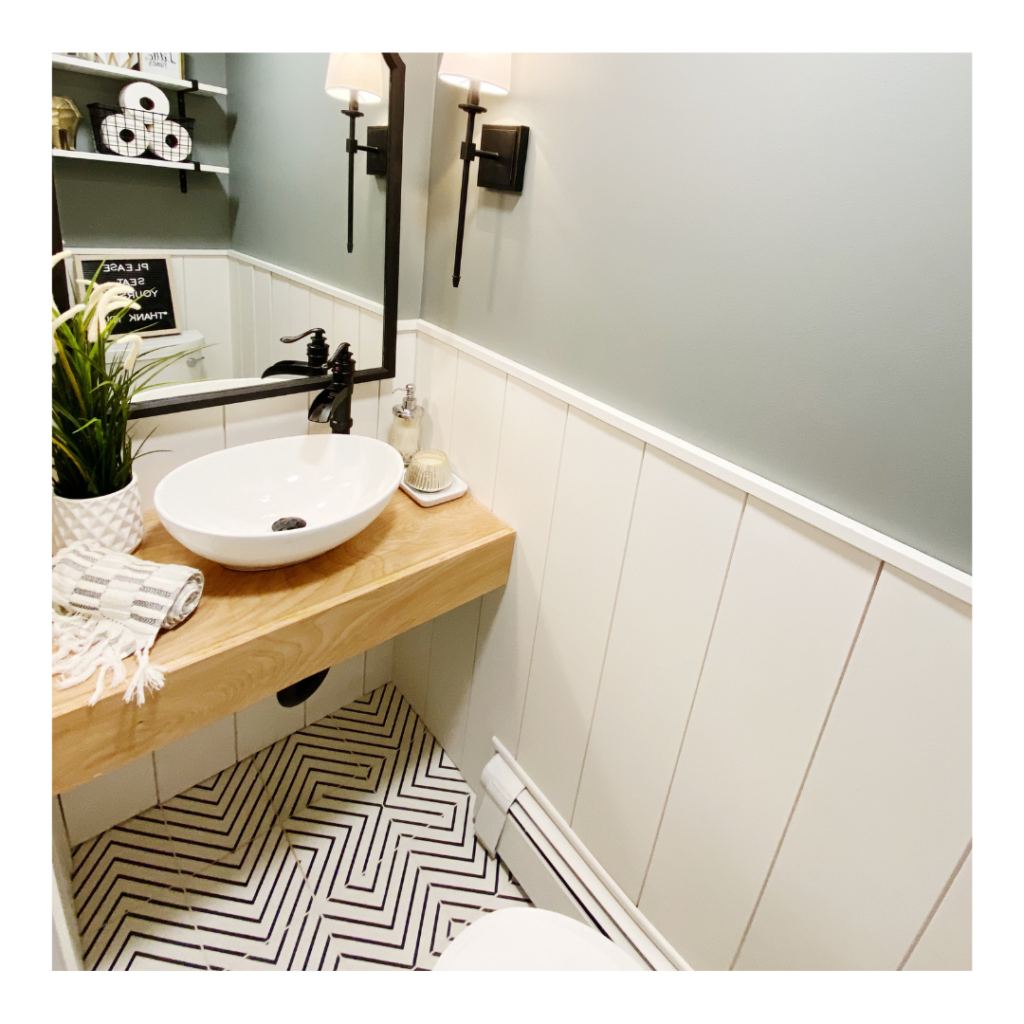
When it comes to using black and white bathroom tiles, a fresh new take is to use them is in unexpected patterns. 

“Labyrinth B&W Morning” Cement Tile Floor

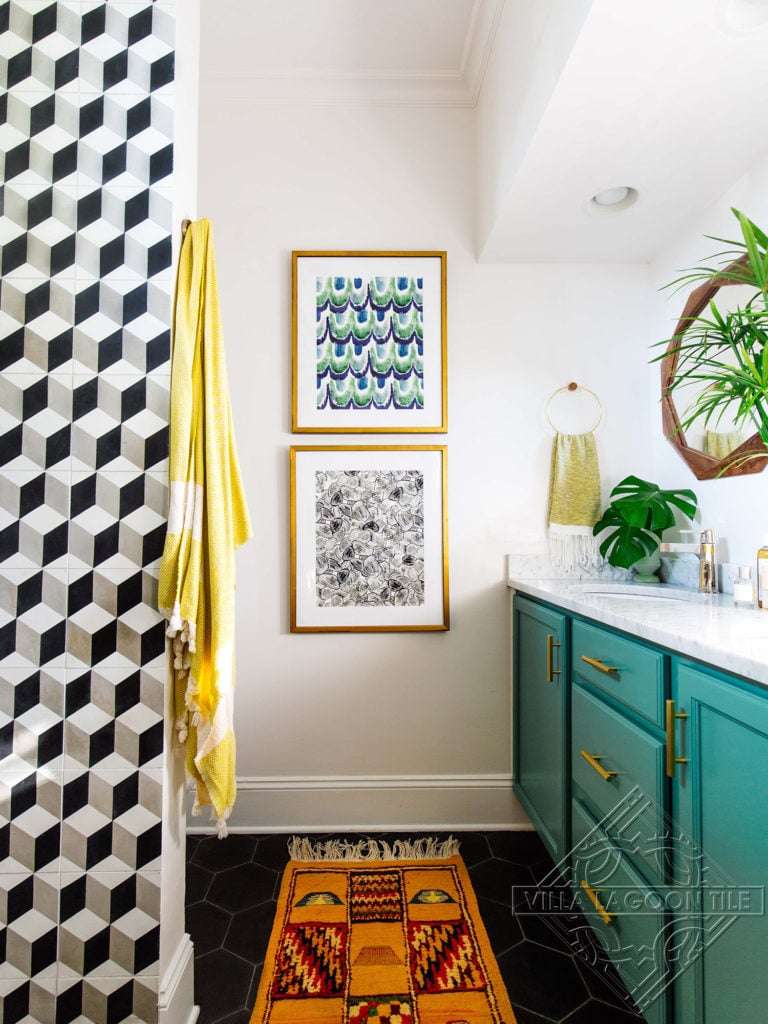
A black and white checkerboard pattern is classic, but this seemingly simple color combo is elevated by the depth and character that cement tile brings. Just look at our bold, graphic Cubes A Sencillo in this bathroom designed by Dabito, Founder & Creative Director Of Old Brand New. It makes QUITE the statement!

Solid Black Hexagonal Cement Tile Floor and “Cubes A Sencillo” Cement Tile Wall, designed by Dabito from Old Brand New

Can You Use Cement Tiles in a Shower?

Yes, cement tiles can be used in all areas where natural stone is used. Learn more about sealing cement tiles.

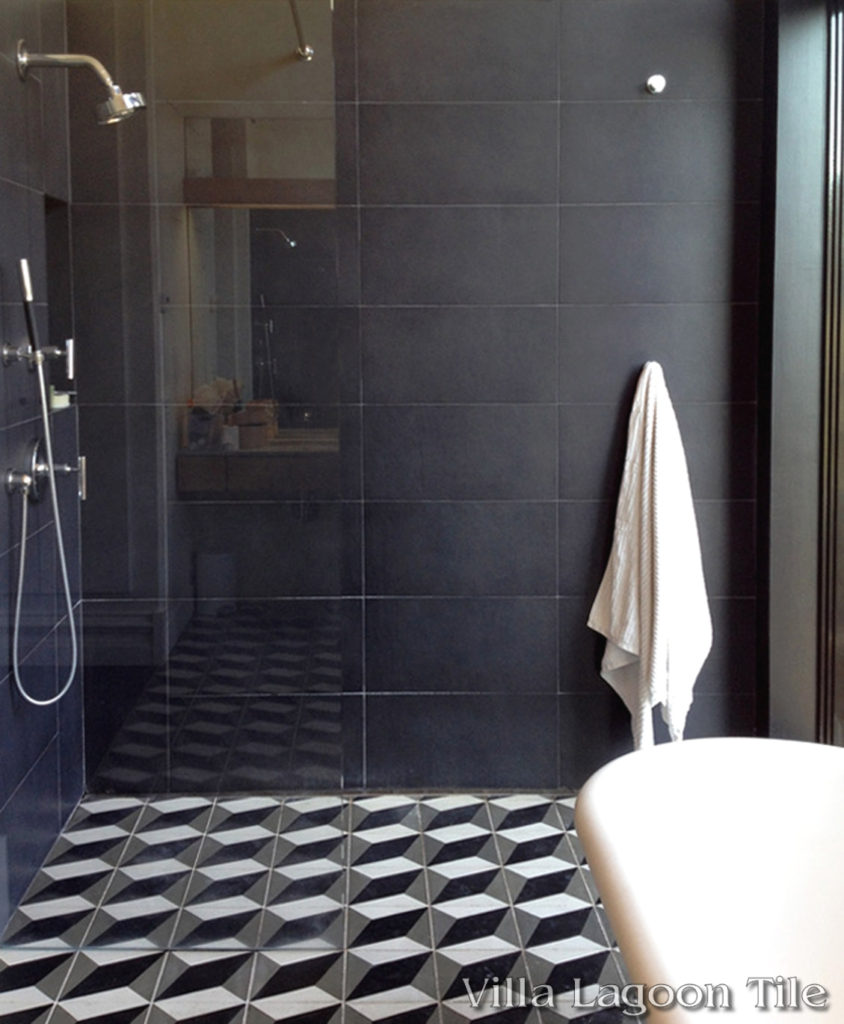
This installation is a prime example, with our Large Cubes Excalibur paired with natural stone in this dramatic shower.

Designing with black and white tiles can be a great way to add style and interest to your home or business. Whether it’s a checkerboard look or mixing and matching colors and shapes, Villa Lagoon Tile cement tiles are perfect for making a statement indoors or outdoors. With so many possibilities, there’s sure to be a look that will fit your needs and style. 

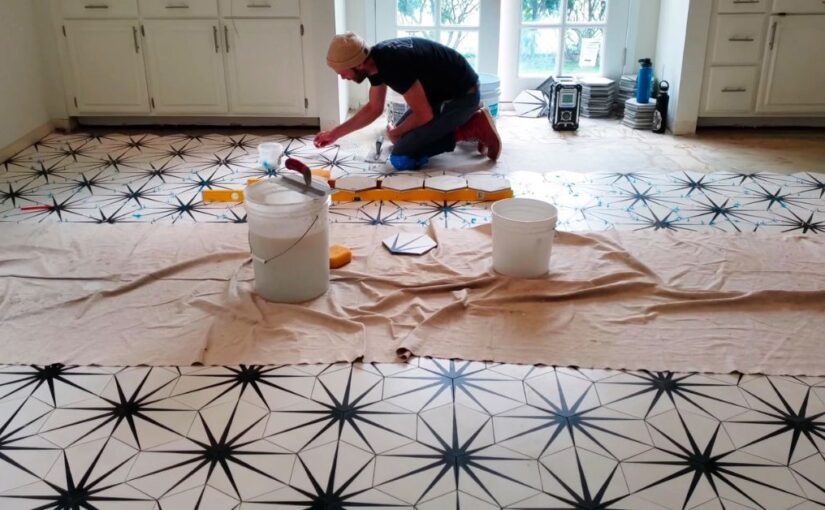
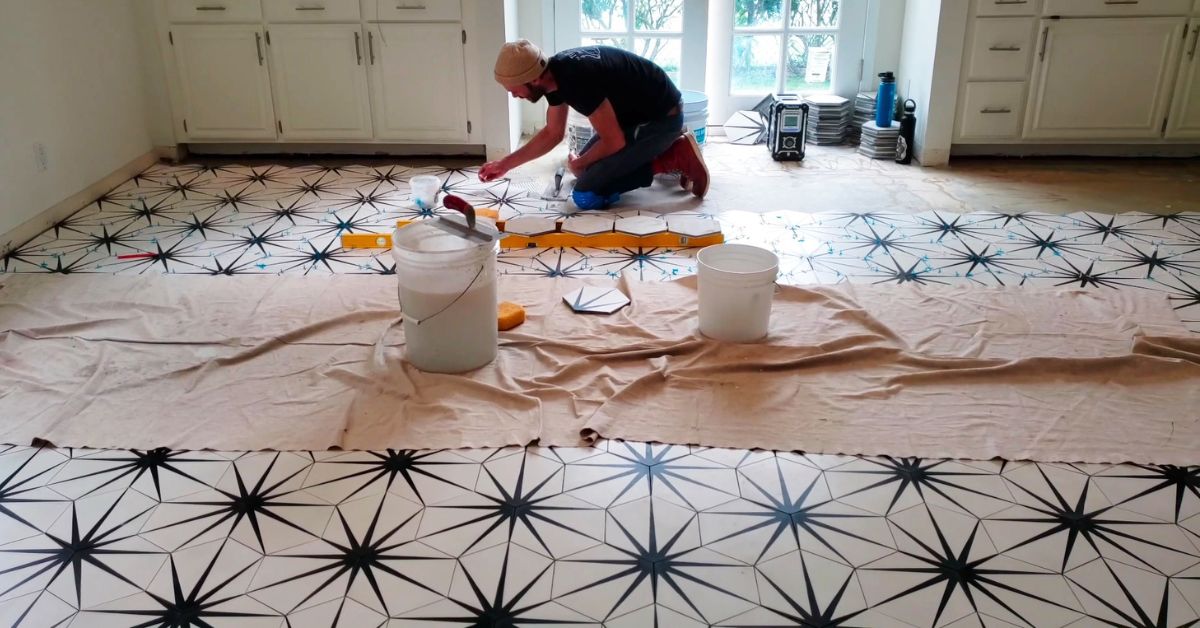
Learn more about how your cement tile will be installed.

In-Stock and On Budget

Villa Lagoon Tile in-stock black and white cement tile ships within two business days, with 2-5 business days transit to most of the continental US. Handcrafted one at a time by our skilled artisans, our black and white cement tile patterns start at just $3.99 per piece or $9.27 per square foot.

Cement Tile on a Budget

The Essentials Collection is a curated selection of Villa Lagoon Tile’s most universal and basic cement tiles. Handcrafted one at a time by our skilled artisans and in-stock for under $4.00 per piece, you can easily stay on trend and on budget!

Enjoy Your Outdoor Space All Year Long with this Backyard Remodel ‘How-To’

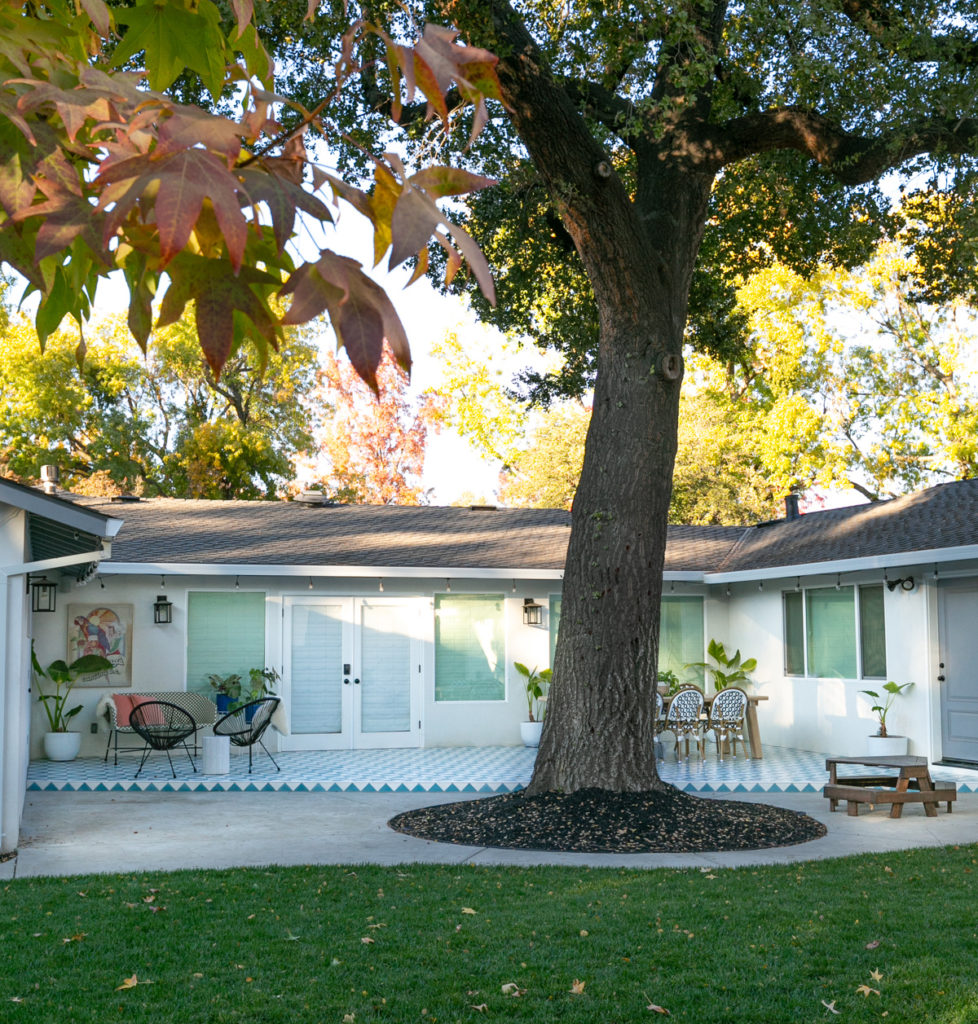
Our backyard has become an extension of our home living routine and we’re spending more time living and entertaining on our decks and patios. As we head into the colder weather months, interest is increasing in extending outdoor living because it is a safer option. It’s no wonder that backyard home improvement projects are surging. 

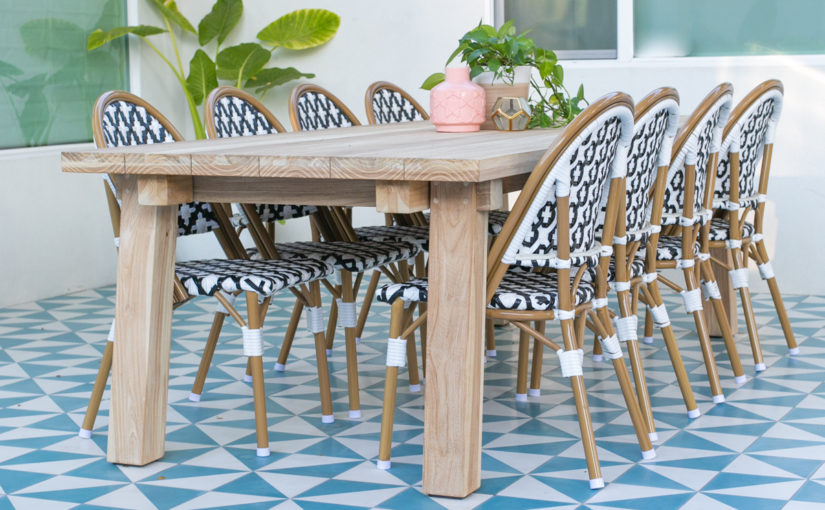
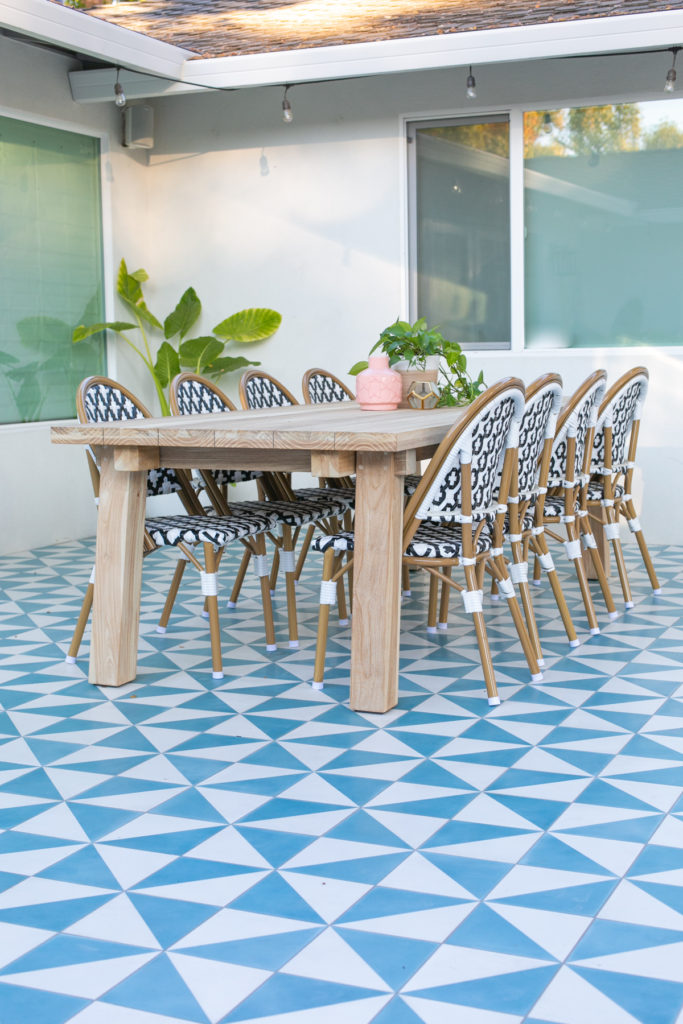
So, when Chelsea Foy from Lovely Indeed shared her gorgeous backyard patio remodel reveal and installation ‘how-to,’ we thought the timing couldn’t be more perfect! If you’re thinking of installing cement tile into your outdoor living space, Chelsea perfectly captures the process and experience here

Because cement tile is more like natural stone than other types of tile, it’s important to use sealant before grouting to keep the grout from staining or adhering to the face of the tile. As Chelsea points out in her blog, understanding the right sealant to use is also critical so that the cement tile absorbs minimal staining and retains the color as much as possible. To learn more about the type of sealant you will need, you can download our guide here.

And, we’re always here to help — whether it’s for design inspiration or help to choose tiles for your outdoor (or indoor!) space. Please contact us at [email protected].