Modern interiors often embrace clean lines, open layouts, and streamlined furnishings, but many homeowners and designers find themselves searching for ways to add warmth and personality to these spaces. One of the most effective ways to achieve that balance is through the thoughtful use of tile. Vintage-inspired designs bring a sense of history and craftsmanship into contemporary homes without making them feel outdated.
The beauty of vintage-inspired tile ideas for modern living spaces lies in their ability to bridge different eras. Classic patterns, aged finishes, and artisanal details create visual interest while still complementing modern architecture. Whether incorporated into a kitchen, bathroom, entryway, or living area, vintage-inspired tile can transform a room from simple to memorable.
Why Vintage Style Works in Contemporary Homes
Vintage design elements continue to resonate because they offer something many modern spaces lack: character. While contemporary interiors often focus on simplicity, vintage-inspired details introduce texture, depth, and storytelling.
Tile is particularly effective because it serves both a functional and decorative purpose. Historic tile patterns have survived for generations because they are visually appealing and adaptable. When paired with modern furnishings, these classic designs create contrast that feels intentional rather than overwhelming.
Many designers use vintage-inspired tile as a focal point, allowing the rest of the room to remain clean and understated. This approach creates a balanced aesthetic that feels fresh while honoring traditional influences.
Patterned Cement Tiles with Historic Appeal
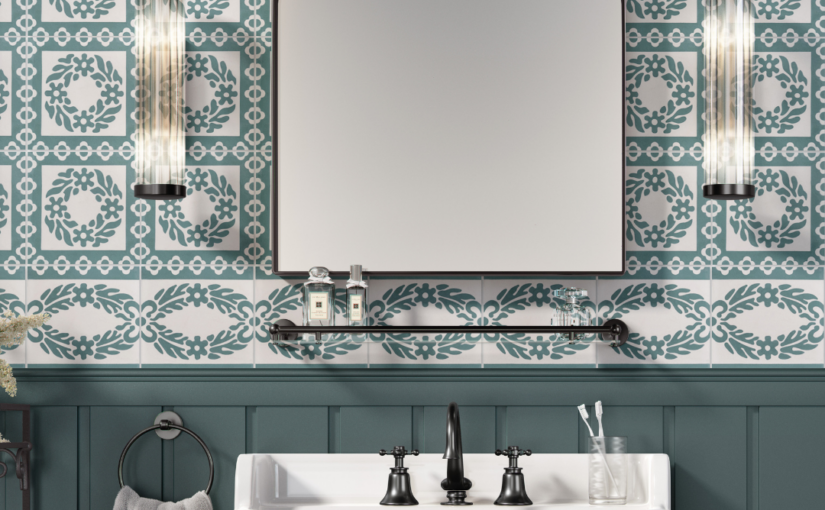
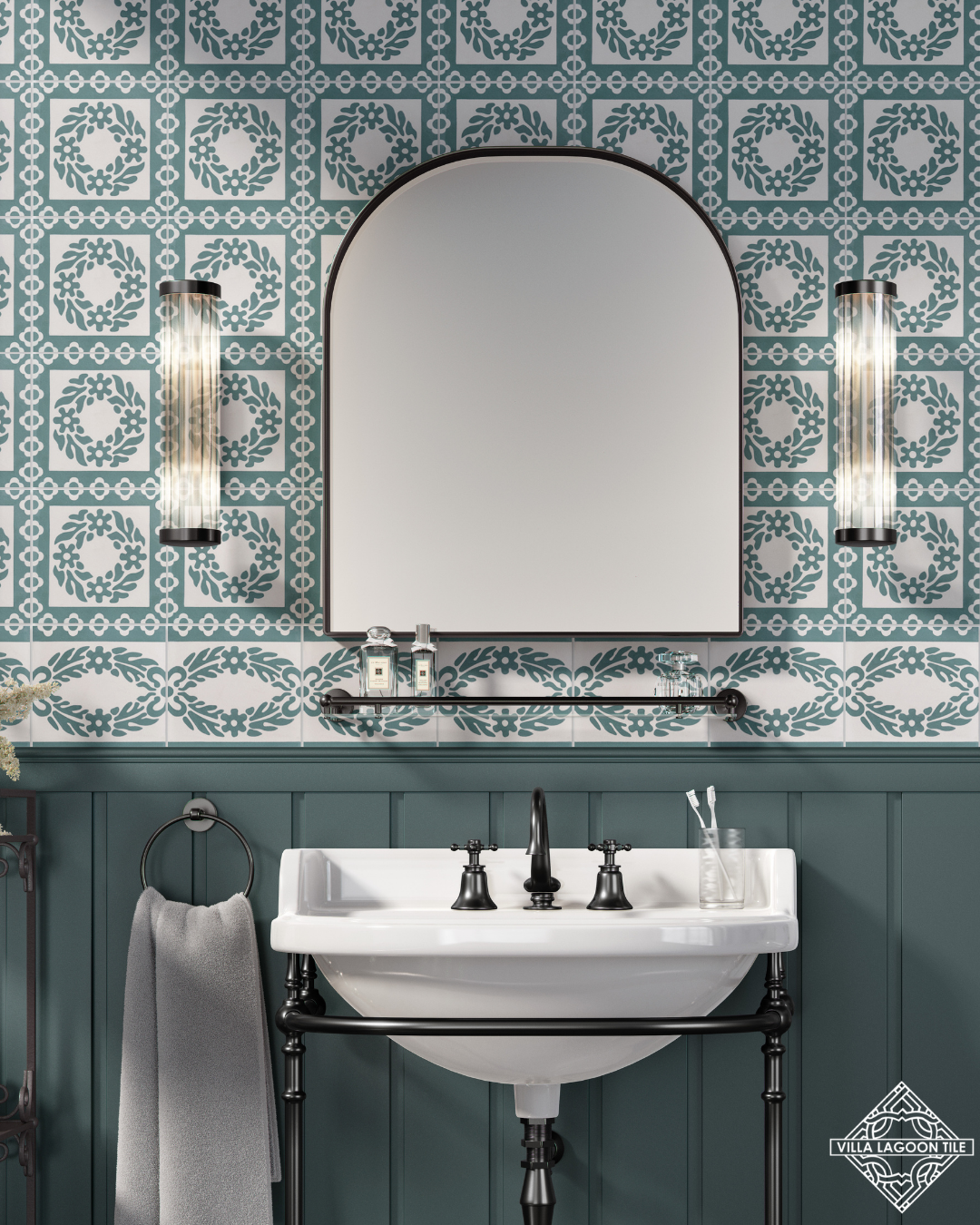
One of the most popular ways to bring vintage charm into a modern home is through patterned cement tile. Inspired by European and Mediterranean design traditions, these tiles often feature intricate motifs that immediately draw attention.
In contemporary kitchens, patterned cement tiles can create striking backsplashes that stand out against sleek cabinetry. In bathrooms, they add personality without requiring extensive decorative elements elsewhere in the room.
The contrast between ornate patterns and modern finishes creates visual tension in the best possible way. A minimalist vanity paired with a detailed tile floor feels sophisticated because each element highlights the strengths of the other.
The enduring popularity of cement tile demonstrates how traditional craftsmanship can remain relevant in evolving design trends.
Black and White Floors That Never Go Out of Style
Few vintage-inspired looks are as timeless as black and white tile flooring. This classic combination has appeared in homes, hotels, and public spaces for well over a century.
Modern designers often reinterpret the look by selecting larger tile formats or simplifying traditional layouts. The result feels contemporary while preserving the elegance associated with historic interiors.
Black and white floors work particularly well in entryways and powder rooms where homeowners want to make a strong first impression. The graphic nature of the pattern creates movement and energy while maintaining a clean visual appearance.
Because the color palette is neutral, it also allows flexibility when selecting furniture, fixtures, and accessories.
Bringing Character Through Handmade Surfaces
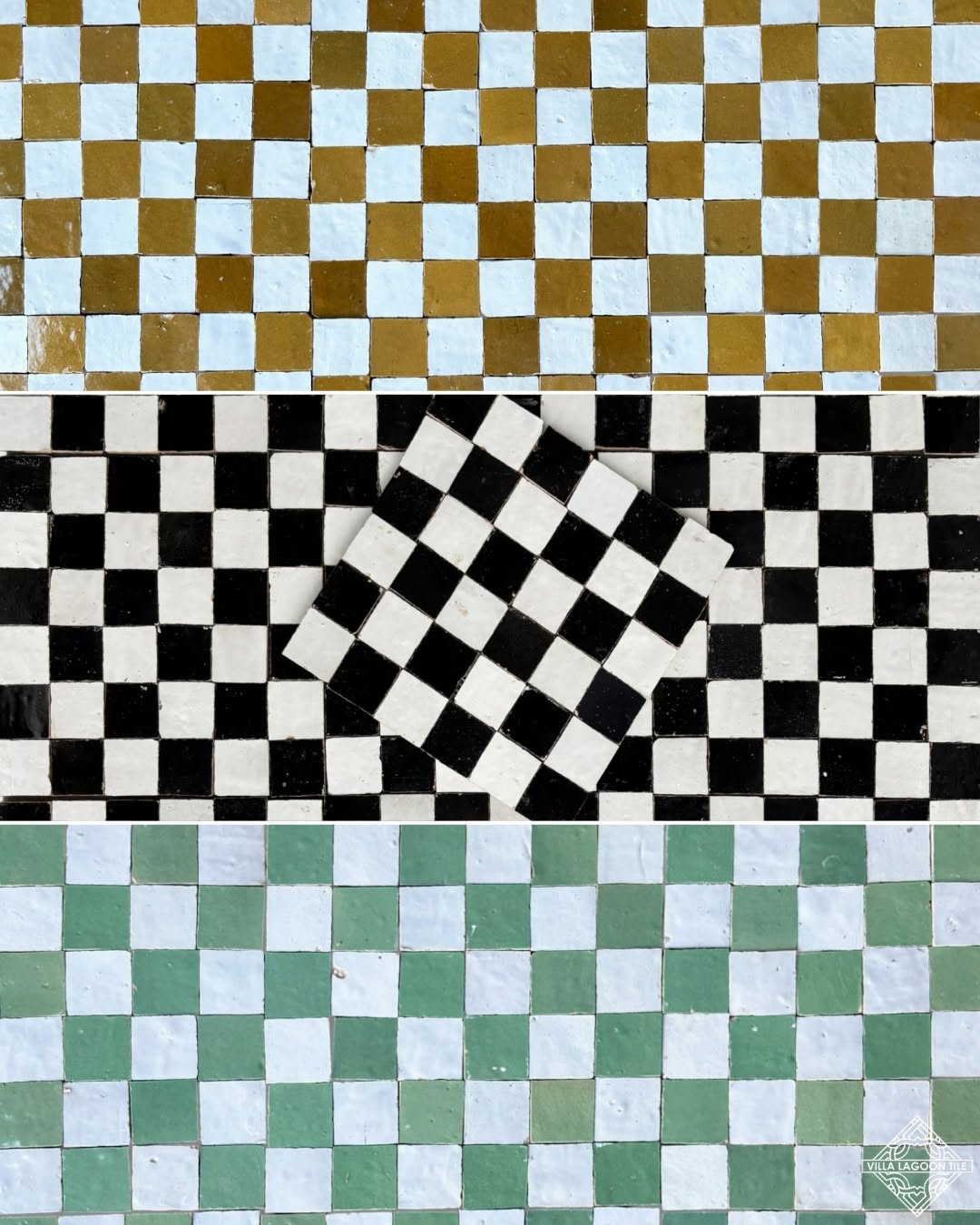
One hallmark of vintage design is the presence of subtle imperfections. Before mass production became common, many building materials were crafted by hand, resulting in slight variations that contributed to their charm.
Today’s homeowners are increasingly drawn to that authentic look. Handmade-inspired tiles offer surface variation, tonal shifts, and organic texture that help create inviting interiors.
A perfect example is genuine Zellige tile, which introduces natural variation through its handcrafted production process. These slight differences create a rich surface that changes beautifully as light moves throughout a room.
In modern settings filled with smooth materials and straight lines, handcrafted tile introduces welcome contrast and visual warmth.
Vintage-Inspired Kitchen Designs
Kitchens often serve as the heart of the home, making them ideal spaces for incorporating vintage influences. Tile allows designers to add character without sacrificing functionality.
A patterned backsplash can become the centerpiece of a contemporary kitchen. Vintage-inspired motifs pair surprisingly well with flat-panel cabinets, quartz countertops, and modern appliances.
Another effective approach is using classic subway tile with updated grout colors or installation patterns. While the tile itself has historic roots, creative layouts can give it a distinctly modern personality.
The goal is not to recreate an old-fashioned kitchen but rather to borrow design elements that add depth and visual interest.
Creating Timeless Bathrooms
Bathrooms offer countless opportunities to embrace vintage-inspired tile design. Historic patterns often feel especially appropriate in these spaces because tile has long been associated with traditional bath architecture.
Hexagonal floor tiles remain a favorite among designers seeking a classic look. Their geometric simplicity allows them to blend easily with contemporary fixtures while still referencing earlier design periods.
Wall applications can also contribute to the overall aesthetic. Combining vintage-inspired tile with modern lighting and streamlined hardware creates a layered design that feels curated rather than themed.
The result is a bathroom that feels both timeless and current.
Statement Entryways That Set the Tone
The entryway provides the first glimpse into a home’s personality. Vintage-inspired tile can immediately establish a sense of style while creating a memorable experience for visitors.
Historically influenced floor patterns add architectural interest even in relatively small spaces. Because entryways typically contain minimal furniture, the tile becomes the star of the design.
Modern homes often feature open floor plans, making the entry area especially important. A distinctive tile installation can visually define the space while introducing the design language that continues throughout the rest of the home.
This combination of functionality and aesthetics makes vintage-inspired tile particularly effective in transitional areas.
Mixing Old and New Materials
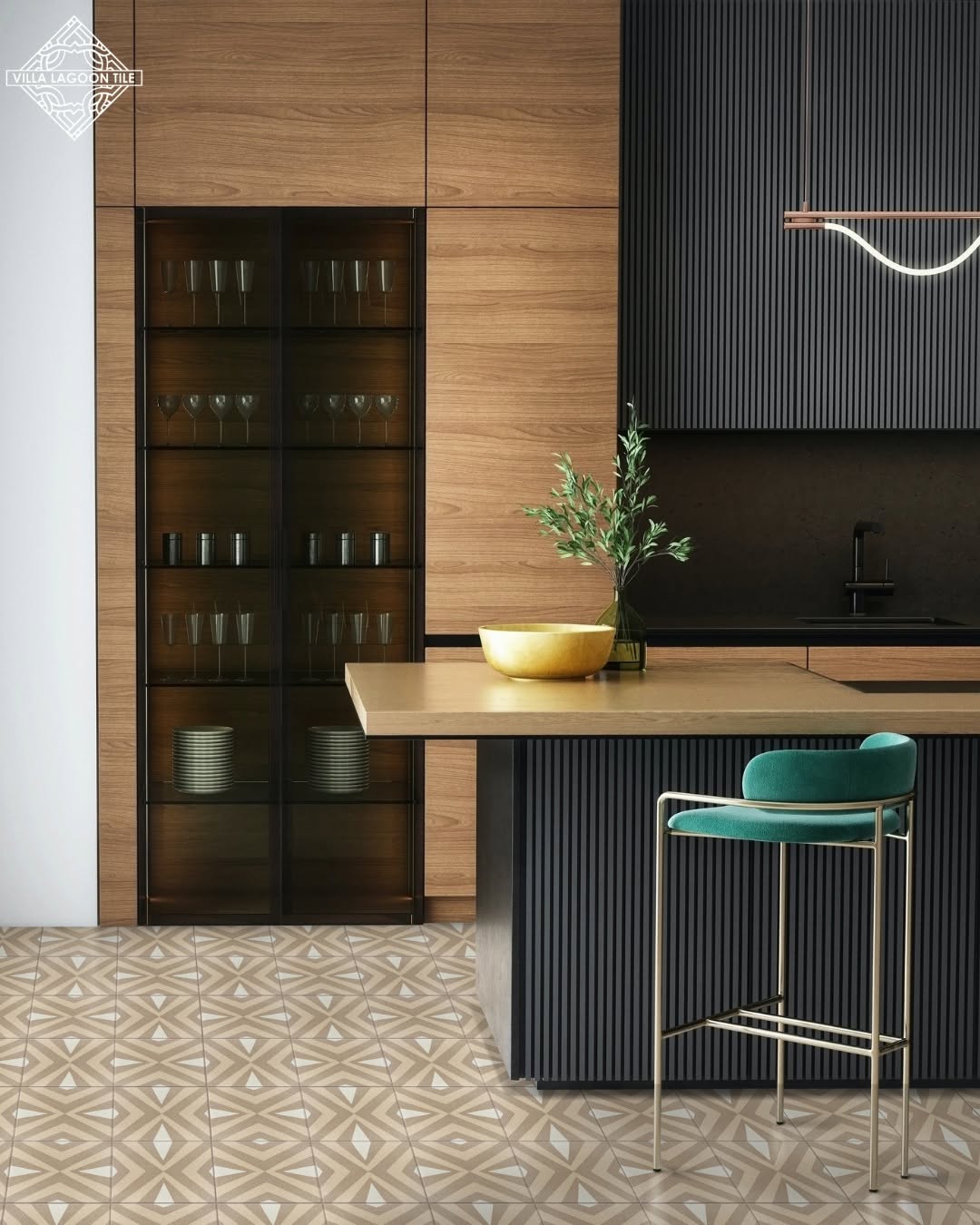
One reason vintage-inspired tile works so well in modern environments is its compatibility with contemporary materials. Designers frequently pair traditional tile patterns with concrete, glass, steel, and natural wood.
These combinations prevent interiors from feeling overly nostalgic. Instead, they create a dialogue between past and present that feels intentional and sophisticated.
For example, an industrial-style loft might incorporate decorative cement tile to soften exposed structural elements. Likewise, a contemporary home with expansive windows may benefit from vintage-inspired flooring that adds warmth and texture.
The contrast between old-world craftsmanship and modern construction techniques often produces the most compelling results.
Using Color to Capture Vintage Charm
Color plays an important role in vintage-inspired design. Soft blues, muted greens, warm terracottas, and earthy neutrals frequently appear in historic tile applications.
Modern interpretations often simplify these palettes while preserving their timeless appeal. Rather than using highly saturated colors throughout a room, designers may introduce vintage-inspired hues through tile while keeping surrounding finishes neutral.
This approach allows the tile to become a focal point without overwhelming the space. It also helps create interiors that feel calm, inviting, and enduring.
The right color palette can evoke a sense of history while remaining perfectly suited to contemporary living.
Balancing Nostalgia with Modern Functionality
The most successful vintage-inspired interiors avoid becoming replicas of the past. Instead, they selectively incorporate historic elements while embracing modern lifestyles and conveniences.
Tile is uniquely suited to this approach because it offers durability, versatility, and design flexibility. Homeowners can enjoy the visual richness of traditional patterns while benefiting from materials designed for today’s demands.
This balance is especially important in high-traffic areas where practicality matters as much as appearance. Vintage-inspired tile provides an opportunity to add personality without compromising performance.
As a result, these designs remain relevant year after year rather than feeling tied to a specific trend.
The Enduring Appeal of Classic Design
The popularity of vintage-inspired tile concepts for contemporary interiors reflects a broader appreciation for design that feels authentic and lasting. While trends come and go, well-crafted tile continues to resonate because it connects people to a sense of place, history, and artistry.
Vintage-inspired tile ideas offer a way to enrich modern spaces with texture, pattern, and character. Whether through intricate cement tiles, handcrafted surfaces, classic black and white floors, or thoughtfully chosen color palettes, these designs create interiors that feel both welcoming and distinctive.
For homeowners and designers alike, the appeal lies in creating spaces that honor timeless aesthetics while embracing the comforts and functionality of modern living. When thoughtfully integrated, vintage-inspired tile becomes more than a decorative feature; it becomes a defining element that gives a space its unique identity.