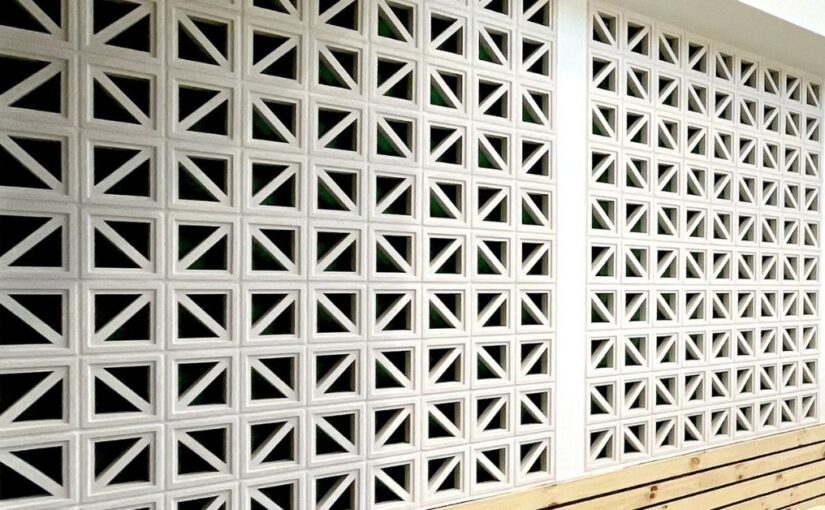
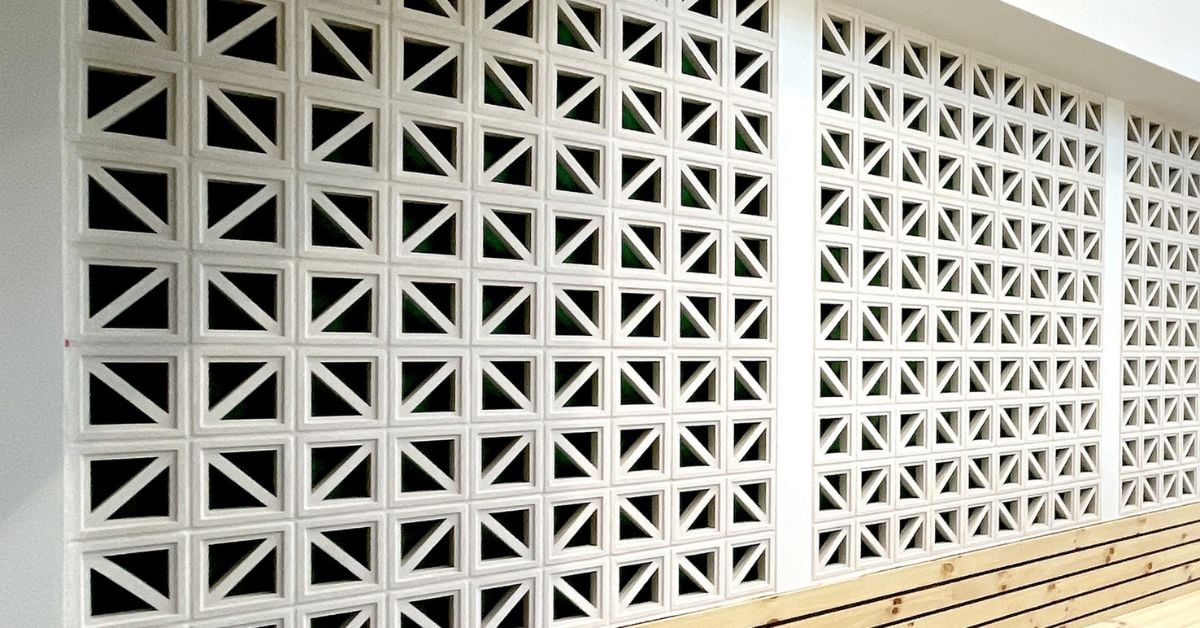
Breeze block walls have made a huge comeback in modern design. From stylish patio dividers to statement walls in restaurants and hotels, these decorative concrete blocks bring texture, airflow, and architectural charm into a space without feeling heavy or closed off. Designers love them because they blend vintage inspiration with modern functionality, making them a versatile choice for residential and commercial projects alike.
If you are planning what you need to build a breeze block wall, preparation matters just as much as the final design. Choosing the right materials, understanding structural requirements, and planning the layout carefully can help ensure the finished wall looks polished and performs well over time. Whether the wall is being used outdoors around a pool or indoors as a decorative partition, the right approach makes all the difference.
Choosing the Right Breeze Blocks
The first step in building a breeze block wall is selecting the actual blocks. Breeze blocks come in a wide range of patterns, shapes, and sizes, allowing designers to create everything from bold geometric installations to softer, organic looks. Some patterns feel mid-century modern, while others lean more Mediterranean or contemporary depending on the surrounding finishes.
Color also plays a major role in the overall effect. Neutral tones can create a calm architectural backdrop, while darker or more dramatic colors turn the wall into a focal point. In outdoor settings, lighter colors often help reflect heat and brighten the space naturally. Indoors, deeper shades can create contrast against wood, tile, or stone finishes.
It is also important to consider where the wall will be installed. Exterior installations typically require thicker, more durable blocks that can withstand weather exposure. Interior decorative walls may allow for more delicate or artistic patterns. Matching the style of the block to the intended environment helps the finished project feel cohesive and intentional.
Planning the Wall Layout
Before installation begins, the wall layout should be carefully planned. Breeze block walls are highly visual, so spacing, alignment, and symmetry matter. Designers often dry-lay the blocks beforehand to preview how the pattern will look once assembled.
The size of the wall also affects the design strategy. Smaller accent walls can handle more intricate patterns without overwhelming the space, while large-scale installations usually benefit from cleaner, more repetitive designs. Planning the proportions ahead of time helps avoid awkward cut pieces or uneven spacing later.
Structural planning is equally important. Some breeze block walls are purely decorative, while others act as privacy screens or semi-structural dividers. Larger installations may require reinforcement or support depending on local building codes and environmental conditions. Consulting a contractor or installer early in the planning process can help prevent costly adjustments during construction.
Understanding the Foundation Requirements
A breeze block wall needs a stable foundation to remain secure over time. Even decorative walls carry substantial weight, especially when installed outdoors. The foundation must be level, strong, and properly prepared before any blocks are placed.
Concrete footings are commonly used for exterior breeze block walls. The footing depth depends on the wall height, soil conditions, and climate. Areas with freeze-thaw cycles may require deeper foundations to prevent shifting or cracking. Indoors, installations may sometimes anchor directly to an existing slab if the structure is capable of supporting the load.
Proper drainage is another key consideration. Outdoor walls exposed to rain or irrigation should allow moisture to move away from the base rather than collect around it. Standing water can eventually weaken the foundation or stain the blocks over time. A well-prepared foundation creates long-term stability and helps preserve the appearance of the wall.
Mortar and Installation Materials
The quality of the installation materials matters just as much as the blocks themselves. Mortar is essential for securing the blocks together while maintaining consistent spacing and alignment throughout the wall.
Installers typically use masonry mortar designed specifically for concrete block applications. The mortar color can also affect the final appearance. Matching mortar creates a seamless, unified look, while contrasting mortar highlights the geometric pattern of the blocks.
During installation, spacers and leveling tools help keep the rows even and consistent. Because breeze block patterns are highly visible, even slight misalignments become noticeable quickly. Professional installers often work slowly and methodically to ensure the design remains clean from every angle.
For reinforced installations, steel rods or additional support systems may also be incorporated within the wall structure. This is especially common for taller outdoor walls exposed to wind or weather conditions. Using the proper materials from the start helps maintain both safety and visual quality.
Designing for Airflow and Light
One of the biggest advantages of breeze block walls is their ability to separate spaces without fully closing them off. Unlike traditional solid walls, breeze blocks allow air and light to move through the openings naturally. This creates a more open and breathable environment, particularly in outdoor settings.
In warm climates, breeze block walls can help improve airflow around patios, courtyards, and pool areas. The openings allow breezes to circulate while still providing privacy and shade. Indoors, they can divide rooms while maintaining a sense of connection and openness.
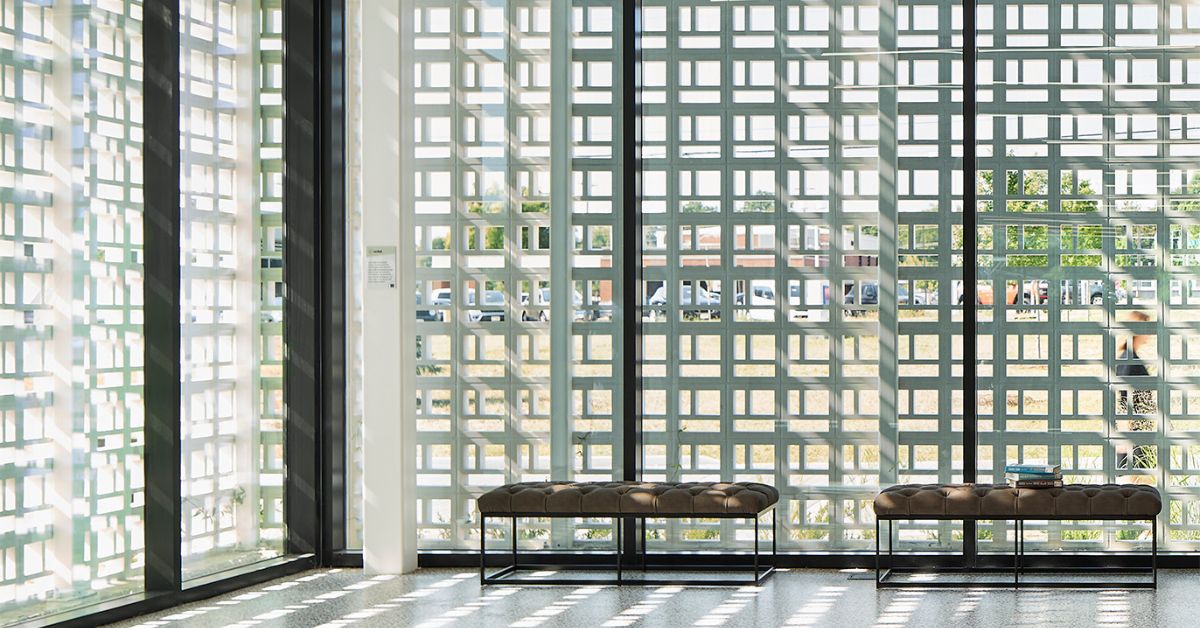
Lighting also changes the look of the wall throughout the day. Sunlight passing through the openings creates shadows and patterns that add movement and depth to the surrounding surfaces. Many designers intentionally position these walls where natural light can enhance the geometric details of the blocks.
Working With Professional Installers
Although breeze block walls may appear simple at first glance, achieving a clean and polished result requires precision. Experienced installers understand how to maintain proper spacing, ensure alignment, and reinforce the wall where necessary.
Professional masonry contractors also help address site-specific concerns such as drainage, weather exposure, and structural support. This is especially important for commercial projects or large outdoor installations where long-term durability is essential.
In many cases, installers can recommend specific layouts or installation methods that improve both aesthetics and performance. Their experience helps prevent issues like uneven rows, cracking mortar, or unstable sections later on. For homeowners and designers alike, professional installation often results in a smoother process and a more refined finished product.
Styling a Breeze Block Wall
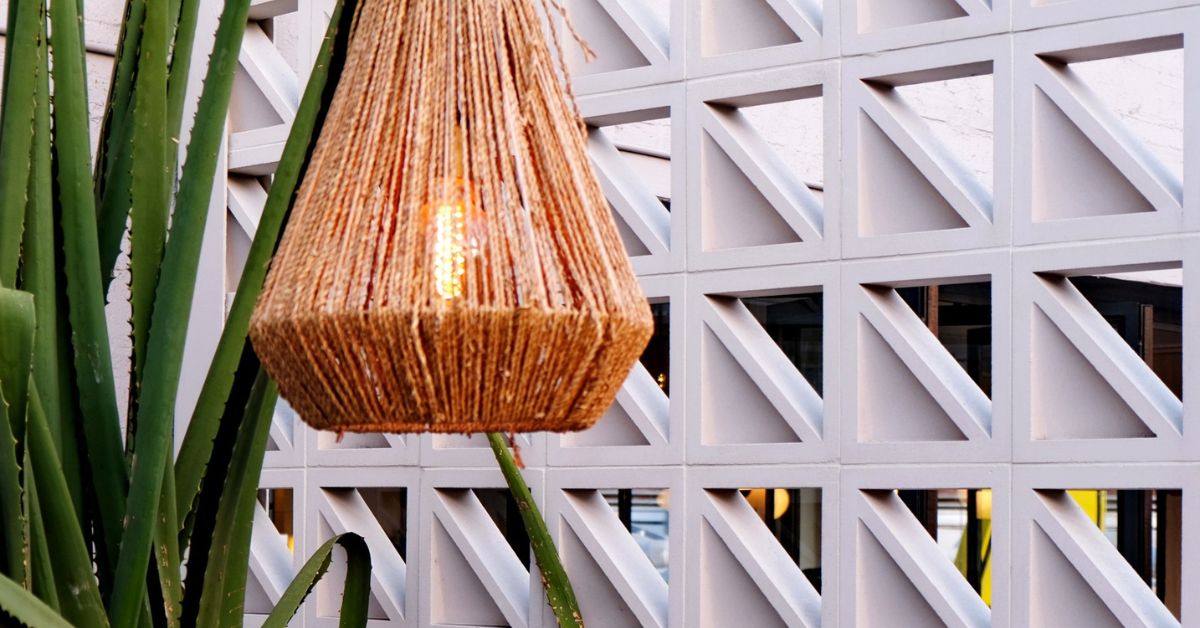
Once the wall is complete, styling choices can enhance the overall design even further. Breeze block walls pair beautifully with natural materials like wood, stone, and cement tile. Plants are another popular addition, especially around outdoor installations where greenery softens the geometric structure.
Lighting can dramatically change the atmosphere at night. Soft uplighting or integrated landscape lighting highlights the texture and shadows created by the block openings. This makes the wall feel more architectural and intentional after dark.
Many designers also use breeze block walls as artistic focal points rather than simple dividers. A well-placed wall can frame a courtyard, define a dining area, or create visual interest in an otherwise open space. The versatility of breeze blocks allows them to function as both practical and decorative design elements.
Know What You Need
Understanding the essentials for constructing a breeze block wall goes beyond simply stacking decorative blocks together. Successful installations rely on thoughtful planning, durable materials, proper foundations, and skilled craftsmanship. When done correctly, these walls become lasting architectural features that combine beauty, airflow, texture, and functionality.
Today’s designers continue to embrace breeze block walls because they feel timeless while still fitting seamlessly into modern spaces. From boutique hotels to backyard patios, these walls offer a balance of openness and privacy that few other materials can achieve. Adding cement breeze blocks to a project creates visual character while supporting a clean, breathable design aesthetic that works beautifully indoors and out.