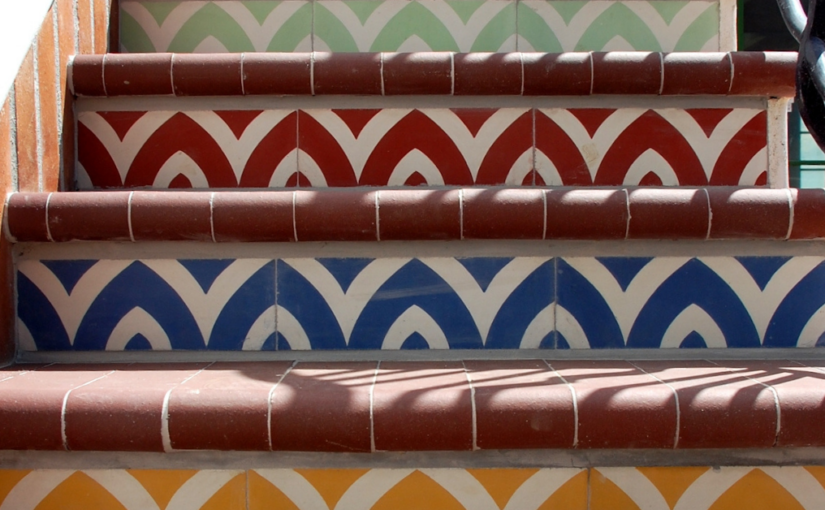
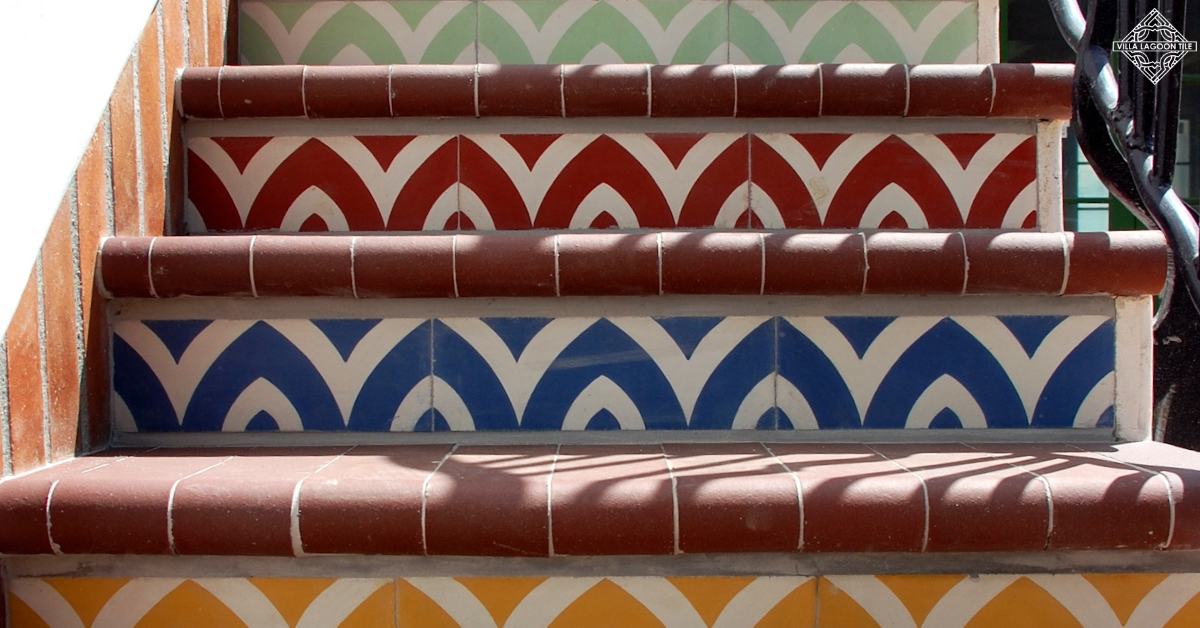
A staircase is often treated as a practical feature, but it has the potential to become one of the most memorable design elements in a home or commercial space. While flooring, walls, and furniture usually receive the most attention, stair risers offer a unique opportunity to introduce pattern, color, and artistry without overwhelming the room. How to style stair risers with decorative tiles is a design approach that transforms an ordinary staircase into a stunning architectural feature while maintaining functionality.
Why Decorative Stair Risers Make Such an Impact
Unlike large tiled surfaces that dominate an entire room, stair risers reveal themselves gradually. Each step becomes part of a larger composition, encouraging people to notice the staircase from multiple angles.
Because the visible surface of each riser is relatively small, intricate patterns feel balanced rather than overwhelming. This allows designers to incorporate colors and motifs that might seem too bold on a full wall or floor.
The staircase also naturally draws the eye upward, making decorative risers an effective way to connect different levels of a home. Instead of acting as a simple transition between spaces, the stairs become an intentional part of the overall design story.
Start with the Style of the Home
Choosing decorative tiles begins with understanding the architecture and interior style surrounding the staircase. The most successful installations feel like a natural extension of the home’s design rather than an isolated feature.
Traditional homes often benefit from timeless geometric motifs or classic Mediterranean-inspired patterns. Farmhouse interiors pair beautifully with muted colors and handcrafted appearances that add warmth without appearing overly formal.
Modern spaces can embrace clean lines, simplified patterns, or monochromatic palettes that emphasize texture over ornamentation. Even eclectic interiors can successfully combine multiple influences when there is a consistent color palette tying everything together.
Matching the tile style to existing architectural elements creates harmony while allowing the staircase to stand out for the right reasons.
Choosing the Right Color Palette
Color has one of the greatest influences on how decorative stair risers feel within a space. The palette should complement surrounding finishes while creating enough contrast to make the staircase visually engaging.
Neutral palettes create elegance that remains timeless through changing design trends. Soft grays, warm whites, charcoal tones, and earthy colors often blend seamlessly into many interiors while still providing visual interest through pattern.
Homes seeking greater personality may benefit from richer blues, greens, terracotta shades, or black-and-white combinations that immediately capture attention. When these colors echo cabinetry, textiles, artwork, or other architectural details, the staircase feels intentionally integrated into the overall design.
Natural lighting should also influence color selection since daylight changes the appearance of decorative surfaces throughout the day.
Balance Pattern with Simplicity
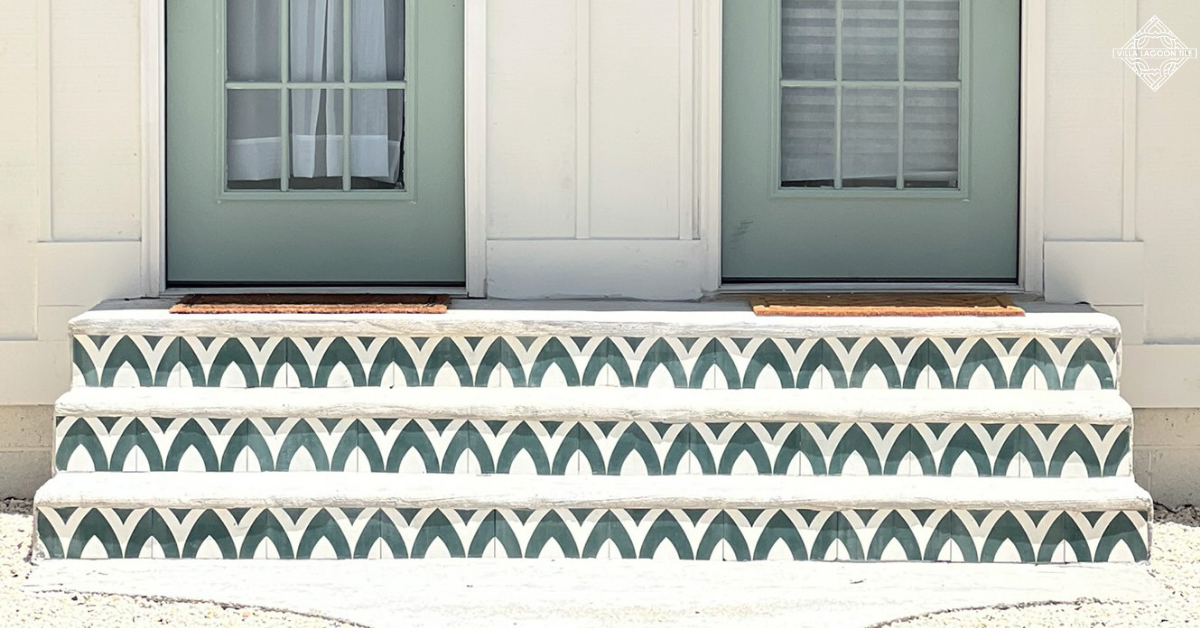
Decorative tile patterns are often the primary attraction, but restraint helps them remain beautiful over time. Highly detailed designs work best when surrounding finishes allow them room to breathe.
Simple flooring materials, understated wall colors, and clean stair treads create visual balance that lets decorative risers become the focal point. Overly busy surroundings may compete with the intricate designs and reduce their overall impact.
Designers frequently repeat a single pattern throughout the staircase to establish rhythm and continuity. Others alternate complementary patterns while maintaining a unified color scheme that prevents the installation from feeling chaotic.
This thoughtful balance keeps the staircase interesting without becoming visually exhausting.
Pair Decorative Risers with Complementary Stair Treads
The relationship between stair treads and risers significantly influences the finished appearance. While the risers provide visual excitement, the treads typically offer grounding and durability.
Natural wood remains one of the most popular companions because it introduces warmth that balances decorative surfaces. Rich walnut, classic oak, or lighter wood species each create distinct moods depending on the surrounding design.
Stone treads provide another sophisticated option, particularly in luxury residential and hospitality settings where durability is equally important. Their subtle textures often allow decorative risers to command attention while maintaining an elegant appearance.
Even painted stair treads can work beautifully when coordinated carefully with the selected tile colors.
Make the Staircase Feel Connected
One of the most successful ways to integrate decorative risers is by repeating similar design elements elsewhere in the home. This creates continuity without making every surface identical.
A nearby backsplash, fireplace surround, powder room wall, or entryway floor may incorporate complementary colors or related motifs. These subtle connections help the staircase feel like part of a thoughtfully curated interior rather than an isolated design statement.
Many designers also echo accent colors through artwork, rugs, upholstery, or decorative accessories. This layered approach creates harmony throughout the home while allowing each space to maintain its own character.
Consider Scale and Viewing Distance
Unlike wall installations viewed straight on, stair risers are experienced from multiple perspectives. People notice them while climbing, descending, and viewing the staircase from across the room.
Smaller patterns often reveal more intricate details up close, while larger motifs remain visually effective from greater distances. Selecting the right scale depends on the staircase dimensions, ceiling height, and overall room size.
Wide staircases may comfortably accommodate bold graphic designs that would overwhelm narrower spaces. Compact staircases often benefit from simpler repeating motifs that enhance the architecture without making the area feel crowded.
Keeping proportion in mind ensures every detail contributes positively to the finished result.
Texture Adds Another Layer of Interest
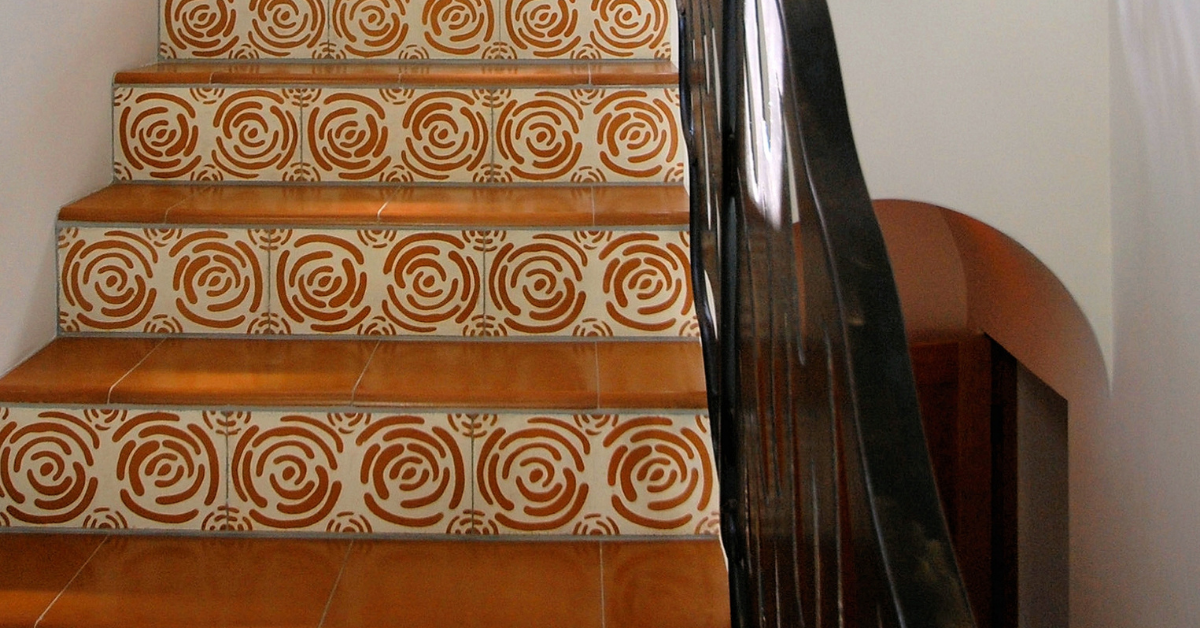
Decorative stair risers are appreciated not only for their patterns but also for the depth and richness created by handcrafted surfaces. Slight variations in texture give each staircase a unique appearance that machine-made finishes often struggle to replicate.
Subtle differences in color, surface depth, and handcrafted character become especially noticeable as natural light changes throughout the day. These variations create movement without requiring additional decoration.
Designers often appreciate this organic quality because it adds authenticity and warmth that complements both traditional and contemporary interiors.
In many residential and hospitality projects, cement tiles provide this handcrafted appeal while contributing long-lasting visual character to stair installations.
Designing for Long-Term Appeal
Trends naturally evolve, but a well-designed staircase should continue feeling relevant for many years. Selecting patterns with enduring appeal helps ensure the investment remains attractive regardless of changing decorating styles.
Classic geometric layouts, timeless floral motifs, and historically inspired patterns have demonstrated remarkable longevity because they transcend short-lived design trends. Their visual appeal comes from balance and craftsmanship rather than novelty alone.
Choosing quality materials and coordinating them thoughtfully with surrounding finishes also supports a design that continues looking intentional as furniture, paint colors, and décor gradually change over time.
Creating a Staircase That Tells a Story
Every staircase connects more than two levels. It connects experiences within a home and guides visitors through the space. Decorative tile risers allow that journey to become visually memorable while reflecting the personality of the people who live there.
Whether the goal is understated elegance, Mediterranean charm, contemporary sophistication, or artistic expression, thoughtful tile selection transforms an everyday architectural element into a conversation piece. Designers appreciate this opportunity because relatively small surfaces can produce dramatic visual results.
Styling staircase risers with decorative tile designs allows homeowners and design professionals to create an inviting focal point that combines craftsmanship, beauty, and functionality. With careful attention to color, pattern, proportion, and surrounding materials, decorative stair risers become lasting features that enrich interiors for years to come.