A patio can be perfectly functional and still feel as though something is missing. The furniture may be comfortable and the proportions may work, yet the overall space can lack the visual personality that makes people want to linger. Fortunately, design ideas for patios that need more character can begin with the surfaces themselves, using thoughtful material choices to give the entire outdoor setting a stronger point of view.
Outdoor tile and architectural elements can bring that missing sense of identity into the space. Instead of treating a patio as an empty platform waiting for furniture, designers can approach it as a complete environment where the floor or surrounding walls contribute to the atmosphere. With the right choices, even a relatively simple patio can feel intentional and distinctive.
Let the Patio Floor Lead the Design
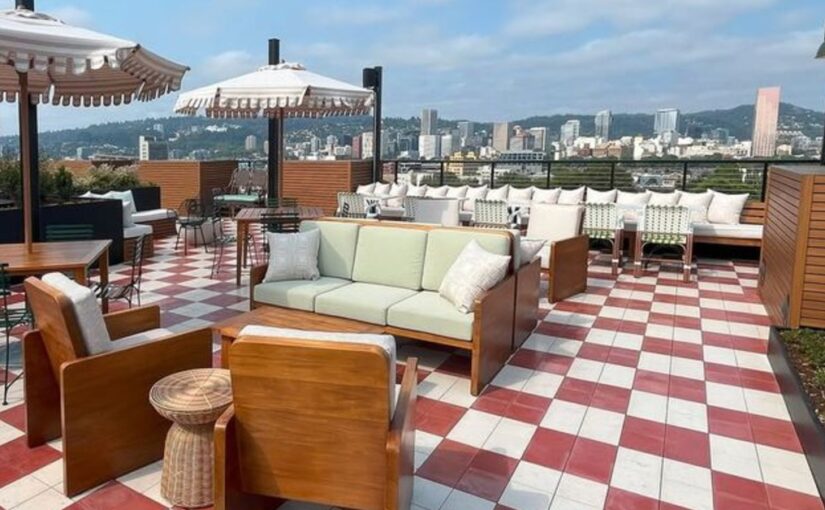
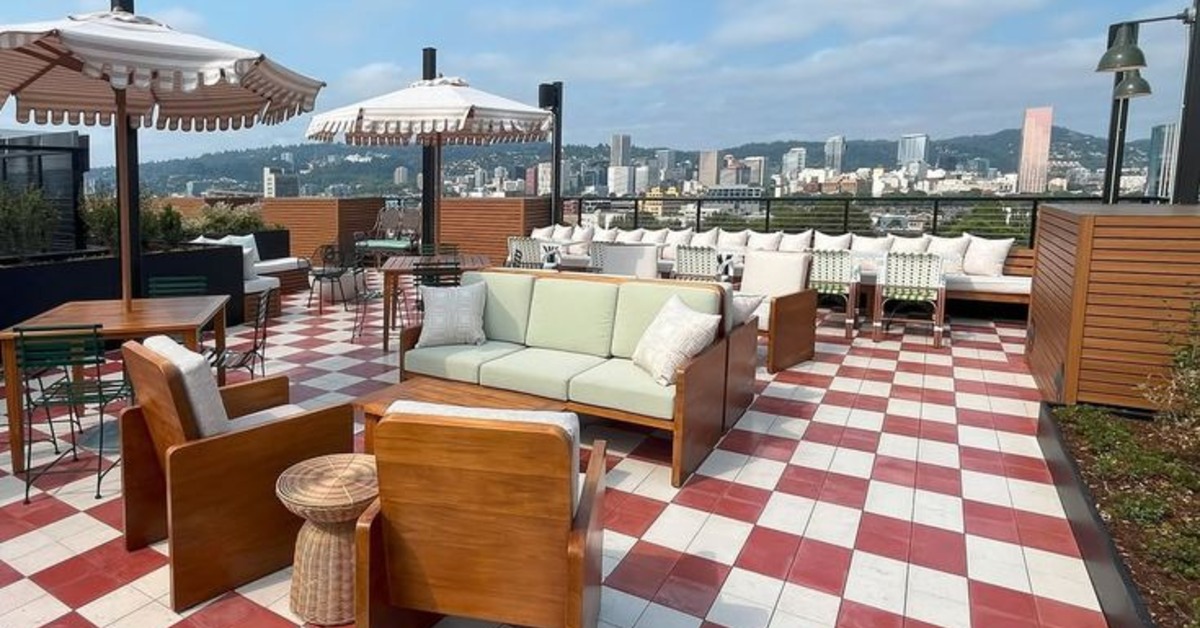
In many outdoor spaces, the floor occupies a significant portion of the view, which gives it considerable influence over the overall design. A plain surface tends to disappear, while a patterned cement tile installation can immediately establish a more memorable mood.
Pattern does not have to overwhelm the patio to make an impact. A design with a comfortable visual rhythm can create movement across the floor while still allowing furnishings to command attention. The goal is to make the patio feel designed from the ground up rather than decorated after the fact.
This approach can be especially effective when the surrounding architecture is restrained. A patio connected to a home with simple exterior walls can handle a more expressive floor because there is less visual competition nearby. The tile becomes part of the architecture while giving the outdoor area an identity of its own.
Use Color to Give the Space a Point of View
Outdoor spaces often rely heavily on neutral materials because those choices feel easy and familiar. While there is nothing wrong with a subdued palette, introducing color through tile can keep a patio from looking generic.
The amount of color matters less than how deliberately it is used. A tile design can establish a particular mood without requiring every other element on the patio to follow the same visual direction. This leaves room for the outdoor setting to feel collected rather than overly coordinated.
Color can also create a stronger connection between the patio and the architecture around it. Rather than choosing tile as an isolated decorative feature, designers can consider how its tones respond to the exterior finish of the building. When those relationships feel natural, the patio becomes an extension of the property rather than a separate space attached to it.
Bring Pattern Into a Defined Area
Covering an entire patio with patterned tile can create a dramatic result, but a smaller application can have just as much personality. Defining one section of the floor with decorative tile gives the eye somewhere to land and can make a large patio feel more thoughtfully composed.
A patterned section beneath an outdoor dining area, for example, can function almost like an architectural rug. Unlike a textile, however, tile becomes a permanent part of the surface and gives the area a stronger sense of structure.
This technique can also help establish visual boundaries without relying on physical dividers. The transition in flooring signals that the character of the space has changed while allowing the patio to remain open. It is a subtle design move that can make the overall layout feel much more deliberate.
Create Interest With Breeze Blocks
Character does not always have to come from color or surface pattern. Sometimes it comes from the way light and shadow interact with the architecture.
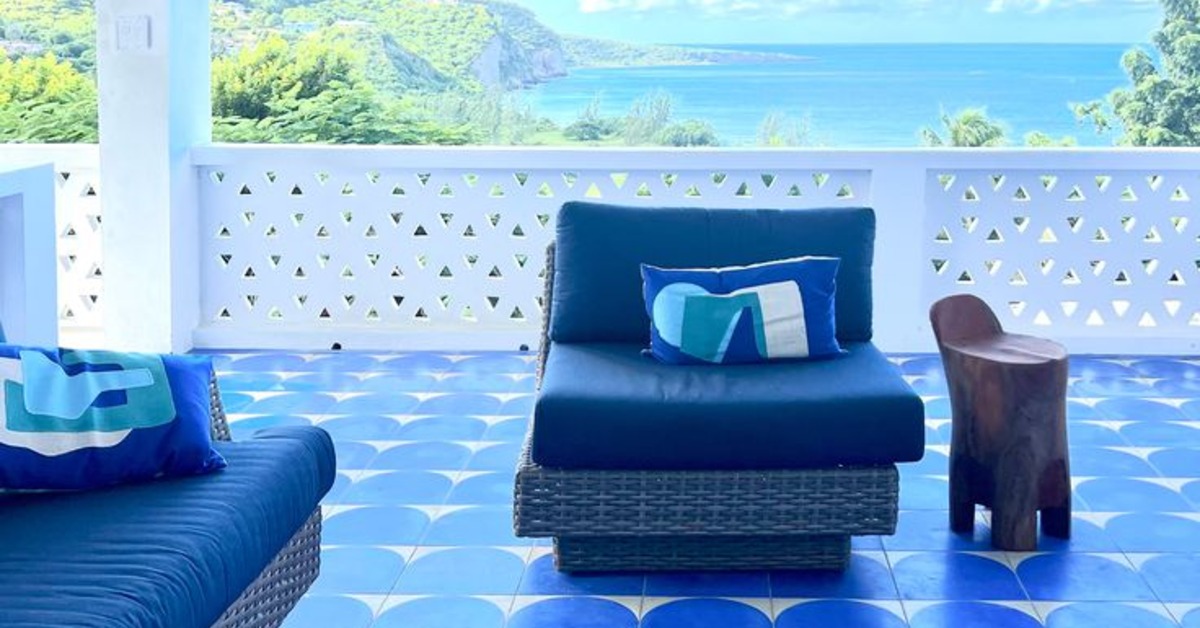
Decorative breeze blocks can introduce visual detail while maintaining the open feeling that makes a patio enjoyable. Their dimensional forms create changing shadows as daylight moves across the space, so the feature can look different throughout the day.
For projects that call for a stronger architectural statement, designer cement blocks can become an integral part of the patio rather than an accessory added afterward. Their patterns give a screen or partition a decorative presence while still feeling connected to the structure of the space.
A breeze block feature can also make an expansive patio feel more intimate without closing it off completely. The openings preserve a sense of airiness, while the patterned surface gives the eye a clear architectural boundary.
Give Neutral Patios More Texture
A patio does not need vivid color to have character. Texture can provide plenty of personality, particularly when the design calls for a quieter palette.
Cement tile naturally brings visual depth because its surface has a material presence that feels different from a perfectly uniform manufactured finish. Even when the colors are understated, the tile can keep a large expanse of flooring from appearing lifeless.
Texture becomes especially noticeable as outdoor light shifts. Subtle variations that seem quiet in softer light can become more pronounced when sunlight moves across the surface. This gives the patio a sense of depth without requiring an elaborate decorative scheme.
Connect Indoor and Outdoor Design
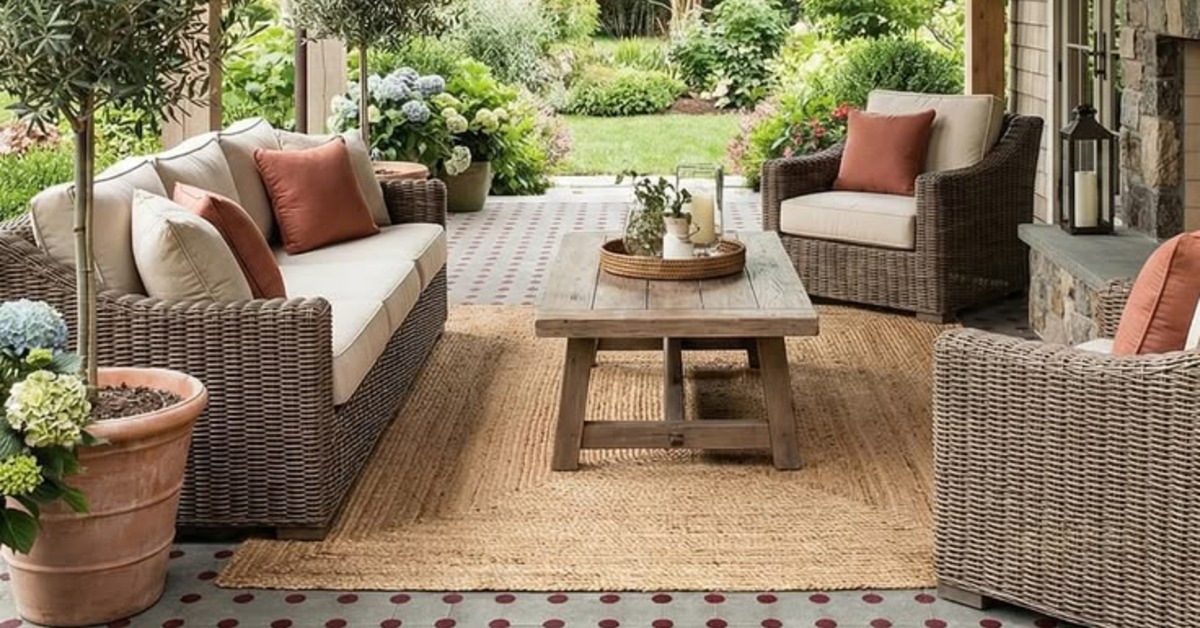
Patios tend to feel most successful when they relate to the spaces immediately inside the home or commercial property. That does not mean the two areas need to match. Instead, there should be enough visual connection that moving from one to the other feels natural.
Tile can help establish that relationship through pattern or general design character. A home with expressive interiors might carry that same spirit outside through a distinctive patio floor, while a more restrained interior could lead into an outdoor space with quieter tile.
This is where giving a character-starved patio a stronger design identity becomes about more than choosing an attractive surface. The patio starts participating in the larger design story, which makes it feel considered rather than secondary.
Make Character Part of the Architecture
The most memorable patios often feel as though their personality was built into them from the beginning. Their character does not come solely from what has been placed on top of the space; it comes from the surfaces and architectural details that define it.
Cement tile can give a patio floor an unmistakable visual presence, while breeze blocks can add dimension around its edges. Either approach shifts the focus from filling an empty patio to shaping an outdoor environment.
For designers, that opens the door to creating patios that feel connected to the wider project while still having their own personality. A once-forgettable outdoor area can become a meaningful part of the design, giving people another reason to step outside and stay awhile.