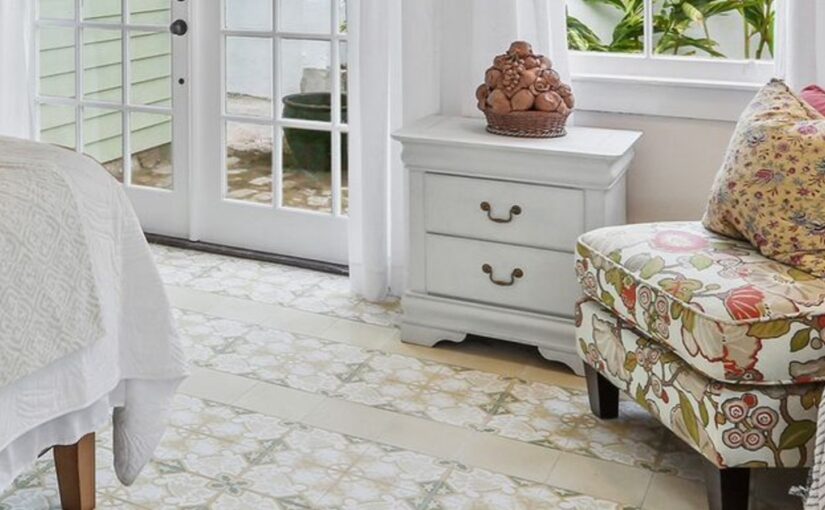
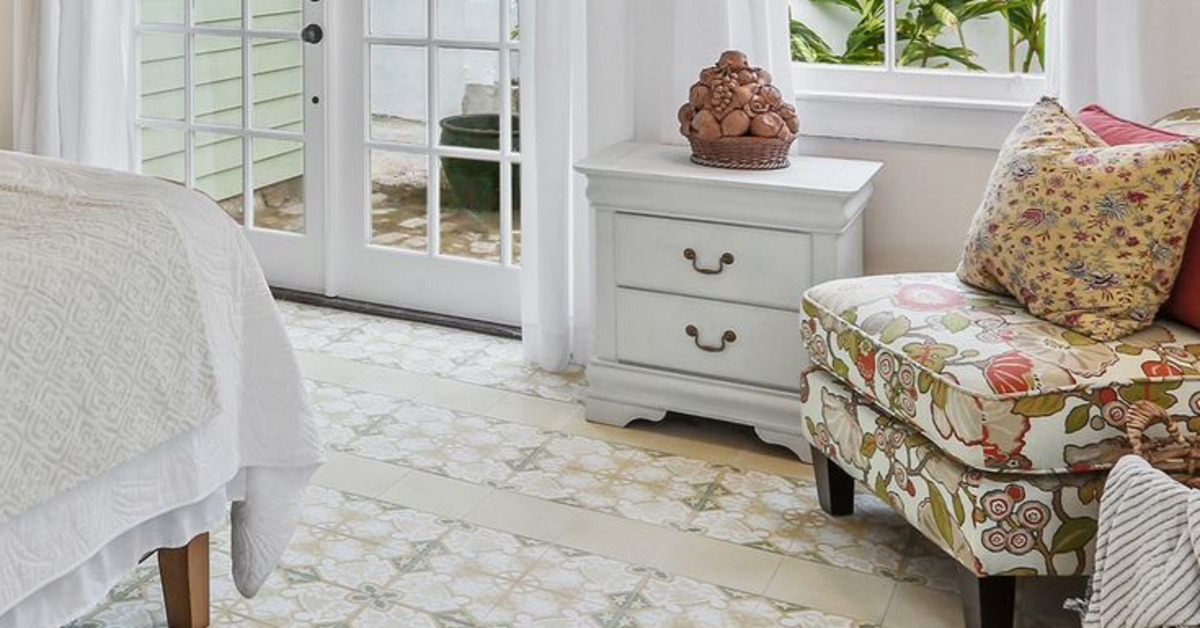
There are rooms that look perfectly nice, and then there are rooms you remember. Often, the difference comes down to a surface that catches your eye and gives the entire design a sense of personality. Handmade tile has a natural ability to play that role because it offers something that highly uniform materials simply cannot reproduce.
Understanding how handmade tiles create that “wow” factor starts with recognizing the value of variation. Slight shifts in color, surface, or shape give a tiled area a sense of movement that feels natural rather than manufactured. Those small differences can turn even a relatively simple installation into a memorable design feature.
Imperfection Gives a Space Personality
Uniformity has its place in design, but perfection is not always the most interesting choice. Handmade tile celebrates the subtle irregularities that come from a material being shaped and finished by human hands. Instead of every piece disappearing into an identical field, individual tiles contribute their own character to the larger composition.
This variation can make a surface feel more alive. Light may land differently from one tile to the next, while slight tonal changes keep the eye moving across the installation. The result has depth without requiring an overly complicated design.
That quality can be especially useful when a room needs a focal point that feels integrated rather than added as an afterthought. A handmade tiled surface can attract attention while still working naturally with the architecture and furnishings around it.
Color Feels More Expressive
Color is one of the fastest ways to change the mood of an interior, and handmade tile gives designers plenty of room to make it count. A bold hue can energize a space, while a quieter shade can become interesting through subtle variations across the tiled surface.
Even when the overall palette is restrained, handmade character keeps color from feeling flat. Variations in tone allow the surface to shift as lighting changes throughout the day. Instead of relying on dramatic contrast alone, the tile creates interest through nuance.
This makes handmade tile equally compelling when a project calls for something expressive or understated. The impact comes from how the material carries color, not simply from how bright or unusual that color happens to be.
Pattern Becomes Part of the Architecture
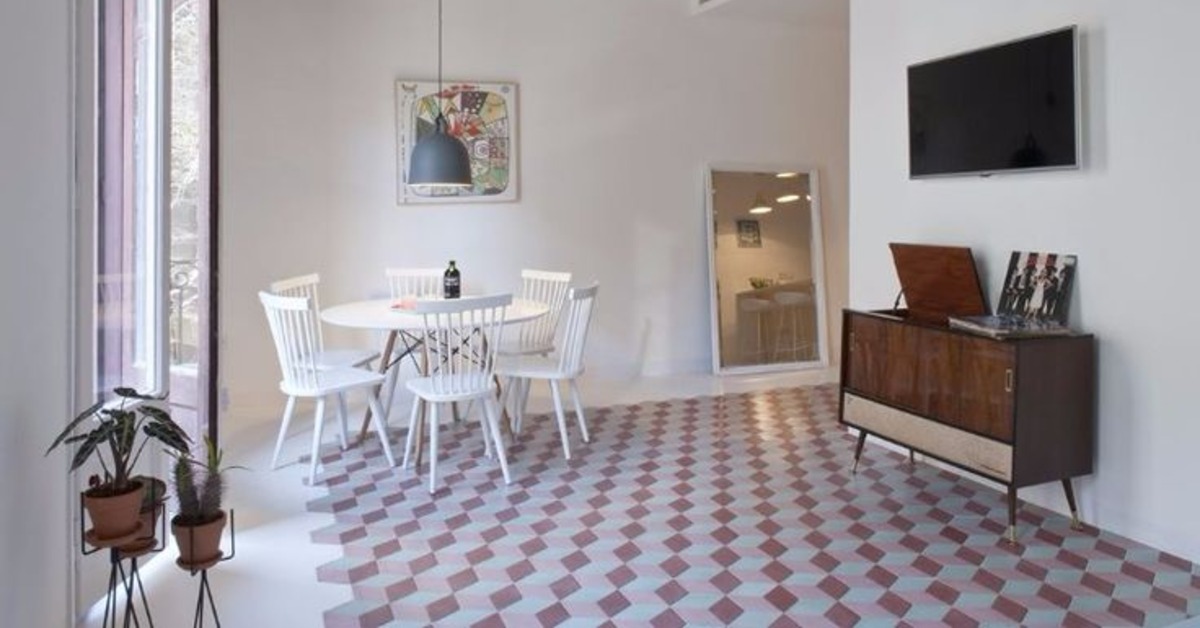
Patterned surfaces naturally command attention, but handmade tile can make pattern feel especially connected to a room. Rather than appearing like decoration placed on top of the design, tile can help define the visual rhythm of a wall or floor.
A geometric motif can guide the eye through a large commercial space, while a more organic pattern can soften the feel of a residential interior. Scale also changes the effect. An expansive pattern may read almost like an architectural feature from across the room, while smaller details reward a closer look.
This is where a Moroccan mosaic tile can bring another level of visual richness to a project. Its handcrafted quality allows the pattern itself to feel dimensional, giving designers a way to introduce ornament without making the space feel overly polished or predictable.
Texture Makes the Design More Dynamic
Texture is easy to underestimate when looking at a tile sample, yet it can have a major effect once the material covers a larger surface. Handmade tile often interacts with light in ways that make the installation look different depending on the viewing angle.
That effect gives the room another layer of visual interest without requiring additional decoration. A wall can become more noticeable simply because its surface responds to daylight or interior lighting. As someone moves through the space, the material may reveal details that were not obvious from another position.
This quality is particularly effective when designers want a feature surface to feel substantial. Texture gives the tile presence, helping the installation become an intentional part of the room rather than a passive backdrop.
Handmade Tile Can Create a Strong Focal Point
Not every surface in a room needs to compete for attention. In many successful interiors, one carefully considered feature gives the eye a place to land while the rest of the design supports it.
Handmade tile is well suited to this role because it can create impact through material character rather than sheer scale. A relatively contained tiled area can still become the element people notice first. Its variation invites a second look, which helps the feature feel special without depending on excess.
For designers, that opens the door to thoughtful restraint. The “wow” factor does not have to mean covering every available surface with pattern or saturated color. Sometimes, the strongest statement comes from giving one distinctive material enough room to shine.
It Helps Commercial Spaces Feel Memorable
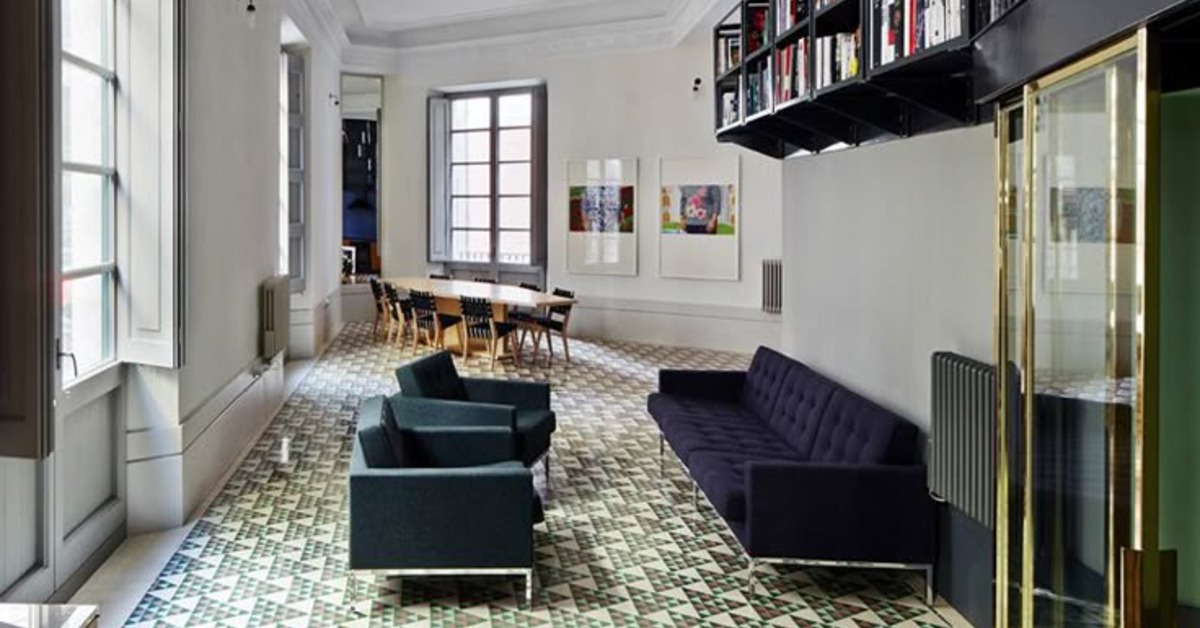
Hospitality interiors often need to make an impression quickly. Guests may form an opinion about a restaurant or hotel shortly after entering, so materials that create a clear sense of place can carry significant visual weight.
Handmade tile can contribute to that identity without making a space feel forced. Because the material naturally contains variation, even a repeated pattern retains a sense of individuality across a larger installation. That character can help an interior feel considered rather than generic.
The same idea works in residential projects, where the goal may be less about immediate impact and more about creating a home with personality. In either setting, handmade tile gives designers an opportunity to create surfaces that feel specific to the project.
Creating a Moment People Remember
A memorable interior does not need to rely on spectacle. Materials can create impact in quieter ways, particularly when they introduce character that feels authentic to the space.
That is ultimately why handcrafted tiles bring a memorable “wow” factor to interiors. Their appeal comes from variation that makes a surface feel alive and from the visible personality that emerges across an installation. Rather than blending anonymously into the background, handmade tile has the ability to become part of what defines a room.
For interior designers working on residential or commercial spaces, that character creates possibilities well beyond simple surface coverage. Handmade tile can establish a focal point, shape the atmosphere of a room, and give an interior an identity people remember long after they have left it.