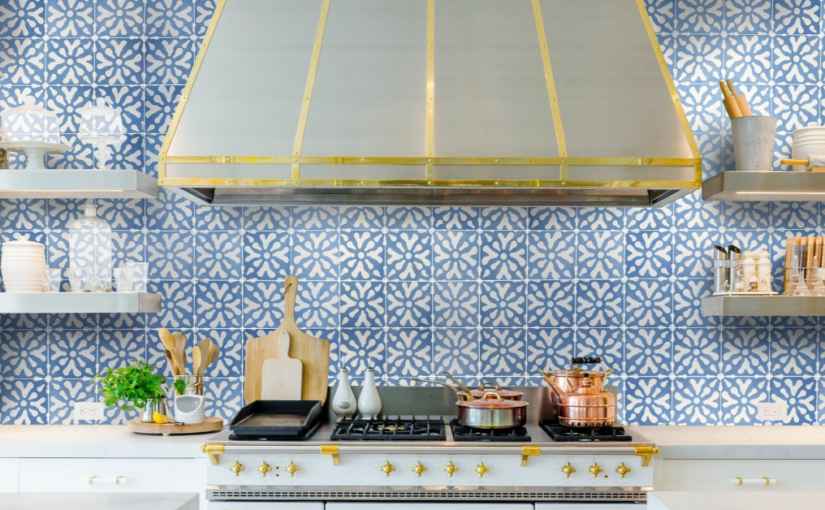
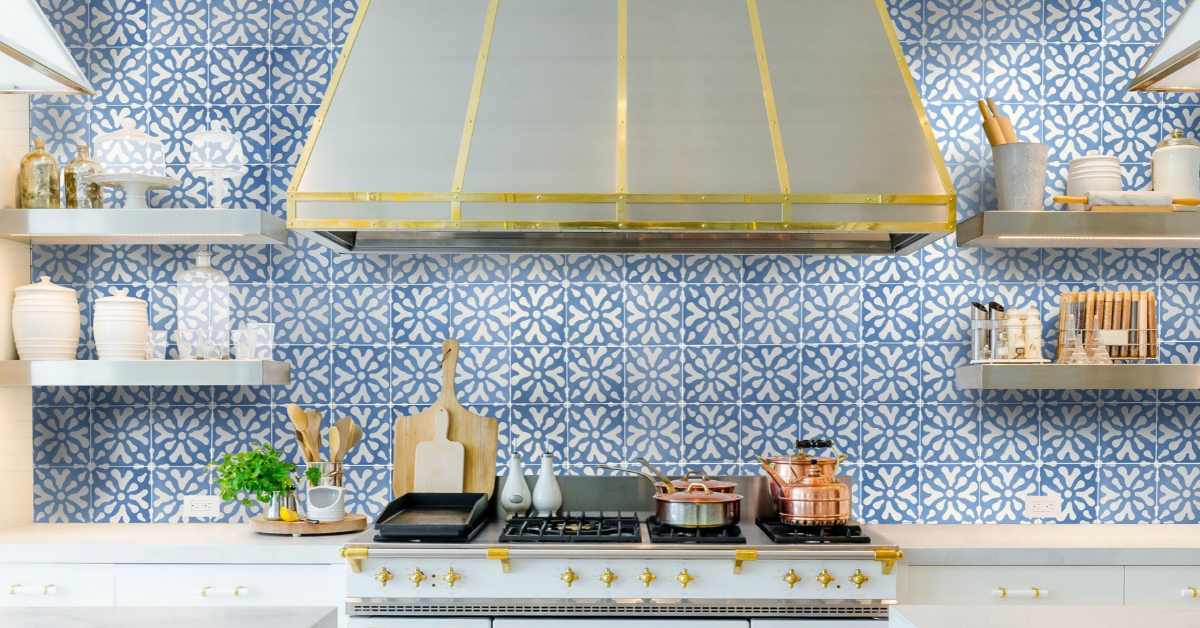
Cement tile has never been shy—with rich color and expressive pattern, it can give a room an identity before the furniture even arrives. That personality is part of its appeal, but it also means choosing a pattern deserves more thought than simply picking the first design that catches your eye.
The good news is that bold does not have to mean overwhelming. The best tile choices create visual interest while still feeling connected to the architecture and overall mood of the space. These tips for choosing cement tile patterns that pop can help narrow the options and make that decision feel much more intuitive.
1. Start With the Mood of the Space
Before focusing on individual patterns, think about how the finished room should feel. A pattern with strong geometry may bring a crisp, energetic quality to a space, while a softer motif can create a more relaxed atmosphere.
This approach gives you a useful filter when looking through tile options. Instead of asking whether a pattern is attractive on its own, consider whether it supports the feeling you want the room to have. A beautiful design can still be the wrong design when its personality does not match the setting.
For designers, this also keeps the tile connected to the larger concept. The pattern becomes part of the room’s visual language rather than an isolated decorative choice.
2. Consider Pattern Scale Carefully
Scale can completely change how a cement tile pattern reads once installed. A motif that looks intricate when viewed as a single tile may form a much broader design when repeated across a floor or wall.
That makes it important to picture the pattern beyond the individual sample. Think about the dimensions of the installation and how much uninterrupted surface will be available for the design to develop. A large repeating motif needs enough room to reveal its rhythm, while a more compact pattern can create energy within a smaller area.
Viewing several tiles together can make this decision easier. It gives you a better sense of the full repeat and helps prevent surprises once the installation covers a much larger surface.
3. Let Color Create the Right Amount of Contrast
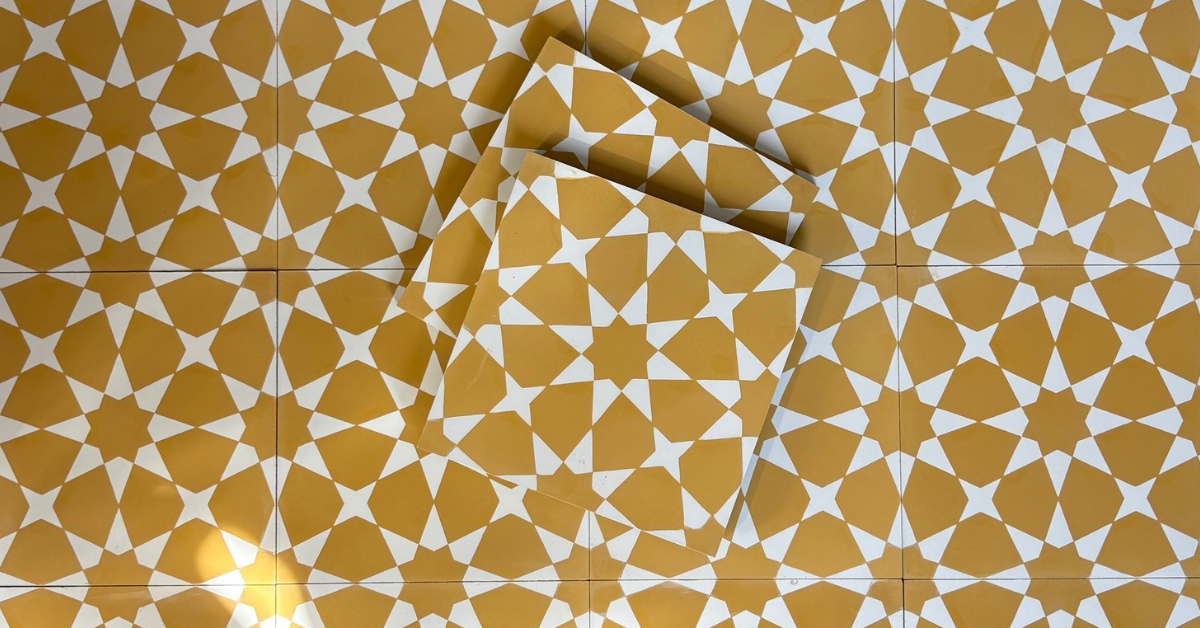
Color is one of the easiest ways to give cement tile presence, but contrast determines how strongly that color gets noticed. A pattern with distinct differences between its shades will naturally command more attention than one built around closely related tones.
The right level of contrast depends on the role you want the tile to play. When the surface is meant to become a major visual feature, stronger contrast can give the pattern definition from across the room. A quieter palette can still make an impression when the design itself carries enough movement.
Consider surrounding finishes as part of this decision. The tile does not exist in a vacuum, so its colors should feel intentional alongside the materials already shaping the room.
4. Look at the Pattern From Across the Room
Cement tile is often chosen up close, but that is not how people will always experience it. Floors are viewed from doorways, and feature walls may be seen from the opposite side of a room. Distance can make individual details blend together and reveal a larger pattern that is difficult to see when holding one tile.
This is especially important with encaustic cement tiles, where repeated motifs can produce a striking overall composition. The effect of the full installation may be very different from the impression created by a single piece.
Whenever possible, consider the design at something closer to room scale. That broader perspective can show whether the pattern has the visual impact you want without feeling disconnected from the rest of the space.
5. Give Bold Tile Some Breathing Room
A statement pattern becomes easier to appreciate when it has enough visual space around it. If every nearby finish is competing for attention, even a beautiful cement tile design can get lost in the noise.
That does not mean the rest of the room needs to become plain. It simply means surrounding choices should allow the tile to have a clear role. When another major surface is already visually active, consider how the two elements will relate rather than treating them as separate decisions.
Breathing room can also make intricate tile feel more sophisticated. The eye has somewhere to rest before returning to the pattern, which lets its details stand out without making the room feel overly busy.
6. Use Architecture to Guide Pattern Placement
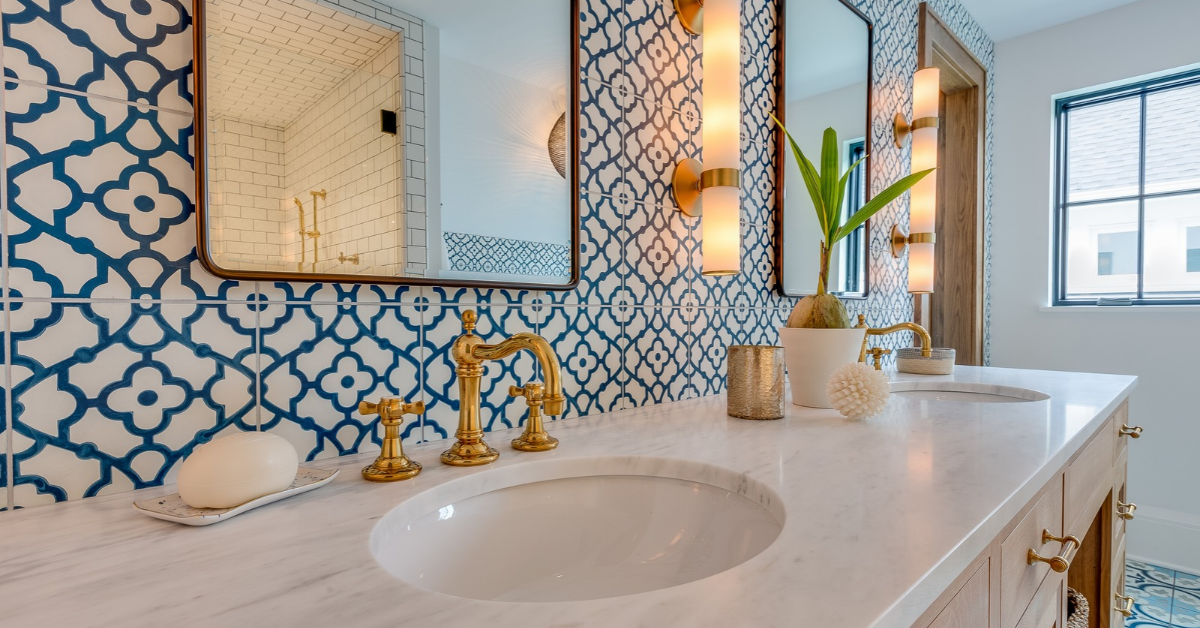
The shape of a room can help determine where a patterned surface will have the greatest impact. Architectural boundaries often provide natural places for tile to begin or end, making the installation feel integrated rather than added as an afterthought.
Consider sightlines when making this choice. A tile pattern placed where it is visible upon entering can establish the character of a space immediately. In other situations, allowing the pattern to reveal itself gradually may create a more subtle sense of drama.
This is where design context matters as much as the pattern itself. The same tile can feel completely different depending on where it appears and how the architecture frames it.
7. Think Beyond Trends
Trends can be useful sources of inspiration, but cement tile has enough personality to deserve a longer view. A pattern that feels exciting today should still make sense with the overall design direction after the latest look has moved on.
One way to approach this is to focus on what genuinely suits the project. If a strong geometric design complements the architecture, its appeal does not have to depend on whether geometry happens to be having a moment. The same idea applies to color: a distinctive palette can feel enduring when it belongs naturally in the room.
Choosing for the space rather than for a trend can also make bold tile easier to live with. The pattern feels purposeful because it has a reason to be there.
Make the Pattern Part of the Bigger Picture
Choosing bold cement tile is ultimately about balance. Pattern should have enough personality to make an impression while still feeling at home within the architecture and broader design concept. When scale and placement are considered in context, an expressive surface can feel intentional rather than overpowering.
These ideas for selecting standout cement tile patterns offer a framework, but the strongest choice will always respond to the individual project. The goal is not simply to find the loudest tile in the room. It is to find the pattern that gives the space exactly the kind of character it needs.