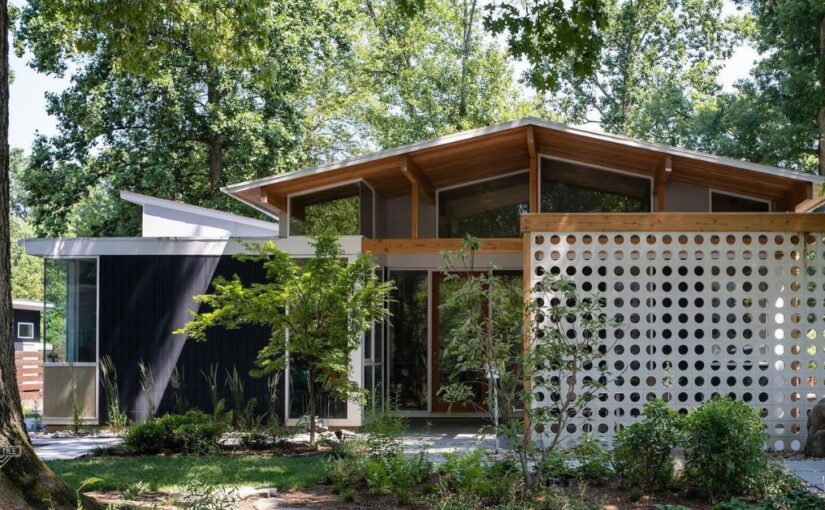

Breeze blocks might just be the unsung heroes of sustainable design. You’ve probably spotted these geometric, open-patterned blocks in retro architecture or trendy spaces, but their impact goes far beyond aesthetics. These simple yet versatile building materials are having a major comeback—not just because they look great, but because they champion eco-conscious construction.
Our guide will explore how breeze blocks contribute to sustainability in ways you may not expect. We’ll break down their ability to reduce waste, improve energy efficiency, and create more environmentally friendly structures. Whether you’re a design enthusiast, homeowner, or green builder, you’ll discover how this humble material can have a big impact on modern, sustainable spaces.
Reducing Construction Waste
The uniform design of breeze blocks allows builders to plan projects with accurate measurements, which means fewer off-cuts or leftover materials to dispose of. Additionally, these blocks are often manufactured using recycled materials like industrial by-products, such as fly ash or slag, which would otherwise go to waste.
When a building reaches the end of its life, the blocks are usually recyclable or even reusable, minimizing their environmental impact further. This combination of resource-efficient production and long-term usability makes them a smart choice for anyone looking to prioritize sustainable building practices while reducing unnecessary landfill contributions. Their simplicity is part of the beauty; they make it easier to design and build with purpose.
Encouraging Natural Airflow
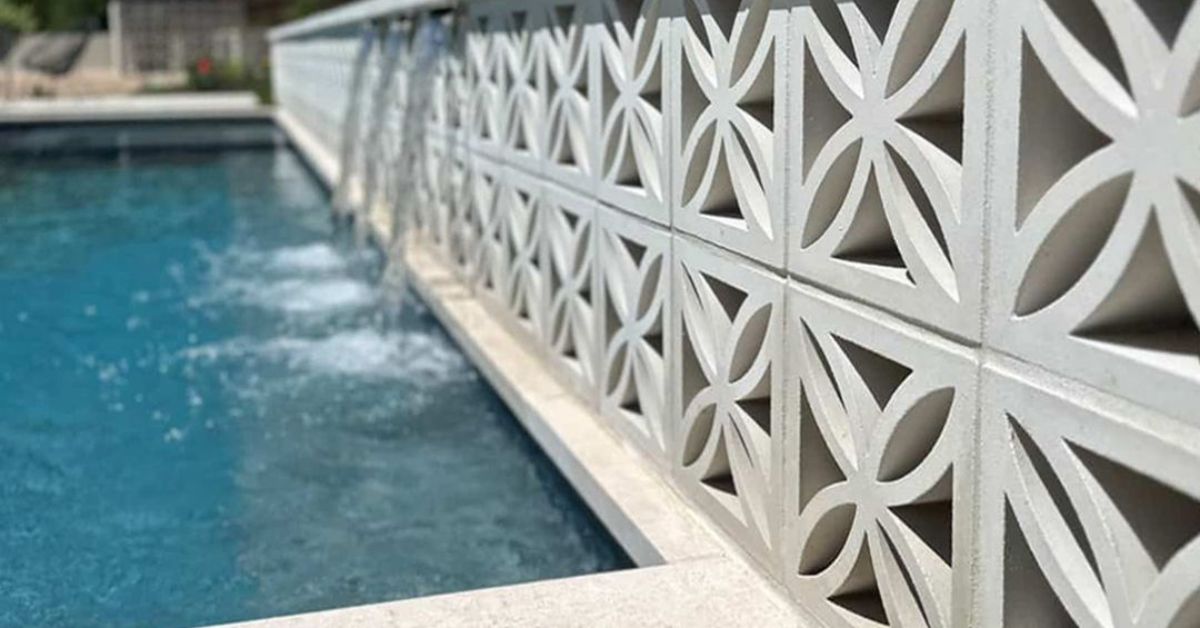
The lattice-like patterns of these designer cement blocks serve more than decorative purposes; they allow buildings to take advantage of natural ventilation. This feature helps to maintain airflow, keeping spaces cooler in warmer climates without relying heavily on energy-intensive air-conditioning systems. They create openings that channel breezes into interiors while maintaining enough structure for privacy and protection.
By reducing the dependency on mechanical cooling, this design directly cuts energy use and lowers electricity costs. Homes and buildings with sufficient ventilation also benefit from fewer moisture-related issues like mold, which contributes to healthier and longer-lasting spaces. Integrating natural airflow into designs is an effective step toward creating more energy-efficient and comfortable buildings year-round.
Harnessing Natural Light More Efficiently
By filtering natural light through intricate patterns, breeze blocks can illuminate interiors softly and minimize the need for artificial lighting during the daytime. You can strategically place them to block harsh, direct sunlight while still diffusing enough light to brighten a room.
This approach reduces energy costs and creates a cozy ambience. For regions that experience intense heat, they can also limit temperature fluctuations by shading areas from excessive solar gain. This thoughtful use of natural light proves that sustainable choices don’t have to come at the cost of style; they can beautifully balance function and form.
Offering Long-Lasting Durability
Longevity is a linchpin of sustainability, and the durability of these blocks makes them a fantastic resource. Made from robust materials like concrete, they are designed to withstand decades of use with minimal wear and tear. They’re capable of holding up against harsh weather conditions such as heavy rain, strong winds, and even extreme temperature changes.
Durable materials like these reduce the need for frequent repairs or replacements, ultimately lowering the environmental impact of construction over time. By investing in building elements that last, designers and developers can cut down on resource consumption across a project’s life cycle. Materials that work this hard contribute to a more conscious approach to construction.
Improving Energy Efficiency
Breeze blocks’ thermal properties go beyond what meets the eye. Concrete materials used in the blocks can regulate indoor temperatures by absorbing and storing heat during the day and releasing it at night. This thermal mass effect keeps climate control in buildings more stable, lowering heating and cooling demands.
Strategic use of these blocks in architecture can create spaces that remain comfortable in both summer and winter with minimal need for mechanical interventions. This passive energy-saving capability is a powerful move toward lowering emissions and reducing reliance on non-renewable energy sources. Smart designs like this ensure greater harmony between human needs and environmental health.
Eco-Conscious Manufacturing Innovations
Advancements in sustainable production methods make this underrated building material even more eco-friendly. Manufacturers are refining techniques to use recycled aggregates, low-carbon concrete mixes, and even renewable energy in production. Many suppliers also focus on local manufacturing, which reduces transportation emissions and further supports sustainability goals.
These thoughtful production choices result in materials that are simultaneously high-performing and much kinder to the planet. Picking elements made sustainably can make a real difference when you’re aiming for a green construction project. Supporting these industry shifts encourages wider adoption of responsible building material practices.
Blending Nature With Design
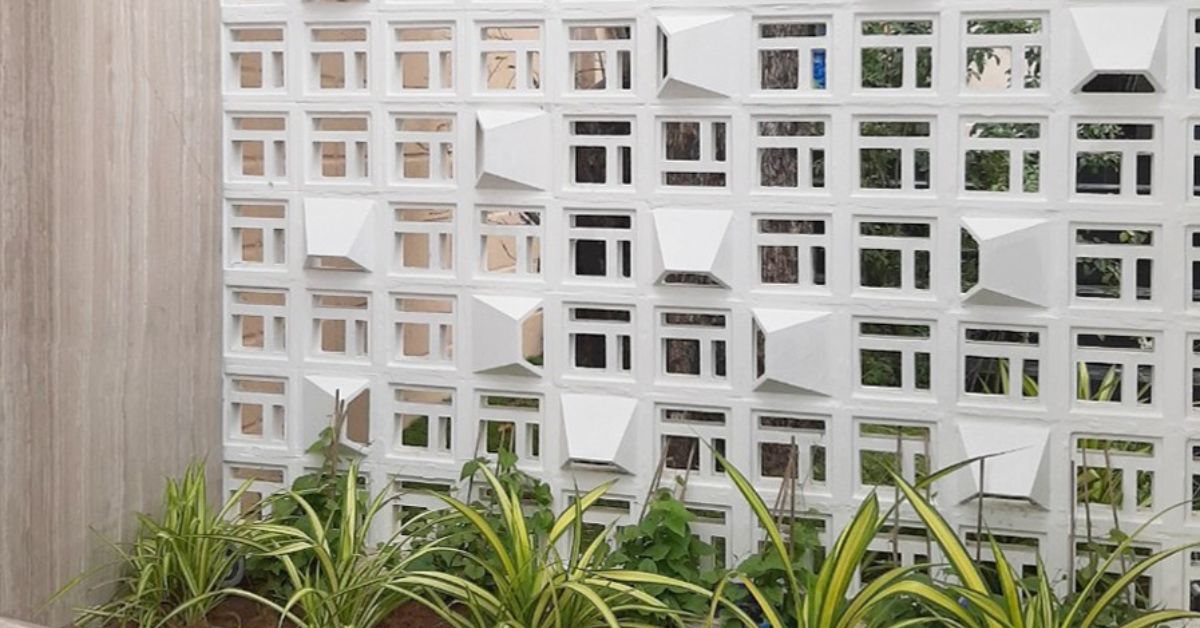
One of the unique ways these blocks contribute to sustainability is by fostering connections to the natural world. They’re perfect for creating green walls where climbing plants can thrive, offering both environmental and aesthetic benefits. By encouraging plant growth, these breeze block designs contribute to better air quality and biodiversity, even in dense urban settings.
Outdoor spaces made with these blocks can also provide shade and shelter for small animals, helping ecosystems adapt around human developments. This integration of living elements into architecture not only boosts sustainability but also enhances well-being by bringing a touch of nature to everyday life.
Suiting a Range of Architectural Styles
The versatility of breeze blocks makes them a favorite across different architectural preferences. They can enhance the charm of mid-century modern aesthetics, complement minimalist designs, or add interest to traditional settings. Choosing materials that fit so many styles reduces the need for additional decorative elements, which saves both resources and time.
Form meets function through their ability to serve practical uses like shading or airflow while adding visual intrigue with their patterns. By prioritizing multi-functional and adaptable solutions, designers can ensure that spaces remain timeless and efficient, reducing the need for future renovations or material overhauls. Simple decisions like this can ripple into larger sustainable impacts.
Now What?
Breeze blocks prove that sustainability and style can go hand in hand. Beyond their practical benefits, they offer a reminder that innovative designs can help us build a better future without sacrificing creativity. Choosing materials that work with the environment rather than against it is a step toward making eco-conscious living more accessible and inspiring.
If this has sparked ideas for your next project, why not explore how you can use these versatile blocks in your own designs? Whether you’re thinking about a cutting-edge architectural statement or a small outdoor feature, the possibilities are endless. Start brainstorming, get creative, and play a part in shaping spaces that are as sustainable as they are stunning.