
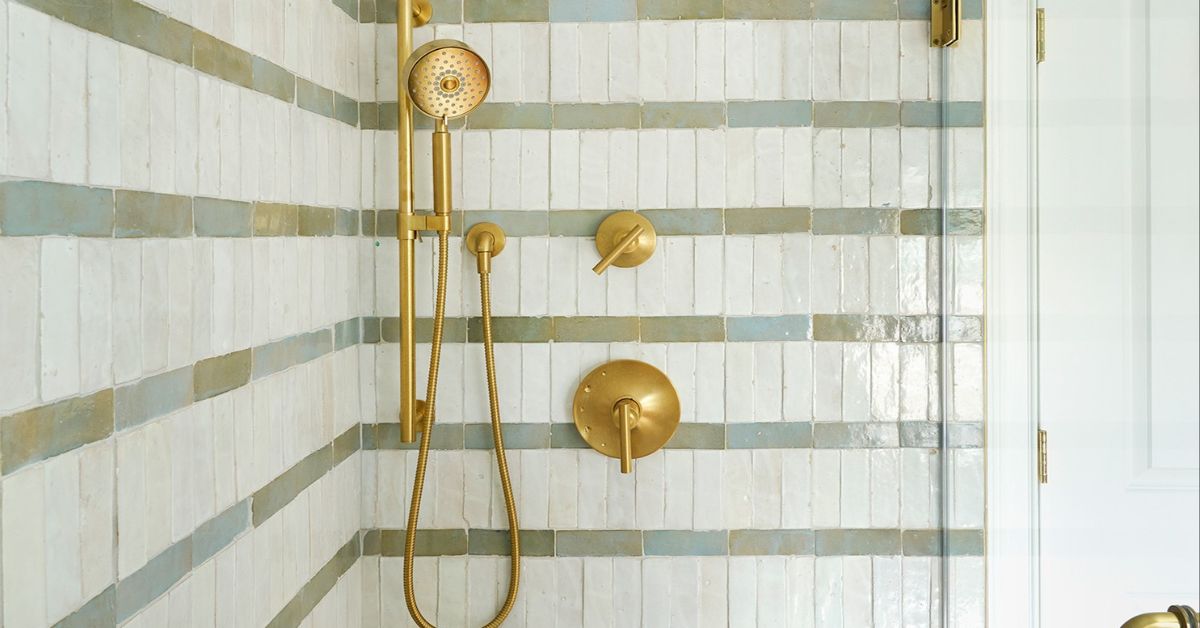
Zellige tiles, a hallmark of Moroccan design, have long been celebrated for their intricate patterns and exquisite craftsmanship. These handcrafted tiles, often characterized by vibrant colors and geometric motifs, hold centuries of history and cultural significance. From their origins in North Africa to their modern presence in global interior design, Zellige tiles transcend time and borders, offering an undeniable aesthetic appeal. Their unique patterns are not merely decorative but a symphony of art, tradition, and mathematics that admirers still prize today. Exploring the unique patterns of Zellige tiles not only provides valuable historical context, but also allows you to find ways to incorporate the design into your own home.
The Historical Elegance of Zellige Tiles
We can trace the origins of Zellige tiles back to the 10th century in Morocco, where skilled artisans began creating these stunning mosaics. With roots in Islamic art, Zellige tiles adhere to the principles of aniconism, avoiding depictions of living beings and emphasizing geometric and floral motifs instead. These intricate designs were heavily influenced by Islamic mathematics, resulting in patterns that emphasize symmetry and rhythm.
Historically, Zellige tiles adorned palaces, mosques, and riads, symbolizing sophistication and cultural pride. Craftsmen created these tiles using raw natural clay, hand-chiseled into shapes like triangles, stars, and polygons and arranged into mesmerizing patterns. The firing techniques perfected by Moroccan artisans delivered vivid colors, creating timeless mosaics that still captivate today. Zellige craftsmanship became a symbol of Morocco’s cultural identity and remains a testament to the enduring importance of this art form.
The Art of Crafting Zellige Tiles
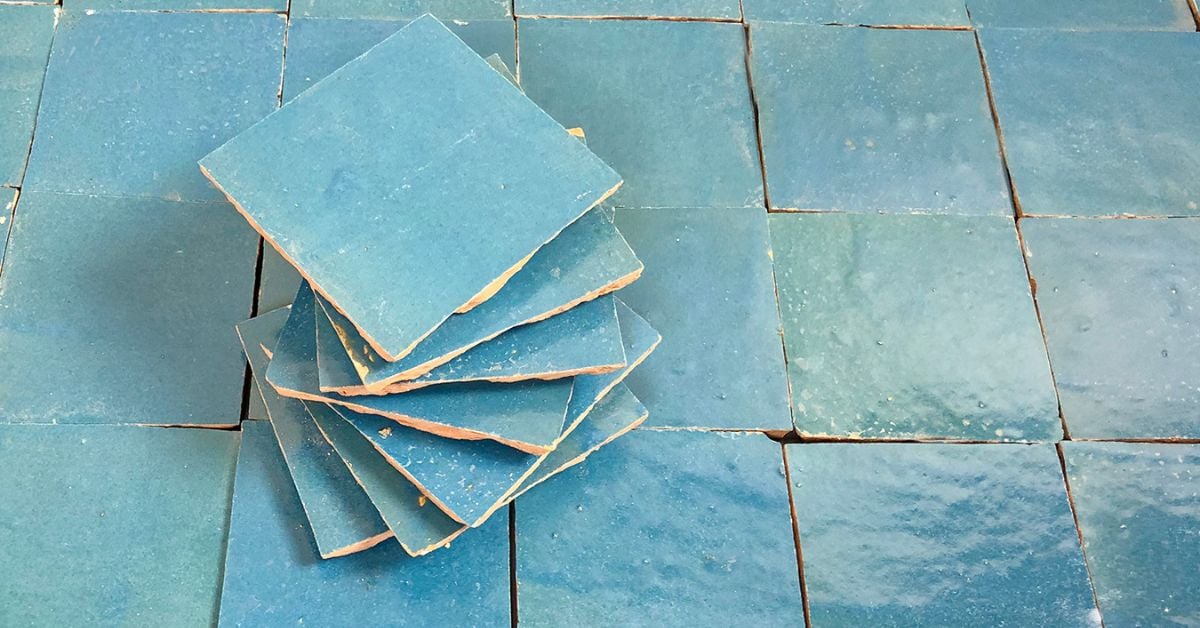
What sets Zellige tiles apart from other types of tiling is their artisanal production process, which remains rooted in tradition. Unlike mass-produced tiles, Zellige is crafted entirely by hand. The process begins with natural clay, often sourced from the Fez region, which is molded, sun-dried, and then fired in kilns. After the initial firing, the tiles are coated with enamel glazes in a variety of jewel-like colors before being fired again to achieve their signature glossy finish.
The most intricate step in creating Zellige tiles is the hand-cutting process. Skilled artisans carve the tiles into precise geometric shapes using traditional tools, ensuring each piece is entirely unique. Artists then meticulously assemble these tiles to form elaborate mosaics, showcasing patterns that range from simple to exceedingly complex. It is this dedication to craftsmanship and the human touch in every tile that gives Zellige its distinct charm.
The Diversity of Patterns in Zellige Tiles
One of the defining features of Zellige tiles is their breathtaking variety of patterns rooted in mathematics and symmetry. Common motifs include stars, floral designs, and interwoven geometric shapes, although the possibilities are nearly limitless. Each pattern carries a distinct cultural or symbolic meaning, reflecting the ingenuity of artisans who craft them.
Star-shaped patterns, often seen in traditional Zellige work, symbolize unity and infinity, echoing spiritual and philosophical themes present in Islamic art. The intertwining lines and angles demonstrate the perfect balance between chaos and order, creating a sense of harmony. Whether arranged in complex web-like designs or repeated in simpler arrangements, these patterns highlight Zellige’s adaptability and timelessness.
Modern interpretations of Zellige tiles have added new dimensions to these patterns, incorporating fresh perspectives while honoring traditional principles. Designers today often mix motifs and color palettes, taking inspiration from the past while aligning with contemporary tastes. This blend of old and new ensures that Zellige tiles remain a favorite in both classic and modern spaces.
The Cultural Significance of Zellige Tiles
Zellige tiles are deeply embedded in Moroccan culture and represent more than just decorative elements. They are a storytelling medium, reflecting the rich history, craftsmanship, and cultural identity of the region. Historically, Zellige tiles were an integral part of architectural design in religious and secular buildings. They conveyed themes of spirituality, order, and the infinite nature of creation.
Even today, Zellige tiles carry symbolic meanings. Their geometric complexity speaks to a deep understanding of harmony and interconnectedness, while their vibrant colors evoke emotions ranging from tranquility to energy. These tiles continue to bridge the gap between culture, art, and functionality, making them a valuable cultural artifact in the modern world.
Zellige Tiles in Modern Design
While Zellige tiles remain a symbol of Moroccan heritage, their appeal has gained a global following and transformed modern design aesthetics. These tiles have found a place not only in traditional Moroccan settings but also in contemporary homes, boutique hotels, and luxury spaces around the world. Their handcrafted imperfections and luminous surfaces make them a versatile choice for walls, floors, kitchens, and bathrooms.
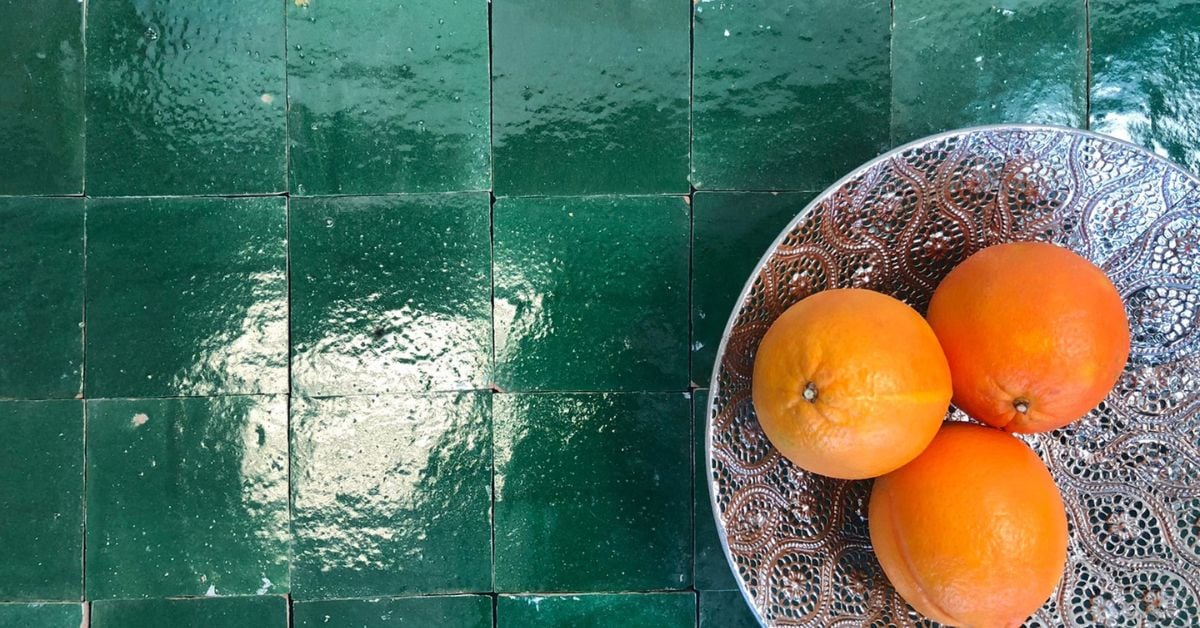
Designers admire Zellige tiles for their ability to create texture and depth in a space. The glossy enamel finish reflects light beautifully, adding both warmth and sophistication to interiors. Many homeowners choose Zellige tiles for their kitchens or bathrooms because the tiles’ timeless quality ensures they remain in style for decades. Contemporary designs often blend traditional motifs with minimalist settings, demonstrating the adaptability of Zellige.
For those seeking to add a touch of authenticity to their spaces, incorporating Zellige tiles is an excellent choice. Their balance of tradition and modernity makes them suitable for practically any design theme and ensures that they never go unnoticed.
The Timeless Appeal of Zellige Tiles
What makes Zellige tiles truly remarkable is their ability to transcend time and trends while retaining their authenticity. These tiles, crafted with care and rooted in centuries of tradition, are a testament to the enduring importance of cultural heritage and artisanal dedication. Their patterns continue to inspire creativity, whether in a traditional Moroccan courtyard or a cutting-edge urban loft.
Zellige tiles are a celebration of artistry, culture, and craftsmanship that unites past and present. By understanding the unique patterns of Zellige tiles and their vibrant colors, we can all admire the beauty that emerges from blending mathematics with creativity. For those captivated by the interplay of history and design, Zellige tiles offer a perfect medium to appreciate the union of art and function. Just as they have graced architectural masterpieces for centuries, they will undoubtedly continue to do so for generations to come.
If you’d like to incorporate Moroccan mosaic tiles into your interior design, Villa Lagoon Tile has a unique and diverse selection for you to choose from. Whatever your aesthetic tastes may be, we have something to bring your designs to life.