Old Meets New: The Revival of Encaustic Tiles

There’s something captivating about design elements that refuse to fade away. Trends come and go, but certain materials carry a sense of permanence that keeps them relevant across generations. When old meets new, the revival of encaustic tiles is one of those stories—where heritage craftsmanship intersects with modern style in a way that feels both grounded and fresh.

Today’s interiors are embracing character again. Clean lines still have their place, but many spaces now lean toward warmth and individuality. Designers and homeowners are reaching for materials that tell a story. Encaustic tiles, with their rich history and bold patterns, are stepping back into the spotlight in a meaningful way.

A Brief History That Still Feels Present

Encaustic tiles date back centuries, with roots in Europe and the Mediterranean. Unlike glazed tiles, their patterns are not printed on the surface. Instead, the design is created by inlaying different colors of cement into the tile itself. This technique gives them depth and long-term durability.

Historically, these tiles were used in spaces like churches, courtyards, and historic homes. Their intricate designs and handcrafted nature made them a symbol of artistry. Walking across an old encaustic floor often feels like stepping into a preserved moment in time.

What makes their return so compelling is that these same qualities still resonate today. In a world of fast production, the tactile, handmade feel of encaustic tiles offers something authentic.

Why Encaustic Tiles Are Making a Comeback

Design trends often circle back, but this revival feels intentional. Modern interiors are shifting toward personality and layered aesthetics. Encaustic tiles fit naturally into that movement.

They bring visual interest without relying on short-lived trends. The patterns are bold yet timeless, geometric but still fluid. This balance allows them to work in both contemporary and traditional settings.

Another factor driving their popularity is the growing appreciation for craftsmanship. Many people want materials that feel considered and thoughtfully made. Encaustic tiles deliver on that, adding depth to any space.

Old Meets New: The Revival of Encaustic Tiles

The Perfect Blend of Old and New

What makes encaustic tiles so versatile is how easily they adapt to modern design. They don’t feel stuck in the past; instead, they act as a bridge between eras.

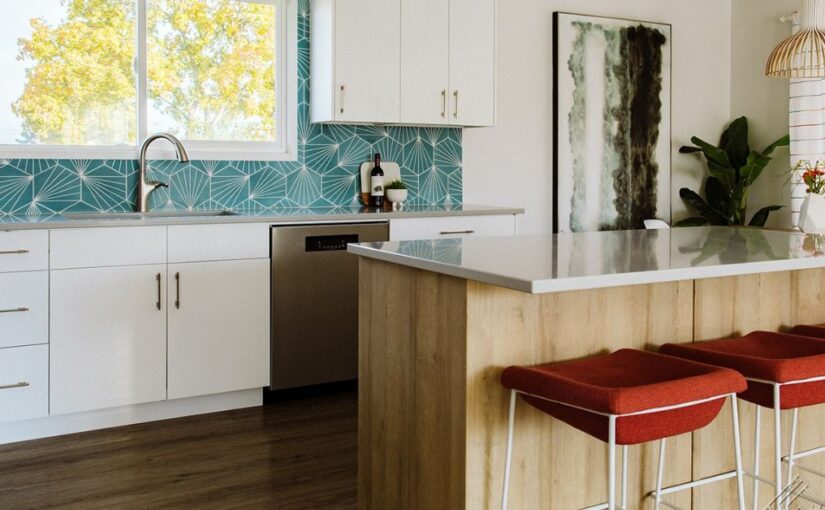
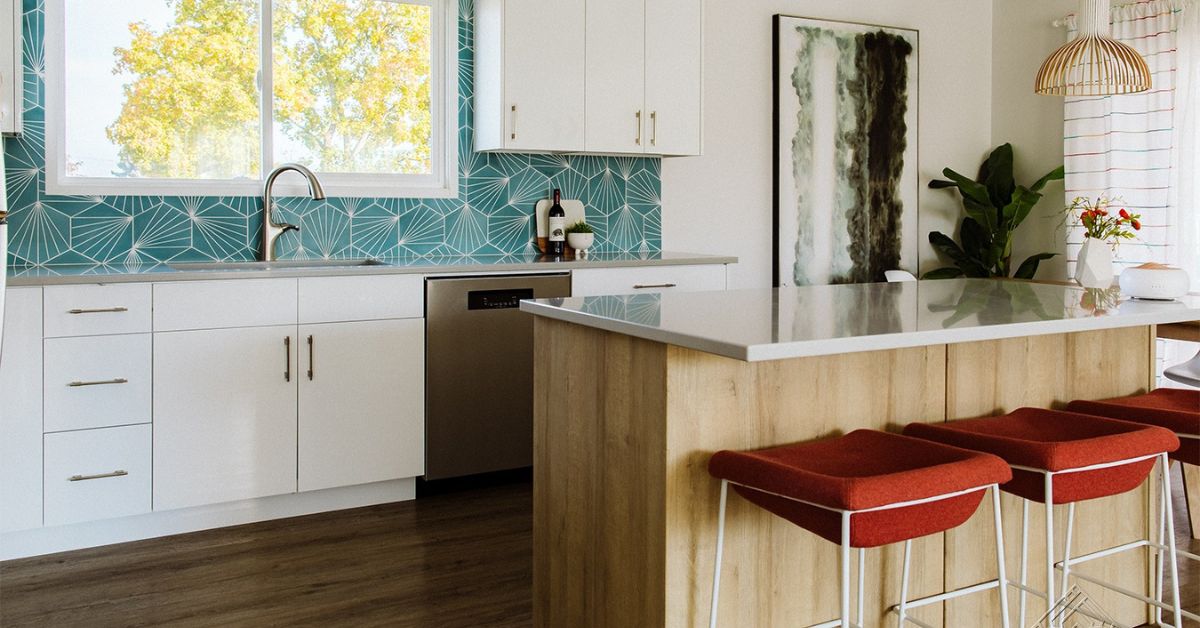
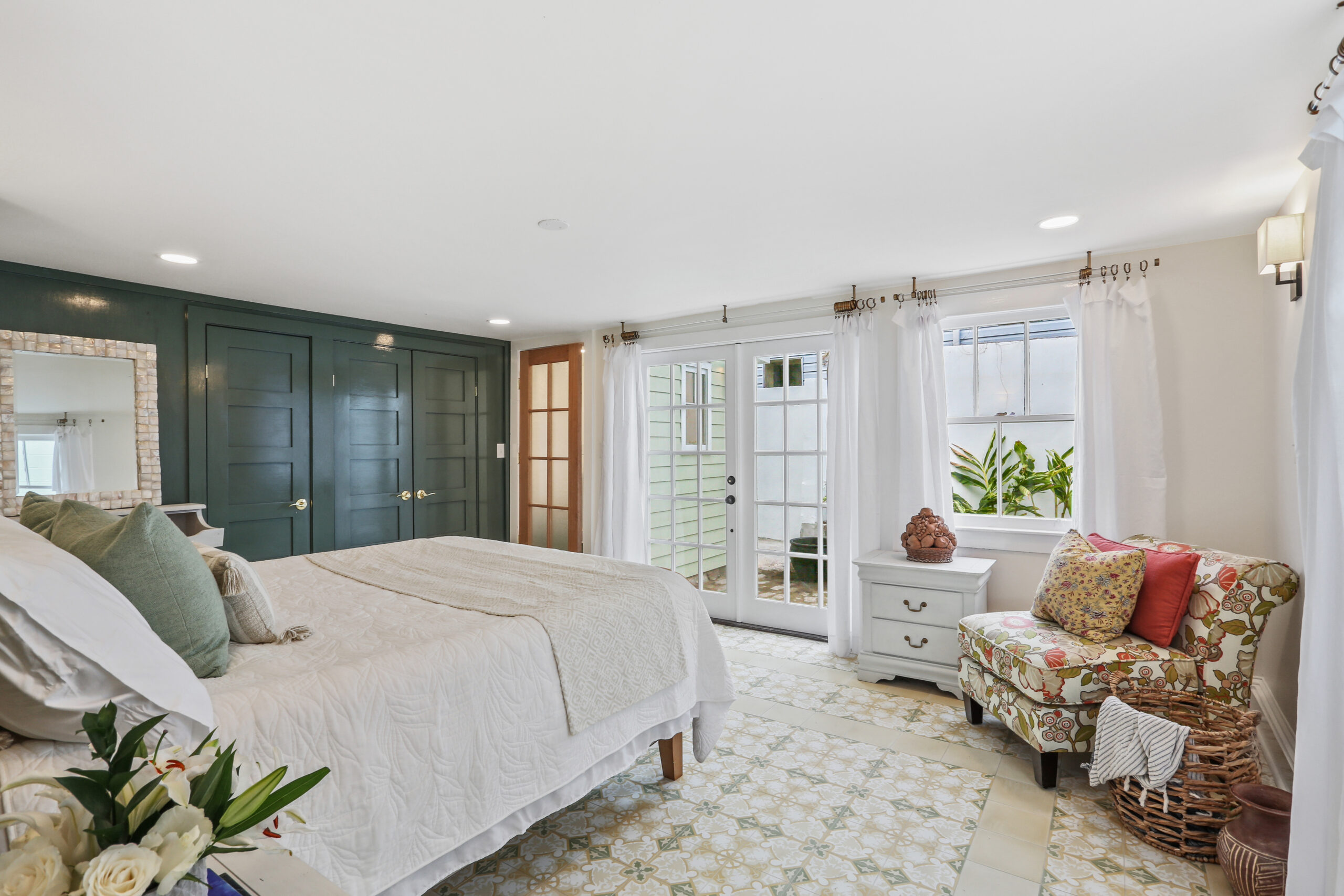
In a sleek kitchen, a patterned encaustic backsplash can soften the space and add personality. In a minimalist bathroom, a bold tile floor can become the focal point without overwhelming the design. Even in commercial spaces, these tiles create a sense of identity.

This balance is what defines the movement. It’s not about recreating historical spaces but reinterpreting them. That’s why the resurgence of encaustic tile design in modern interiors feels so natural; it honors tradition while embracing innovation.

Patterns That Tell a Story

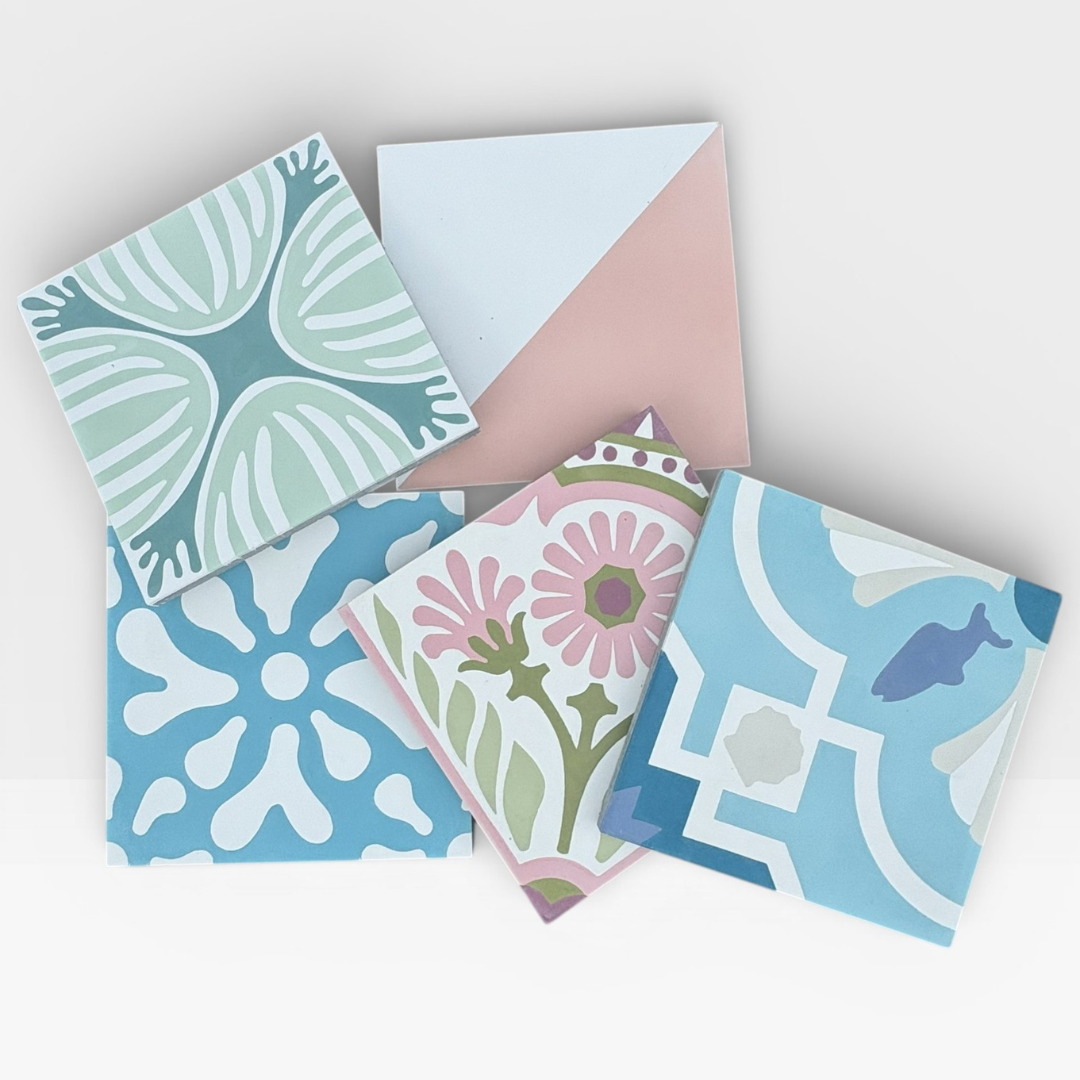
One of the most appealing aspects of encaustic tiles is their pattern work. From intricate florals to bold geometrics, each design carries a distinct personality.

These patterns can be used to create everything from subtle accents to statement-making surfaces. A small entryway can feel elevated with a carefully chosen tile layout, while a large open floor can become more dynamic with repeating motifs.

Designers often use encaustic tiles to define spaces within open layouts. A patterned section of flooring can visually separate a kitchen from a living area without the need for walls. This kind of flexibility makes them valuable in modern homes.

Color That Grounds a Space

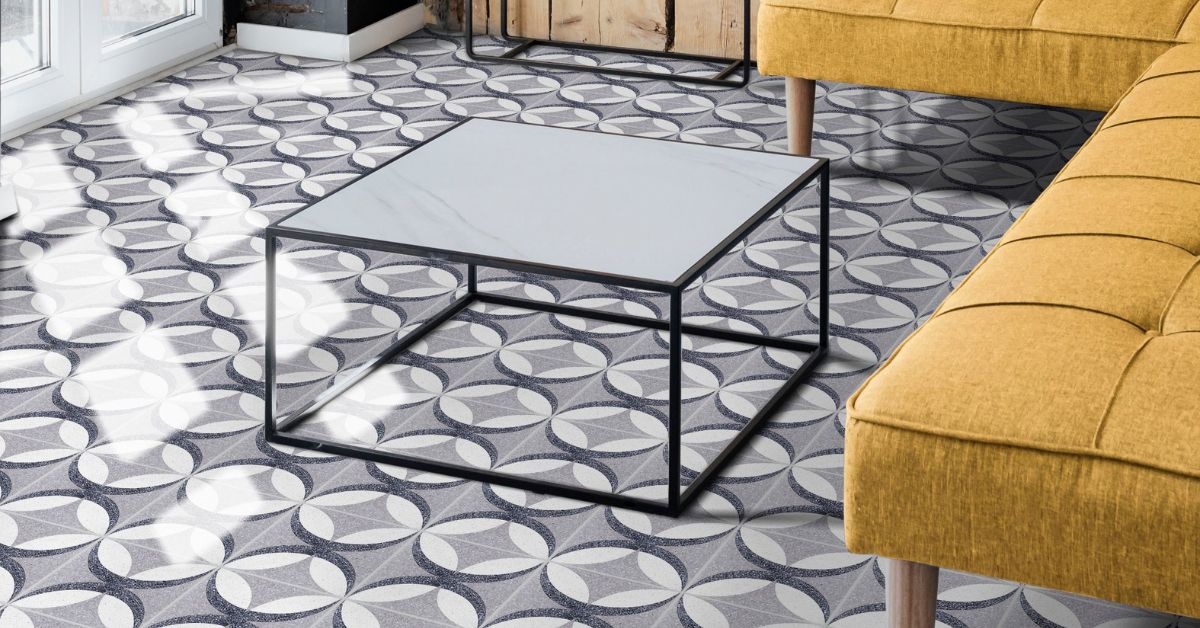
Color plays a major role in the appeal of encaustic tiles. Unlike painted or glazed surfaces, the pigments are embedded within the tile itself. This creates a matte finish that feels rich without being overly glossy.

The color palettes range from muted neutrals to bold contrasts. Soft grays, warm terracottas, and deep blues are popular in today’s designs. These tones work well with natural materials like wood and stone.

Because the color runs through the tile, it also ages gracefully. Over time, the surface develops a subtle patina that adds to its character.

Where Encaustic Tiles Shine Today

Modern applications of encaustic tiles go far beyond their traditional uses. They’re no longer limited to historic renovations or classic spaces.

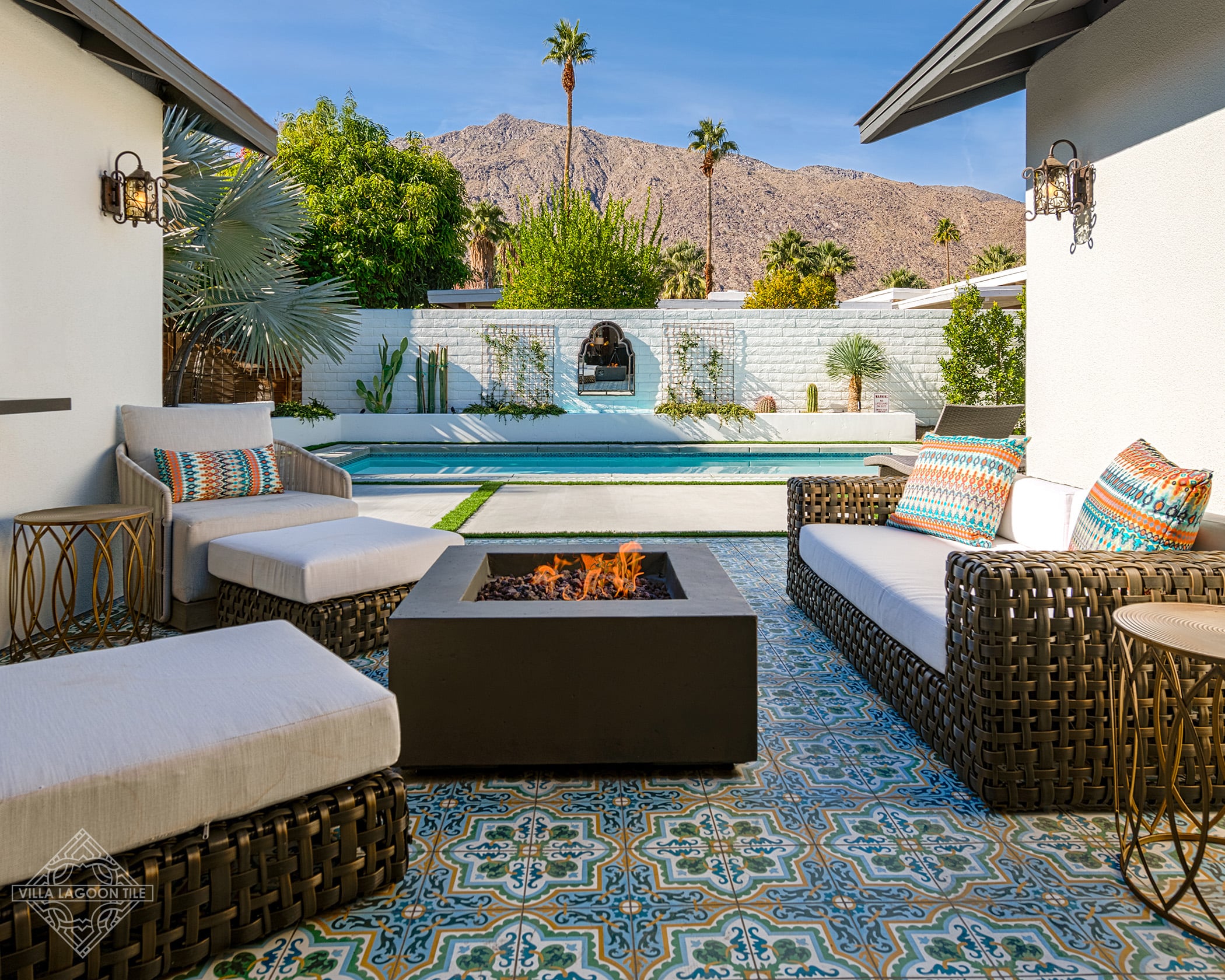
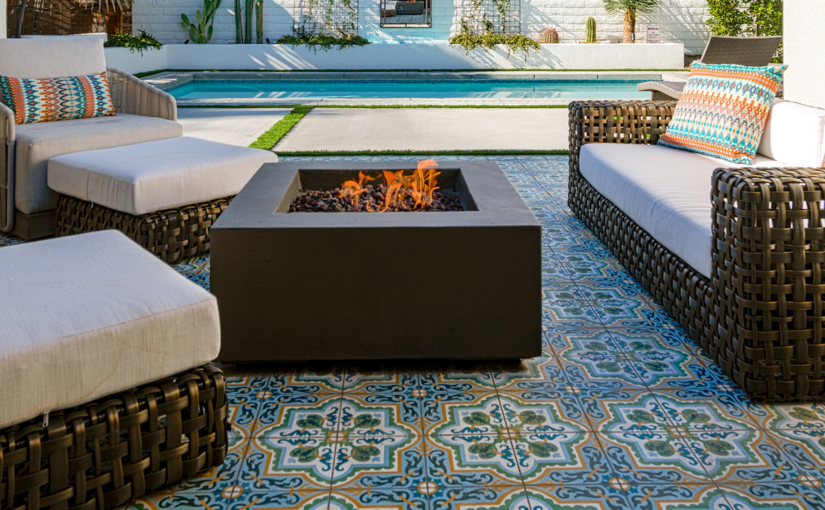
In kitchens, they make striking backsplashes or feature floors. In bathrooms, they add texture and interest, transforming even small areas into design moments. Outdoor areas like patios and courtyards also benefit from their durability and visual appeal.

Commercial spaces are embracing them as well. Restaurants and boutiques use encaustic tiles to create memorable environments. The ability to customize patterns and layouts makes them a strong design element.

Craftsmanship That Still Matters

One of the defining qualities of encaustic tiles is how they’re made. The process hasn’t changed much over time, which is part of their appeal.

Each tile is created using molds and layers of pigmented cement. This hands-on approach results in slight variations that give the finished installation a unique feel. No two tiles are exactly alike, and that variation adds character.

For homeowners and designers seeking authenticity, this level of craftsmanship is hard to match. It brings a sense of intention to a space that machine-made materials often lack.

That’s why encaustic cement tiles continue to resonate with those who value both design and quality. They’re not just decorative elements—they’re a reflection of artistry.

Styling Tips for Modern Spaces

Incorporating encaustic tiles into a modern interior doesn’t require a full redesign. Even small applications can have a noticeable impact.

Pairing them with neutral elements helps balance their boldness. Clean cabinetry and simple fixtures allow the tiles to stand out without overwhelming the space. This contrast is key to achieving that “old meets new” aesthetic.

Scale also matters. Larger patterns can make a dramatic statement, while smaller designs create a more subtle effect. Choosing the right scale depends on the size of the space and the overall design goal.

Lighting plays a role as well. Natural light enhances the depth and color of encaustic tiles, highlighting their texture and detail throughout the day.

A Timeless Choice for Modern Living

The renewed interest in encaustic tiles isn’t just about nostalgia. It’s about finding materials that offer both beauty and substance. In a design landscape that often prioritizes speed and uniformity, these tiles stand apart.

They bring history into the present without feeling outdated. They add personality without sacrificing versatility. They also create spaces that feel lived-in and meaningful.

As more designers and homeowners look for ways to make interiors feel personal, encaustic tiles are proving to be more than just a trend. They are a lasting design choice that continues to evolve.

Bringing It All Together

The story of encaustic tiles is one of continuity. Techniques passed down through generations are finding new life in contemporary spaces. Patterns that once adorned historic buildings are now shaping modern homes.

This blend of past and present is what makes their revival so compelling. It’s not about choosing between old and new—it’s about bringing them together in a way that feels intentional.

For anyone looking to add depth, character, and craftsmanship to a space, encaustic tiles offer a solution that feels both timeless and current.

The Ultimate Guide to Breeze Block Patterns

Noise Reduction Strategies Using Decorative Cement Blocks

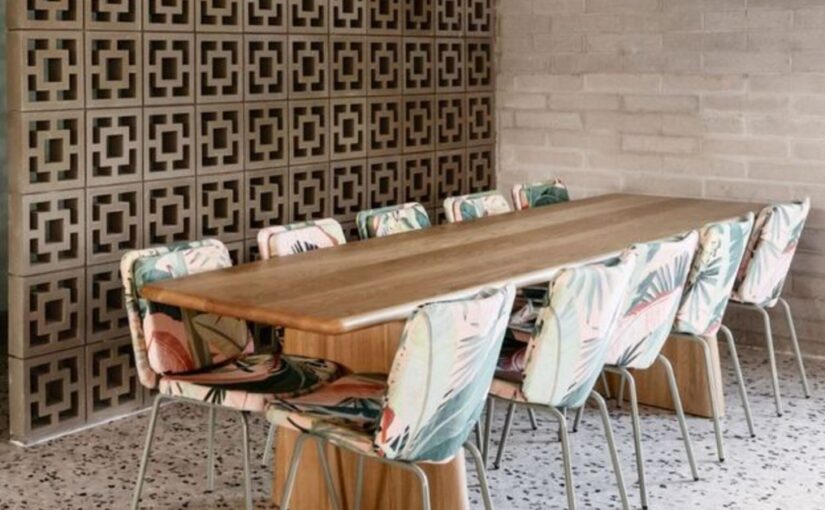
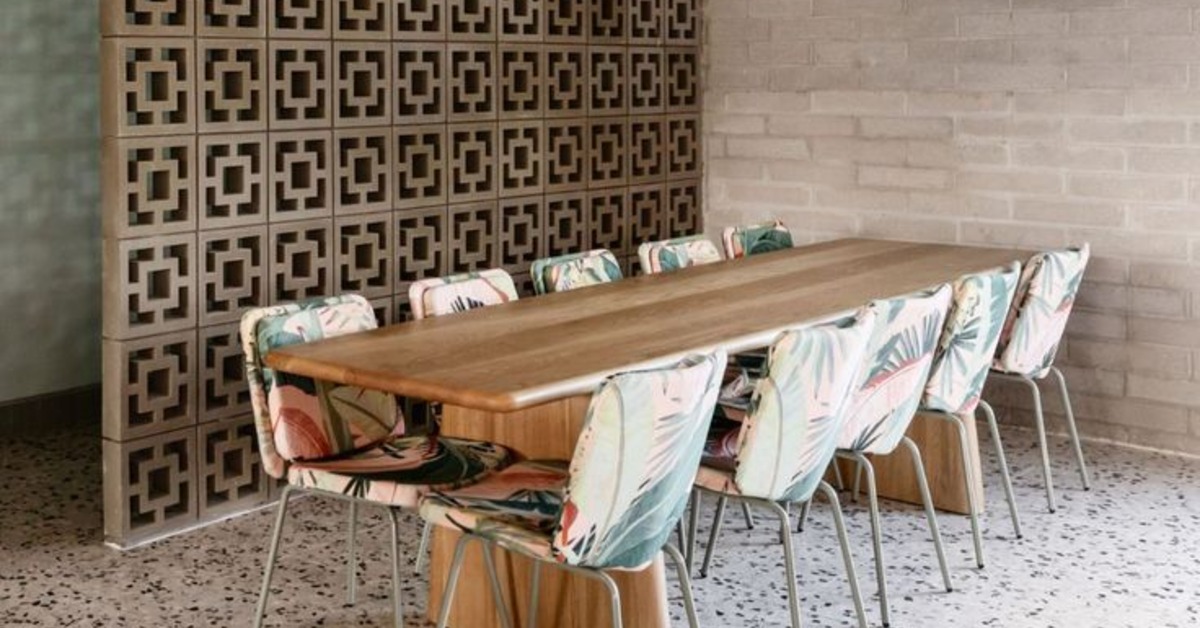
Breeze blocks are having a serious design moment, and it’s easy to see why. With their sculptural cutouts and ability to play with light and shadow, they bring both function and artistry into a space. Whether used indoors or out, these blocks can transform a simple wall into a focal point that feels intentional and elevated.

With this ultimate guide to breeze block patterns, we’ll walk through the styles, uses, and design approaches that make breeze blocks so versatile. If you’re looking for inspiration or simply want to understand how these patterns work, you’re in the right place.

What Are Breeze Block Patterns?

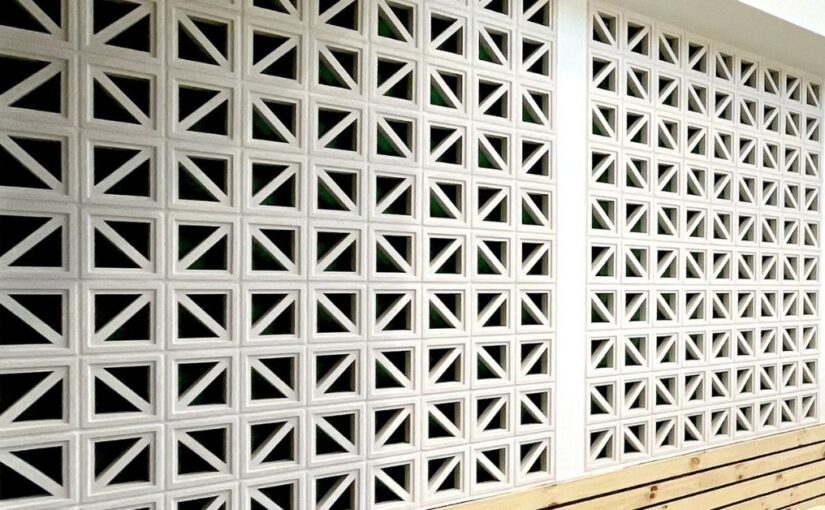
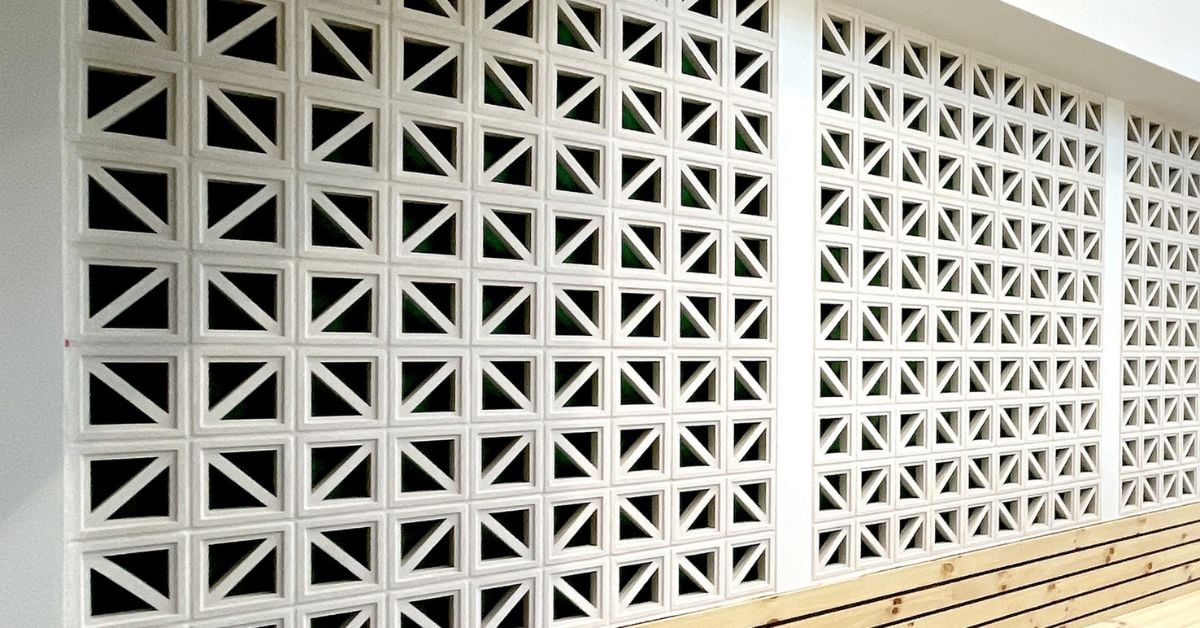
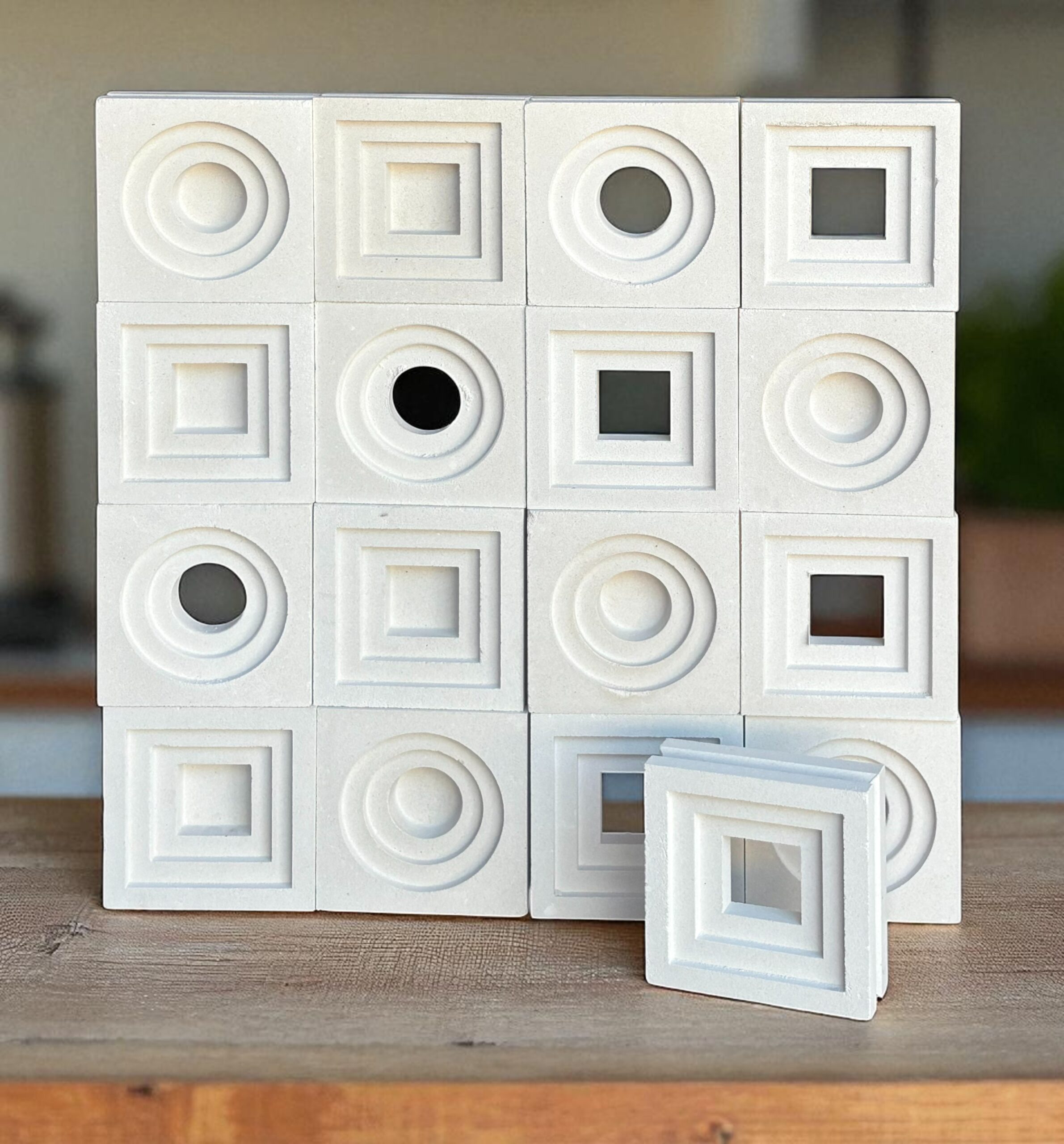
Breeze blocks are decorative concrete blocks with patterned openings that allow air and light to pass through. Originally popular in mid-century architecture, they’ve made a strong comeback in contemporary design thanks to their ability to add texture without overwhelming a space.

The patterns themselves are what make these blocks so compelling. From geometric grids to organic curves, each design creates a different visual rhythm. When repeated across a wall or partition, the pattern becomes a defining feature rather than just a background element.

Because they’re modular, breeze block patterns can be arranged in countless ways. Designers often rotate or alternate blocks to create custom layouts that feel unique to a project.

Why Breeze Blocks Are Back in Style

There’s a growing appreciation for materials that feel both nostalgic and fresh. Breeze blocks hit that sweet spot perfectly; they nod to vintage design while still fitting seamlessly into modern spaces.

They also solve practical design challenges. Need airflow without sacrificing privacy? Breeze blocks handle that. Want to soften harsh sunlight? Their cutouts filter light in a way that feels natural and dynamic.

Another reason for their popularity is their versatility. These blocks work just as well in a sleek urban home as they do in a relaxed coastal setting. That adaptability makes them a favorite among designers working across different styles and project types.

Popular Breeze Block Pattern Styles

The pattern you choose will shape the entire look and feel of your space.

Geometric Patterns

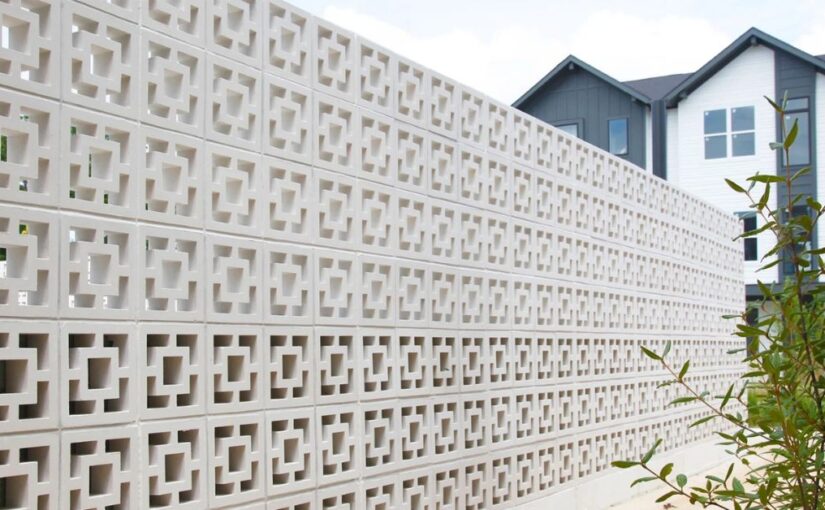
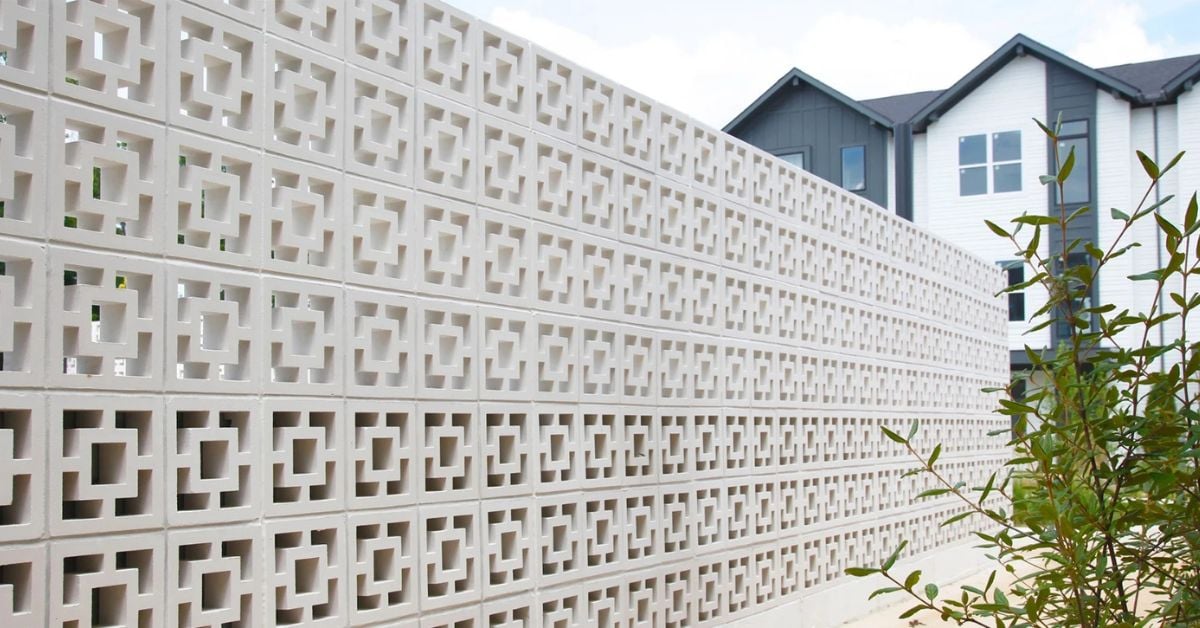
Geometric designs are among the most recognizable. Squares, diamonds, and interlocking shapes create a sense of order and symmetry. These patterns are ideal for modern or minimalist spaces where clean lines matter.

They also tend to feel structured and architectural, making them a great choice for exterior walls or facades that need a strong visual presence.

Organic and Curved Designs

If you want something softer, curved patterns bring a more relaxed and fluid feel. These designs often mimic natural shapes like waves or petals, adding movement to the surface.

They’re especially effective in spaces where you want to balance harder materials like concrete or stone with something more inviting.

Mid-Century Inspired Motifs

Many breeze block patterns draw directly from mid-century design. Starbursts, circular cutouts, and abstract forms give a nostalgic vibe while still feeling current.

These patterns are perfect for anyone looking to bring a bit of retro charm into a space without it feeling dated.

How Pattern Scale Impacts Design

One of the most overlooked aspects of breeze block design is scale. The size of the pattern can dramatically change how a space feels.

Large-scale patterns tend to make a bold statement. They’re easier to see from a distance and work well in open areas where you want the design to stand out.

Smaller patterns, on the other hand, create a more subtle texture. They’re ideal for interior applications or areas where you want the detail to reveal itself gradually.

Choosing the right scale depends on both the size of the space and the overall design goal.

Using Breeze Block Patterns Indoors

Breeze blocks aren’t just for exteriors anymore. Designers are finding creative ways to incorporate them into interior spaces with stunning results.

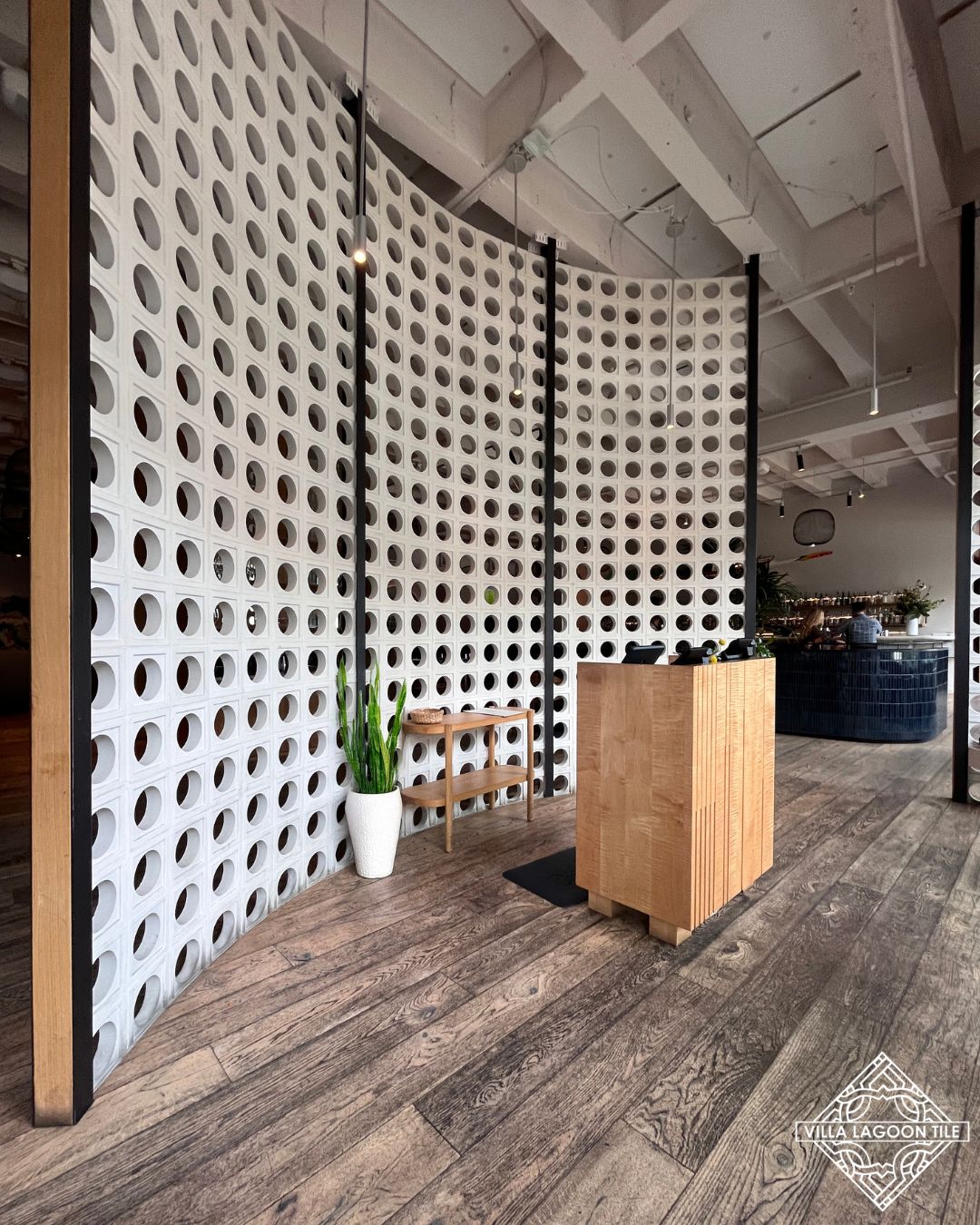
They can be used as room dividers, allowing light to pass through while still defining separate areas. This is especially useful in open-concept layouts where you want some separation without closing things off completely.

Accent walls are another popular option. A breeze block wall can add depth and interest without the need for additional décor, and the pattern itself becomes the artwork.

In some cases, these blocks are even used in unexpected places like headboards or feature niches, proving just how flexible they can be.

Outdoor Applications That Stand Out

Outdoors is where breeze blocks truly shine. Their durability and open design make them perfect for a variety of exterior uses.

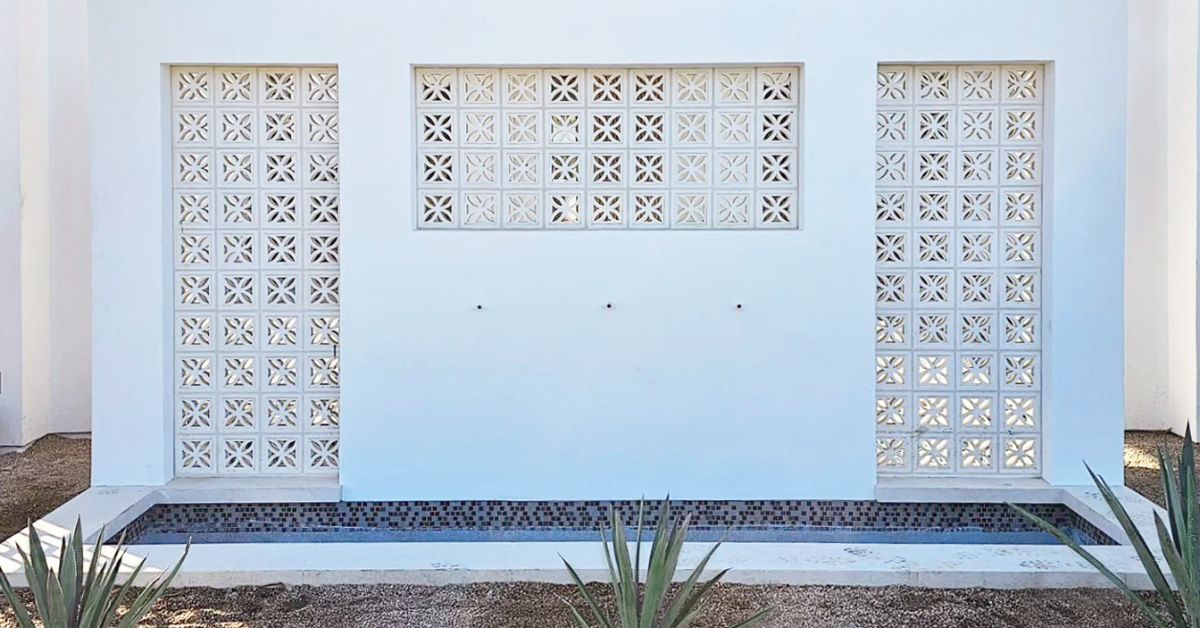
Privacy walls are one of the most common applications. They provide a sense of enclosure without blocking airflow, making them ideal for patios and courtyards.

They’re also a great choice for garden walls. The patterned openings allow plants to peek through, creating a layered, textured look that feels integrated with the landscape.

For facades, breeze blocks can act as a decorative screen that adds depth to the building’s exterior. The way light interacts with the pattern throughout the day creates a constantly changing visual effect.

Mixing and Matching Patterns

One of the most exciting aspects of working with breeze blocks is the ability to customize. You’re not limited to a single pattern or layout.

Designers often mix different block styles to create something entirely unique. This can involve alternating patterns, rotating blocks, or combining solid and open sections for contrast.

The key is to maintain a sense of balance. Even when mixing patterns, there should be a cohesive thread that ties the design together.

This approach allows for creativity while still keeping the overall look intentional.

Material and Color Considerations

While the pattern is the star of the show, material and color play an important supporting role.

Traditional breeze blocks come in natural cement tones, which work well in a wide range of settings. However, they can also be customized with different finishes or colors to better match a specific design palette.

Lighter shades tend to highlight the pattern and reflect more light, making them ideal for bright, airy spaces. Darker tones create a more dramatic effect, emphasizing shadows and depth.

The material itself also contributes to the overall feel. High-quality cement ensures durability while maintaining the crispness of the pattern.

The Ultimate Guide to Breeze Block Patterns

Designing With Light and Shadow

One of the most unique qualities of breeze block patterns is how they interact with light. As sunlight passes through the openings, it casts intricate shadows that shift throughout the day.

This dynamic quality adds a layer of movement to otherwise static surfaces. It’s a subtle effect, but one that can completely transform the atmosphere of a space.

When planning your design, consider how the blocks will be positioned in relation to natural light. The orientation can influence both the intensity and direction of the shadows.

This is where ornamental cement blocks truly stand out, turning simple walls into ever-changing visual experiences.

Choosing the Right Pattern for Your Project

Selecting the right breeze block pattern comes down to understanding your space and your goals.

Think about the overall style you’re trying to achieve. A modern space might benefit from clean, geometric lines, while a more relaxed setting could call for softer, organic shapes.

Consider how the pattern will be used. Is it meant to be a focal point, or should it blend into the background? The answer will guide your choice in both pattern and scale.

It’s also important to think about functionality. Breeze blocks are as practical as they are beautiful, so make sure the design supports your needs for airflow, privacy, and light.

Understand Common Patterns

Breeze block patterns offer a rare combination of beauty and functionality. They allow you to shape light, define spaces, and add texture in a way that feels effortless.

Whether you’re designing a feature wall, an outdoor retreat, or a full architectural facade, these blocks provide endless possibilities. Their ability to adapt to different styles and settings makes them a lasting favorite in both residential and commercial design.

If you’re considering incorporating them into your next project, taking the time to explore different patterns and layouts will make all the difference.
The Best Color Combinations for Moroccan Zellige

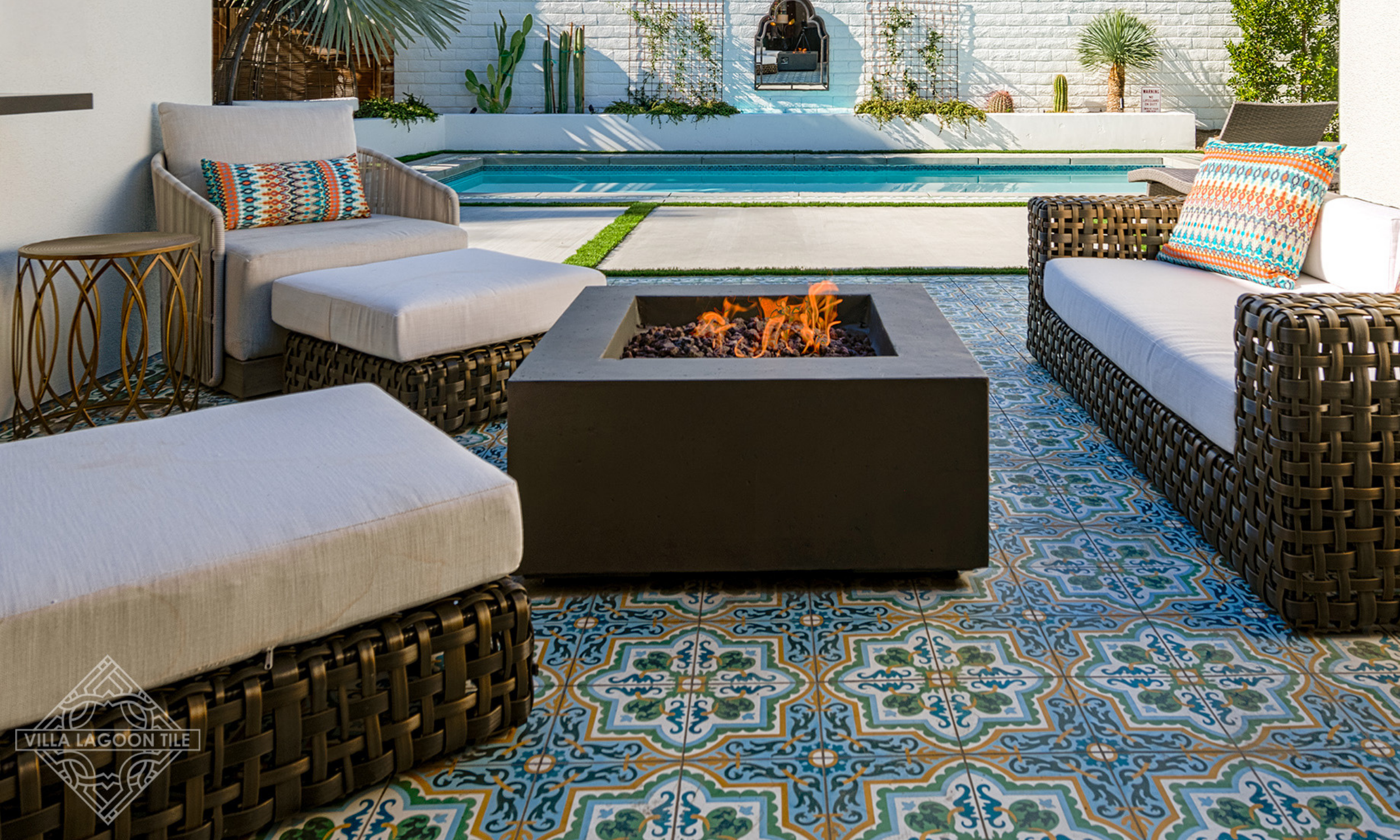
Moroccan Zellige tile is known for its rich color variation, glossy finish, and handcrafted charm. Each piece reflects light differently, giving walls and surfaces a sense of movement that feels both organic and elevated. Because of this natural variation, choosing the right color combination isn’t just about matching shades; it’s about creating a layered visual story.

Whether you’re designing a bold statement wall or a subtle, textured backdrop, knowing the best color combinations for Moroccan Zellige can completely transform the look and feel of a space.

Why Color Matters in Zellige Design

Color plays a unique role in Zellige because of its handmade nature. Unlike uniform tiles, Zellige pieces vary slightly in tone, sheen, and depth. This means even a single color can appear multidimensional, while combining multiple hues creates even more visual richness.

In interior design, this variation helps soften spaces and avoid the flat, overly polished look that machine-made materials sometimes create. The goal isn’t perfection—it’s character. That’s why thoughtful color pairing is essential when working with Zellige.

Designers often choose combinations that enhance natural light, complement surrounding materials, and highlight architectural features. The result feels curated but never forced.

Classic White and Soft Neutrals

White Zellige paired with soft neutrals is one of the most versatile and enduring combinations. Shades like ivory, cream, sand, and light taupe work beautifully together, creating a calm and inviting backdrop.

This palette is especially effective in kitchens and bathrooms where a clean, timeless look is desired. The subtle variation in each tile keeps the space from feeling sterile, while still maintaining a light and airy aesthetic.

White and neutral combinations also pair well with natural materials like wood, stone, and brass. The overall effect feels grounded yet refined, making it a favorite for both modern and traditional interiors.

Deep Blue and Crisp White

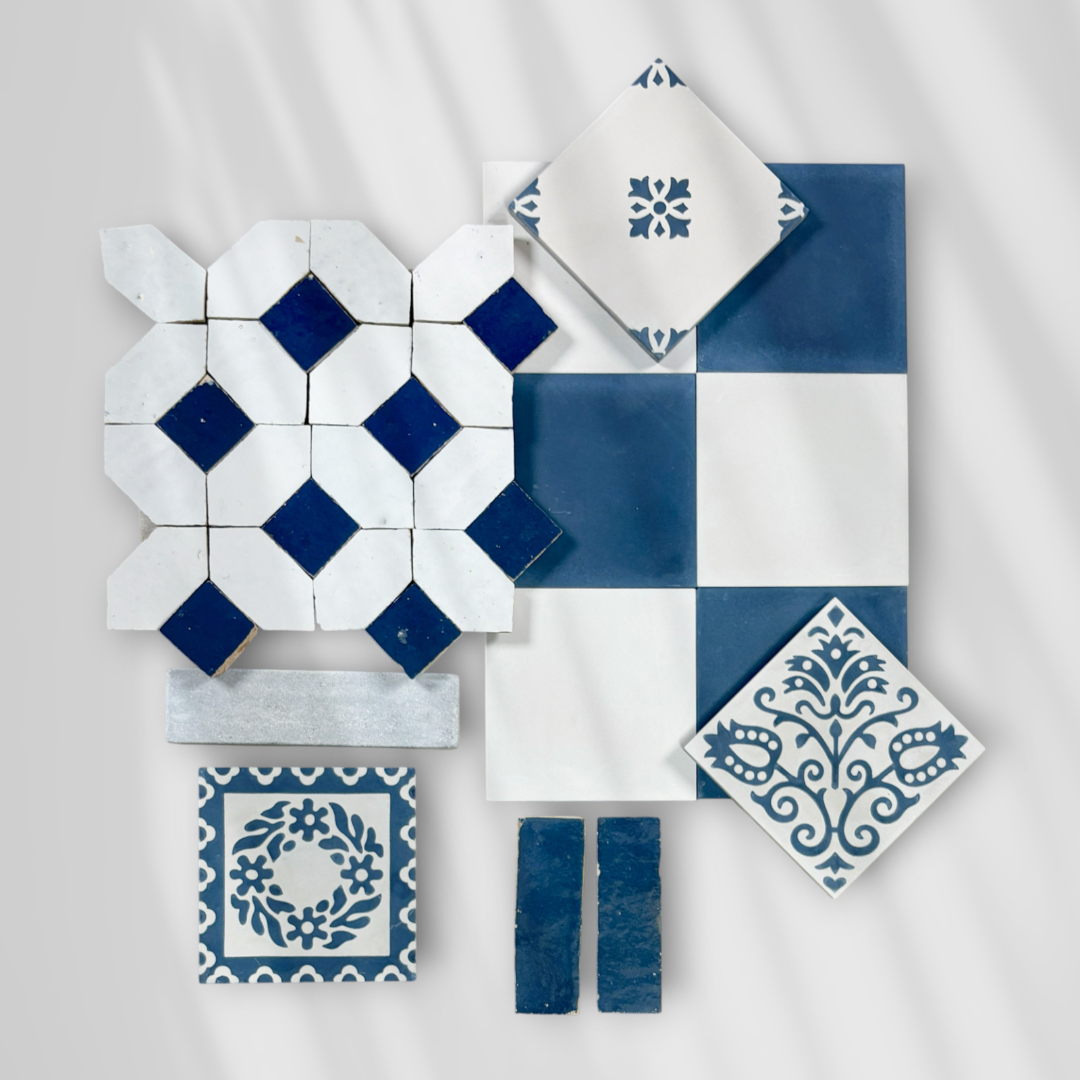
Few combinations feel as iconic as deep blue paired with crisp white. Inspired by coastal Mediterranean design, this pairing brings contrast and energy while still feeling balanced.

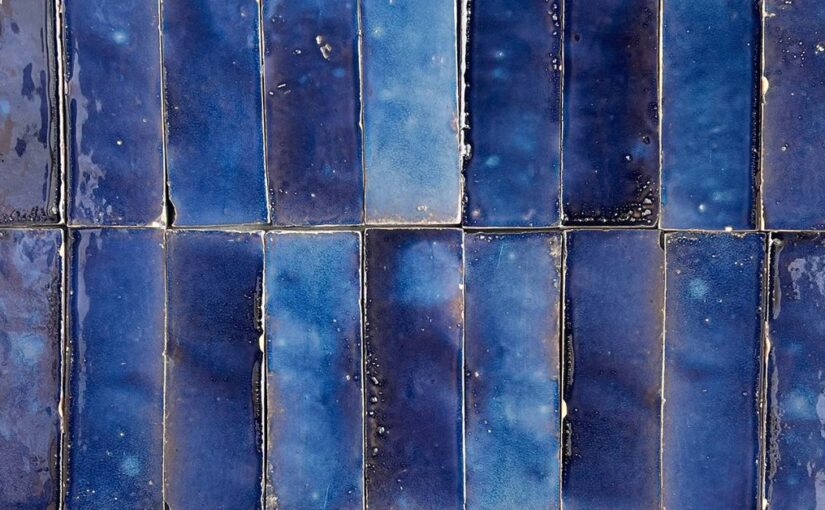
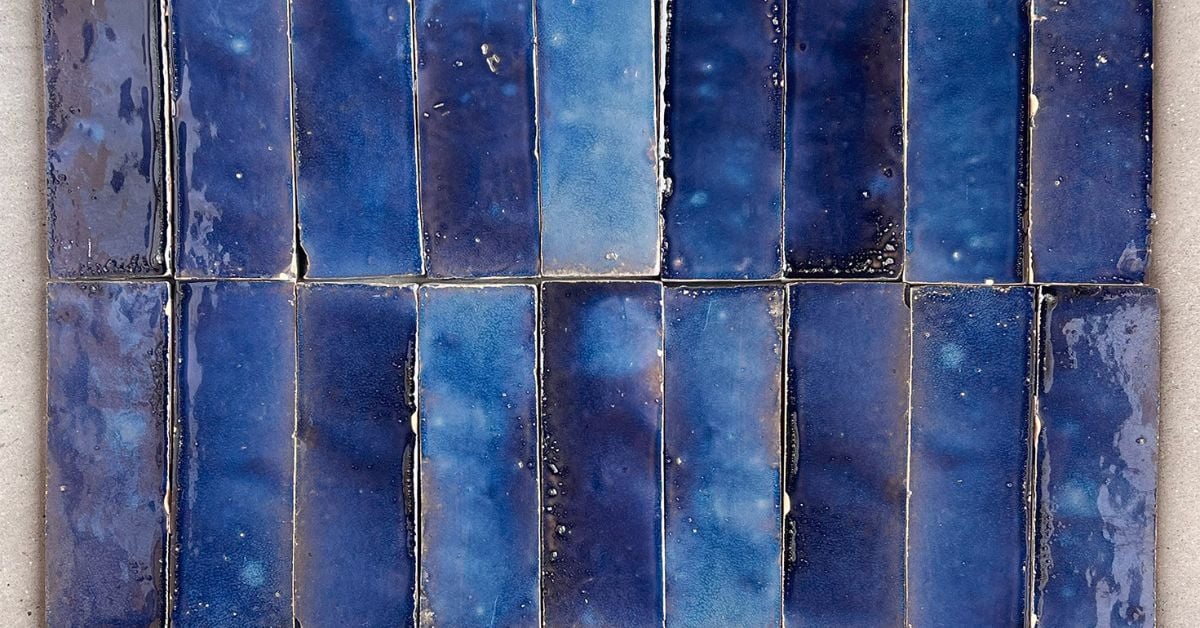
The glossy surface of blue Zellige tiles reflects light in a way that adds depth, especially when paired with the brightness of white. This combination works particularly well in bathrooms, kitchen backsplashes, and accent walls.

Depending on the shade of blue, the mood can shift from serene to dramatic. Navy tones feel bold and sophisticated, while lighter blues lean more relaxed and coastal. Either way, the contrast with white enhances the handcrafted quality of the tile.

Emerald Green and Earthy Tones

For a more grounded and nature-inspired look, emerald green paired with earthy tones like terracotta, clay, or warm beige creates a rich and inviting palette.

Green Zellige tiles often have a jewel-like quality, catching light in a way that feels vibrant without being overwhelming. When combined with warmer, muted tones, the result is a balanced composition that feels both organic and elevated.

This combination works beautifully in spaces that aim to feel cozy and layered, such as powder rooms, kitchens, or even fireplace surrounds. It also pairs well with natural wood cabinetry and matte black fixtures for added contrast.

Black and White with a Handmade Twist

Black and white is a classic pairing, but Zellige gives it a completely different personality. Instead of stark contrast, the handcrafted variation softens the look, making it feel more approachable and textured.

Black Zellige tiles often have subtle tonal shifts that prevent them from appearing flat. When paired with white, the contrast remains strong but gains depth and movement.

This combination is ideal for contemporary spaces that still want a touch of warmth. It works well in geometric layouts or even full-room applications where texture plays a central role.

Blush Pink and Warm Neutrals

Blush tones have become increasingly popular in recent years, and Zellige offers a beautiful way to incorporate them without feeling overly trendy.

When paired with warm neutrals like beige, cream, or soft gray, blush pink creates a gentle and sophisticated palette. The variation in the tile keeps the color from feeling too sweet, instead adding depth and dimension.

This combination is perfect for bathrooms, vanity areas, or accent walls where a softer, more inviting tone is desired. It pairs especially well with brushed brass or gold finishes for a cohesive look.

Monochromatic Layers for Subtle Depth

Sometimes the most striking designs come from using variations of a single color. Monochromatic Zellige layouts layer different shades of the same hue to create depth without high contrast.

For example, combining light, medium, and dark shades of blue or green can create a gradient effect that feels dynamic yet cohesive. The natural variation in each tile enhances this effect even further.

This approach works well in larger installations where subtlety is key. It allows the texture and craftsmanship of the tile to take center stage while still providing visual interest.

Bold Contrasts with Jewel Tones

For those looking to make a statement, combining jewel tones like sapphire, emerald, and deep amber can create a striking and luxurious effect.

These rich colors work best when balanced carefully. Pairing a dominant hue with a secondary accent color helps maintain harmony while still delivering impact.

In spaces like feature walls or hospitality settings, this combination can feel dramatic and memorable. The reflective quality of Zellige enhances these colors, making them appear even more vibrant and alive.

Mixing Traditional and Modern Influences

One of the most compelling aspects of Moroccan Zellige is its ability to bridge traditional craftsmanship with modern design. Combining classic colors like cobalt blue or forest green with contemporary neutrals creates a layered look that feels both timeless and current.

This approach allows designers to honor the heritage of Zellige while adapting it to modern interiors. The result feels intentional and unique, rather than overly themed or predictable.

In many cases, incorporating Moroccan mosaic tiles alongside Zellige can further enhance this blend of styles, adding pattern and variation without overwhelming the space.

The Best Color Combinations for Moroccan Zellige

How to Choose the Right Combination for Your Space

Selecting the best color combination ultimately depends on the mood you want to create and the elements already present in your space. Lighting, surrounding materials, and room size all play a role in how colors will appear once installed.

Natural light can enhance the reflective qualities of Zellige, making lighter colors feel brighter and darker tones more dramatic. In smaller spaces, softer palettes can help maintain an open feel, while bold combinations can add depth and character.

It’s also important to consider how the colors interact with fixtures, cabinetry, and finishes. Cohesion doesn’t mean everything has to match, but the palette should feel intentional and balanced.

Bringing It All Together

Moroccan Zellige offers endless possibilities when it comes to color combinations. From soft neutrals to bold jewel tones, each pairing brings its own personality and atmosphere to a space.

The key is to embrace the natural variation and handcrafted quality that make Zellige unique. Rather than striving for uniformity, lean into the texture, depth, and subtle imperfections that give these tiles their charm.

Ways to Incorporate Cement Tile Backsplashes in Your Home

Backsplashes have become one of the most expressive surfaces in modern interiors. What was once a simple protective strip behind sinks and stoves is now an opportunity to introduce color, pattern, and personality into a room. Cement tiles, with their handcrafted character and bold design possibilities, are especially suited for this role.

Designers often turn to cement tile backsplashes when they want to create a focal point that feels artistic yet functional. The patterns can be subtle or dramatic, geometric or floral, traditional or contemporary. Because cement tiles are made using pigmented cement rather than surface glazes, the colors appear rich and naturally matte, adding depth that stands out against cabinetry, countertops, and appliances.

Whether you are updating a kitchen, refining a bathroom, or designing a stylish entertaining area, there are many ways to incorporate cement tile backsplashes in your home.

Create a Kitchen Focal Point

The kitchen is the most common place to install a cement tile backsplash, and for good reason. This space naturally benefits from visual interest because it often contains large expanses of cabinetry and countertops that can otherwise feel uniform.

A patterned cement tile backsplash can instantly break up that monotony. Behind the stove or across the entire wall, the tile becomes a statement piece that draws the eye. Designers often choose patterns that echo the kitchen’s overall color palette, tying together cabinet finishes, hardware, and countertop materials.

Another appealing aspect of cement tiles in kitchens is their handcrafted look. The slight variations in tone and pattern give the backsplash a sense of authenticity that pairs beautifully with both modern and traditional kitchens. From minimalist spaces with sleek cabinetry to farmhouse kitchens with warm wood accents, cement tile backsplashes bring an artistic quality that feels intentional and distinctive.

Add Character to Bathroom Walls

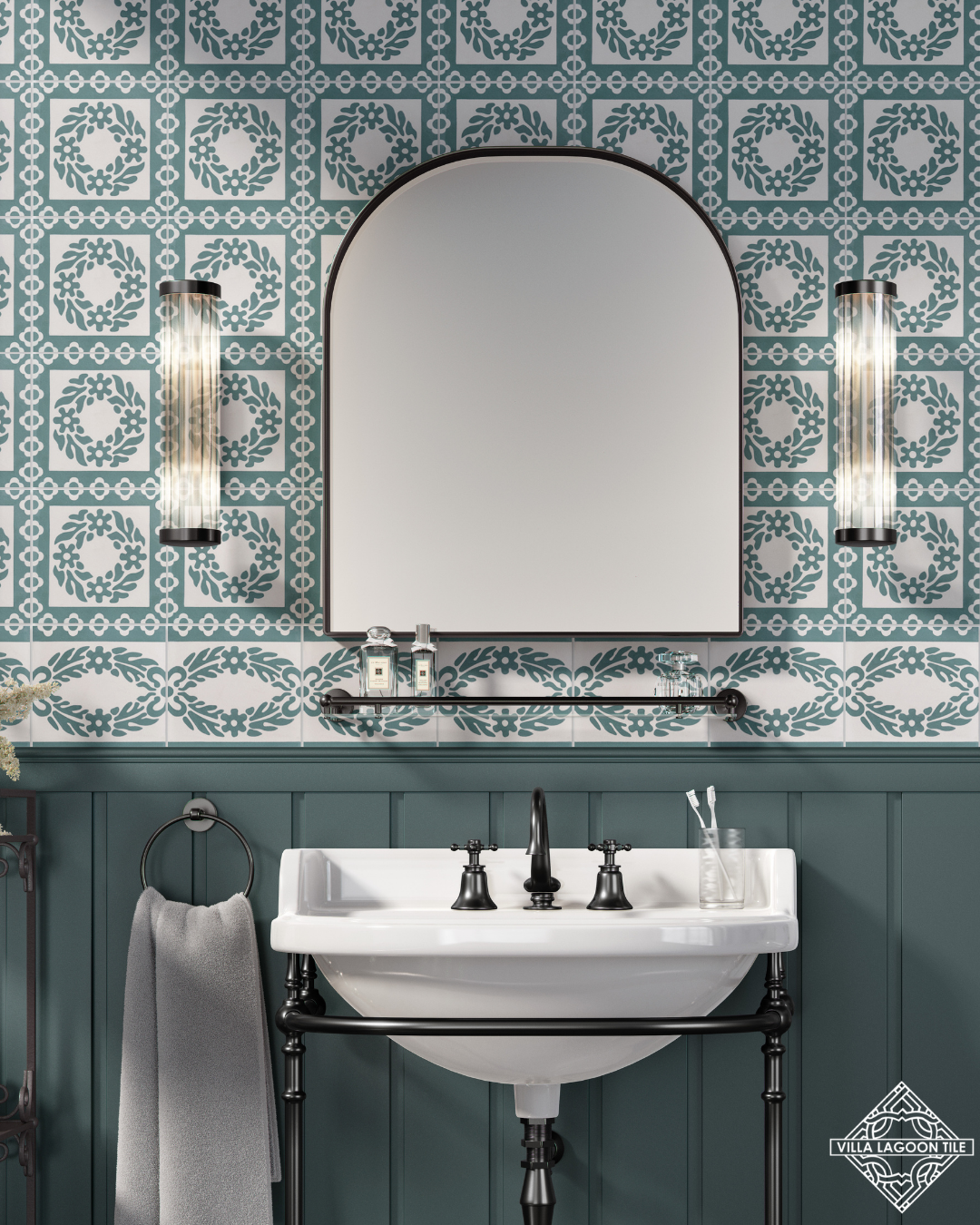
Bathrooms may be smaller than kitchens, but they offer just as many opportunities for creative backsplash design. A cement tile backsplash behind a vanity can elevate the entire room, transforming an ordinary sink area into a visually engaging feature.

Because bathroom backsplashes typically occupy a smaller area, designers sometimes choose more intricate patterns that might feel overwhelming in larger spaces. Detailed motifs, Moroccan-inspired designs, and bold geometric arrangements can add richness without overpowering the room.

Modern cement tiles also complement a wide variety of bathroom styles. In contemporary bathrooms, black-and-white patterns create a crisp, graphic effect. In more relaxed or spa-like spaces, soft colors and organic shapes bring warmth and texture. By selecting the right pattern and palette, the backsplash can enhance the mood of the entire bathroom.

Ways to Incorporate Cement Tile Backsplashes in Your Home

Frame Open Shelving with Pattern

Open shelving has become a popular alternative to upper cabinets, particularly in kitchens where homeowners want a lighter, more spacious look. Cement tile backsplashes work especially well in these settings because the pattern remains visible behind the shelves.

Instead of hiding the tile behind cabinets, open shelving allows the backsplash to function as a decorative backdrop. The pattern peeks through between dishes, glassware, and cookware, creating a layered visual effect that feels curated and dynamic.

Designers often coordinate the tile pattern with the materials used in the shelving itself. For example, warm wood shelves paired with earthy-toned cement tiles can create a welcoming and organic feel. Meanwhile, metal brackets and monochrome patterns can give the space a more modern edge.

Extend the Backsplash to the Ceiling

One of the most dramatic ways to incorporate cement tiles is by extending the backsplash all the way to the ceiling. This approach turns the backsplash into a full accent wall, making the tile pattern the star of the room.

In kitchens, a ceiling-height backsplash behind the range or sink can create a striking vertical element. The pattern naturally draws the eye upward, adding depth and dimension to the space. It also emphasizes architectural features such as range hoods or floating shelves.

This technique works particularly well with bold patterns or repeating geometric designs. Because cement tiles are handcrafted and richly pigmented, the extended surface never feels flat or monotonous. Instead, it becomes a textured canvas that anchors the room’s design.

Design a Statement Behind the Stove

The area behind the stove often acts as the centerpiece of a kitchen backsplash. With cement tiles, this section can become a true design highlight.

Some homeowners choose to install a patterned tile panel directly behind the stove while using simpler tiles elsewhere. This creates a framed effect, almost like artwork embedded into the wall. The surrounding tiles act as a subtle border that allows the central design to stand out.

Others prefer to continue the same pattern across the entire backsplash for a cohesive appearance. Either approach can be effective, depending on the overall design goals of the kitchen. In both cases, the stove area becomes a natural focal point that elevates the room’s visual appeal.

Use Subtle Patterns for a Soft Look

Not every cement tile backsplash needs to be bold or highly graphic. Many designs feature soft, understated patterns that create texture rather than dramatic contrast.

These subtle patterns are ideal for homeowners who appreciate the artisanal quality of cement tiles but prefer a quieter aesthetic. Light tonal variations, delicate motifs, and muted color combinations can add visual depth without overwhelming the space.

In kitchens with natural wood cabinetry or stone countertops, these softer designs often feel especially harmonious. The overall effect is layered and inviting, with just enough pattern to keep the room interesting.

Bring Artistic Detail into Everyday Spaces

Perhaps the most compelling reason to incorporate cement tile backsplashes is the artistic dimension they bring into everyday living spaces. Unlike many mass-produced materials, cement tiles have a handcrafted quality that makes each installation feel unique.

This sense of artistry resonates with homeowners and designers alike. A backsplash that features intricate patterns and rich color becomes more than just a protective surface; it becomes part of the home’s visual story.

For interior designers working on residential or hospitality projects, cement tile backsplashes provide a way to introduce memorable details that clients will appreciate for years. The result is a space that feels carefully designed, expressive, and full of character.

Ways to Incorporate Cement Tile Backsplashes in Your Home

Enhance Your Interior Design

Cement tile backsplashes offer a rare combination of durability, creativity, and visual impact. Whether used in kitchens, bathrooms, coffee bars, or entertaining areas, they transform functional surfaces into design highlights.

By choosing patterns that complement the surrounding materials and extending the tile in thoughtful ways, homeowners and designers can create spaces that feel both timeless and distinctive. For those seeking a backsplash that adds personality and craftsmanship to a room, cement tiles remain one of the most compelling choices available.

Villa Lagoon Tile provides handcrafted cement tiles for residential and hospitality projects nationwide, helping designers and homeowners bring bold patterns and lasting quality into their spaces.

What Makes a Tile Company Truly Artisan?

What Makes a Tile Company Truly Artisan?

Walk into a space finished with artisan tile and you immediately feel the difference. The surface isn’t perfectly uniform, the colors shift slightly from tile to tile, and the overall installation has a sense of depth that factory products rarely achieve. These subtle variations are not flaws; they are signs of craftsmanship.
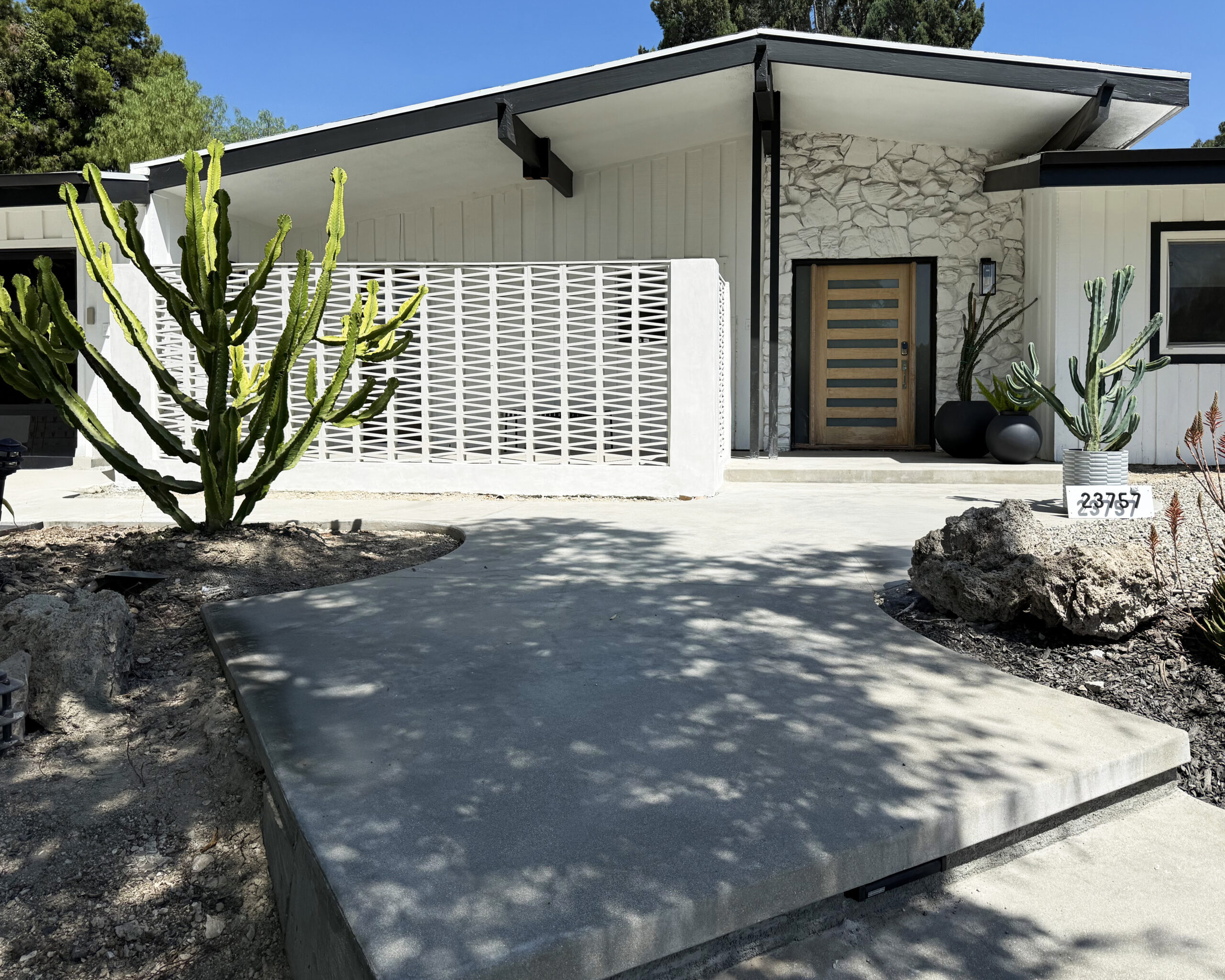
An artisan tile company focuses on the artistry, materials, and heritage behind every tile produced. Instead of treating tile as a commodity, these makers approach it as a craft shaped by tradition and human skill.

For designers and homeowners alike, understanding what makes a tile company truly artisan helps explain why these products feel so distinctive in finished spaces.

Craftsmanship at the Center of the Process

At the heart of every artisan tile company is craftsmanship. The tiles are not simply produced; they are carefully made through processes that require skill, attention, and experience.

Many artisan tiles are created using techniques that have been refined over generations. Craftspeople control mixing, pressing, coloring, and finishing by hand or with small-scale equipment that allows for more precision than automated factory lines.

This approach means every tile reflects the touch of the maker. Small differences in color, texture, and pattern give installations character that feels authentic rather than manufactured.

For interior designers, this level of craftsmanship creates surfaces that feel rich and layered instead of flat and predictable.

A Commitment to Traditional Techniques

True artisan tile companies often preserve production methods that have been passed down for decades or even centuries. These techniques were developed long before modern industrial manufacturing existed, yet they continue to produce some of the most beautiful tile surfaces available today.

Traditional cement tile production is one example. Instead of firing tiles in a kiln like ceramic tile, cement tiles are hydraulically pressed and cured over time. The pigments are poured into molds by hand, creating intricate patterns and bold colors.

Because these methods rely on human control rather than automation, each batch of tile reflects natural variation. The results are tiles that feel alive with subtle differences in tone and pattern.

Many artisan tile companies partner with skilled tile makers in different regions of the world to preserve these craft traditions.

What Makes a Tile Company Truly Artisan?

Material Quality That Shows Over Time

Another hallmark of artisan cement tile companies is a strong emphasis on raw materials. Instead of cutting costs with fillers or shortcuts, they prioritize durable ingredients that contribute to long-term performance.

High-quality cement, mineral pigments, and carefully sourced aggregates all play a role in creating tiles that age beautifully. When the material composition is right, tiles develop character rather than wear out.

This focus on quality also means the colors stay rich and the surface remains strong even in high-traffic areas. In hospitality environments such as restaurants, hotels, and resorts, these qualities become especially important.

For designers specifying materials, artisan tile offers both visual impact and long-term durability.

Natural Variation as a Design Feature

One of the defining characteristics of artisan tile is variation. Unlike factory tile, which aims for perfect uniformity, artisan tile celebrates subtle differences.

Pigment distribution, pressure variations during pressing, and natural curing processes can all influence the final appearance. Instead of being identical, each tile contributes slightly different tones or textures to the installation.

This variation creates a dynamic surface once tiles are installed together. The finished design has movement and personality rather than appearing overly repetitive.

Designers often seek out these qualities because they create warmth and authenticity in both residential and commercial environments.

Pattern Design with Artistic Influence

Artisan tile companies also tend to focus heavily on design. Patterns are often inspired by architecture, historical motifs, and cultural traditions from around the world.

Rather than producing hundreds of nearly identical styles, artisan tile collections frequently emphasize thoughtful design work. Each pattern is created to make a visual statement while still working as part of a cohesive interior.

Many patterns draw inspiration from Mediterranean, Moroccan, Spanish, and Latin American tile traditions. These influences bring bold geometry and decorative detail into modern spaces.

The result is tile that feels less like a background material and more like a design element that anchors the room.

A Smaller, More Intentional Production Scale

Mass production focuses on volume and speed. Artisan tile companies operate very differently.

Production typically occurs in smaller batches, allowing makers to focus on precision and quality control. Because the tiles are made in more limited quantities, the process can adapt to different patterns, colors, and custom needs.

This smaller scale also allows artisan tile companies to work closely with designers and architects. When projects require specific color palettes or pattern arrangements, these manufacturers can often accommodate those requests.

The slower pace of production ultimately supports a higher level of quality.

Global Craft Communities Behind the Tiles

Many artisan tile companies work with independent tile makers across different countries. These partnerships connect designers with craft traditions that have existed in local communities for generations.

For example, tile workshops in regions known for cement tile production often employ artisans who have learned the craft through family apprenticeships. The techniques and tools may change slightly over time, but the core process remains rooted in tradition.

This network of craft communities allows artisan tile companies to offer authentic materials while supporting skilled makers around the world.

What Makes a Tile Company Truly Artisan?

Designed with Interior Designers in Mind

Artisan tile companies frequently build their collections with interior designers as the primary audience. Designers are constantly searching for materials that help projects stand out while still performing well in real-world spaces.

Because artisan tiles offer distinctive patterns, rich color palettes, and natural variation, they provide designers with creative flexibility. A single tile pattern can define an entire room.

At the same time, the durability of cement tile makes it suitable for both residential and commercial environments. This combination of creativity and performance is why artisan tile continues to appear in design-forward projects across the country.

Why Artisan Tile Continues to Stand Out

In an era of mass manufacturing, artisan tile remains special because it prioritizes craft over convenience. Every step in the process, from mixing pigments to pressing the tiles, reflects human skill rather than automated production.

That difference is visible the moment the tiles are installed. Colors feel deeper, patterns feel richer, and the space takes on a sense of authenticity.

For designers, architects, and homeowners who want materials with character, knowing what makes a tile company artisan is a must.

It’s not just tile. It’s a craft tradition brought into modern design.

The Right Way to Prep and Paint Breeze Blocks

Breeze blocks have a way of stealing the show. Their sculptural cutouts, graphic shadows, and mid-century charm make them a favorite for designers working on residential and hospitality spaces alike. But when it comes to painting them, a quick coat and a roller simply won’t do. Knowing the right way to prep and paint breeze blocks is what separates a crisp, architectural finish from a patchy, peeling mess. If you’re refreshing an existing installation or customizing blocks for a new project, here’s how to do it the right way.

Why Proper Prep Matters

Breeze blocks are typically made from cement or concrete, which means they’re porous by nature. That porosity is part of their beauty, but it also means they absorb moisture and paint differently than smooth drywall or wood.

If the surface isn’t cleaned and sealed correctly, paint can soak in unevenly, leading to blotchy color and premature chipping. In exterior applications, skipping prep can also trap moisture inside the block. Over time, that leads to cracking and surface damage.

In short, prep isn’t optional. It’s the foundation of a professional result.

Step One: Start With a Thorough Cleaning

Before you even think about primer, the surface must be completely clean. Breeze blocks collect dust, dirt, and construction residue in their openings and textured surfaces. Exterior installations may also have mildew or mineral buildup.

Use a stiff-bristle brush to loosen debris. For deeper cleaning, a mild detergent mixed with water works well. In exterior settings, a gentle pressure wash can be helpful, but avoid aggressive settings that could damage edges.

Allow the blocks to dry fully before moving to the next step. Because concrete holds moisture, this may take longer than expected. Painting over damp blocks can cause bubbling and adhesion problems later.

Step Two: Repair Imperfections

Once clean and dry, inspect the blocks carefully. Look for hairline cracks, chips along the edges, or uneven mortar joints.

Small cracks can be filled with a masonry patching compound. Use a putty knife to smooth the surface and let it cure according to manufacturer directions. If mortar joints are crumbling, they should be repaired before painting.

The goal is to create a stable, uniform surface. Paint will not hide structural flaws. It will only highlight them.

The Right Way to Prep and Paint Breeze Blocks

Step Three: Apply a Masonry Primer

Concrete and cement surfaces require a primer designed specifically for masonry. This step seals the porous surface and creates an even base for paint to adhere to.

Choose a high-quality bonding primer labeled for concrete or cement block. For exterior applications, make sure it is rated for outdoor use and offers moisture resistance.

Apply primer with a brush to reach into the decorative cutouts. A small roller can help cover flat faces more efficiently, but breeze blocks demand patience. Their curves and openings require careful attention.

Allow the primer to dry completely before applying paint. Skipping proper drying time is one of the most common mistakes in this process.

Choosing the Right Paint

Not all paint performs well on masonry. For designer cement blocks, durability and breathability matter.

Acrylic latex paint formulated for exterior masonry is typically the best choice, even for interior installations. It adheres well, resists cracking, and allows moisture vapor to escape. That breathability helps prevent blistering over time.

For outdoor breeze block walls, consider paint with built-in UV resistance. Sun exposure can fade color quickly, especially in bright white or saturated hues.

Finish also plays a role. A satin or low-sheen finish highlights the dimensional qualities of the block without emphasizing surface irregularities. High-gloss finishes tend to draw attention to texture in ways that may feel harsh.

Step Four: Apply Paint With Care

When painting breeze blocks, technique matters just as much as product selection.

Use a high-quality angled brush to work paint into corners and detailed openings. A small roller can be used for larger flat surfaces, but it should not replace brushing entirely. Spray applications can work in some cases, particularly for new installations, but they require masking surrounding areas carefully.

Apply paint in thin, even coats. Thick layers may drip or pool in the cutouts, which can soften the crisp geometry that makes breeze blocks so striking. Two lighter coats typically provide better coverage and a longer-lasting finish than one heavy application.

Allow adequate drying time between coats. Rushing this step can compromise adhesion and durability.

Interior vs. Exterior Considerations

Painting breeze blocks indoors offers more flexibility. Climate control reduces moisture concerns, and color choices can lean bold without worrying about UV exposure.

Exterior installations require more planning, as temperature and humidity affect drying time and overall performance. Avoid painting in direct midday sun or during rainy conditions; ideally, choose a mild, dry day with stable temperatures.

In coastal environments, salt air can be particularly harsh on exterior finishes. Selecting high-performance paint and primer products is especially important in these settings.

Color Strategy for Breeze Blocks

Because breeze blocks create pattern through shadow and light, color interacts differently than it does on flat walls. Light tones emphasize form and allow shadows to stand out dramatically throughout the day.

Darker shades create a more solid, graphic look. They reduce shadow contrast and can make the installation feel bold and modern.

For hospitality spaces or statement walls, designers often use breeze blocks as sculptural backdrops. In these cases, paint color should coordinate with surrounding materials, including tile, flooring, and furnishings.

When working alongside patterned surfaces such as cement tiles, consider how color repetition or contrast will affect the overall composition. The blocks should feel intentional, not disconnected from the larger design story.

Maintaining Painted Breeze Blocks

Even with proper prep and high-quality materials, painted masonry requires maintenance over time.

Regular cleaning with mild soap and water helps prevent buildup that can dull the finish. Avoid harsh chemical cleaners that may strip or discolor paint.

Inspect exterior blocks annually for signs of cracking or peeling, and touch up small areas promptly to prevent moisture intrusion. With the right care, a painted breeze block installation can maintain its fresh look for years.

When to Consider a Different Finish

In some cases, painting may not be the ideal solution. If the natural texture and tone of the concrete complement the design, sealing the blocks instead of painting them can preserve their raw character.

Specialty masonry stains are another option. They penetrate the surface rather than forming a film on top, resulting in a more natural, mineral-based appearance.

The decision ultimately depends on the design goal. Paint offers bold customization, while sealers and stains highlight the inherent beauty of the material itself.

Bringing It All Together

Breeze blocks are architectural elements first and decorative accents second. Their dimensional structure demands thoughtful treatment.

Taking the time to clean, repair, prime, and apply paint properly ensures that the final result looks polished rather than improvised. The difference shows in the crispness of the edges, the evenness of the color, and the longevity of the finish.

Whether used as a privacy screen, feature wall, or exterior façade, knowing how to properly prep and paint breeze blocks can transform a space. With the right preparation and materials, they maintain their sculptural presence while gaining a fresh layer of personality.

How to Design a Dream Shower With Moroccan Tiles

How to Design a Dream Shower With Moroccan Tiles

Designing a dream shower is about more than selecting beautiful materials. It is about creating an experience that feels luxurious, relaxing, and deeply personal. Moroccan tiles, known for their vibrant colors, intricate patterns, and handcrafted charm, offer the perfect foundation for a shower that feels like a private retreat. By knowing how to design a dream shower with Moroccan tiles, you can transform an ordinary bathroom into a stunning, spa-like sanctuary.

Embracing the Beauty of Moroccan Tiles

Moroccan tiles are celebrated for their artistry and timeless appeal. From hand-cut Zellige tiles to bold geometric cement patterns, these materials bring texture and movement to any space. Each tile often features subtle variations in color and finish, which gives your shower walls depth and authenticity.

In a shower setting, this handcrafted quality becomes even more striking. Light reflects differently across the glazed surfaces, creating a shimmering effect when water runs over the tiles. The result is a space that feels alive and layered rather than flat or uniform. Choosing Moroccan tiles means embracing character, individuality, and a sense of global elegance.

Choosing the Right Color Palette

Color plays a defining role in designing your dream shower. Moroccan tiles are available in a wide spectrum, from deep sapphire blues and emerald greens to soft neutrals and warm terracottas. The palette you choose should reflect the mood you want to create.

For a serene, spa-inspired shower, consider soft whites, sandy beiges, or muted blues. These shades evoke the calm of coastal landscapes and help the space feel open and airy. If you want a dramatic, luxurious atmosphere, jewel tones like teal, navy, or rich plum can create a bold statement. Pairing vibrant tiles with brass or matte black fixtures can enhance the overall sophistication.

Keep in mind that smaller bathrooms may benefit from lighter tones that visually expand the space, while larger showers can handle darker or more intricate patterns without feeling overwhelming.

Playing With Pattern and Layout

One of the most exciting aspects of working with Moroccan tiles is the opportunity to incorporate intricate patterns. Geometric motifs, starbursts, and interlocking designs can transform a simple shower wall into a work of art.

When designing your layout, consider whether you want the pattern to dominate the entire shower or serve as an accent. Covering all walls in a bold design creates a dramatic, immersive environment. Alternatively, using patterned tiles on a feature wall or within a recessed niche allows you to balance visual impact with subtlety.

You can also mix solid Moroccan Zellige tiles with patterned cement tiles for contrast. For example, solid tiles may line the majority of the shower walls, while a decorative pattern defines the back wall or frames the shower bench. Thoughtful placement ensures the design feels intentional and harmonious rather than chaotic.

How to Design a Dream Shower With Moroccan Tiles

Incorporating Texture and Dimension

Texture is a hallmark of Moroccan tile design. Zellige tiles, in particular, are known for their slightly uneven surfaces and handcrafted edges. This subtle irregularity adds dimension and warmth to the shower.

To enhance this effect, consider how light interacts with the tiles. Installing layered lighting, such as recessed ceiling lights combined with wall sconces, highlights the surface variations and creates a soft glow. Natural light from a nearby window or skylight further enhances the reflective qualities of glazed tiles.

You can also incorporate dimensional elements like built-in niches, floating benches, or arched alcoves. Lining these architectural features with Moroccan tiles draws attention to their shape and adds visual interest. The combination of texture, light, and form elevates the overall design.

Designing for Function and Comfort

While aesthetics are important, a dream shower must also be functional and comfortable. Start by determining the size and layout that best suits your space. Walk-in showers with frameless glass enclosures showcase Moroccan tiles beautifully and allow the design to remain the focal point.

Consider practical elements such as proper drainage, slip resistance, and ease of maintenance. For shower floors, smaller mosaic tiles are often ideal because they provide more grout lines, which improve traction. Many Moroccan-inspired mosaics combine beauty with functionality, making them suitable for wet environments.

Built-in seating can add a touch of luxury and comfort. A tiled bench or corner seat not only enhances usability but also creates another opportunity to showcase complementary tile patterns or colors. Thoughtful planning ensures your shower feels as good as it looks.

Coordinating Fixtures and Finishes

The fixtures you choose should complement the richness of Moroccan tiles without competing with them. Brass and gold finishes pair beautifully with warm-toned tiles, enhancing their earthy depth. Chrome and polished nickel offer a clean, modern contrast to intricate patterns. Matte black fixtures create a striking, contemporary edge.

Rainfall showerheads and handheld sprayers contribute to a spa-like experience. Wall-mounted controls in a matching finish tie the design together. When selecting hardware, aim for a cohesive look that supports the overall aesthetic.

Glass enclosures, minimal framing, and clean lines help keep the focus on the tilework. The goal is to allow the handcrafted beauty of the Moroccan tiles to shine while ensuring the space feels balanced and refined.

Creating a Focal Point

Every dream shower benefits from a clear focal point. Moroccan tiles naturally lend themselves to this role. You might choose a dramatic patterned wall at the back of the shower or frame a large arched niche with contrasting tiles.

Another approach is to extend the tile from floor to ceiling, drawing the eye upward and making the shower feel taller. In larger bathrooms, continuing the tile beyond the shower and onto adjacent walls can create a seamless, immersive design.

The key is to be intentional. A well-defined focal point anchors the space and gives the design a sense of purpose. Whether subtle or bold, it should feel integrated into the overall vision.

Balancing Traditional and Modern Elements

Moroccan tiles have deep historical roots, but they can easily be incorporated into modern bathroom designs. Balancing traditional craftsmanship with contemporary features creates a fresh and timeless result.

For a modern take, pair classic Moroccan patterns with sleek glass panels, minimalist vanities, and clean architectural lines. Neutral grout can help tone down intricate designs and give them a more understated feel. On the other hand, embracing a fully traditional aesthetic with ornate mirrors, warm lighting, and natural wood accents can create a richly layered atmosphere.

Finding the right balance ensures your dream shower reflects your personal style while maintaining visual harmony.

Maintaining Your Moroccan Tile Shower

To keep your dream shower looking its best, proper maintenance is essential. Sealing certain types of tiles, particularly cement tiles, helps protect them from moisture and staining. Regular cleaning with gentle, non-abrasive products preserves the glaze and prevents buildup.

Grout maintenance also plays a role in longevity. Choosing high-quality grout and sealing it as recommended reduces the risk of discoloration. With the right care, Moroccan tiles age gracefully and retain their beauty for years to come.

Routine upkeep not only protects your investment but also ensures that your shower continues to feel like a luxurious escape.

Bringing Your Vision to Life

Designing a dream shower with Moroccan tiles is an opportunity to blend artistry, comfort, and functionality. By thoughtfully selecting colors, patterns, textures, and finishes, you can create a space that feels both indulgent and inviting.

From shimmering Zellige walls to bold geometric accents, Moroccan tiles transform an ordinary shower into a personal retreat. With careful planning and attention to detail, your bathroom can become a daily escape that reflects timeless craftsmanship and modern luxury in perfect balance.

Breeze Block Maintenance Tips You Should Know

Breeze Block Maintenance Tips You Should Know

Breeze blocks, also known as concrete blocks or cinder blocks, are a popular choice for both functional and decorative applications in construction and landscaping. Their durability, cost-effectiveness, and versatile nature make them a reliable material for walls, fences, garden features, and even modern architectural designs. However, there are some breeze block maintenance tips you should know to keep them looking beautiful and structurally sound. Neglecting upkeep can lead to cracking, discoloration, or structural issues over time.

Continue reading Breeze Block Maintenance Tips You Should Know

Surprising Facts You Didn’t Know About Cement Tile

Surprising Facts You Didn’t Know About Cement Tile

Cement tile has made a bold comeback in recent years, appearing in everything from trendy cafés to high-end kitchens and boutique hotels. While many people admire its vibrant patterns and matte finish, few truly understand the fascinating history and unique characteristics behind this timeless material.

Cement tile is far more than just a stylish surface. It carries craftsmanship, durability, and design flexibility that set it apart from many other flooring and wall options. If you’ve been looking to incorporate these tiles into your interior design, here are a few surprising facts you didn’t know about cement tiles that might inform your design choices.

Cement Tile Isn’t Fired in a Kiln

One of the most surprising facts about cement tile is that it is not fired like ceramic or porcelain tile. Instead of being baked in a kiln, cement tiles are cured at room temperature. They are made using a hydraulic press that compresses layers of cement mixture under high pressure.

The process begins with a decorative mold that separates different pigment colors, and artisans carefully pour colored cement into the mold by hand, creating intricate patterns. A layer of dry cement and sand is then added behind the design layer for strength. Once pressed, the tile is removed from the mold and submerged in water to cure and harden naturally. This curing process gives cement tile its signature matte finish and rich depth of color. It also means each tile carries subtle variations that add to its character.

Every Tile Is Handmade

Unlike mass-produced ceramic tiles, authentic handmade cement tiles are crafted one by one. Skilled artisans pour pigments and assemble layers manually, making each tile slightly unique. This craftsmanship results in minor variations in color and pattern alignment, which are often considered part of the tile’s charm.

Because each tile is individually crafted, the production process is slower and more labor-intensive. This adds to the cost compared to standard tiles, but it also ensures a level of artistry that cannot be replicated through automation.

In many parts of the world, cement tile production remains a traditional craft passed down through generations. When you install cement tile, you are not just adding a design feature to your home; you are incorporating a piece of living history.

Cement Tile Has Been Around Since the 19th Century

Many homeowners assume cement tile is a modern trend, but its origins date back to the mid-1800s. It first gained popularity in Europe, particularly in France and Spain, before spreading to Latin America and beyond.

During the late 19th and early 20th centuries, cement tile was widely used in grand homes, public buildings, and historic properties. Its durability and decorative appeal made it ideal for entryways, corridors, and courtyards.

The recent resurgence of cement tile is less about reinvention and more about revival. Designers today are re-embracing a material that has already proven its staying power for more than a century.

Why Zellige Tile Is Perfect for Kitchen Floors

It Gets Better with Age

While many surfaces show wear over time, cement tile often becomes more beautiful as it ages. Because the color layer is thick and integral to the tile itself, it does not simply sit on the surface like a glaze. As the tile wears, it develops a soft patina that adds depth and character.

In older homes with original cement tile floors, you can often see how decades of use have enhanced the look rather than diminished it. Proper sealing and maintenance are important, but when cared for correctly, cement tile can last for generations. This aging process appeals to homeowners who appreciate materials that tell a story over time rather than looking factory-perfect forever.

It’s Surprisingly Durable

Some people assume that because cement tile is handmade and unglazed, it must be fragile. In reality, cement tile is incredibly strong. The hydraulic pressing process compacts the materials tightly, resulting in a dense and durable product.

Cement tile performs well in high-traffic areas like kitchens, hallways, and commercial spaces. It is thick and solid, typically around five-eighths of an inch, which adds to its strength. While it can be more porous than glazed tile, proper sealing protects it from stains and moisture. Its durability is one reason you still find original cement tile floors in historic buildings that have stood for over a hundred years.

It’s Not Just for Floors

Many people associate cement tile primarily with flooring, but it is equally striking on walls. Designers frequently use cement tile for backsplashes, shower surrounds, fireplace facades, and accent walls.

Because of its bold patterns and colors, cement tile can serve as a focal point in a space. A patterned kitchen backsplash or statement bathroom wall can transform an otherwise simple room into a visually dynamic environment.

The versatility of cement tile makes it suitable for both residential and commercial applications. From retail spaces to restaurants, it brings texture and personality wherever it is installed.

The Colors Are Made from Natural Pigments

Another surprising fact about cement tile is that its colors often come from natural mineral pigments. These pigments are mixed directly into the cement layer that forms the decorative surface.

This method gives cement tile its rich, earthy tones and depth of color. Because the pigment is part of the tile rather than a surface glaze, it does not peel or chip away in the same way glazed finishes can.

The use of mineral-based pigments also contributes to the tile’s timeless appearance. Many of the most popular designs feature classic color palettes that complement both traditional and modern interiors.

It Requires Proper Sealing

Cement tile’s porous nature means it requires sealing before and after installation. While this may seem like a drawback, it is simply part of maintaining a natural material. Sealing protects the tile from stains, moisture, and everyday wear.

With the right sealant and routine maintenance, cement tile can perform beautifully in kitchens and bathrooms. Understanding this characteristic is important for homeowners. When properly cared for, cement tile remains resilient and visually stunning for decades.

Surprising Facts You Didn’t Know About Cement Tile

It Offers Endless Customization

Cement tile provides nearly limitless design possibilities. Because the patterns are created using removable molds, manufacturers can produce a wide range of geometric, floral, and contemporary designs. Homeowners and designers can even create custom patterns and color combinations to suit specific projects.

This flexibility makes cement tile a favorite for those who want a truly unique space. From bold, graphic motifs to subtle, monochromatic designs, cement tile can complement almost any aesthetic. Whether you are aiming for Mediterranean charm, modern minimalism, or vintage elegance, cement tile adapts beautifully.

A Timeless Statement Material

Cement tile is more than a decorative surface. It represents craftsmanship, heritage, and thoughtful design. Its handmade production, natural pigments, and curing process set it apart from mass-produced alternatives.

The next time you see a patterned cement tile floor or backsplash, you might look at it differently. Behind each tile lies a careful process, skilled hands, and a history that stretches back over a century.

In a world of fast manufacturing and fleeting trends, cement tile stands as a reminder that some materials endure not just because they are beautiful, but because they are built to last.

How To Add a Mediterranean Feel Using Cement Tiles

How To Add a Mediterranean Feel Using Cement Tiles

Adding a Mediterranean touch to your home creates a warm, inviting atmosphere that reflects the essence of vibrant coastal regions. Cement tiles, known for their beauty and durability, are one of the most impactful design elements to achieve this aesthetic. Their intricate patterns, textured finishes, and vibrant colors evoke the charm and tranquility of Mediterranean style, making them the perfect choice for homeowners seeking timeless elegance. Whether you’re renovating or designing from scratch, knowing how to add a Mediterranean feel using cement tiles can transform your space into a haven of character and sophistication.

Continue reading How To Add a Mediterranean Feel Using Cement Tiles