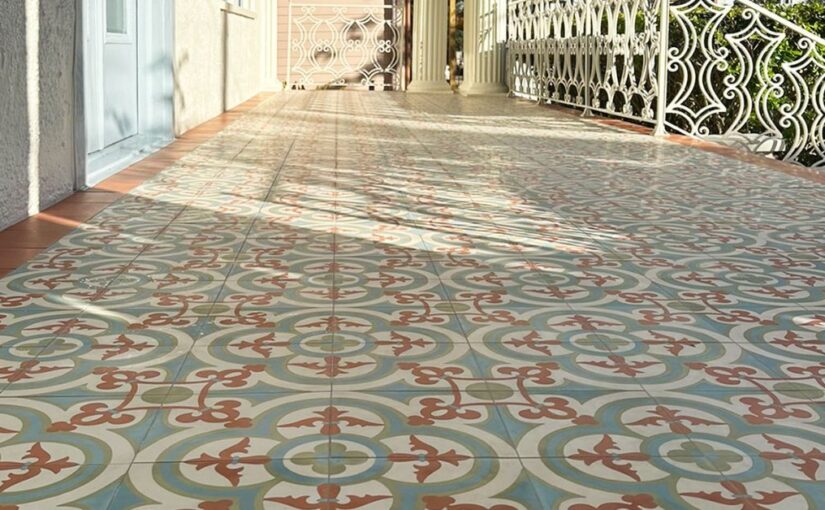

When it comes to flooring, few materials balance durability, style, and versatility quite like cement tiles. These bold, patterned pieces have taken the design world by storm, offering everything from old-world charm to modern artistic flair. Designers are continually drawn to their ability to add personality to both residential and commercial interiors.
Cement tile flooring is evolving faster than ever, and staying on top of the latest trends is essential for creating spaces that truly impress. Are geometric patterns still on the rise? Is bold color blocking here to stay? What about innovative layouts that push the boundaries of traditional design? This guide dives into all of it, uncovering the top trends that are shaping how designers think about these timeless tiles.
Whether you’re designing a chic café or refreshing a classic kitchen, this list will celebrate innovative uses of cement tiles and help you see how they can elevate any project. Get ready to explore the boldest, brightest, and most creative trends shaping cement tile flooring today.
Bold Geometric Patterns
The allure of geometric patterns in cement tile flooring remains unmatched, offering designers endless opportunities to push creative boundaries. Pair shapes like hexagons, diamonds, and triangles with unexpected angles and layouts to create visually dynamic surfaces that demand attention. Designers are favoring oversized patterns that emphasize scale and proportion, enhancing the impact of open spaces.
Imagine a combination of hexagonal tiles merging into triangular ones, creating a seamless blend of textures and lines across a room. Playing with contrasts like light and dark hues or combining matte and glossy finishes can further elevate this look. Trendsetters are even pulling inspiration from mid-century designs but giving them an updated twist with bolder colors and asymmetrical layouts.
Monochromatic Elegance
Simple doesn’t have to mean boring. Playing with variations of tone and texture within one color family allows designers to craft spaces that feel modern, cohesive, and refreshing. Muted pastel shades, classic grays, and even deep jewel tones are fantastic for understated yet impactful floors.
The magic lies in the interplay of light. Subtle gradients or tone-on-tone patterns in a monochromatic scheme can create depth without overwhelming the space. For example, using varying shades of blue across a grid of tiles can mimic the soothing flow of water, ideal for bathrooms or pool decks.
Graphic Statement Tiles
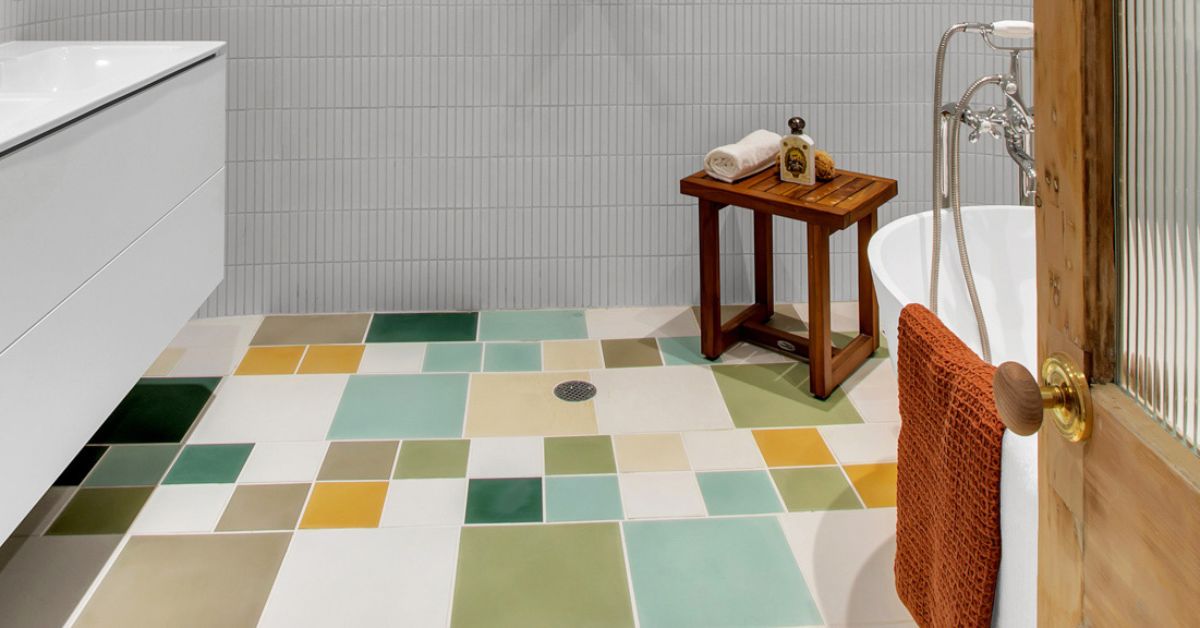
Cement tiles doubling as works of art are capturing the attention of designers. These statement pieces feature intricate, graphic designs that can transform flooring into the focal point of a space. Think bold, illustrative motifs inspired by everything from traditional Moroccan patterns to modern art movements like Bauhaus or Art Deco.
Larger, singular graphics spanning multiple tiles are making waves, offering a mural-like effect that invites conversation. These modern cement tiles work beautifully in entryways or feature spaces where a dramatic first impression is key. Pairing them with minimalistic furniture or fixtures ensures the floor remains the star of the show.
Mixed Material Pairings
Designers are increasingly breaking the traditional rules and combining cement tiles with other materials like hardwood, terrazzo, or natural stone. This trend elevates the visual interest of a flooring layout and encourages innovative experimentation. Consider using cement tiles to define a focal area, like a kitchen island or shower stall base, while surrounding it with neutral wood planks.
Another approach involves blending cement tiles with metallic accents, such as copper or brass strips, integrated into the layout. These unexpected combinations allow for boundary-pushing designs that can seamlessly transition between different zones in open-plan spaces.
Color Blocking With Purpose
When done right, color blocking creates an eye-catching, dramatic effect that leaves a lasting impression. Designers are using bold, contrasting cement tile colors to define zones or highlight architectural elements. For example, a bathroom floor might feature a vibrant teal border framing creamy white tiles, drawing immediate attention to the space.
This trend also incorporates the use of irregular layouts, such as placing a bright-colored patch of tiles beneath a dining table or along a hallway. Combining multiple bold colors, like ochre and navy, provides a strikingly modern aesthetic that turns something as functional as flooring into a designer statement piece.
Organic Shapes and Hand-Painted Looks
Inspired by nature’s imperfections, organic shapes and hand-painted patterns are taking over. These tiles often feature soft, irregular edges, fluid curves, or intricate floral and leaf motifs that feel personal and authentic. Their handmade appearance connects to the growing appreciation for artisanal, crafted pieces in interior design.
These designs pair well with natural finishes, such as wooden furniture or rattan accents, to create calming, earthy environments. Bathrooms, garden rooms, or any space with ample natural light are perfect for showcasing this trend, as the irregular textures interplay beautifully with sunlight and shadows.
Innovative Layouts and Patterns
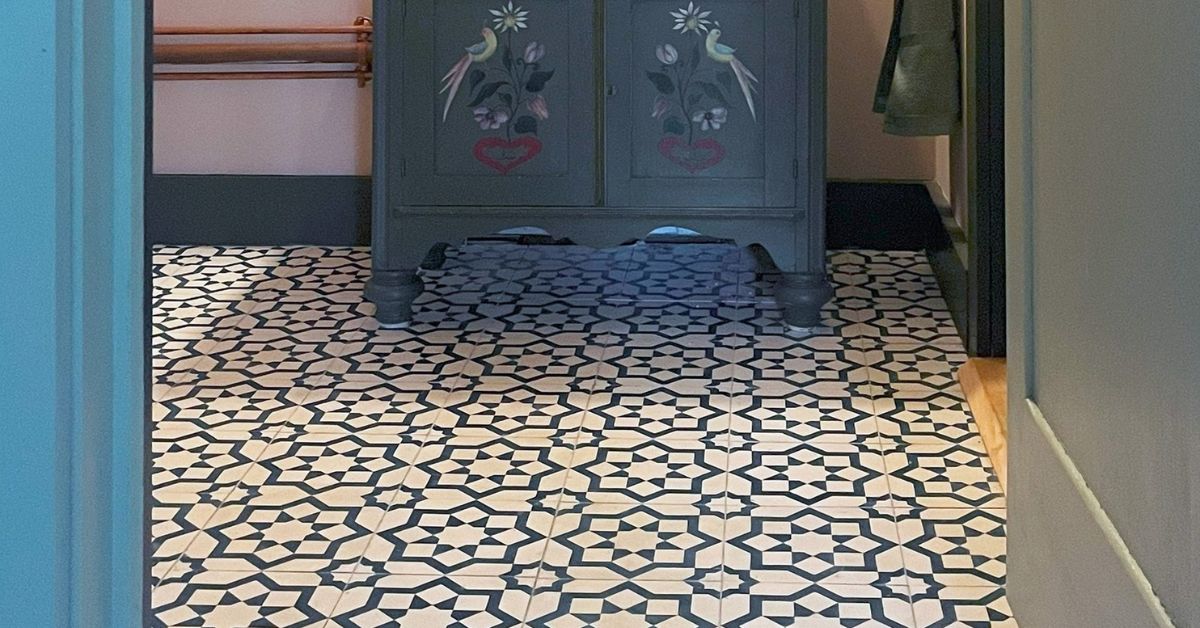
How tiles are arranged is now just as important as the design itself. Creative layouts, such as herringbone, chevron, or even freeform designs, are helping designers reimagine the potential of cement tiles. By rotating tiles at various angles or mixing complementary designs, layouts can become lively and unexpected.
Define specific zones with unique patterns to reshape interiors. A playful zigzag might highlight a bathroom entrance, while a honeycomb layout could add depth under a cozy window nook. Combining layout innovation with pattern and color opens up infinite design avenues for both small and large-scale projects.
High-Contrast Black and White
Few designs are as timeless as black and white patterns, and this classic pairing is thriving with contemporary updates. Designers are moving beyond simple checkered layouts in favor of elaborate, high-contrast designs inspired by historical styles like Victorian or Gothic flooring.
These tiles work beautifully in spaces that balance traditional and modern elements. A black-and-white palette can add drama to a stately foyer while remaining versatile enough to complement sleek, contemporary decor. Experimenting with proportions, such as using larger, high-contrast tiles in small rooms, can make the space feel expansive and bold.
So What?
Cement tile flooring isn’t just a practical choice; it’s a canvas for creativity that lets designers tell unique stories through current trends and timeless layouts. The approaches shaping tile today aren’t about following rules but breaking boundaries and reimagining what’s possible. Whether it’s experimenting with bold layouts, mixing materials, or playing with vibrant color palettes, cement tiles offer limitless opportunities to redefine a space.
Now it’s your turn to bring these trends to life. Explore how they can add depth, individuality, and style. Try pairing one of these ideas with your signature design elements or take a risk with an unexpected combination. The result could be a stunning, one-of-a-kind space that leaves a lasting impression.