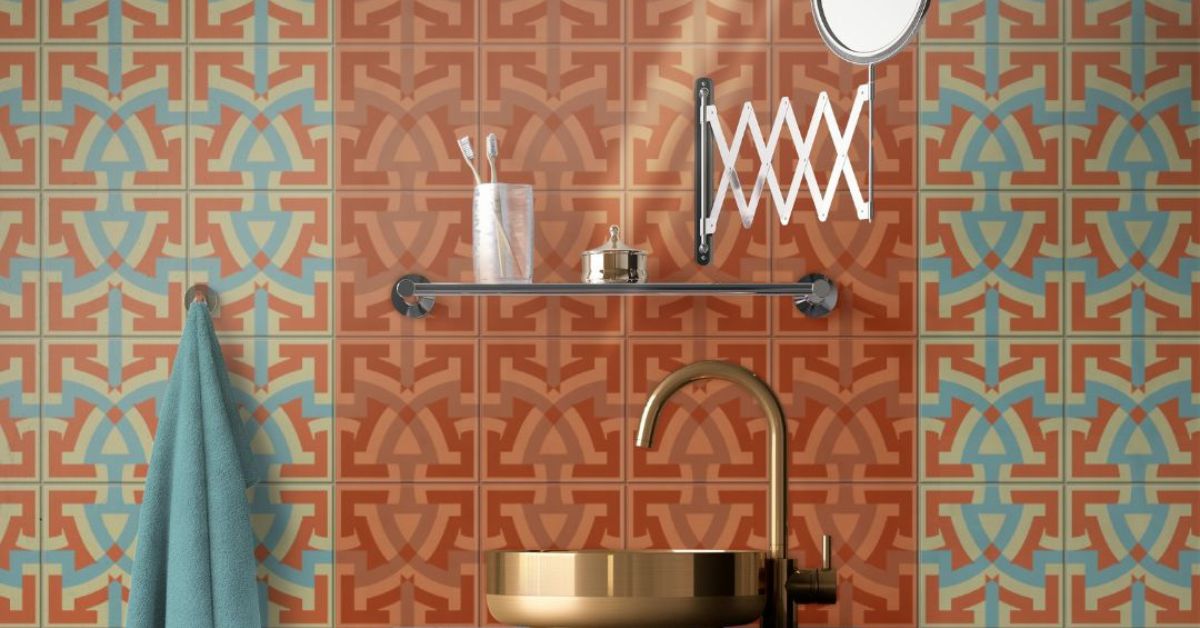
Cement tiles, known for their vibrant colors, striking patterns, and durable nature, are a popular choice for home and commercial spaces. Whether you’re planning a kitchen backsplash, a bathroom floor, or a feature wall, these tiles can transform any space into a work of art. However, sourcing cement tiles is not as simple as picking the design you like. It involves careful consideration of quality, production processes, and installation requirements. If you’re new to the world of cement tiles, be aware of what to know before you buy, and have a cement tile sourcing guide to help you along the way so that you can make the most informed purchases possible.
Understanding Cement Tiles
Before deciding on cement tiles, it’s essential to understand what sets them apart. Unlike ceramic tiles that are glazed and fired in a kiln, cement tiles are handmade using a mixture of cement, sand, and powdered pigments. This mixture is poured into molds to create intricate patterns, then compressed under high pressure. The manufacturing process gives cement tiles a matte finish, a smooth texture, and unparalleled durability. They’re suitable for a variety of indoor and outdoor applications, but their handmade nature comes with slight inconsistencies, which add to their charm but may not suit everyone’s preferences.
These tiles are highly absorbent due to their porous nature, which makes sealing them necessary to protect against stains and moisture. Cement tiles often develop a natural patina over time, giving them a timeless yet evolving aesthetic. Understanding these basic attributes can help you decide whether cement tiles align with your design goals and maintenance expectations.
Selecting a Reliable Supplier
The first step in sourcing cement tiles is choosing a trustworthy supplier. With the growing popularity of cement tiles, numerous manufacturers and distributors have emerged, but not all of them maintain high quality in production. It’s crucial to research potential suppliers and check reviews from previous customers. Reliable suppliers will often provide detailed information about their manufacturing processes, material sources, and ethical practices. Many artisans produce cement tiles in small batches, so you’ll want to ensure the supplier is transparent about any potential variations in colors or patterns from batch to batch.
Consider the supplier’s engagement and communication. Quality suppliers will be patient, answering questions about tile durability, installation requirements, and best uses. Requesting samples before committing to a large order is also a good practice to evaluate the tile’s quality and color in person. A dependable supplier will not hesitate to accommodate sample requests, as customer satisfaction is often a priority.
Choosing the Right Style and Pattern
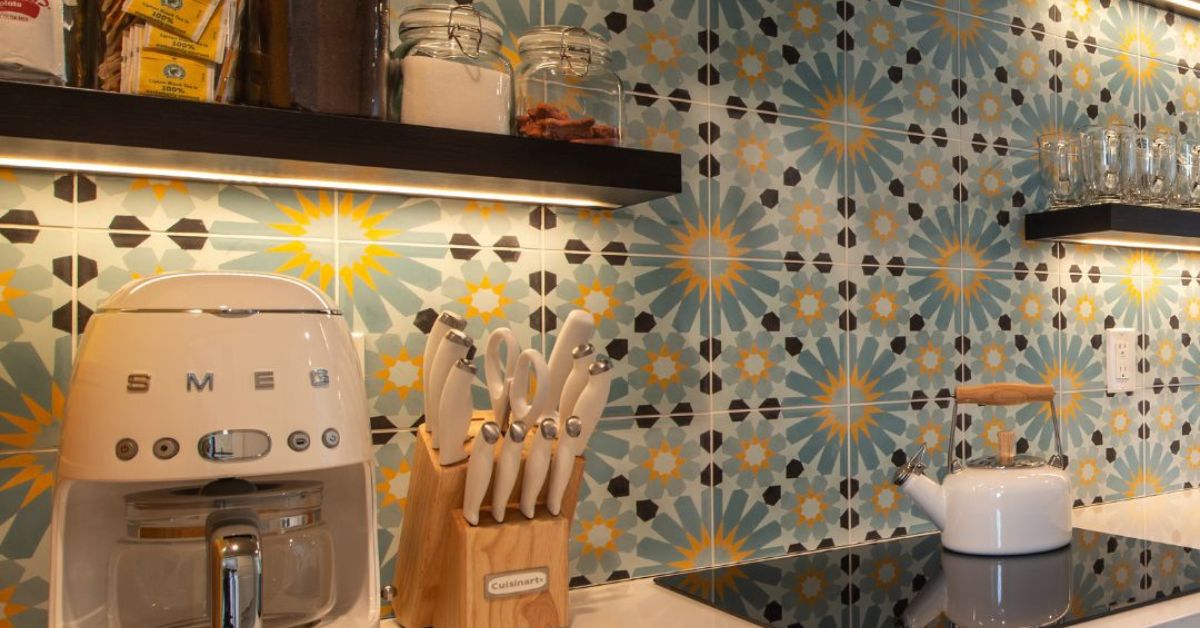
One of the standout features of cement tiles is the vast array of styles and patterns available. From geometric designs to floral motifs, these tiles allow homeowners and designers to achieve a completely customized look. Before selecting a pattern, consider the size of the space you’ll be tiling and its overall design scheme. For smaller spaces, a busier pattern may create a dramatic visual effect, while in larger rooms, subtle or repeating patterns can achieve a grand yet cohesive look.
Color scheme is another important factor, so choose hues that complement your existing decor while reflecting your personality. Vibrant patterns may inject energy and creativity into a room, while neutral or monochrome designs provide understated elegance. To ensure a long-lasting appeal, imagine how the design will look as trends and styles evolve over the years. Cement tiles are an investment, so selecting a timeless design can often yield greater satisfaction over time.
Considering Tile Thickness and Size
Cement tiles come in various sizes and thicknesses, each suitable for different applications. Standard tiles are typically about 8 inches by 8 inches, but other dimensions are available for specific design needs. Similarly, tile thickness may range between 3/8 inch to 3/4 inch, and your choice can impact the durability and installation process. Thicker tiles are a better fit for high-traffic areas like entryways, while thinner tiles may be easier to apply to walls.
The size of the tiles can also influence the perception of space in a room. Larger tiles can make small spaces appear bigger due to fewer grout lines, while smaller tiles provide intricate details that draw the eye. Some spaces may even benefit from a mix of tile sizes, especially in custom layouts or transitional patterns. It’s crucial to measure your space carefully and consult your contractor to determine the ideal size and thickness for your project.
Factoring in Maintenance and Durability
Cement tiles are incredibly durable when maintained properly, but they do require a level of upkeep that sets them apart from other materials. Sealing is one of the most critical steps in preventing stains and moisture damage. Tiles should be sealed both before and after installation. An initial coat before grout application prevents the grout from staining the tiles. Additional coats after installation enhance their resistance to daily wear and tear.
Cleaning cement tiles involves gentle care to preserve their finish. Use mild, pH-balanced cleaners and avoid harsh chemicals that could strip the sealant or damage the surface. Over time, resealing may be necessary to keep tiles in optimal condition, especially in areas prone to heavy foot traffic or spills. Discuss care recommendations with your supplier or contractor to ensure you’re prepared to give the tiles the longevity they deserve.

Shipping and Lead Times
Given that cement tiles are often handcrafted and produced in small batches, sourcing them may involve longer lead times compared to mass-produced tiles. Custom designs or large orders can take weeks, if not months, to complete, so proper planning is key. Ask your supplier about production timelines, shipping methods, and delivery estimates to avoid delays in your project. Be mindful of your budget as well, as shipping tiles, especially over long distances, can be expensive due to their weight.
It’s also essential to order extra tiles, typically 10 to 15 percent more than needed for your project. This allows for any unexpected breakage during shipping or installation, and ensures you have matching replacements for repairs in the future. Having surplus tiles from the same batch is especially important because colors and patterns may vary in subsequent productions.
Professional Installation Matters
Lastly, the installation of cement tiles is a process that requires skill and precision. Hiring an experienced contractor with knowledge of cement tile installation is highly recommended. Proper surface preparation, leveling, and tile placement are crucial to achieving a flawless finish. Cement tiles need to be laid with care to prevent chipping, and grout lines should be filled carefully to avoid uneven seams or stains.
Your contractor should follow the supplier’s guidelines for sealing and grouting the tiles. They may also need specialized tools and techniques due to the weight and density of cement tiles. Poor installation can result in uneven patterns, loose tiles, or long-term damage, so this step should not be overlooked in your planning.
Find the Best Tiles for You
Cement tiles are a versatile and artistic option for enhancing any space, but sourcing them requires thoughtful consideration of factors such as quality, style, durability, and installation. By understanding what you need to know before sourcing cement tiles and conducting thorough research, you can make an informed decision that adds beauty and value to your home or project. With proper care, cement tiles will stand the test of time, becoming a cherished feature in any design. Taking these steps before you buy ensures that your cement tile investment is both aesthetically pleasing and functionally sound, offering you endless enjoyment for years to come.