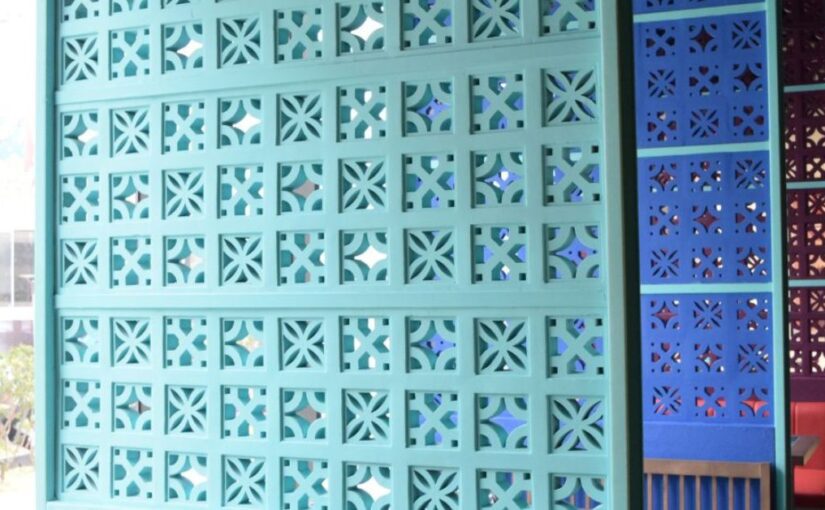
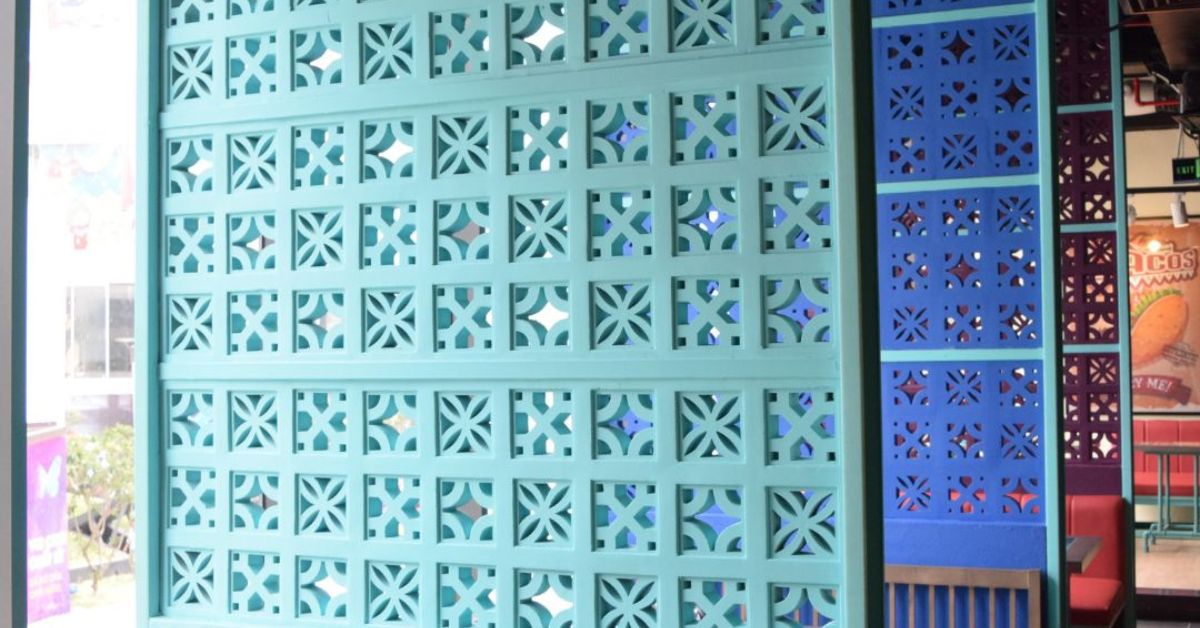
Breeze blocks, also known as concrete blocks or cinder blocks, are a popular choice for both functional and decorative applications in construction and landscaping. Their durability, cost-effectiveness, and versatile nature make them a reliable material for walls, fences, garden features, and even modern architectural designs. However, there are some breeze block maintenance tips you should know to keep them looking beautiful and structurally sound. Neglecting upkeep can lead to cracking, discoloration, or structural issues over time.
Regular Cleaning To Prevent Buildup
One of the simplest and most important maintenance tasks for breeze blocks is regular cleaning. Since these blocks are porous by nature, they tend to collect dirt, grime, mold, or mildew, particularly when exposed to damp conditions over time. To address this, periodically clean the surface with warm water, mild detergent, and a soft-bristled brush.
This will remove dirt and stains and prevent long-term buildup that could compromise the appearance of the blocks. For tougher stains, such as grease or oil, you may need to use stronger cleaning solutions, but always ensure it is safe for use on concrete. Avoid using overly harsh chemicals that can weaken the material.
Addressing Mold and Mildew Growth
Where moisture is present, mold and mildew can thrive. Breeze blocks used in outdoor settings, such as garden walls or patios, are particularly susceptible to this issue. To tackle mold growth, use a solution of water and oxygenated bleach, which effectively kills mold without damaging the blocks.
Scrub the affected area thoroughly and rinse it with water to prevent mold spores from spreading. To minimize the risk of mold and mildew build-up in the future, make sure the area has proper drainage and ventilation to reduce moisture levels around the blocks.
Sealing for Enhanced Protection
A proven way to prolong the life of cement decorative blocks is by applying a sealant. Sealing the blocks creates a protective layer that repels water, dirt, and other contaminants, thus reducing the risk of damage. Choose a high-quality concrete sealer designed for breeze blocks, and follow the manufacturer’s instructions closely for application.
Typically, you should reapply sealing every two to three years, depending on the level of exposure to weather and wear. Sealing your breeze blocks not only enhances their durability but can also improve their visual appeal by giving them a uniform, finished look.
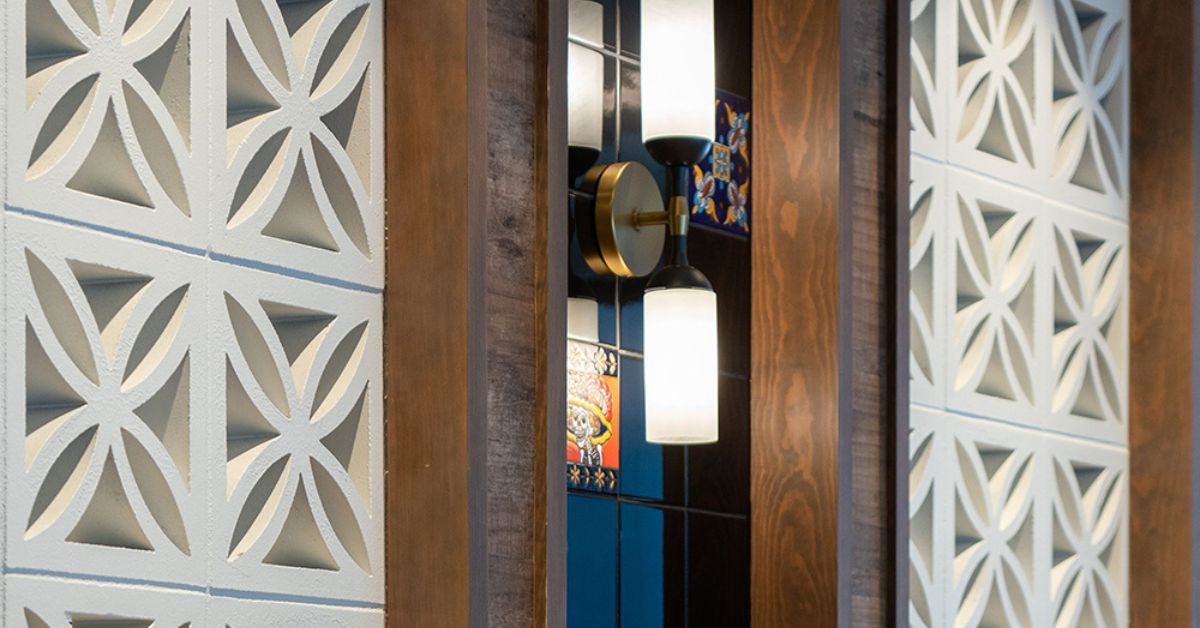
Repairing Cracks and Damage Promptly
Over time, exposure to environmental elements and general wear and tear may lead to cracking or chipping of breeze blocks. These damages, if left unattended, can worsen and compromise the structural integrity of the whole structure. Small cracks can potentially widen or allow water to seep into the blocks, which could lead to more serious problems, such as freeze-thaw cycles in colder climates.
To fix minor cracks or chips, use a patching compound or mortar mix specifically formulated for concrete repairs. Clean the area thoroughly before application to ensure proper adhesion, and smooth out the repaired portion for an even finish.
Managing Efflorescence
Efflorescence refers to the white, powdery substance that sometimes appears on the surface of breeze blocks. This phenomenon occurs when salts from within the blocks dissolve in water, then rise to the surface and crystallize as the moisture evaporates.
While efflorescence is not harmful, it can affect the appearance of your breeze blocks. To remove it, gently scrub the surface with a dry brush or wipe it with a damp cloth. Additionally, applying a sealant can prevent moisture from penetrating into the blocks and reduce the chances of efflorescence occurring in the first place.
Protecting Against Weather Extremes
Breeze blocks used in outdoor structures are exposed to changing weather conditions, including heavy rain, intense sunlight, and freezing temperatures. These environmental factors can take their toll over time. To protect breeze blocks from weather-related wear, ensure proper drainage around the structure to prevent water pooling.
During freeze-thaw cycles, excess moisture trapped within the blocks can expand and cause cracks, so taking preventive measures is key. Furthermore, UV rays from intense sunlight can cause fading or surface deterioration. Sealing the blocks and incorporating shading or protective coverings can mitigate damage from the sun’s exposure.
Inspecting for Structural Integrity
Routine inspection of your breeze block structures is crucial for identifying potential problems early. Check for signs such as cracks, uneven settling, water pooling around the base, or misaligned blocks. If you notice any of these issues, address them promptly to avoid further complications.
For larger problems, such as structural instability or significant damage, it’s wise to consult a professional contractor. Regular inspections not only help maintain the appearance of your breeze block structures but also ensure they remain safe and functional.
Repainting for Aesthetic Appeal
If your breeze blocks are painted for decorative purposes, maintaining their paintwork is another important aspect of upkeep. Over time, paint can fade, peel, or become discolored due to exposure to the elements.
To refresh their look, clean your breeze blocks thoroughly before applying a new coat of paint suitable for concrete surfaces. Use a primer to ensure the paint adheres well and provides even coverage. Repainting not only restores the aesthetic appeal but also offers an added layer of protection against the elements.
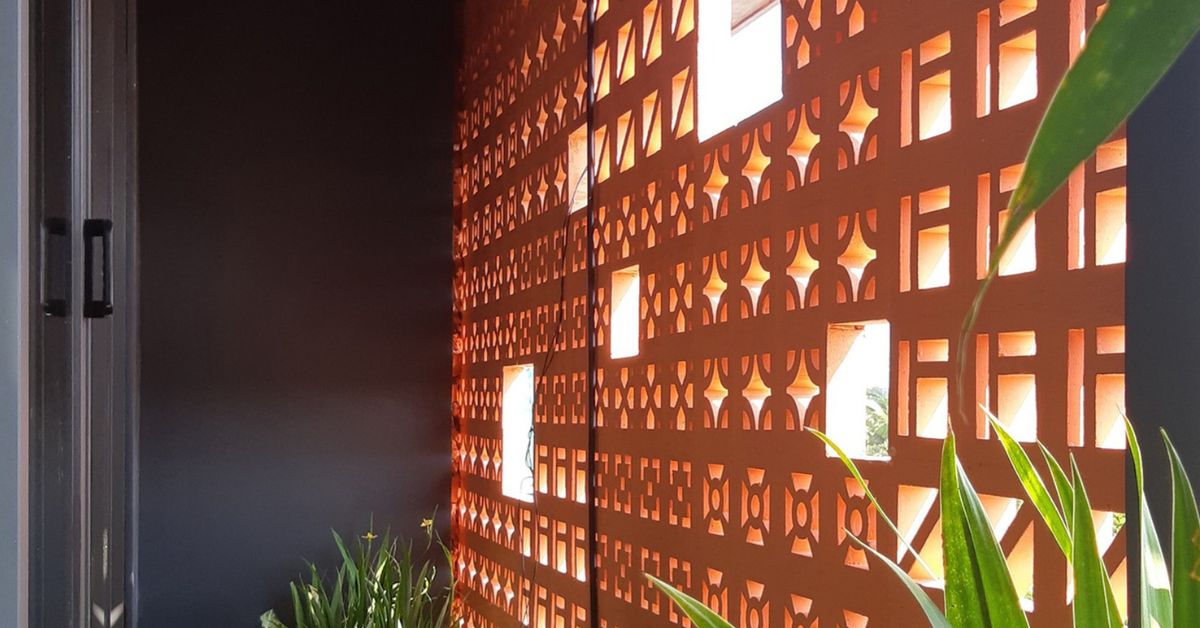
Preventing Overgrowth Around Breeze blocks
When breeze blocks are situated in gardens or outdoor spaces, excessive vegetation growth around them can pose a risk. Plant roots can shift or damage the blocks, while overgrown plants can retain moisture that promotes mold buildup.
Regularly trim back any nearby vegetation and keep a safe distance between plants and the breeze block structure. You can also install weed barriers or edging to reduce the chances of invasive plant growth affecting your blocks.
Long-Term Maintenance Habits
Maintaining breeze blocks is not a one-off task; it requires consistent care and attention over the years. By staying proactive and addressing potential issues quickly, you prevent minor problems from escalating into costly repairs.
Establishing a maintenance routine that includes cleaning, sealing, inspections, and occasional repairs will keep your breeze blocks looking great and performing well for a long time. Investing time in their upkeep now can save you significant effort and expenses in the future.
Keep Your Breeze blocks in Top Condition
Breeze blocks are both practical and visually appealing when maintained properly, but like any material, they require care to remain in top condition. From regular cleaning and sealing to timely repairs and inspections, the right steps can significantly enhance their longevity and appearance. Being proactive about mold prevention, efflorescence management, and protecting against weather extremes ensures their structural integrity. Whether you use breeze blocks for functional walls, decorative elements, or landscaping, applying these maintenance tips will help preserve their beauty and durability for years to come. Taking care of them not only ensures a longer life for the blocks but also enhances the overall charm and stability of your property.