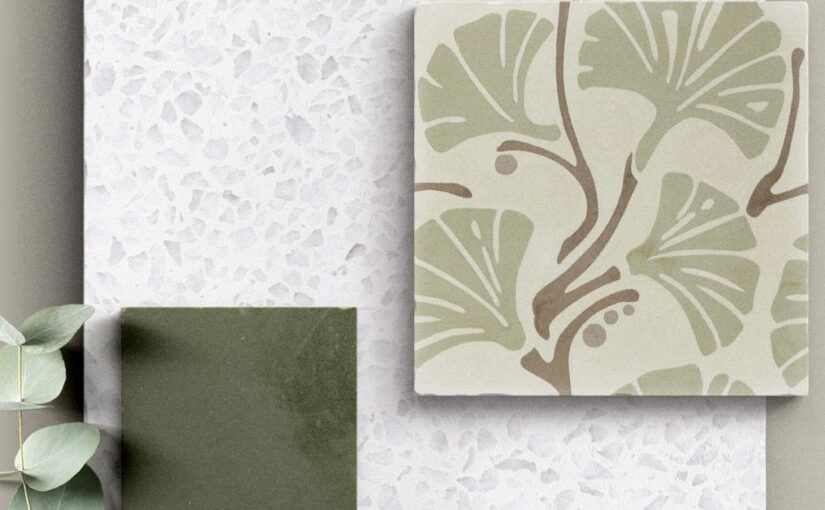
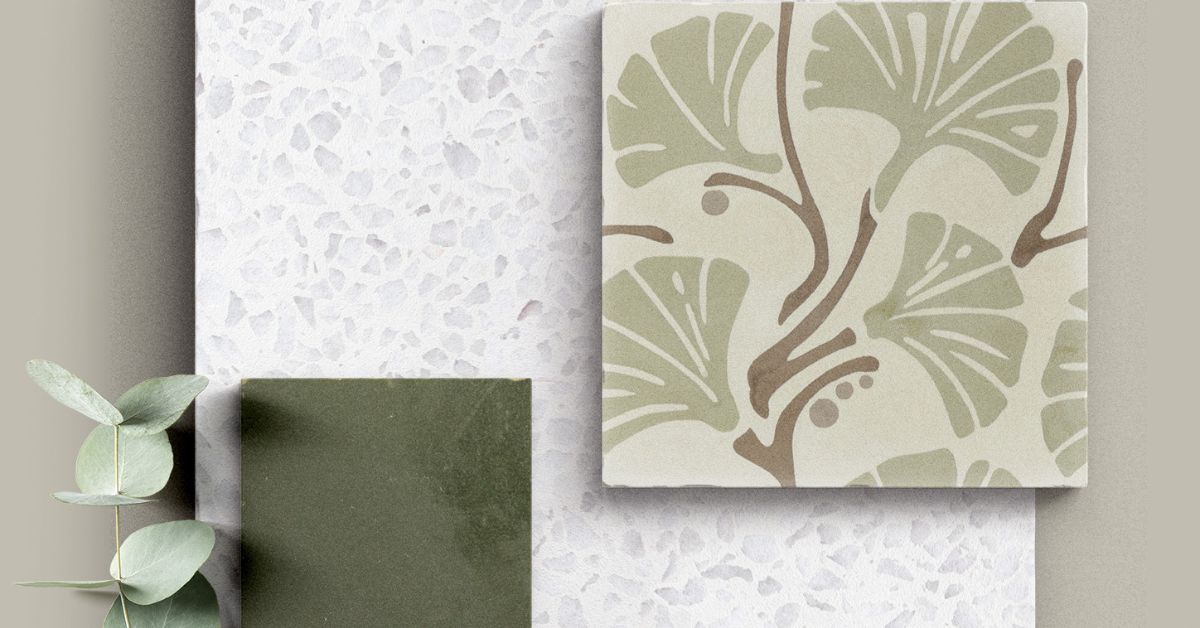
Cement tile has made a bold comeback in recent years, appearing in everything from trendy cafés to high-end kitchens and boutique hotels. While many people admire its vibrant patterns and matte finish, few truly understand the fascinating history and unique characteristics behind this timeless material.
Cement tile is far more than just a stylish surface. It carries craftsmanship, durability, and design flexibility that set it apart from many other flooring and wall options. If you’ve been looking to incorporate these tiles into your interior design, here are a few surprising facts you didn’t know about cement tiles that might inform your design choices.
Cement Tile Isn’t Fired in a Kiln
One of the most surprising facts about cement tile is that it is not fired like ceramic or porcelain tile. Instead of being baked in a kiln, cement tiles are cured at room temperature. They are made using a hydraulic press that compresses layers of cement mixture under high pressure.
The process begins with a decorative mold that separates different pigment colors, and artisans carefully pour colored cement into the mold by hand, creating intricate patterns. A layer of dry cement and sand is then added behind the design layer for strength. Once pressed, the tile is removed from the mold and submerged in water to cure and harden naturally. This curing process gives cement tile its signature matte finish and rich depth of color. It also means each tile carries subtle variations that add to its character.
Every Tile Is Handmade
Unlike mass-produced ceramic tiles, authentic handmade cement tiles are crafted one by one. Skilled artisans pour pigments and assemble layers manually, making each tile slightly unique. This craftsmanship results in minor variations in color and pattern alignment, which are often considered part of the tile’s charm.
Because each tile is individually crafted, the production process is slower and more labor-intensive. This adds to the cost compared to standard tiles, but it also ensures a level of artistry that cannot be replicated through automation.
In many parts of the world, cement tile production remains a traditional craft passed down through generations. When you install cement tile, you are not just adding a design feature to your home; you are incorporating a piece of living history.
Cement Tile Has Been Around Since the 19th Century
Many homeowners assume cement tile is a modern trend, but its origins date back to the mid-1800s. It first gained popularity in Europe, particularly in France and Spain, before spreading to Latin America and beyond.
During the late 19th and early 20th centuries, cement tile was widely used in grand homes, public buildings, and historic properties. Its durability and decorative appeal made it ideal for entryways, corridors, and courtyards.
The recent resurgence of cement tile is less about reinvention and more about revival. Designers today are re-embracing a material that has already proven its staying power for more than a century.
It Gets Better with Age
While many surfaces show wear over time, cement tile often becomes more beautiful as it ages. Because the color layer is thick and integral to the tile itself, it does not simply sit on the surface like a glaze. As the tile wears, it develops a soft patina that adds depth and character.
In older homes with original cement tile floors, you can often see how decades of use have enhanced the look rather than diminished it. Proper sealing and maintenance are important, but when cared for correctly, cement tile can last for generations. This aging process appeals to homeowners who appreciate materials that tell a story over time rather than looking factory-perfect forever.
It’s Surprisingly Durable
Some people assume that because cement tile is handmade and unglazed, it must be fragile. In reality, cement tile is incredibly strong. The hydraulic pressing process compacts the materials tightly, resulting in a dense and durable product.
Cement tile performs well in high-traffic areas like kitchens, hallways, and commercial spaces. It is thick and solid, typically around five-eighths of an inch, which adds to its strength. While it can be more porous than glazed tile, proper sealing protects it from stains and moisture. Its durability is one reason you still find original cement tile floors in historic buildings that have stood for over a hundred years.
It’s Not Just for Floors
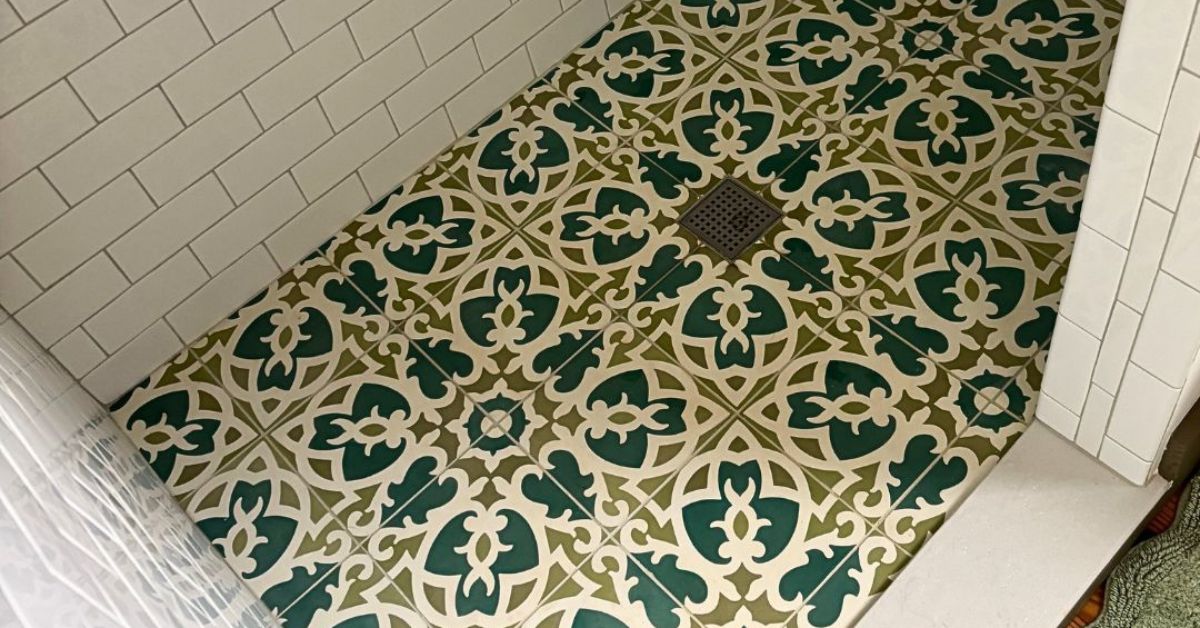
Many people associate cement tile primarily with flooring, but it is equally striking on walls. Designers frequently use cement tile for backsplashes, shower surrounds, fireplace facades, and accent walls.
Because of its bold patterns and colors, cement tile can serve as a focal point in a space. A patterned kitchen backsplash or statement bathroom wall can transform an otherwise simple room into a visually dynamic environment.
The versatility of cement tile makes it suitable for both residential and commercial applications. From retail spaces to restaurants, it brings texture and personality wherever it is installed.
The Colors Are Made from Natural Pigments
Another surprising fact about cement tile is that its colors often come from natural mineral pigments. These pigments are mixed directly into the cement layer that forms the decorative surface.
This method gives cement tile its rich, earthy tones and depth of color. Because the pigment is part of the tile rather than a surface glaze, it does not peel or chip away in the same way glazed finishes can.
The use of mineral-based pigments also contributes to the tile’s timeless appearance. Many of the most popular designs feature classic color palettes that complement both traditional and modern interiors.
It Requires Proper Sealing
Cement tile’s porous nature means it requires sealing before and after installation. While this may seem like a drawback, it is simply part of maintaining a natural material. Sealing protects the tile from stains, moisture, and everyday wear.
With the right sealant and routine maintenance, cement tile can perform beautifully in kitchens and bathrooms. Understanding this characteristic is important for homeowners. When properly cared for, cement tile remains resilient and visually stunning for decades.
It Offers Endless Customization
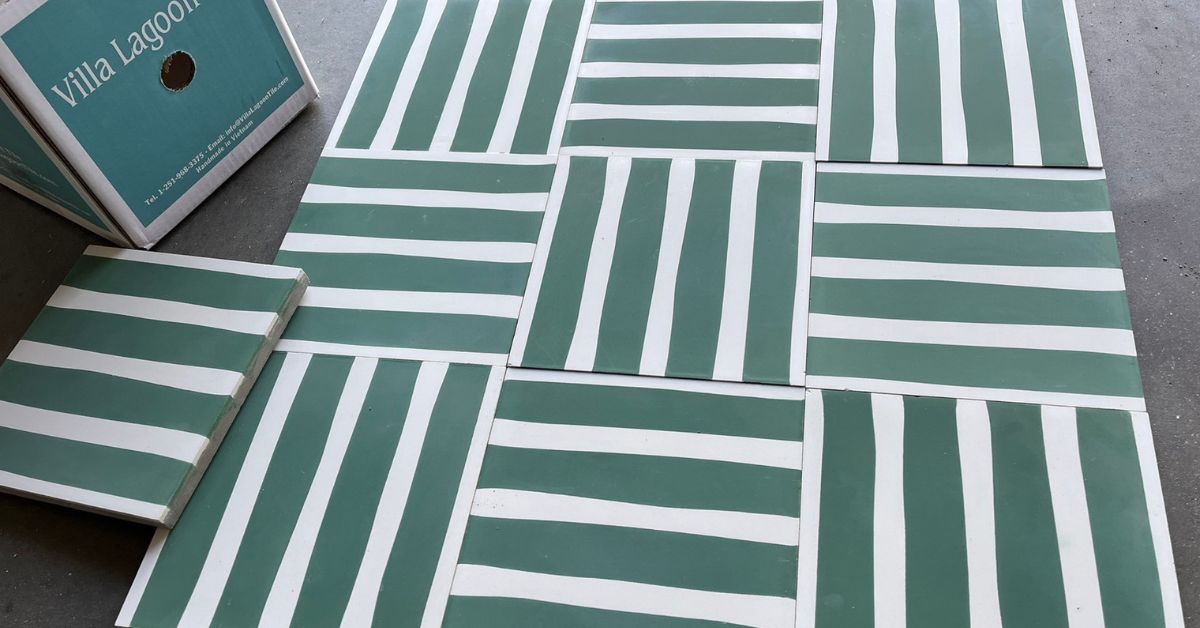
Cement tile provides nearly limitless design possibilities. Because the patterns are created using removable molds, manufacturers can produce a wide range of geometric, floral, and contemporary designs. Homeowners and designers can even create custom patterns and color combinations to suit specific projects.
This flexibility makes cement tile a favorite for those who want a truly unique space. From bold, graphic motifs to subtle, monochromatic designs, cement tile can complement almost any aesthetic. Whether you are aiming for Mediterranean charm, modern minimalism, or vintage elegance, cement tile adapts beautifully.
A Timeless Statement Material
Cement tile is more than a decorative surface. It represents craftsmanship, heritage, and thoughtful design. Its handmade production, natural pigments, and curing process set it apart from mass-produced alternatives.
The next time you see a patterned cement tile floor or backsplash, you might look at it differently. Behind each tile lies a careful process, skilled hands, and a history that stretches back over a century.
In a world of fast manufacturing and fleeting trends, cement tile stands as a reminder that some materials endure not just because they are beautiful, but because they are built to last.