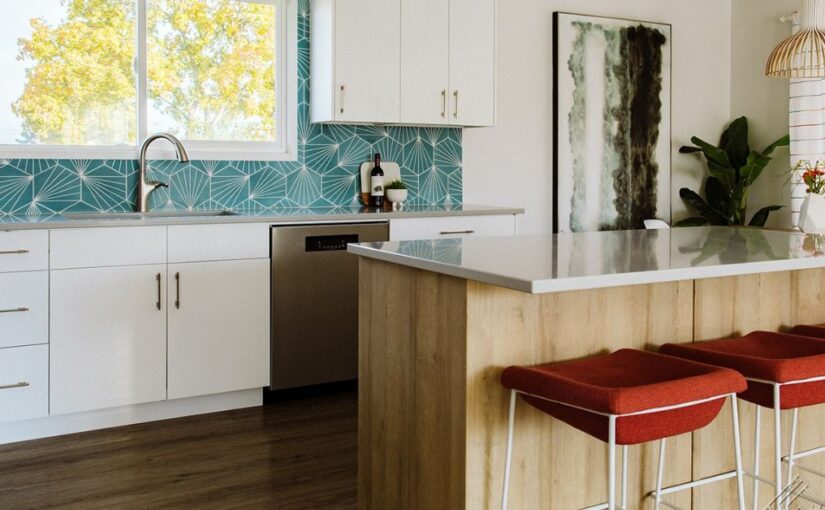
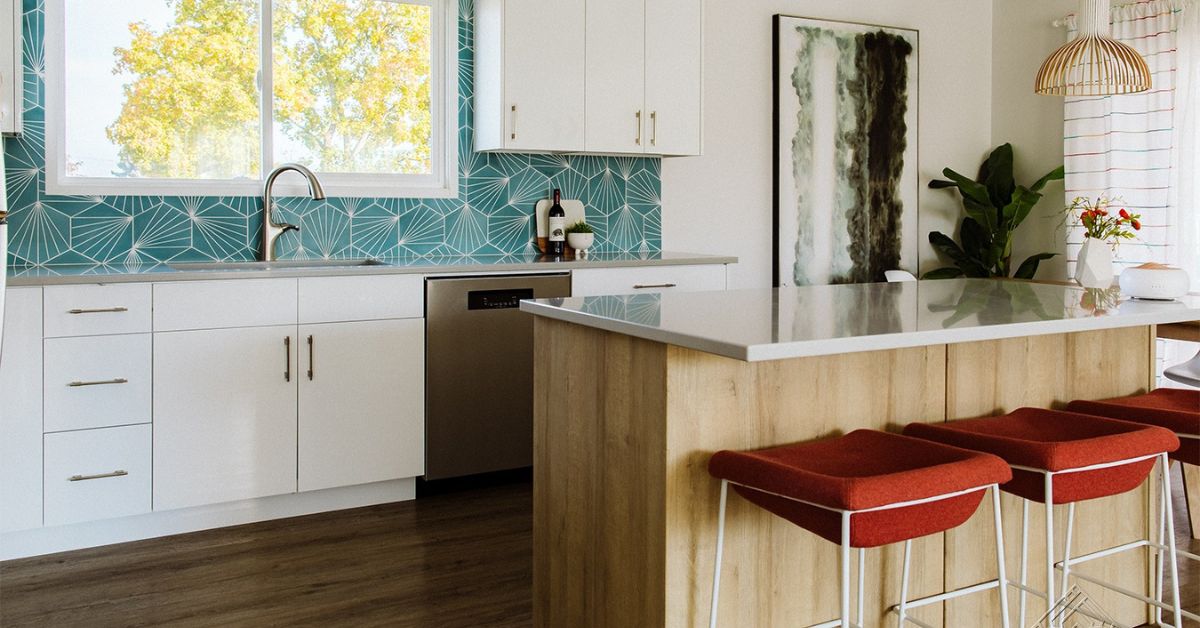
Design today is all about contrast, and nothing captures that better than mixing mediums: pairing tile with wood and metal. This approach brings together natural warmth, industrial edge, and artistic detail in a way that feels intentional rather than overdesigned. When done right, it creates spaces that feel balanced and visually rich without overwhelming the eye.
For interior designers and design-forward homeowners alike, combining these materials opens up endless possibilities. Tile provides pattern and durability, wood introduces warmth and softness, and metal adds structure and shine. The magic happens in how these elements interact with one another across a space.
Why Mixing Materials Works So Well
Blending materials is not just a trend—it’s rooted in how people experience spaces. Rooms that rely on a single material can feel flat or one-dimensional, while mixed materials add depth and movement.
Tile acts as a visual anchor, especially when patterns or color variations are involved. Wood softens the overall look, making spaces feel more inviting and grounded. Metal, whether matte or polished, brings contrast that sharpens the design and adds a contemporary edge.
This combination also helps bridge styles. Traditional wood tones can meet modern metal finishes, while tile patterns can lean either classic or bold. The result is a layered design that feels curated rather than matched.
Tile as the Foundation
Tile often serves as the starting point in mixed-material design. It sets the tone for the entire space, whether through subtle texture or eye-catching pattern.
In kitchens, tile backsplashes create a focal point that pairs naturally with wood cabinetry and metal hardware. In bathrooms, tile can define the mood, with wood vanities and metal fixtures enhancing the overall aesthetic.
Using modern cement tiles allows for even more personality. Their handcrafted look introduces variation and depth, making them an ideal partner for smoother, more uniform materials like wood and metal.
The key is to let the tile lead without overpowering the rest of the design. When balanced correctly, it becomes the thread that ties everything together.
Bringing Warmth with Wood
Wood plays a critical role in softening the visual weight of tile and metal. Without it, spaces can feel too stark or industrial.
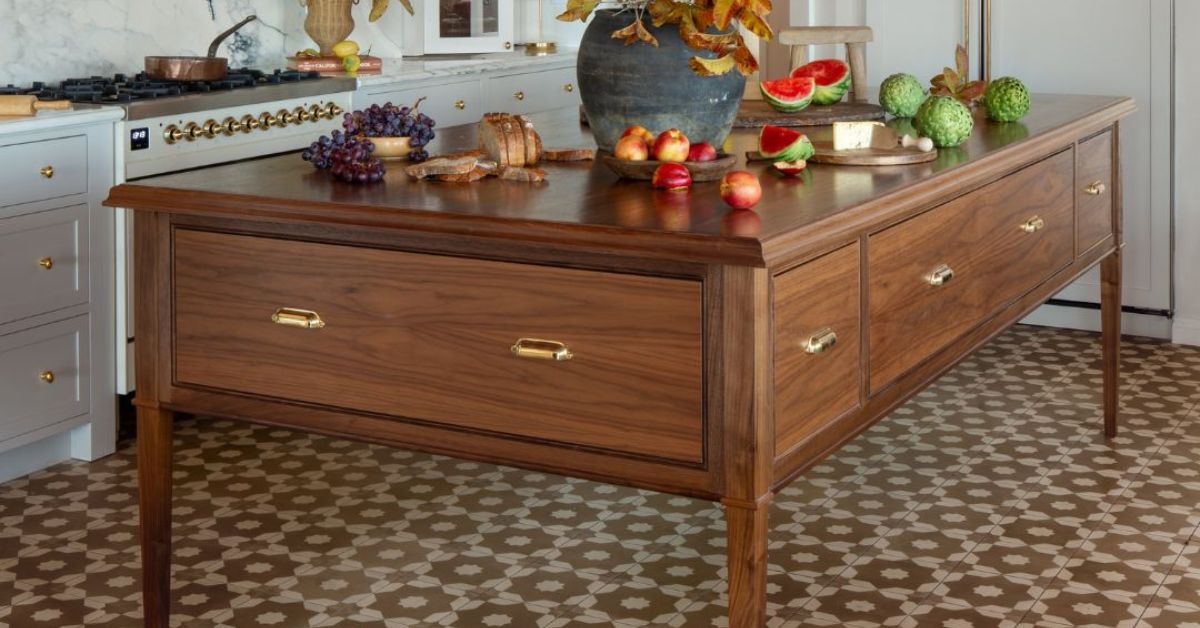
Natural wood tones bring warmth and familiarity. Whether it’s light oak, rich walnut, or something in between, wood adds an organic element that contrasts beautifully with the precision of tile patterns.
In open spaces, wood can appear through cabinetry, shelving, ceiling beams, or flooring. When paired with tile, it creates a transition between structured design and natural texture.
The most successful designs avoid over-polishing wood elements. Slight variations, grain patterns, and even subtle imperfections enhance the layered look that mixed materials aim to achieve.
Adding Edge with Metal
Metal introduces structure and contrast, acting as the finishing touch in a mixed-material palette. It defines edges, highlights details, and adds a sense of refinement.
Brushed brass, matte black, stainless steel, and aged bronze each bring a different personality. The choice of finish can shift the entire mood of a space, from warm and vintage to sleek and modern.
Metal is often used in smaller doses, such as fixtures or hardware. These details might seem minor, but they play a major role in tying together tile and wood elements.
The interplay between reflective metal surfaces and matte tile or wood textures creates visual interest. It keeps the eye moving and prevents the design from feeling static.
Balancing Texture and Tone
One of the biggest challenges when combining tile, wood, and metal is achieving balance. Too much contrast can feel chaotic, while too little can feel uninspired.
Successful designs consider both texture and tone. Smooth tiles might pair well with heavily grained wood, while more intricate tile patterns benefit from simpler wood finishes. Metal should complement rather than compete with these textures.
Color also plays a crucial role. Neutral palettes allow materials to shine, while bolder palettes require careful coordination to maintain harmony.
Instead of matching everything perfectly, the goal is to create a conversation between materials. Each element should stand on its own while contributing to the overall design.
Applications Across the Home
The beauty of mixing materials is its versatility. It works across nearly every space, adapting to different functions and styles.
In kitchens, tile backsplashes combined with wood cabinetry and metal fixtures create a layered, functional design. Bathrooms benefit from tile walls or floors paired with wood vanities and metal accents for a spa-like feel.
Living spaces can incorporate tile in fireplaces or accent walls, balanced by wood furniture and metal lighting. Even outdoor areas can embrace this combination, using tile surfaces alongside wooden structures and metal details.
Each application offers an opportunity to experiment with scale, contrast, and placement.
A Modern Take on Layered Design
What makes combining tile, wood, and metal finishes in design so compelling is its adaptability. It can lean rustic, modern, industrial, or even traditional depending on how materials are chosen and arranged.
This approach reflects a broader shift in design toward authenticity and individuality. Rather than sticking to one material or style, designers are embracing combinations that feel personal and dynamic.
Tile, wood, and metal each bring their own story. When layered together thoughtfully, they create spaces that feel complete without feeling predictable.
Tips for Getting the Look Right
While the concept is simple, execution requires attention to detail. Start with one dominant material, often tile, and build around it. Introduce wood to soften the space, then use metal to define and refine.
Keep proportions in mind. Large areas of tile can be balanced with substantial wood elements, while smaller tile features pair well with lighter touches of wood and metal.
Consistency in finishes also matters. Mixing too many metal tones or wood stains can dilute the design. Instead, choose a cohesive palette that allows variation without creating visual clutter.
Above all, focus on how the materials interact rather than how they match. The goal is harmony, not uniformity.
Find Your Perfect Pairing
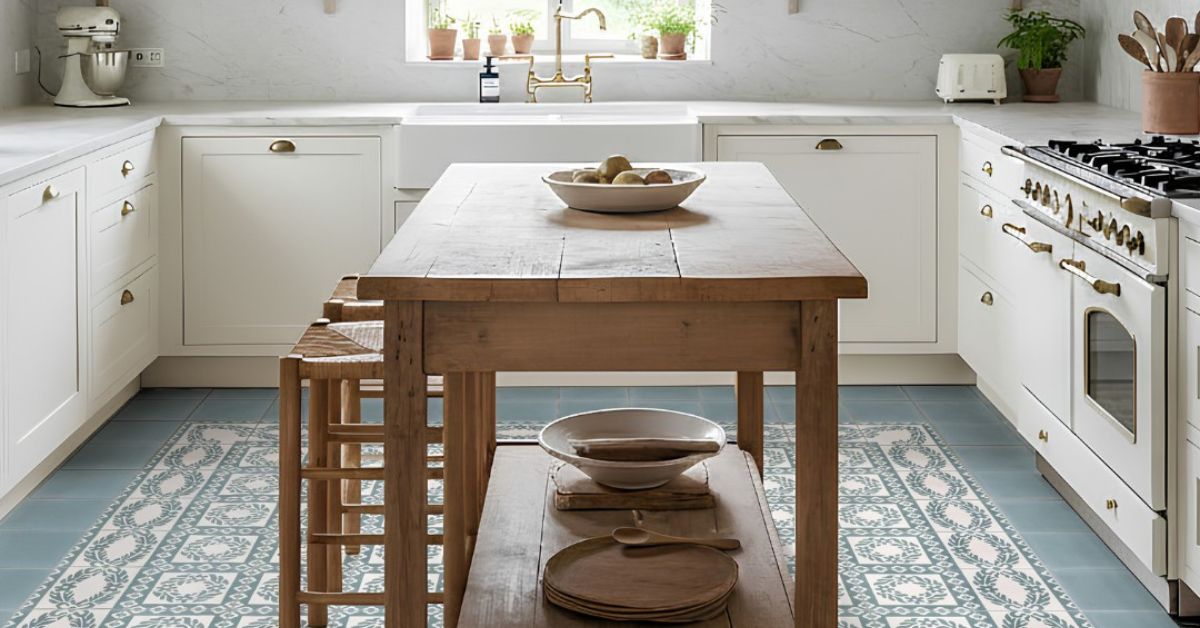
Mixing mediums: pairing tile with wood and metal is more than a design trend—it’s a strategy for creating spaces that feel layered, intentional, and full of character. By combining the durability and artistry of tile with the warmth of wood and the precision of metal, designers can craft interiors that stand out without feeling forced.
This approach aligns perfectly with the needs of today’s interiors, where flexibility and personality matter just as much as function. Whether used in a single room or throughout an entire project, the combination offers a timeless way to elevate design.
For brands like Villa Lagoon Tile, this layered approach highlights the versatility and craftsmanship of their products, helping designers bring bold and balanced spaces to life.