With their ability to combine design with functionality, tiles are an architectural staple in homes, businesses, and outdoor spaces. Among the vast array of tile options are encaustic tiles and cement tiles—two distinct styles that are often mistakenly referred to interchangeably. While these tile types may share some visual similarities, they are fundamentally different in terms of their manufacturing processes, materials, longevity, and overall appeal. If you’re looking to use tiles in your next project, make sure you have a definitive answer to the question “Are encaustic tiles the same as cement tiles?”
The Origins of Encaustic Tiles
Encaustic concrete tiles have a rich history that traces back hundreds of years, with their roots firmly planted in medieval Europe. The term encaustic originates from the Greek word enkaustikos, meaning “to burn in,” referring to the process of heating materials to solidify designs. Historically, encaustic tiles were made using a combination of clays of different colors, pressed together to create intricate patterns that would last the lifetime of the tile. These tiles were especially popular during the Victorian era, adorning iconic buildings, churches, and palaces across Europe.
Encaustic tiles are baked in a kiln and achieve their decorative effect through the use of inlaid clay patterns rather than surface coatings or glazes. This method allows the design to retain its vibrancy even as the tile wears down over time. Their aesthetic charm often lies in their bold, geometric patterns and the ability to seamlessly blend tradition with contemporary decor styles.
What Are Cement Tiles?
Cement tiles, also known as hydraulic tiles, have an equally storied history, originating in the 19th century in the Mediterranean region. Unlike encaustic tiles, cement tiles are not fired in a kiln. Instead, they are handmade, using a mixture of cement, sand, marble dust, and mineral pigments. The process involves pouring a pigmented cement layer into a mold to create the design, which is then bonded to the base layer using hydraulic presses.
Cement tiles gained popularity for their durability, affordability, and the wide range of colors and patterns that could be created with the technique. Over time, they became synonymous with artistic flooring and walling options, particularly in warm climates where their thermal mass properties help regulate indoor temperatures.
Manufacturing Processes
One of the most significant differences between encaustic and cement tiles is the way they are produced. Encaustic tiles involve designs made from solid pieces of colored clay that are pressed together and then fired at high temperatures. This baking process hardens the tiles and makes them suitable for high-traffic areas.
Cement tiles, on the other hand, do not rely on heat. Instead, they are compressed with hydraulic machinery to create robust, non-fired tiles. The absence of the firing process makes cement tiles more environmentally friendly, as it reduces energy consumption during production. However, this also results in a porous surface that requires sealing to prevent moisture damage and staining.
Durability and Longevity
When it comes to durability, both encaustic and cement tiles have their strong points, but they cater to slightly different needs. Encaustic tiles, with their kiln-fired clay base and ingrained patterns, are highly resistant to wear and tear. Their designs do not fade easily, even in high-traffic spaces, making them ideal for areas like hallways and entryways.
Cement tiles, while durable, are more susceptible to surface wear and staining due to their porous nature. Regular sealing and maintenance are necessary to preserve their appearance and longevity. They are best suited for areas that see moderate traffic or as decorative elements in spaces like backsplashes and accent walls.
Aesthetic Differences
Style and visual appeal are where these two tile types can often appear similar, leading to confusion. Both encaustic and cement tiles are beloved for their ability to add character and a sense of artistry to spaces. However, the nuances of their designs set them apart.
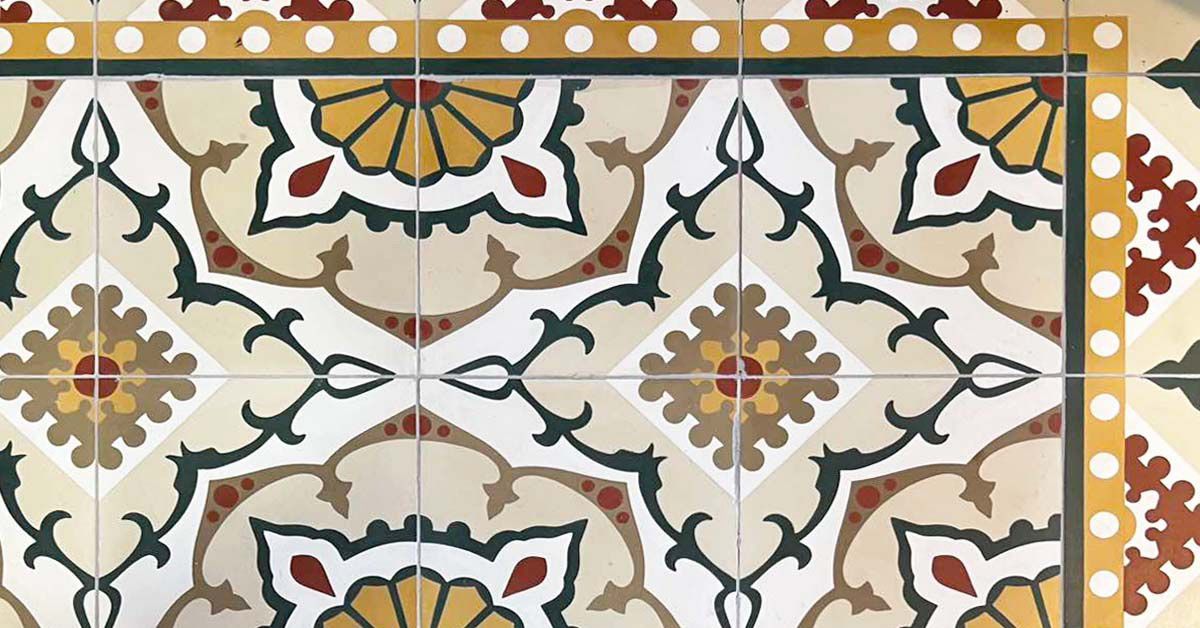
Encaustic tiles typically feature traditional, intricate patterns that evoke a sense of history. Their color palette often includes earthy tones and muted shades, lending them a timeless appearance that works well in both classic and modern interiors. The depth of their patterns makes them a popular choice for creating statement floors and walls.
Cement tiles, on the other hand, are known for their vibrant colors and bold, modern designs. The use of mineral pigments allows for a diverse range of shades and patterns, making them an excellent choice for spaces that require eye-catching design elements. Their matte finish offers a contemporary touch that complements a variety of decor styles.
Maintenance and Care
Encaustic tiles are generally low-maintenance, thanks to their fired clay surface and hardy patterns. Routine cleaning with mild soap and water is usually sufficient to keep them looking their best. However, you should avoid using strong chemicals and abrasive tools to prevent damaging the surface.
Cement tiles demand more care due to their porous nature. Sealing is a vital step in their maintenance routine, as it protects the surface from stains and water damage. Depending on the level of use, resealing may be required annually. Cleaning cement tiles also calls for pH-neutral cleaners to avoid damaging the sealant or the tile itself.
Cost Comparison
When it comes to cost, encaustic tiles are generally more expensive than cement tiles due to their intricate manufacturing process and kiln-fired quality. Their historical appeal and durability often make them a premium choice for homeowners and designers looking to make a timeless statement.
Cement tiles are seen as a more budget-friendly option, especially for projects that require a large quantity of tiles. Their affordability, paired with their design versatility, makes them a popular choice for residential and commercial spaces alike.
Which Tile Is Right for Your Project?
Choosing between encaustic and cement tiles ultimately comes down to your specific project needs and personal preferences. If you’re seeking a tile that exudes historical charm, with low-maintenance requirements and long-lasting patterns, encaustic tiles are an excellent choice. On the other hand, if you prioritize bold designs, a more affordable price point, and are willing to invest in proper maintenance, cement tiles are an ideal option.
Know the Difference
By understanding the differences between encaustic and cement tiles, you can confidently select the style that aligns with your aesthetic vision and functional requirements. Both encaustic and cement tiles offer timeless beauty and versatility, ensuring that either option can elevate the look of your space in its own distinct way.