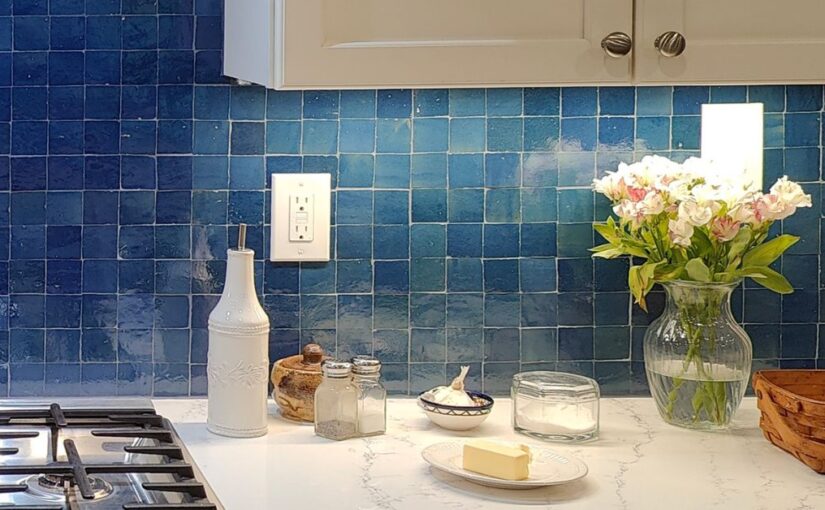
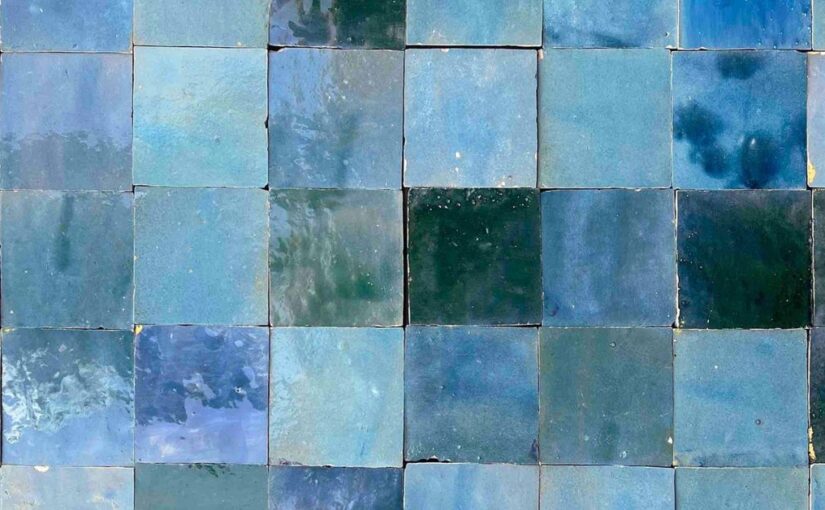
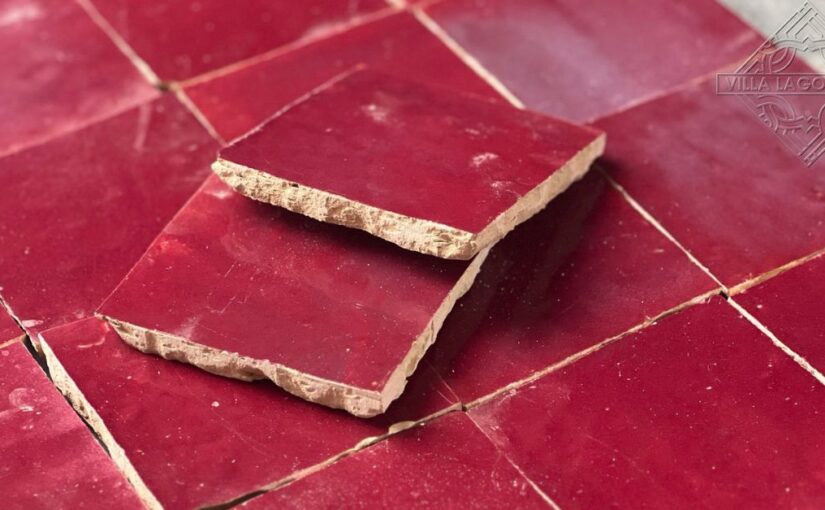
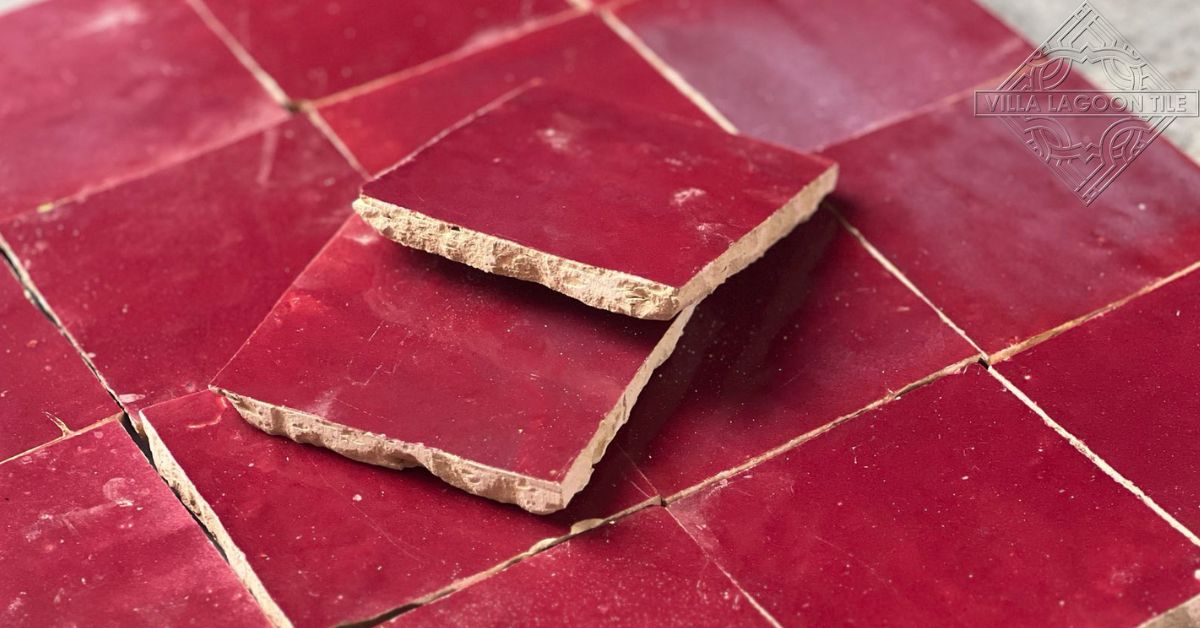
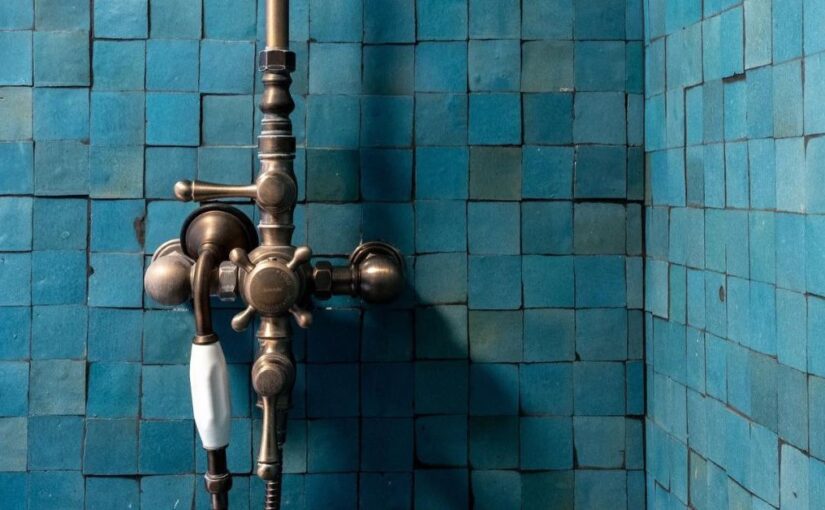
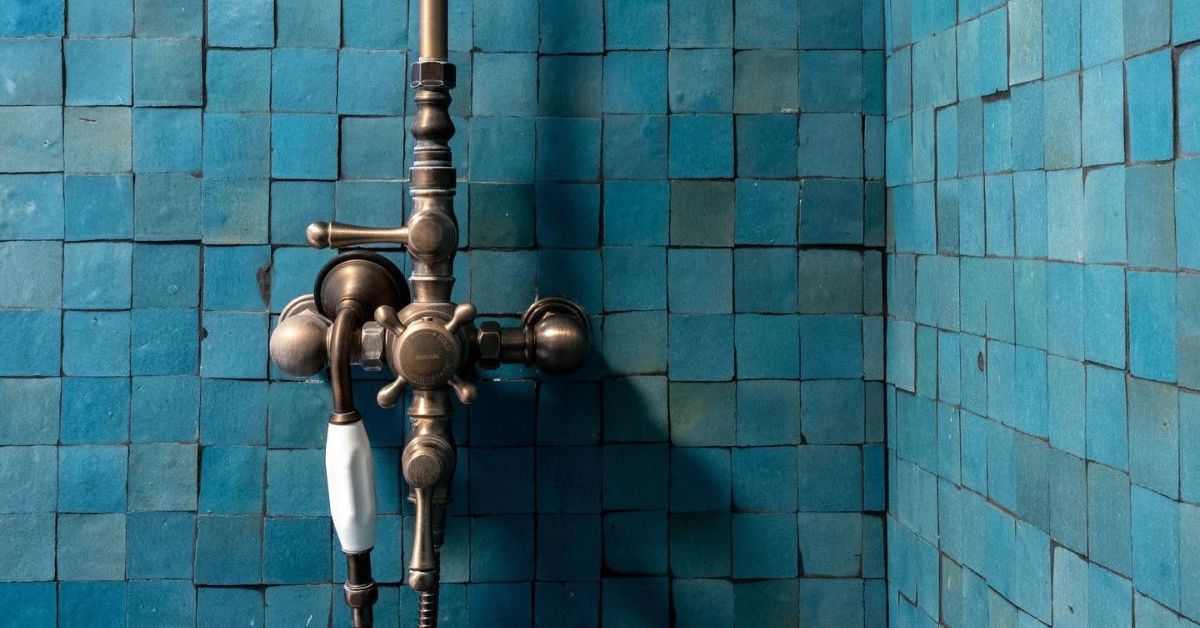
There’s a certain magic in Zellige tiles. Their handcrafted charm, organic imperfections, and shimmering textures create a sense of timeless beauty that elevates any space. These Moroccan masterpieces are art pieces steeped in tradition, ready to transform your home into a haven of style and character.
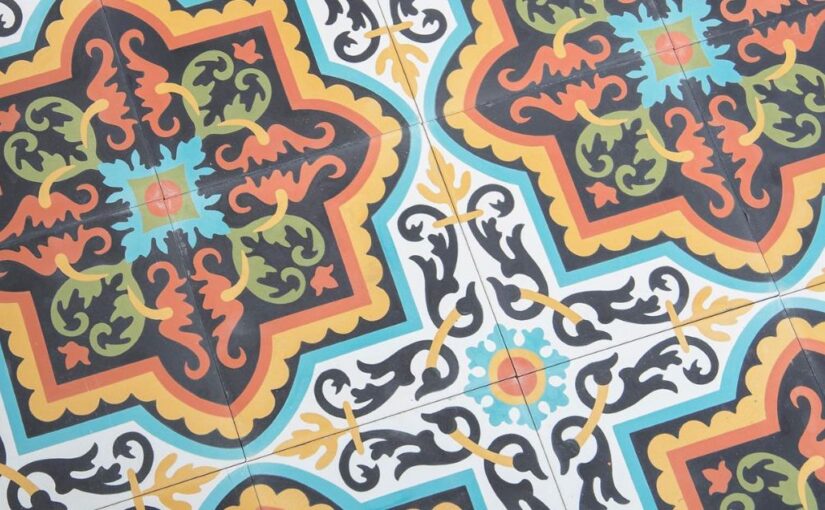
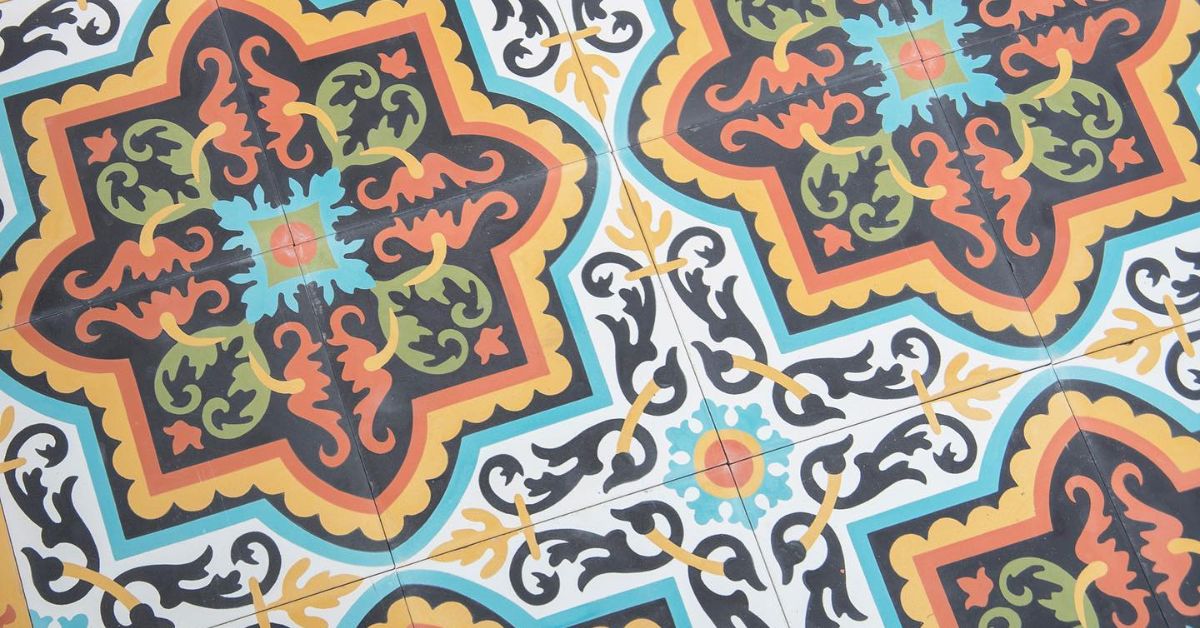
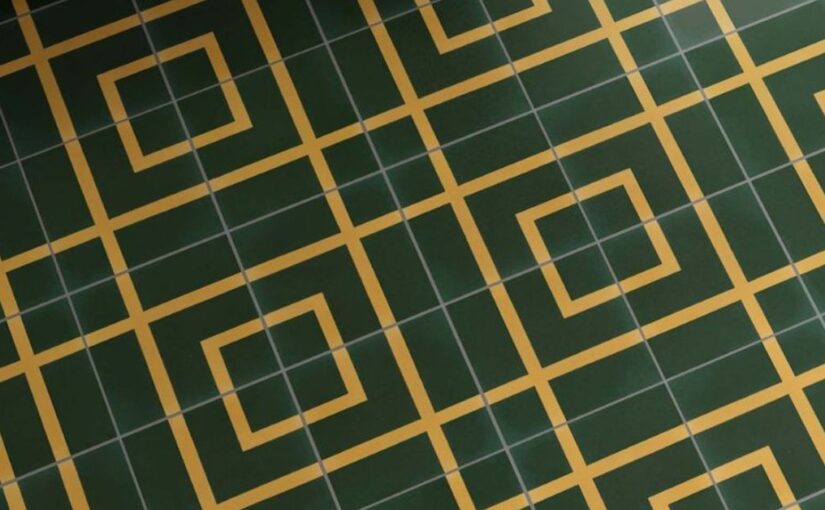
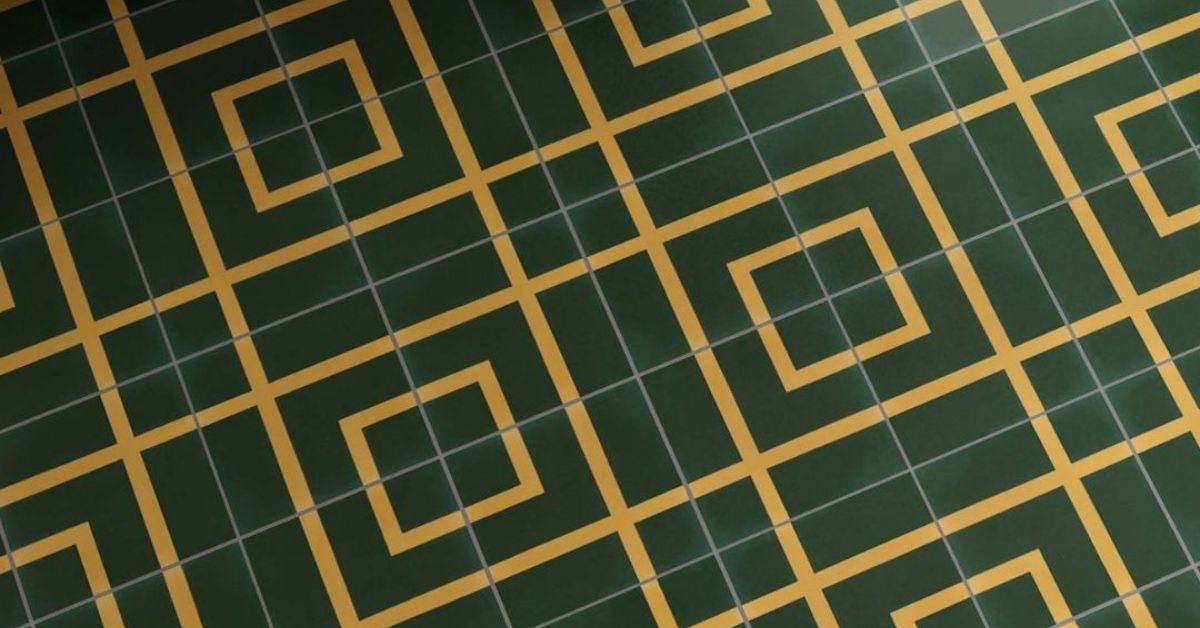
When was the last time you walked into a restaurant or boutique and found yourself captivated by the floor? Chances are, those eye-catching patterns came from encaustic tiles. These bold, beautiful tiles have a way of turning everyday spaces into something unforgettable.
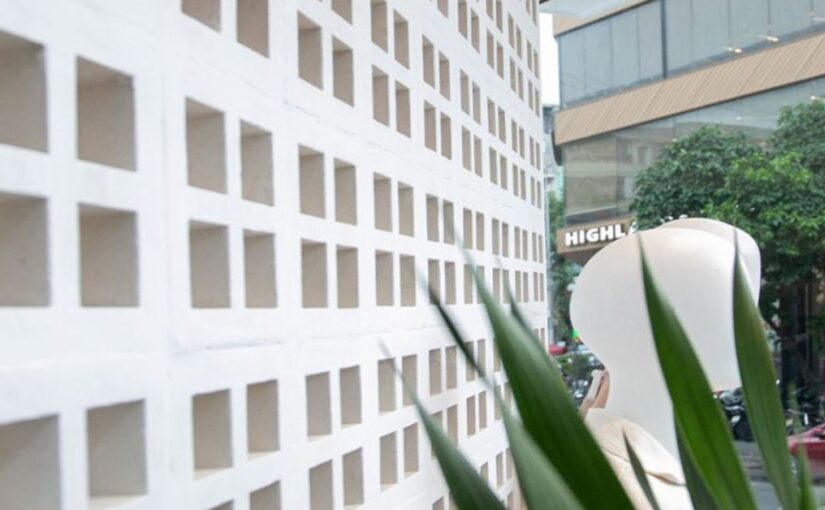
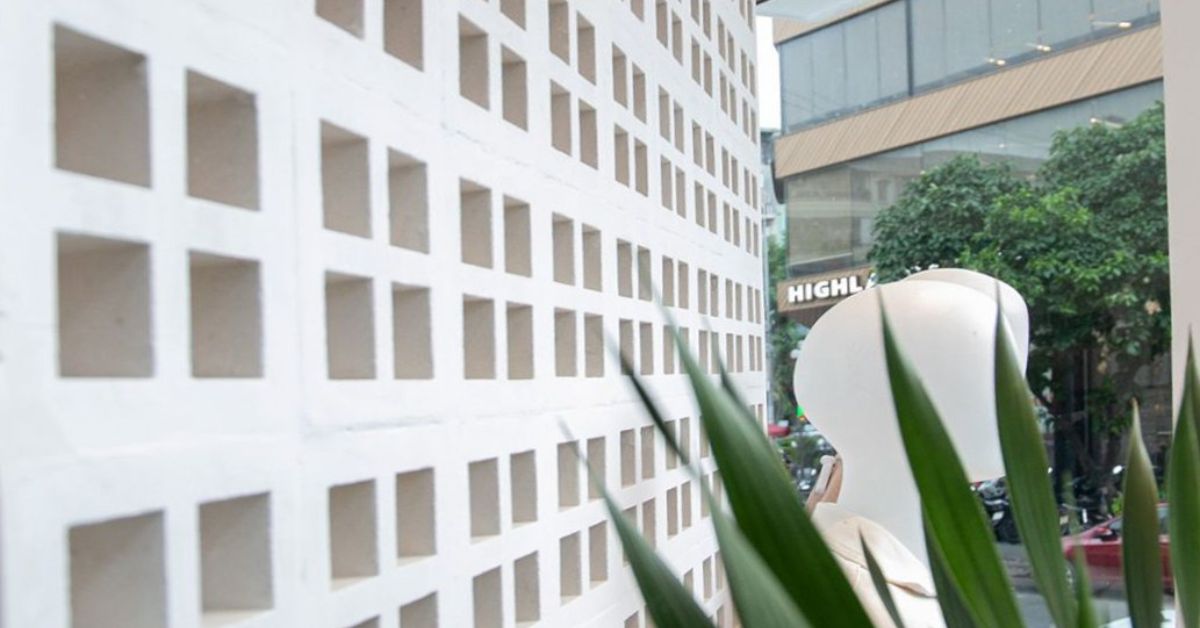
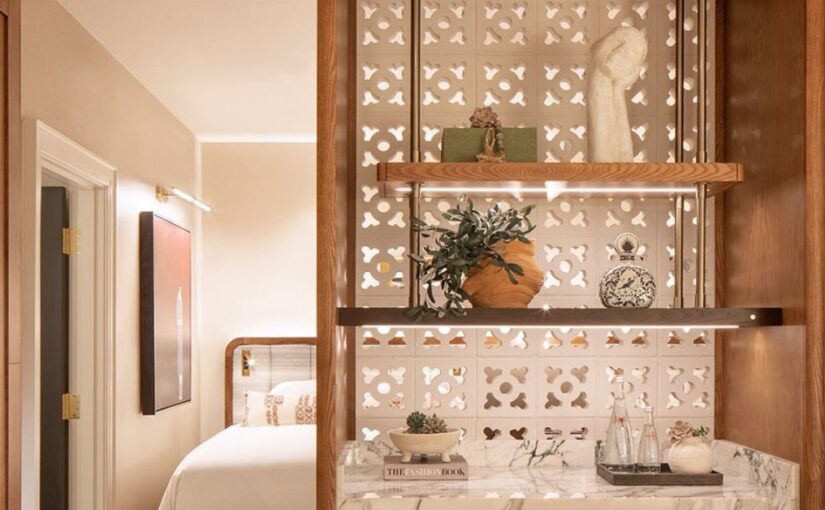
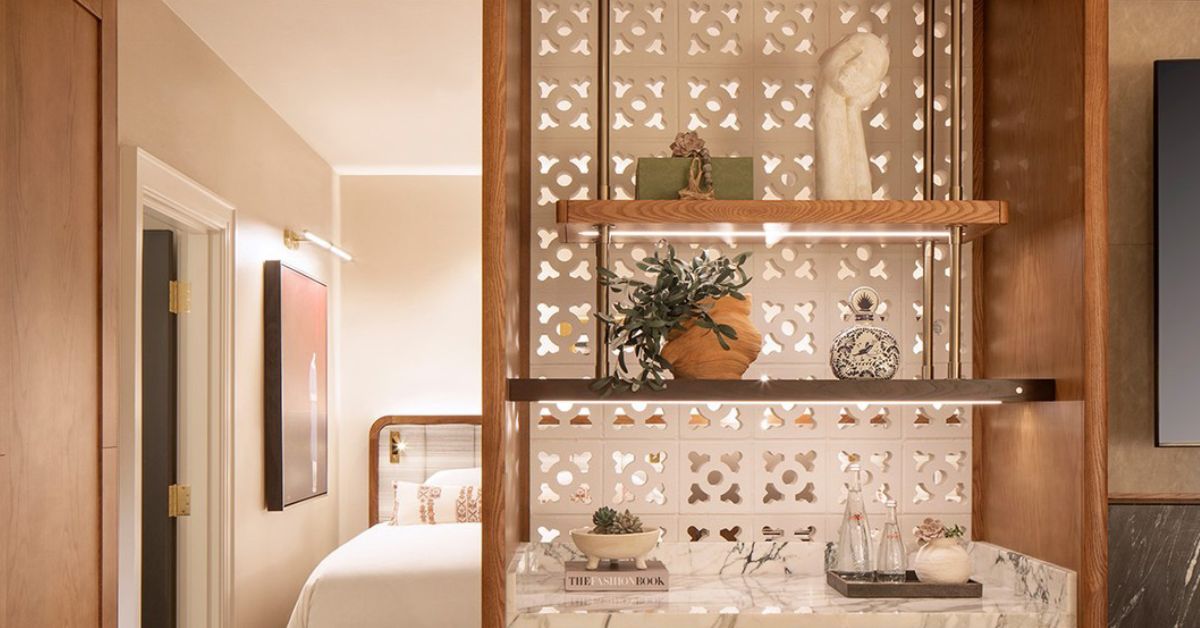
Breeze blocks—typically used in construction projects—are making a stylish comeback in the world of interior design. These versatile, sturdy blocks are no longer confined to their structural roots. Instead, they’re becoming a favorite choice for creative minds seeking unique and affordable ways to elevate their home interiors.
Mixing Moroccan mosaic tile with modern decor creates a striking, harmonious result. Moroccan mosaic tiles, also called zellige or zillij, have been a symbol of intricate artistry and cultural heritage for centuries.
Cement tiles have a unique charm that can transform an ordinary room into an unforgettable space. Their rich colors and intricate patterns offer functionality while bringing personality and warmth to your home. But keeping that beauty intact takes a bit of care. Without the right cleaning and maintenance, those stunning tiles can lose their luster over time.
When it comes to picking the perfect tiles for your space, the options can feel endless. Zellige and cement tiles are two standouts that bring very different vibes to the table, making the decision between them both exciting and impactful. Are you leaning toward the handcrafted, glossy charm of Zellige? Or have the bold patterns and earthy feel of cement tiles caught your eye?
Imagine it: a sun-soaked backyard, a playful interplay of light and shadows dancing across the patio floor. The source? Those evocative, patterned breeze blocks that first captured the hearts of designers and homeowners decades ago. Once a staple of mid-century architecture, these bold, geometric blocks are breaking back into modern design in all the right ways.
The key to a flawless encaustic tile installation lies in thorough preparation. Unlike standard ceramic or porcelain tiles, encaustic tiles have unique characteristics that demand specific handling techniques and preparation methods. These tiles are porous, individually crafted, and often have slight variations in thickness and color that add to their authentic appeal.
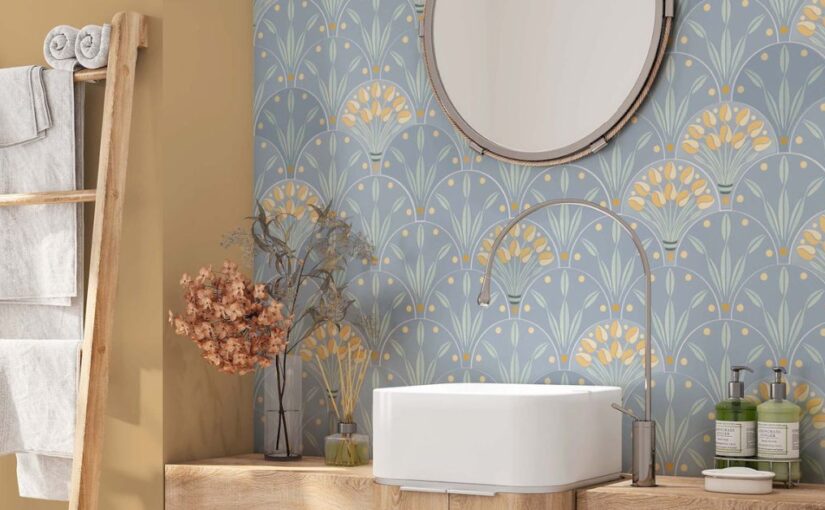
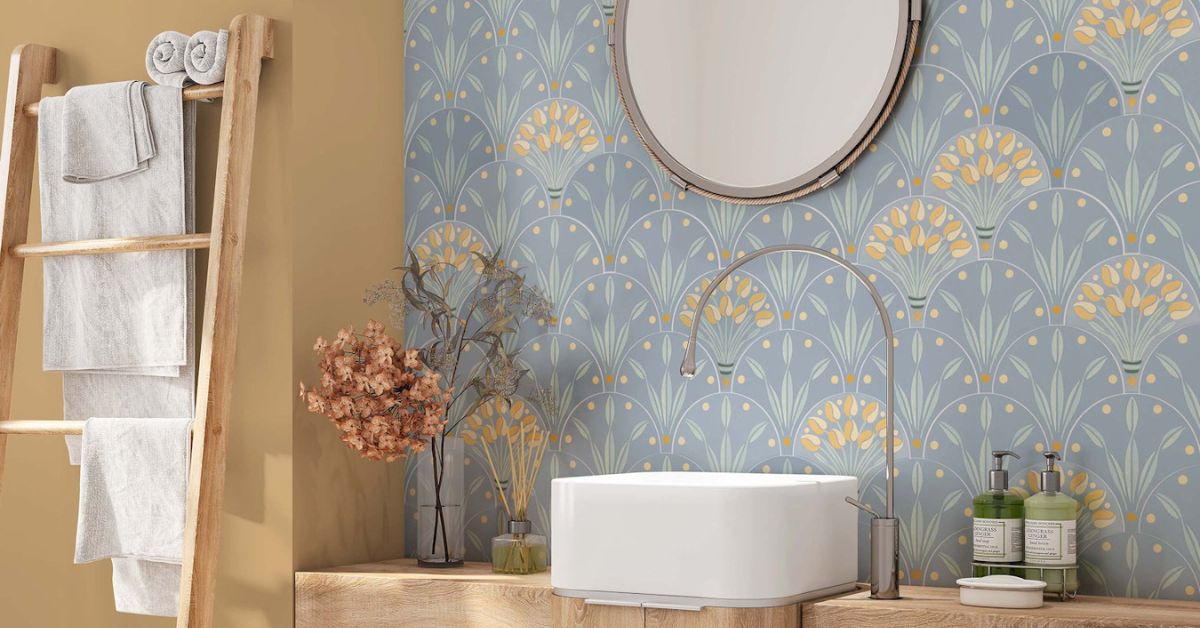
A bathroom can be so much more than a functional room in your home. Imagine stepping into a space that feels alive with personality and style, where every detail tells a story—cement tiles are the perfect way to make that happen. These tiles burst with character, offering endless opportunities to mix vibrant colors, bold patterns, and handcrafted charm into your design.
Bold patterns, rich colors, and an unmistakable artistic flair make encaustic concrete tiles showstoppers in modern homes. They can transform a plain kitchen backsplash into a striking focal point or turn a bathroom floor into a small masterpiece of color and texture. But what makes these tiles so appealing beyond their good looks? And how do they hold up to the demands of everyday life?
When considering encaustic concrete tiles, it’s natural to wonder about their durability, maintenance, and practicality in real-world settings. Do they truly stand the test of time, or do those stunning patterns come with strings attached? Luckily, these tiles are as much about substance as they are about style, offering unique benefits that cater to both aesthetics and utility.
Let’s explore what you can expect when incorporating encaustic concrete tiles into your home. If you’re drawn to designs that marry tradition with a modern twist, these tiles might just be everything you’re looking for.
A Standout Design Element
The bold patterns and vibrant colors of encaustic tiles immediately command attention, transforming any room into an eye-catching design masterpiece. Kitchens feel more dynamic with a stunning backsplash, while a bathroom adorned with these tiles can feel like a boutique retreat.
What makes these tiles so special is the combination of heritage craftsmanship and contemporary design trends, which allows them to stand out in both classic and modern spaces. Unlike typical tiles, their patterns are deeply embedded rather than just painted on, meaning their intricate designs maintain their charm over time without fading.
Endless Style Options
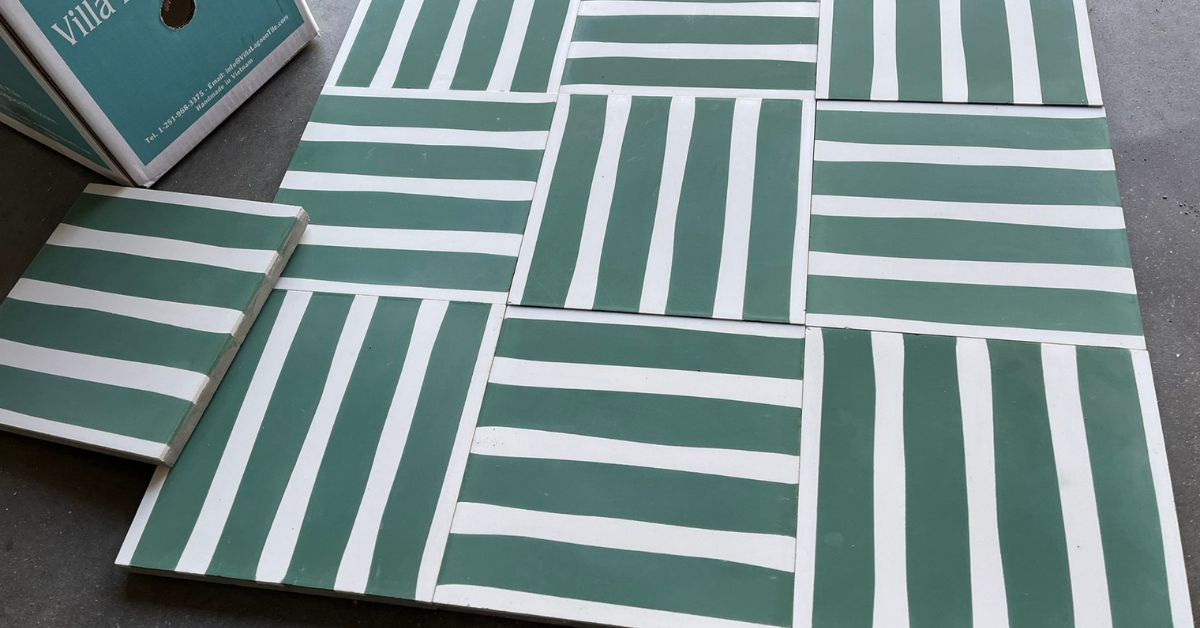
Builders and designers love encaustic cement tiles for their limitless combinations of patterns, colors, and themes. Geometric designs add a fresh, modern touch, while floral-inspired patterns can bring an artisanal, vintage vibe. Thanks to their versatility, they fit seamlessly into different aesthetics, whether you’re aiming for a minimalist Scandinavian kitchen or an eclectic Mediterranean patio.
Adding to their appeal is the ability to customize them for the specific colors or patterns you’ve been dreaming of. If you want something that speaks to your creativity and reflects your personal style, these tiles absolutely deliver.
Durability That Works for Everyday Living
Encaustic concrete tiles are built to last. They handle daily foot traffic with ease, making them perfect for hallways, entryways, and other high-traffic areas. Because their designs are embedded into the top layer of the tile, there’s no risk of wear making the patterns disappear.
This means they hold up beautifully over time, even in spaces like the kitchen where spills and splashes are part of everyday life. Like all materials, they do benefit from regular care to keep them looking their best, but the effort is minimal compared to many other surface types.
Maintenance that Doesn’t Overwhelm
Taking care of encaustic concrete tiles is surprisingly straightforward. Proper sealing after installation helps protect the surface from water and staining. Once sealed, day-to-day maintenance is easy, requiring just a quick sweep or a wipe with a damp cloth.
Specialty tile cleaners can help preserve the finish, especially in kitchens or bathrooms where grime and moisture are more common. The payoff is gorgeous tiles that stay vibrant and fresh without the need for hours of scrubbing. For those who love beauty without sacrificing too much time, encaustic tiles are a win-win.
Timeless Appeal With a Modern Edge
Despite their long history, encaustic concrete tiles feel completely at home in modern design. Their roots trace back to centuries-old European and Middle Eastern art, but today, they’re a celebrated choice in contemporary interiors. Their ability to bridge tradition and innovation makes them a standout feature for anyone wanting a home full of character yet undeniably current.
Whether mixed with sleek, minimalist materials or paired with rustic decor, they add an unexpected charm that feels timeless. This makes them an investment in style that won’t feel outdated 5, 10, or even 20 years down the line.
Versatility Across Spaces
While they are popular in kitchens and bathrooms, encaustic tiles’ versatility extends to living rooms, outdoor patios, and even staircases. Imagine greeting guests with a staircase lined with bold, geometric tiles or creating an inspiring nook in your home office with a patterned tile accent wall.
Outdoors, they stand up to the elements beautifully, making them ideal for garden paths or pool surrounds. They even work as small details, like coasters, tabletops, or decorative inserts in other flooring. There’s truly no limit to their potential!
A Green Choice for Eco-Conscious Homes
For homeowners prioritizing sustainable choices, encaustic concrete tiles often tick the right boxes. Made using natural materials like cement, sand, and natural pigments, they come with a smaller ecological footprint than many synthetic tile options. Their long-lasting durability means fewer replacements over time, further reducing waste.
By choosing handmade or locally crafted versions, you may also have the opportunity to support artisans and reduce the environmental impact of shipping. If creating an eco-friendly home aligns with your values, these tiles are a stylish and sustainable solution.
A Cooling Effect During Hot Months
One unexpected benefit of encaustic concrete tiles is how naturally cool they feel underfoot. During warmer months, they help maintain a cooler environment, making them perfect for homes in hot climates.
Walking barefoot on them is comfortable and refreshing, especially in areas like the kitchen that heat up with cooking or any room flooded with sunlight. If keeping your home cool while reducing the reliance on air conditioning is a priority, encaustic tiles can make a noticeable difference in temperature while adding aesthetic appeal.
An Opportunity for Personalized Creativity
No two projects with these concrete tiles need to look the same. Encaustic tiles offer you the opportunity to truly transform your space into something personal and unique. Collaborating with artisans allows for designs tailored exactly to your vision.
Even pre-designed options can be arranged in creative ways, like mixing patterns or alternating solid and printed tiles for a look that’s entirely yours. Whether you’re after subtle and understated or bold and vibrant, encaustic tiles can reflect your personality through every detail.
Wrapping It Up
What can you expect from encaustic concrete tiles in your home? They’re an opportunity to tell a story, create a mood, and infuse personality into your space. Every piece has its own character, blending artistry with practicality in a way that’s hard to find in other materials. They invite you to think beyond the ordinary, to look at your floors, walls, and outdoor areas as blank canvases waiting for your creative touch.
Perhaps the most exciting part of working with these tiles is the sense of individuality they bring. No two spaces need to look alike, and the endless combinations of patterns, colors, and applications mean your home can truly reflect your taste and values. They feel like a conversation piece, a nod to craftsmanship, and a bold design choice all rolled into one.