Are you ready to choose new tiles for your space? Whether you’re reimagining a kitchen backsplash, refreshing a bathroom, or creating a statement floor, the type of tile you pick will do a lot of the talking when it comes to your design. And while mass-produced tiles might seem like an obvious choice, have you taken a closer look at cement tiles?
Cement tiles and mass-produced alternatives are different in the way they look, how they’re made, their durability, and what they bring to your space overall. Understanding these differences is the key to finding a tile that works with your lifestyle, budget, and the space you’re trying to create.
This blog is here to break it all down for you, from the handmade artistry of cement tiles to the quick convenience of their factory-made counterparts. By the end, you’ll feel confident about which option checks all your boxes and brings your vision to life.
Material Composition
Cement tiles, as the name suggests, use a blend of cement, sand, and mineral pigments. This composition gives them a dense, stone-like quality that feels both timeless and substantial underfoot. Mass-produced tiles, on the other hand, are often made from ceramic or porcelain that’s factory-molded and glazed.
While those materials can be durable, they don’t deliver the same earthy, handcrafted texture. Cement’s composition allows for unique color layering and a matte finish, while ceramics typically offer a shiny, uniform surface.
Manufacturing Process
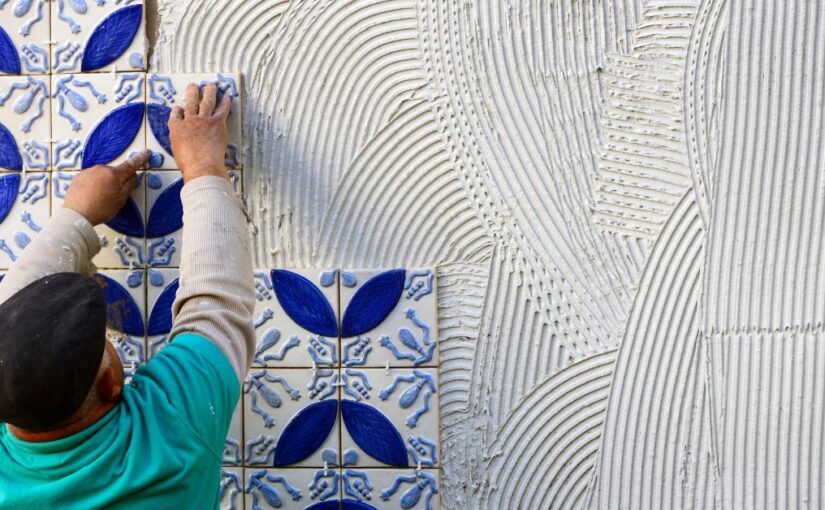
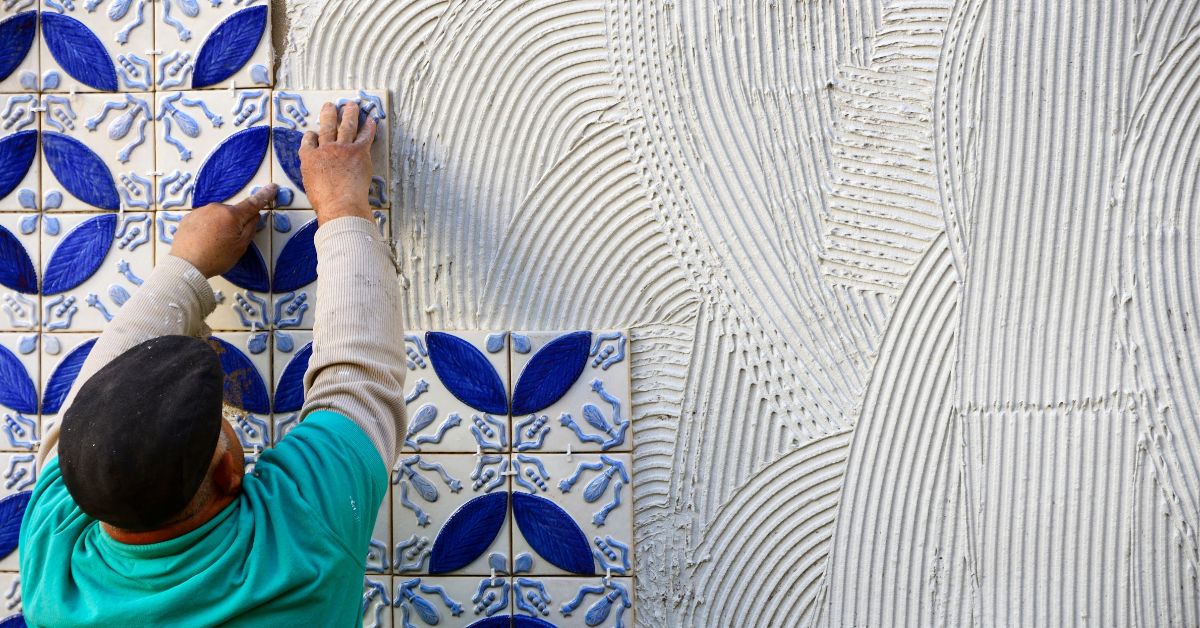
Cement tiles are handmade, often by artisans who individually press each tile using hydraulic pressure. This process doesn’t fire the tiles in a kiln, meaning they maintain their natural pigmentations and textures. The handmade aspect also adds slight variations that make each tile one of a kind.
Mass-produced tiles, however, come from a fully mechanized process. Factories churn these out in large batches, often using mold pressing and high-temperature kiln firing to streamline production. The result is a very consistent product, but one that lacks the charm of small-batch craftsmanship. If you value artistry and individuality, sourcing your tiles from a cement tile company may appeal to you.
Design and Color Options
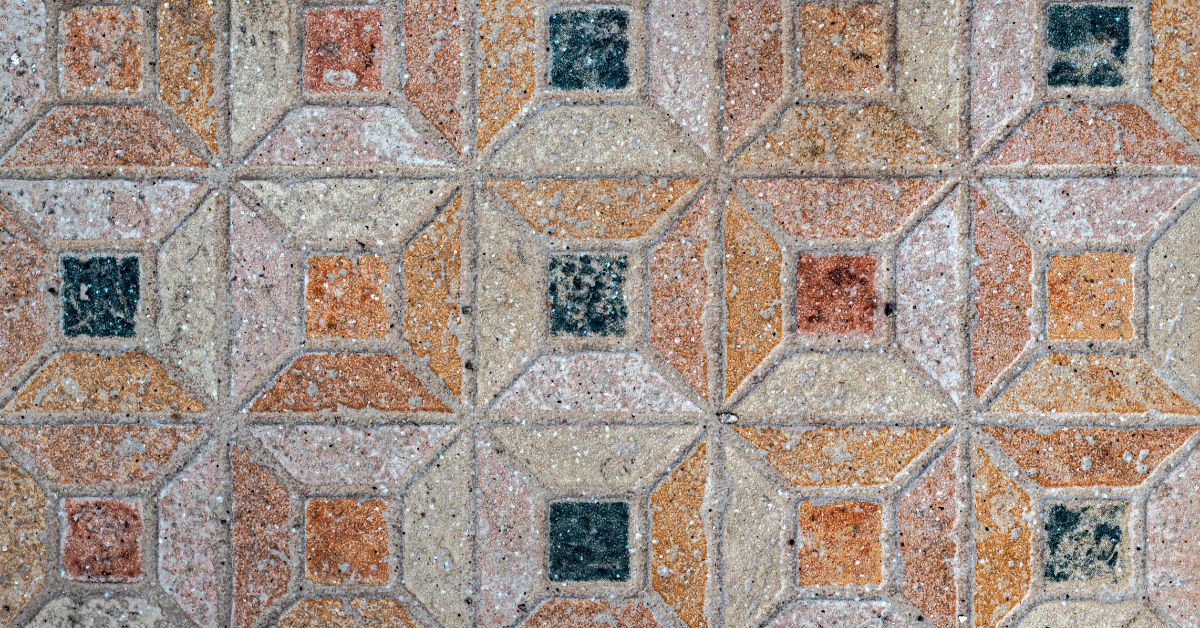
The process of making cement tiles allows for vibrant, layered colors that won’t fade because the pigment runs through the surface rather than being printed or glazed on top. This means intricate, colorful patterns are not only durable but also truly eye-catching.
Mass-produced tiles, however, rely on print technology or surface glazing for their designs. While these methods offer a crisp, polished look, they often feel less dynamic and can fade or chip over time.
Cement tiles also lend themselves to bolder, more artistic shapes and layouts, while factory tiles tend to stick to standard formats. If creative expression and bold patterns are high on your wish list, cement tiles might have the edge for bringing your ideas to life.
Durability and Longevity
When investing in tiles, durability matters. Cement tiles shine in this area thanks to their dense nature and the way color pigments run deep into the material. They can stand up to heavy traffic and outdoor weather conditions, especially when sealed properly. Over time, they may age gracefully, developing a softened patina that adds to their appeal.
Mass-produced tiles have a different kind of durability. Porcelain tiles, for example, resist moisture and scratches well, making them a good fit for areas with water exposure. However, because the designs are applied to the surface, chips or cracks might reveal the underlying material, breaking the illusion of a flawless tile.
Cost and Value
Cement tiles are generally more expensive per square foot, and this higher price reflects the labor-intensive, artisan-driven manufacturing process. Mass-produced tiles, because they’re made in bulk, tend to be a more budget-friendly option.
However, value goes beyond initial cost. Cement tiles often last decades when cared for properly, offering a longevity that can justify the investment. Mass-produced tiles might come with a smaller price tag, but they may need replacement sooner, especially in high-traffic areas. For those who see tiles as a feature piece to elevate a room’s design, the higher cost of cement tiles might feel worth it.
Installation Process
Installing cement tiles requires a higher level of precision and expertise compared to mass-produced ones. Cement tiles are thicker and heavier, and their porous quality means they must be sealed and handled carefully to avoid stains during installation.
Additionally, patterns in cement tiles often need to be perfectly aligned, which might require extra labor and skill. If you’re working with an experienced installer or plan to hire one, this shouldn’t be a problem, but it’s something to keep in mind.
Mass-produced tiles are usually thinner and easier to work with, designed for quick and less intricate installation. They can be cut and fitted without much fuss, making them a good choice for DIY projects or those with a tight timeline. Still, if you’re willing to put in the time for cement tiles, the results often feel more deliberate and unique.
Environmental Impact
Since they aren’t fired in kilns, cement tiles avoid the high energy consumption and carbon emissions associated with mass-produced ceramics or porcelains. Additionally, many cement tile companies incorporate natural pigments and locally sourced materials, further reducing their environmental footprint.
Conversely, mass-produced tiles rely on emission-heavy manufacturing processes designed to maximize speed and output. While some manufacturers are starting to explore greener practices, they still lag behind in this regard.
Aesthetics and Overall Feel
The final difference might be the most personal of all. Cement tiles bring an earthy, handcrafted vibrancy to any space. Their matte finish, deep colors, and unique textures create warmth and character that feel truly one of a kind.
While sleek and polished, mass-produced tiles often come across as colder or more uniform. They’re great for achieving a clean, modern look but might lack the artisanal charm of cement tiles. This isn’t to say factory-made tiles can’t dazzle; they’re just more predictable in their appearance.
Do you want something bold, timeless, and full of soul? Or do you value streamlined simplicity with a predictable finish? Your answer will guide you clearly toward the tiles that fit your vision.
Final Thoughts…
Your decision between cement tiles and mass-produced alternatives is all about finding the right fit for your space, your style, and how you want to live. Tiles are part of the story your home tells about who you are. While the differences between cement and factory-made tiles can be striking, the choice ultimately connects to what you value most.
If you’ve come this far, you know there’s no wrong answer—just the one that feels right for you. Take the time to envision your space and imagine how it should feel every time you walk into it. With that clarity, your decision will fall into place, and your design will truly shine.