Shower Power: Design That Soaks In!

We all love a beautiful bathroom, but the shower should be the showstopper, the true heart of the space! We wanted to share some shower inspiration, featuring a range of our handcrafted tile styles that bring timeless beauty to any shower.

Colorful

Who says showers have to be boring? These vibrant tiles bring the fun! They will add a pop of personality and give you a cheerful boost to start your mornings right!

Left : Waterfall Zellige by Kit Williamson & John Halbach
Right: Poppy Zellige by Michelle Vining & Royal Empire Design

Neutral

Our neutral colorways bring a calming, spa-like vibe and can go with just about anything! Mix and match to create stripes, checkerboard patterns, or something you create your own!

Left: Obsidian & Snow White Zellige by Addison’s Wonderland
Right: Glazed Iceberg Zellige by PMQ for Two

Patterned

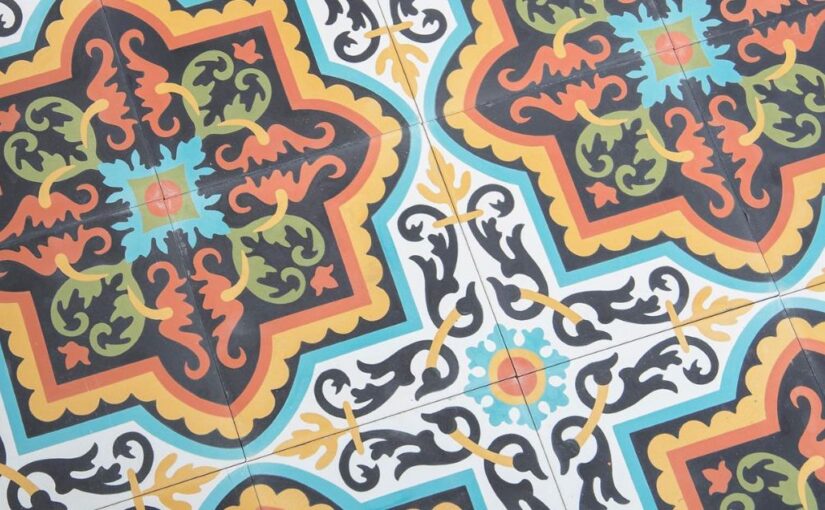
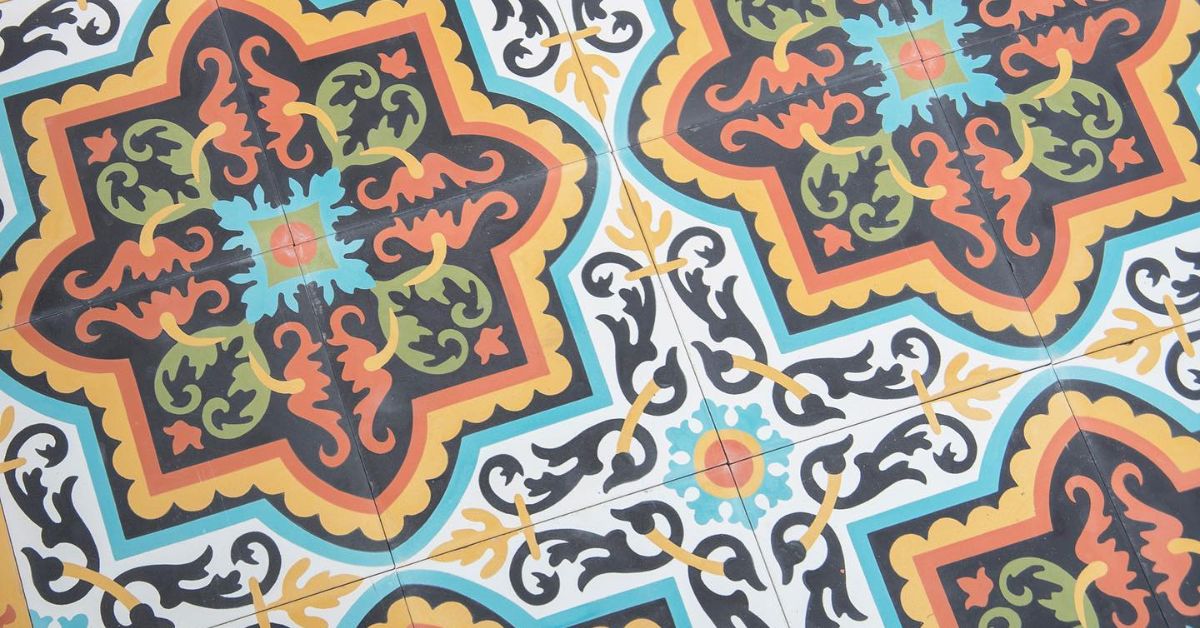
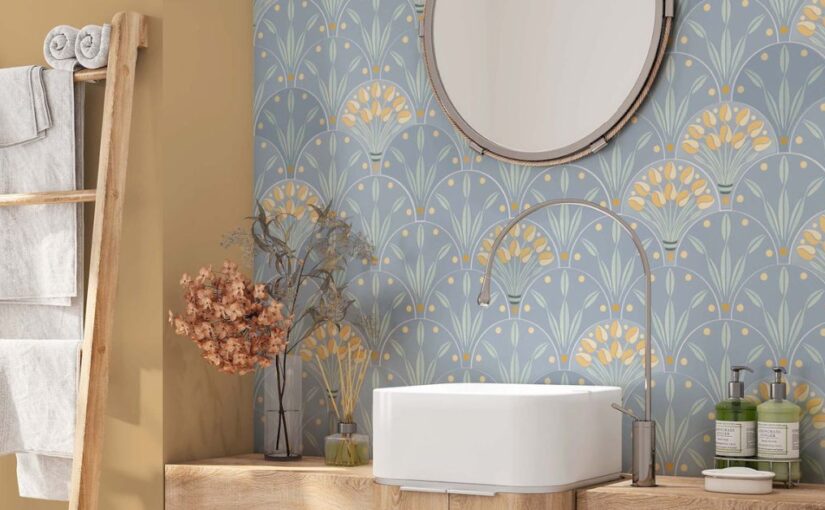
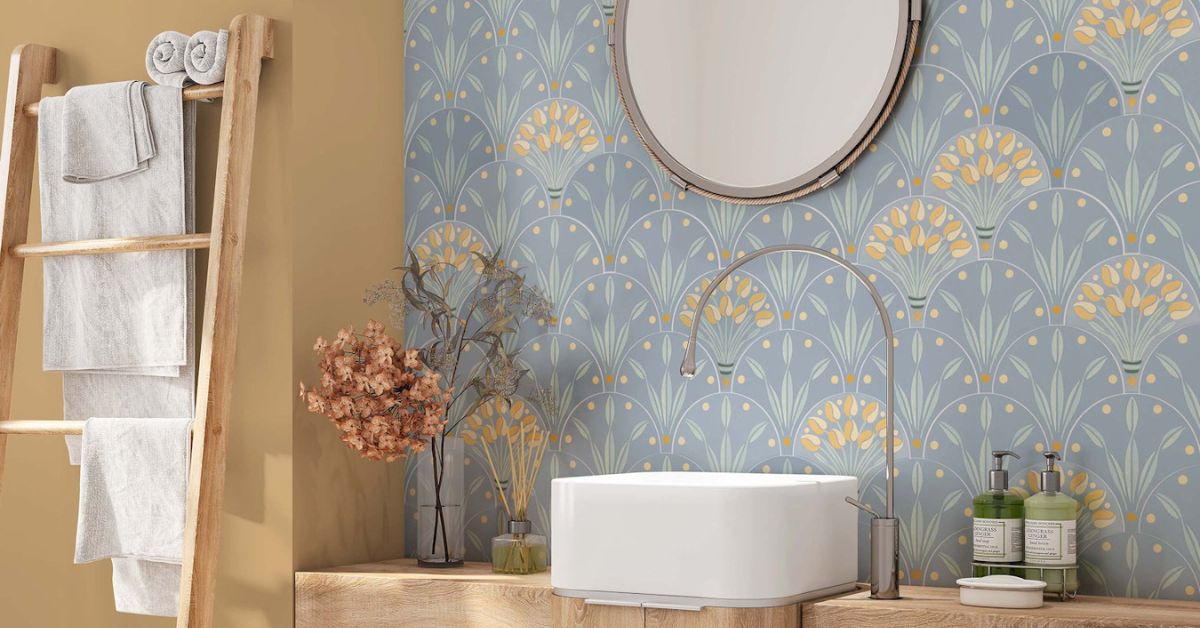
Now here’s one of our most playful options – our patterned cement tiles! These eye-catching designs are perfect for adding a bold, unique touch to any space!

Left: Tangier Primero Cement Tile
Right: San Antonio Nassau Cement Tile by Trish Becker Design

The Evolution of Breeze Blocks in Modern Architectural Design

The Evolution of Breeze Blocks in Modern Architectural Design

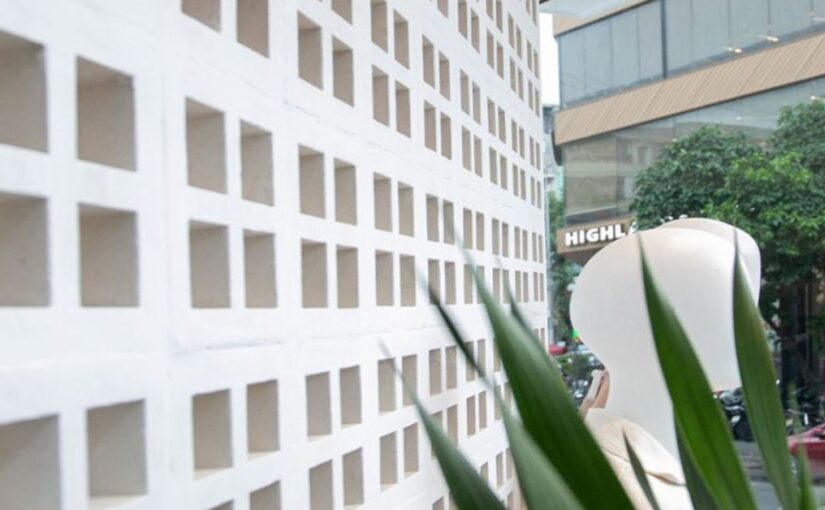
Breeze blocks have a way of grabbing your attention—not just for their retro charm but for the blend of beauty and practicality they bring to modern spaces. Picture a sunlit courtyard where patterned walls of concrete blocks cast playful shadows or a sleek mid-century home where these geometric designs add character to an otherwise minimalist façade.

Originally rising to fame during the mid-20th century, breeze blocks became synonymous with the bold, functional style of post-war architecture. Yet they were far from a fleeting trend! They proved themselves to be highly versatile, durable, and capable of turning blank walls into creative masterpieces. Fast forward to today, and these blocks are experiencing a resurgence like never before, finding their place in some of the most inspired architectural designs of the modern era.

Let’s explore how breeze blocks have evolved over time. We’ll dig into their origins, look at their modern revival, and spotlight some remarkable ways designers are making them a centerpiece of contemporary architecture. Get ready to discover how these seemingly simple blocks have cemented their place as icons of both style and sustainability. Sometimes, the most meaningful designs are built block by block.

Historical Overview of Breeze Blocks

Breeze blocks first emerged in the early 20th century as an innovative solution to practical architectural needs. Their unique design, with distinctive geometric perforations, was tailored to address challenges like ventilation and natural cooling in buildings. Architects discovered that these lightweight concrete blocks could allow air to flow freely while also shading interiors from the harsh sun.

Originally considered functional workhorses, breeze blocks were adopted into architectural designs in countries like Brazil and parts of Southeast Asia. They proved to be ideal for environments where cooling costs were high, offering sustainable options that eliminated the need for heavy mechanical ventilation. Although they were initially utilitarian, their sculptural forms began to turn heads, laying the foundation for their aesthetic appeal.

Mid-Century Popularity

The mid-20th century marked a golden era for breeze blocks, as modernist architects embraced the perfect union of simplicity and style they offered. By the 1950s and 1960s, these blocks became iconic elements of mid-century architecture, particularly in the warm, sunny locales of California and the desert oases of Palm Springs.

Their popularity surged because they didn’t just serve a purpose; they created a look. Designers used them to construct dramatic facades that cast intricate shadows, adding a sense of rhythm and depth to bare walls. Breeze blocks helped shape the sleek, minimalist aesthetic favored by mid-century modern design. Iconic mid-century Palm Springs homes remain glowing examples of how these blocks seamlessly harmonize function and form.

The Evolution of Breeze Blocks in Modern Architectural Design

Resurgence in Modern Architecture: Why Are They Coming Back?

Breeze blocks are making an undeniable comeback, and it’s no coincidence. Retro design has become a sought-after aesthetic, with more people gravitating toward the mid-century modern style that prioritizes clean lines and functional elegance. Beyond their nostalgic appeal, these blocks are gaining attention for their environmentally friendly characteristics.

Sustainability is driving modern architecture, and breeze blocks fit right into that narrative. Their open structure allows for passive cooling by promoting airflow through a building, which reduces reliance on energy-guzzling air conditioning systems. Additionally, their ability to provide shade by filtering sunlight aligns perfectly with energy-efficient design principles.

Enhanced Materials and Techniques

Over the decades, advancements in material science have elevated breeze blocks beyond their humble beginnings. Modern manufacturing techniques have led to stronger, lighter, and more versatile blocks that can be customized for various climates and applications.

Today’s cement breeze blocks often feature refined concrete compositions, and some even incorporate recycled materials to enhance their green credentials further. Thanks to these innovations, they are no longer limited to traditional square or rectangular shapes. Architects and designers can now experiment with custom designs and modular configurations, expanding the potential of these blocks in imaginative ways.

Key Design Trends With Breeze Blocks

Decorative and Functional Hybrid

Breeze blocks bridge the gap between beauty and utility. They create striking patterns on walls, filtering light in ways that add a dreamy, textured aesthetic. When sunlight streams through them, it creates dynamic shadow play and gives spaces a sense of movement and intrigue.

These blocks are not just about looks, though. They provide practical benefits like privacy without completely closing off spaces. This balance between function and form has made them ubiquitous in modern projects that aim to make every design element multitask.

Use in Indoor and Outdoor Spaces

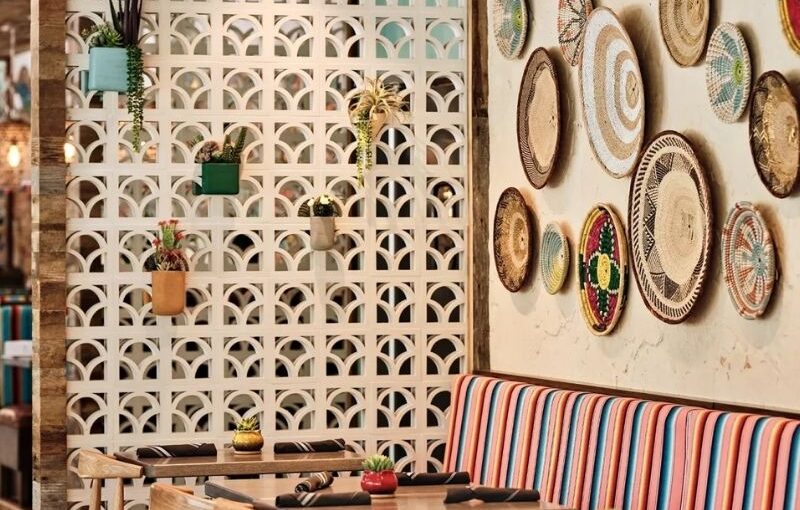
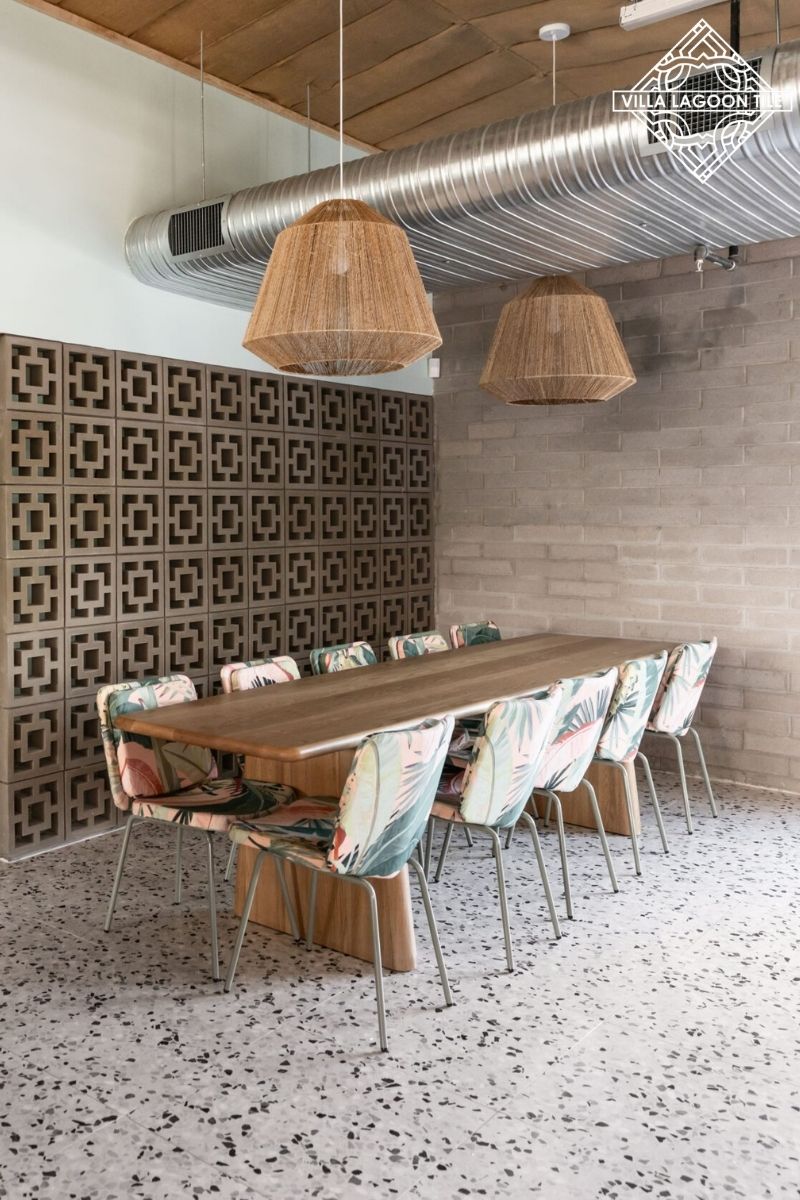
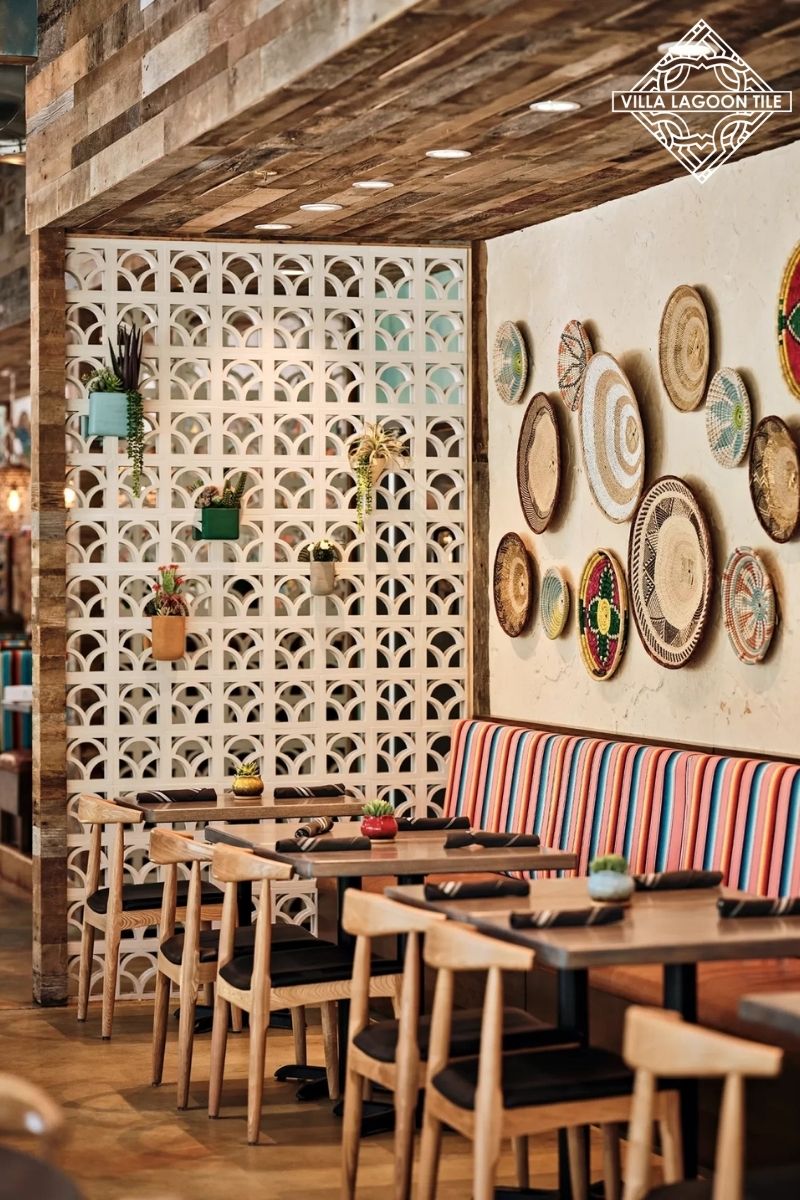
Breeze blocks have become a fixture in both indoor and outdoor design. Inside buildings and homes, they’re used as room dividers that allow light to flow while creating distinct spaces. This versatility makes them a go-to for both homes and commercial spaces seeking flexibility in layouts. When used outdoors, they transform as garden fences or courtyard walls, adding privacy without sacrificing connection to nature.

Their lightweight, modular nature makes them ideal for creating standout spaces that feel airy and open. Whether lining a sleek poolside patio or defining cozy seating areas, they deliver both aesthetic allure and practicality to outdoor living areas.

Integration of Technology

Technology has further amplified the design possibilities of these blocks. Some contemporary projects have incorporated innovative lighting systems that interact with the perforations in breeze blocks, illuminating spaces with delicate, tailored lighting.

The Evolution of Breeze Blocks in Modern Architectural Design

Notable Examples of Breeze Block Applications

Residential Projects

Many homeowners have embraced breeze blocks as a way to elevate their living spaces. Coastal homes, for instance, often use them on facades or as exterior walls to balance natural light, refreshing breezes, and privacy. Indoor applications like kitchen partitions or living room dividers add texture and visual interest without making spaces feel closed off.

Commercial Spaces

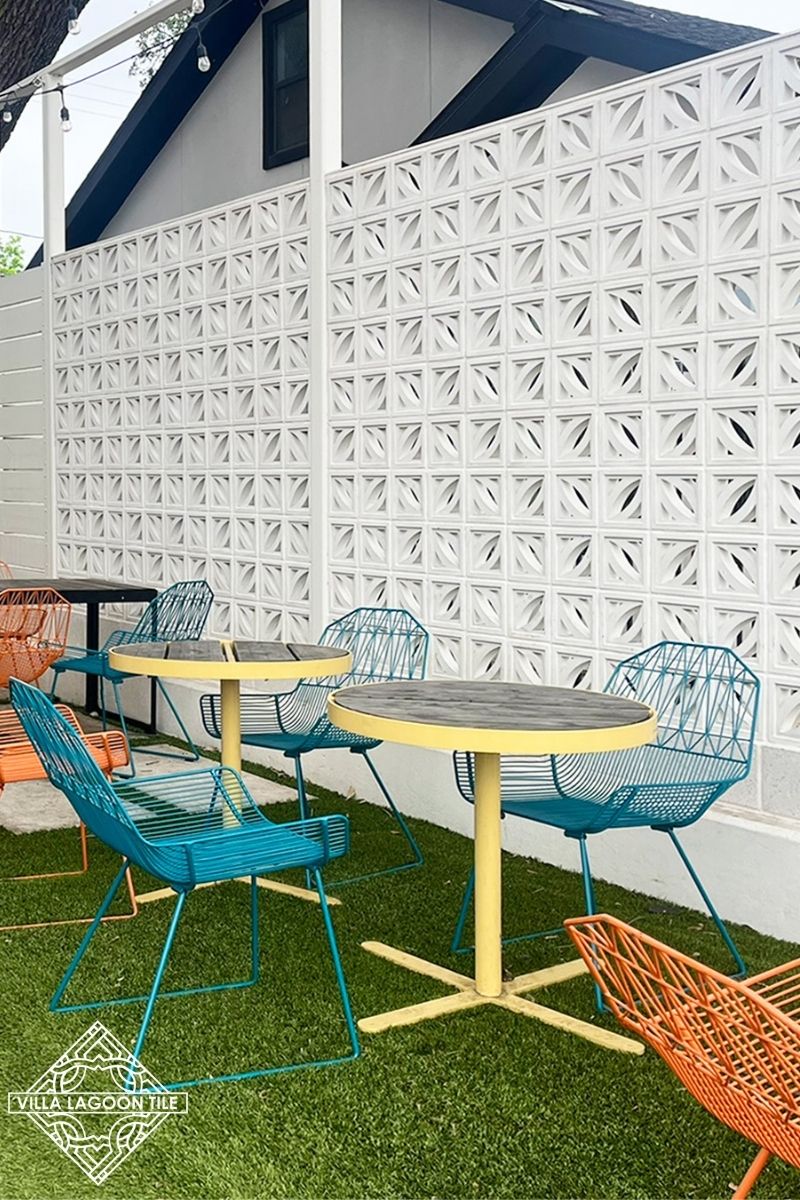
Retail stores, cafés, and office spaces have revived the use of breeze blocks as a creative way to stand out. A breeze block storefront can instantly give off a modern yet inviting vibe, blending sophistication with nostalgia. Cafés often employ them for enclosed patios that feel airy and accessible.

Public and Community Buildings

Breeze blocks have found important roles in public and community buildings, too. Schools use them as ventilation-friendly facades to create comfortable learning environments. Libraries and civic pavilions rely on their durability and aesthetic appeal to construct inviting communal spaces. Even shaded walkways and outdoor gathering areas made with breeze blocks have become prized elements in urban design, where utility and design must coexist seamlessly.

Wrapping It Up

Ultimately, the evolution of breeze blocks reminds us of the magic that happens when timeless architectural design meets modern innovation. They’re a testament to the idea that beauty doesn’t always have to be extravagant or complicated; sometimes, the simplest materials can transform a space and inspire creativity. Breeze blocks continue to capture the imagination of architects, designers, and homeowners around the world.

If you’re dreaming of a design feature that blends artistry with practicality, perhaps it’s time to think about how these versatile blocks could shape your next project. Who knows? One carefully placed breeze block might just spark an architectural masterpiece. What would you create?

Using Zellige Tiles To Enhance Commercial Interiors

Using Zellige Tiles To Enhance Commercial Interiors

Step into any space adorned with Zellige tiles, and you’re immediately drawn to their distinctive charm. These handcrafted, glazed clay tiles have a way of transforming ordinary interiors into extraordinary ones. Their vibrant colors, irregular shapes, and glossy finish create a dynamic visual experience that feels timeless and fresh.

Often, designing commercial spaces comes with the challenge of blending functionality with an aesthetic that captures attention. Zellige tiles bridge that gap beautifully. They bring a sense of warmth and sophistication, making them a favorite in restaurants, hotels, retail spaces, and offices. By incorporating these tiles into your commercial space, you’re not just decorating the walls or floors; you’re creating an experience for anyone who steps through the door.

This handy guide explores using Zellige tiles to enhance commercial interiors, their unique qualities, and how you can use these tiles to achieve a stunning space. If you’re searching for fresh ideas to make your interiors unforgettable, you’re in the right place.

Create a Show-Stopping Reception Desk

A reception desk serves as the first point of contact for visitors, clients, or customers. You can infuse personality into what could otherwise be a functional but dull space by covering the front and sides of the desk with Zellige tiles. Their naturally varied glazes reflect light beautifully, making the desk stand out without overwhelming the surroundings.

Choose muted tones for a sophisticated atmosphere, or brighter tiles for a playful, welcoming vibe. Mixing colors and patterns adds depth and intrigue, encouraging people to linger and take in the artwork. This application is perfect for businesses that want their branding to feel warm, creative, and approachable.

Upgrade Restroom Aesthetics

Many overlook restrooms when planning a commercial space; however, they are a fantastic opportunity to showcase Zellige tiles. Tiling the walls or even the sinks with these handcrafted beauties can transform an ordinary restroom into a luxurious retreat. Their glossy finish and range of colors enable you to balance functionality with style.

Soft neutral tones create a sense of calm, while bold hues, such as emerald or cobalt, make a statement. Zellige tiles also perform well in high-moisture environments, which means they hold up over time. Adding complementary hardware and cozy lighting will leave a lasting impression on anyone who visits.

Using Zellige Tiles To Enhance Commercial Interiors

Add Depth to Accent Walls

Accent walls are an excellent way to give commercial interiors a focal point, and Zellige tiles elevate this idea to another level. Their handcrafted look and slightly irregular surfaces create a tactile, dimensional quality that paint or wallpaper can’t achieve. Arrange the tiles in a classic grid or experiment with herringbone or diagonal layouts for a modern spin.

The reflective surface of genuine Zellige tile catches the light differently throughout the day, keeping the design dynamic and fresh. A tiled accent wall in a restaurant or café can double as a statement piece and social media magnet, encouraging visitors to snap pictures and share them online. Offices or retail spaces can also benefit, as a thoughtfully designed wall breaks up monotony and makes the environment more inspiring for clients and staff.

Design an Inviting Café Counter

Cafés and coffee shops often compete to create a lasting visual impact on their customers. A Zellige-tiled counter is an instant attention-grabber that merges charm with usability. Zellige’s imperfect, handmade quality adds a human touch, aligning well with spaces that emphasize artisanal or craft-focused brands.

A soft gray or white palette complements neutral, rustic interiors, while jewel tones, such as teal or burnt orange pair beautifully with eclectic or modern aesthetics. A café counter decked in Zellige turns a functional feature into a design highlight, whether angled behind glass for display or used front and center for guests to interact with.

Enhance Meeting Spaces

Meeting rooms are no longer bland spaces with bare walls and generic furniture. Incorporating Zellige tiles as part of a feature wall or table surface gives the room a polished and creative vibe. Imagine a tiled backdrop that becomes a conversation starter during presentations or client meetings!

Opt for a subtle monochromatic palette for corporate settings, or experiment with patterns and bold shades to energize creative industries. Adding thoughtful details, such as complementary artwork or lighting, truly ties the design together, making the space functional and inspiring.

Refresh Staircase Risers

Staircases often go unnoticed as design features, but they present a unique opportunity to use Zellige tiles creatively. Covering the risers with these beautifully textured tiles transforms a simple staircase into a work of art. Each step becomes a visual delight that invites people to slow down and admire the craftsmanship.

A grayscale color scheme feels sleek and modern, while alternating colors or intricate patterns showcases playful energy. This application works particularly well in boutique spaces, galleries, or hotels where every corner of the design contributes to the overall atmosphere.

Using Zellige Tiles To Enhance Commercial Interiors

Beautify Outdoor Commercial Spaces

For businesses with outdoor areas, Zellige tiles bring elegance and a touch of the Mediterranean to patios, walkways, or entryways. Their shiny finish contrasts beautifully with natural elements, such as greenery or water features. Use Zellige to tile table tops, benches, or even low walls to create cohesive outdoor seating that’s as attractive as it is durable.

Bright blues, greens, or whites work wonderfully in sunny climates, reflecting light and creating an inviting area for guests. Zellige’s resilience to weathering makes it ideal for such applications, turning outdoor spaces into stylish extensions of your interior branding.

Highlight Retail Displays

Retail environments benefit tremendously when they pair merchandise with beautiful, intentional design elements. Using Zellige tiles as a base for display shelves, backdrops, or platforms instantly elevates the visual appeal of any product. Their reflective surface catches the eye, drawing attention to items without overpowering them.

Colorful or patterned tiles can highlight specific collections or seasonal displays. This approach enhances the shopping experience and communicates a sense of quality and thoughtfulness to customers. It shows you’ve invested in creating a space that values aesthetics and function, aligning with the expectations of modern consumers.

Final Thoughts

Using Zellige tiles to enhance commercial interiors allows designers the opportunity to bring personality, craftsmanship, and a sense of tradition to commercial spaces. Their versatility means endless ways to experiment with textures, patterns, and colors, helping you create environments that leave lasting impressions.

Want to take your interior design further? Try blending Zellige tiles with other materials, such as wood, metal, or concrete, for a truly dynamic look. The interplay of textures can amplify the character of any space and set you apart from the ordinary.

Common Mistakes To Avoid When Installing Cement Tiles

Common Mistakes To Avoid When Installing Cement Tiles

Cement tiles can elevate the style of any space with their timeless charm and bold patterns. They’re a fantastic choice for anyone looking to add character and personality to a room. However, getting the installation process right is just as important as picking the perfect design. Rushing into the project without proper preparation or knowledge can lead to frustrating, costly mistakes.

Continue reading Common Mistakes To Avoid When Installing Cement Tiles

Why Handmade Cement Tiles Add Authenticity to Interior Design

Why Handmade Cement Tiles Add Authenticity to Interior Design

Crafting a space that truly feels like home often comes down to the details. The textures you choose, the materials underfoot, and the visual rhythm of a room all play a role in telling a story. Handmade cement tiles represent a true connection to skilled craftsmanship, rich heritage, and genuine character. Each tile carries the imprint of the artisan who shaped it, offering a unique blend of so-called “imperfections” and beauty that simply can’t be replicated by mass-produced options.

Continue reading Why Handmade Cement Tiles Add Authenticity to Interior Design

Everything You Need To Know About Zellige Tile Maintenance

A wall space is meticulously tiled with white and teal square tiles in a checkerboard pattern. It is lightly dirty.

Step into any space adorned with Zellige tiles, and it’s easy to see why these handcrafted gems are so lovely. The glossy surface, rich textures, and natural imperfections create an elegant and authentic look. Whether you are drawn to the Moroccan roots or the tiles’ ability to turn a space into a work of art, it’s clear that Zellige tiles are anything but ordinary.

Continue reading Everything You Need To Know About Zellige Tile Maintenance

Cement Tiles vs. Mass-Produced Alternatives: Key Differences

Cement Tiles vs. Mass-Produced Alternatives: Key Differences

Are you ready to choose new tiles for your space? Whether you’re reimagining a kitchen backsplash, refreshing a bathroom, or creating a statement floor, the type of tile you pick will do a lot of the talking when it comes to your design. And while mass-produced tiles might seem like an obvious choice, have you taken a closer look at cement tiles?

Cement tiles and mass-produced alternatives are different in the way they look, how they’re made, their durability, and what they bring to your space overall. Understanding these differences is the key to finding a tile that works with your lifestyle, budget, and the space you’re trying to create.

This blog is here to break it all down for you, from the handmade artistry of cement tiles to the quick convenience of their factory-made counterparts. By the end, you’ll feel confident about which option checks all your boxes and brings your vision to life.

Material Composition

Cement tiles, as the name suggests, use a blend of cement, sand, and mineral pigments. This composition gives them a dense, stone-like quality that feels both timeless and substantial underfoot. Mass-produced tiles, on the other hand, are often made from ceramic or porcelain that’s factory-molded and glazed.

While those materials can be durable, they don’t deliver the same earthy, handcrafted texture. Cement’s composition allows for unique color layering and a matte finish, while ceramics typically offer a shiny, uniform surface.

Cement Tiles vs. Mass-Produced Alternatives: Key Differences

Manufacturing Process

Cement tiles are handmade, often by artisans who individually press each tile using hydraulic pressure. This process doesn’t fire the tiles in a kiln, meaning they maintain their natural pigmentations and textures. The handmade aspect also adds slight variations that make each tile one of a kind.

Mass-produced tiles, however, come from a fully mechanized process. Factories churn these out in large batches, often using mold pressing and high-temperature kiln firing to streamline production. The result is a very consistent product, but one that lacks the charm of small-batch craftsmanship. If you value artistry and individuality, sourcing your tiles from a cement tile company may appeal to you.

Design and Color Options

The process of making cement tiles allows for vibrant, layered colors that won’t fade because the pigment runs through the surface rather than being printed or glazed on top. This means intricate, colorful patterns are not only durable but also truly eye-catching.

Mass-produced tiles, however, rely on print technology or surface glazing for their designs. While these methods offer a crisp, polished look, they often feel less dynamic and can fade or chip over time.

Cement tiles also lend themselves to bolder, more artistic shapes and layouts, while factory tiles tend to stick to standard formats. If creative expression and bold patterns are high on your wish list, cement tiles might have the edge for bringing your ideas to life.

Durability and Longevity

When investing in tiles, durability matters. Cement tiles shine in this area thanks to their dense nature and the way color pigments run deep into the material. They can stand up to heavy traffic and outdoor weather conditions, especially when sealed properly. Over time, they may age gracefully, developing a softened patina that adds to their appeal.

Mass-produced tiles have a different kind of durability. Porcelain tiles, for example, resist moisture and scratches well, making them a good fit for areas with water exposure. However, because the designs are applied to the surface, chips or cracks might reveal the underlying material, breaking the illusion of a flawless tile.

Cost and Value

Cement tiles are generally more expensive per square foot, and this higher price reflects the labor-intensive, artisan-driven manufacturing process. Mass-produced tiles, because they’re made in bulk, tend to be a more budget-friendly option.

However, value goes beyond initial cost. Cement tiles often last decades when cared for properly, offering a longevity that can justify the investment. Mass-produced tiles might come with a smaller price tag, but they may need replacement sooner, especially in high-traffic areas. For those who see tiles as a feature piece to elevate a room’s design, the higher cost of cement tiles might feel worth it.

Cement Tiles vs. Mass-Produced Alternatives: Key Differences

Installation Process

Installing cement tiles requires a higher level of precision and expertise compared to mass-produced ones. Cement tiles are thicker and heavier, and their porous quality means they must be sealed and handled carefully to avoid stains during installation.

Additionally, patterns in cement tiles often need to be perfectly aligned, which might require extra labor and skill. If you’re working with an experienced installer or plan to hire one, this shouldn’t be a problem, but it’s something to keep in mind.

Mass-produced tiles are usually thinner and easier to work with, designed for quick and less intricate installation. They can be cut and fitted without much fuss, making them a good choice for DIY projects or those with a tight timeline. Still, if you’re willing to put in the time for cement tiles, the results often feel more deliberate and unique.

Environmental Impact

Since they aren’t fired in kilns, cement tiles avoid the high energy consumption and carbon emissions associated with mass-produced ceramics or porcelains. Additionally, many cement tile companies incorporate natural pigments and locally sourced materials, further reducing their environmental footprint.

Conversely, mass-produced tiles rely on emission-heavy manufacturing processes designed to maximize speed and output. While some manufacturers are starting to explore greener practices, they still lag behind in this regard.

Aesthetics and Overall Feel

The final difference might be the most personal of all. Cement tiles bring an earthy, handcrafted vibrancy to any space. Their matte finish, deep colors, and unique textures create warmth and character that feel truly one of a kind.

While sleek and polished, mass-produced tiles often come across as colder or more uniform. They’re great for achieving a clean, modern look but might lack the artisanal charm of cement tiles. This isn’t to say factory-made tiles can’t dazzle; they’re just more predictable in their appearance.

Do you want something bold, timeless, and full of soul? Or do you value streamlined simplicity with a predictable finish? Your answer will guide you clearly toward the tiles that fit your vision.

Final Thoughts…

Your decision between cement tiles and mass-produced alternatives is all about finding the right fit for your space, your style, and how you want to live. Tiles are part of the story your home tells about who you are. While the differences between cement and factory-made tiles can be striking, the choice ultimately connects to what you value most.

If you’ve come this far, you know there’s no wrong answer—just the one that feels right for you. Take the time to envision your space and imagine how it should feel every time you walk into it. With that clarity, your decision will fall into place, and your design will truly shine.

Comparing Breeze Blocks and Traditional Masonry

Comparing Breeze Blocks and Traditional Masonry

The building materials you choose can make or break your construction projects. Whether you’re building a backyard wall, renovating a space, or planning an entirely new structure, your choice will shape everything from how the finished project looks to how it holds up over time. Two popular options you’ll often hear about are breeze blocks and traditional masonry. Both come with their own strengths, weaknesses, and standout features, which means making the right choice depends on the specifics of your design and goals.

Breeze blocks, with their lightweight feel and modern appeal, are often prized for their practicality and affordability. On the other hand, traditional masonry—crafted from bricks or stone—brings a timeless, classic charm. Each offers something distinct, and making a choice between the two requires balancing aesthetics, performance, and cost.

With that, let’s compare breeze blocks and traditional masonry. We’ll break down their key differences, highlight their best uses, and help you figure out which option will work best for your next project.

What Are Breeze Blocks and Traditional Masonry?

Breeze blocks are a popular building material made from a mix of concrete, cement, and ash. Lightweight yet sturdy, these blocks have been a go-to choice for construction projects that need efficiency without sacrificing stability.

Thanks to advancements in manufacturing, modern breeze blocks are created with improved precision and consistency. Many are also designed to incorporate recycled materials, adding an eco-friendly edge. Whether for structural support or aesthetic accents, breeze blocks fit into a wide range of applications.

Traditional masonry refers to the art and science of building with materials like bricks, stone, or similar natural substances. It’s a craft honed over centuries, with evidence of masonry seen in everything from ancient cathedrals to the homes we live in today. This method involves laying individual units, such as bricks or stones, using mortar to bind them together.

Clay bricks are some of the most common elements, prized for their classic red appearance and durability. Natural stone, such as limestone or granite, offers a more rustic, earthy look. Traditional masonry remains a popular choice for projects where aesthetics and strength go hand in hand.

Key Differences

Explore some of the notable differences between breeze blocks and traditional masonry.

Composition and Weight

Breeze blocks are manufactured from a lightweight mix, which makes them easier to transport and handle. Traditional masonry, on the other hand, relies on dense materials like solid clay bricks or heavy stones.

This contrast has a direct impact on construction. The lightweight nature of ornamental cement blocks speeds up the process, saving time and labor costs. Traditional masonry, while heavier and more cumbersome to work with, provides unmatched sturdiness and a sense of permanence.

Strength and Durability

Breeze blocks are known for their good compressive strength, making them reliable for load-bearing walls. However, they can be prone to cracking under excessive pressure or long-term wear.

On the other hand, traditional masonry is celebrated for its durability. Fired clay bricks and stone structures stand the test of time, enduring harsh weather and heavy use without faltering.

Thermal and Acoustic Properties

Breeze blocks, while lightweight, often have higher thermal conductivity, meaning they can be less effective at retaining heat. Meanwhile, traditional masonry, especially dense bricks, offers superior thermal mass. This means better regulation of indoor temperatures, which is especially useful in very cold or very warm climates.

Aesthetic Versatility

Breeze blocks have a modern, minimalist charm that fits well with contemporary designs. They’re also available in a variety of textures and shapes, making them ideal for creative decorative purposes.

On the flip side, traditional masonry is synonymous with elegance and timeless beauty. Whether it’s a rustic stone fireplace or a stately brick wall, the visual appeal of traditional masonry suits projects that value charm and authenticity.

Comparing Breeze Blocks and Traditional Masonry

Advantages of Breeze Blocks

Breeze blocks shine in many areas. Their lightweight nature and uniform design lead to easier handling and faster installation, reducing both labor needs and costs. This efficiency is particularly appreciated in large-scale projects where time and budget are critical considerations.

Another key advantage is their cost-effectiveness. Breeze blocks are typically less expensive than traditional bricks or stone, so they’re the perfect choice for projects on a tighter budget. They are also fire-resistant and pest-proof, adding to their practicality and safety.

Advantages of Traditional Masonry

The timeless beauty of materials like brick and stone adds an undeniable sense of character to any structure. Homes and buildings made from traditional masonry often age gracefully, preserving their charm for decades or even centuries.

As mentioned, the high thermal mass of bricks and stones helps regulate indoor temperatures, cutting down on energy costs in the long run. Plus, the versatility in shapes, colors, and finishes allows for custom designs that cater to unique architectural visions.

Disadvantages of Each Material

While there are many advantages to using each material, it’s important to take other factors into account.

Breeze Blocks

Despite their many merits, breeze blocks have limitations. They are not as strong under heavy loads as traditional masonry and may crack over time, especially in high-pressure applications.

Furthermore, breeze blocks often require additional treatments to improve their weather resistance. While these coatings can enhance performance, they add to the overall cost and effort of construction.

Traditional Masonry

Working with traditional masonry is not without challenges. The heavier weight of materials like brick and stone increases labor requirements. This labor-intensive process, combined with the higher price of materials, makes traditional masonry a more expensive option.

Additionally, projects using traditional masonry take longer to complete, which may not suit those with tight timelines. While the finished result is undeniably beautiful, the time and costs involved can be a drawback for some builders.

Use Cases and Practical Applications

Breeze blocks are an excellent choice for projects where cost, speed, and practicality are top priorities. Examples include garden walls, garages, and contemporary builds with a minimalist focus.

They’re also ideal for boundary fences and utility spaces that benefit from their uniformity and ease of construction. For budget-conscious or deadline-oriented projects, breeze blocks deliver on all fronts.

Traditional masonry is perfect for projects where aesthetics and long-term performance are key factors. Residential properties, heritage restorations, and high-end architectural designs often benefit from the warmth and timeless appeal of materials like brick and stone.

Comparing Breeze Blocks and Traditional Masonry

The Choice Is Yours

When it comes to building materials, comparing breeze blocks and traditional masonry allows you to make an informed decision. Maybe you’re drawn to the sleek, modern lines of breeze blocks and the way they simplify construction. Or perhaps it’s the timeless beauty and rugged strength of traditional masonry that fits your dream project.

At the end of the day, your choice reflects the style, utility, and longevity you’re aiming for. Knowing the strengths and quirks of these materials gives you the confidence to create something uniquely yours.

Designing a Mid-Century Modern Exterior With Breeze Blocks

Designing a Mid-Century Modern Exterior With Breeze Blocks

Mid-century modern design is an enduring celebration of clean lines, practical beauty, and the perfect blend of nostalgia and modernity. One element that stands out in this iconic style is the breeze block. These decorative concrete blocks offer a mix of style and function that can completely transform an outdoor space.

With their bold patterns and retro flair, breeze blocks bring character to any home without overwhelming it. They allow natural light and air to flow, making exteriors feel open and airy while still creating cozy, defined spaces. Plus, their ability to stand up to the elements means they’re not just nice to look at; they’re built to last.

Whether you’re a fan of mid-century modern design or just looking for a way to make your home stand out, incorporating breeze blocks into your exterior design is a move worth considering. Not only will they add texture and charm, but they’ll also give your space a timeless look.

Understanding Breeze Blocks and Their Mid-Century Roots

Breeze blocks are lightweight cement decorative blocksthat strike a perfect balance between style and practicality. These blocks feature intricate cut-out patterns, from geometric shapes to floral-inspired designs, making them a staple of mid-century modern architecture.

But they’re not just pretty. Breeze blocks embody one of the core principles of mid-century modern design—combining form and function in a way that feels effortless.

At their core, breeze blocks are all about structure and airiness. They bring a sense of openness to a design without compromising on privacy or durability. Their airy, retro style has found new fans among homeowners and designers who want to add character to outdoor spaces without crowding or overwhelming them.

A Nod to the Past

Breeze blocks became iconic in the 1950s and ’60s when mid-century modern architecture was redefining what a home could look like. Famous architects like Joseph Eichler used breeze blocks to add a sense of warmth and personal style to their designs. These blocks became synonymous with the era, used in everything from accent walls to patio partitions and commercial facades.

Why are they still beloved today? For one, breeze blocks are built to age gracefully. Their retro charm feels timeless, while their ability to play with light and shadows adds a dynamic touch to any space.

Designing a Mid-Century Modern Exterior With Breeze Blocks

Aesthetic and Functional Benefits of Breeze Blocks

The Aesthetics

Breeze blocks are like an instant style upgrade for any exterior. Their bold and often intricate patterns grab attention while adding a layer of texture to your outdoor design. Whether you go for classic geometric shapes or more ornate designs, breeze blocks always radiate that retro charm people love about mid-century modern spaces.

These blocks are also incredibly versatile. They pair perfectly with the iconic building elements of the mid-century modern vibe, like flat roofs, large windows, and understated color palettes. You can paint them in muted accent colors for a subtle statement or keep them in a raw concrete finish for an industrial-chic look.

Functionality

These blocks come with built-in benefits. Thanks to their open designs, they allow natural light and airflow to stream through while still providing privacy. They’re a smart choice for creating outdoor spaces that feel breezy and comfortable, even on hot summer days.

They’re also remarkably tough. Made from cement or concrete, breeze blocks can withstand the elements and keep their shape for years. Plus, using them in warm climates can help filter sunlight and reduce heat, making patios, courtyards, and outdoor seating areas more enjoyable.

Design Tips for Incorporating Breeze Blocks

Choosing the Right Style and Pattern

Pick a style that fits your overall aesthetic. Choose from a range of popular mid-century modern patterns, from solid geometric lines to curvier, floral-inspired designs. These shapes should flow well with the rest of your home’s exterior.

For a cohesive look, consider blocks in classic neutral shades like white, gray, or beige. Feeling bold? Play with earthy tones or soft pastels for a more eye-catching finish.

Scale is another consideration. Large, striking patterns work well for bigger spaces like a full facade, while smaller, more intricate blocks are perfect for accent walls or planters. Matching the aesthetic and scale of the blocks to your space helps them appear intentional and harmonious.

Considering Practical Applications

The beauty of breeze blocks is how many ways you can use them. Want to make a statement? Try a facade or accent wall to give your home a memorable look. Have an outdoor seating area? Use breeze blocks to create partitions that define the space, all while letting the breeze flow through.

Perimeter walls and fences are another popular option, as you’ll get a boundary with personality and charm. If you’re looking for smaller ways to integrate breeze blocks, consider custom-built features like planters or even benches that pull the look into your landscaping.

Creating Balance With Other Mid-Century Elements

To make breeze blocks work with the rest of your home’s exterior, focus on balance. Pair their sharp geometric cuts with the clean, horizontal lines typical of mid-century architecture. Natural materials like wood or stone can soften the look, adding a layer of warmth.

Greenery is another smart addition. Lush plants in and around breeze-block features create a harmonious balance between the rigid structure of the blocks and the organic flow of nature.

Don’t forget lighting. Breeze blocks cast stunning shadows, and a well-placed outdoor light can amplify their patterns, making a dramatic nighttime display. Lighting your breeze block features is one of the easiest ways to add dimension to your outdoor space.

Designing a Mid-Century Modern Exterior With Breeze Blocks

Now What?

Breeze blocks offer you an opportunity to create a space that’s as unique as you are. With their retro flair and modern practicality, they bring an undeniable charm to any exterior. But here’s what makes them truly magical: they’re versatile enough to reflect your personal style. Whether you lean toward the bold patterns of classic mid-century modern exteriors or prefer something subtle and understated, breeze blocks give you the freedom to make your space truly yours.

Think of breeze blocks as more than building materials; they’re a creative tool. They invite you to rethink how light moves through your space, how air flows, and how textures interact under the sun. They’re playful yet timeless, structured yet full of creative potential.

Now’s the perfect time to reimagine your outdoor space. Start small with a statement planter or go big with a striking accent wall and watch how a few simple blocks transform the mood and style of your space. Breeze blocks are more than just a nod to mid-century modern design; they turn any exterior into a stylish, functional haven that feels like home.

Common Myths About Zellige Tiles Debunked

Common Myths About Zellige Tiles Debunked

Zellige tiles are having their moment, and it’s easy to see why. Their rich history, handmade charm, and gleaming finishes make them a favorite among designers and DIY enthusiasts alike. With all that attention comes a fair share of misconceptions. You’ve probably heard that Zellige tiles are too delicate, expensive, or tricky to maintain. Maybe you’ve wondered if they’re limited to specific styles or colors. The truth is, Zellige tiles offer so much more than people give them credit for.

If you’re curious about what’s fact and what’s pure fiction, you’re in the right place. This guide debunks common myths about Zellige tiles to set the record straight. By the end, you’ll know what makes these tiles so special and why they’re worth considering for your home.

Too Fragile To Use

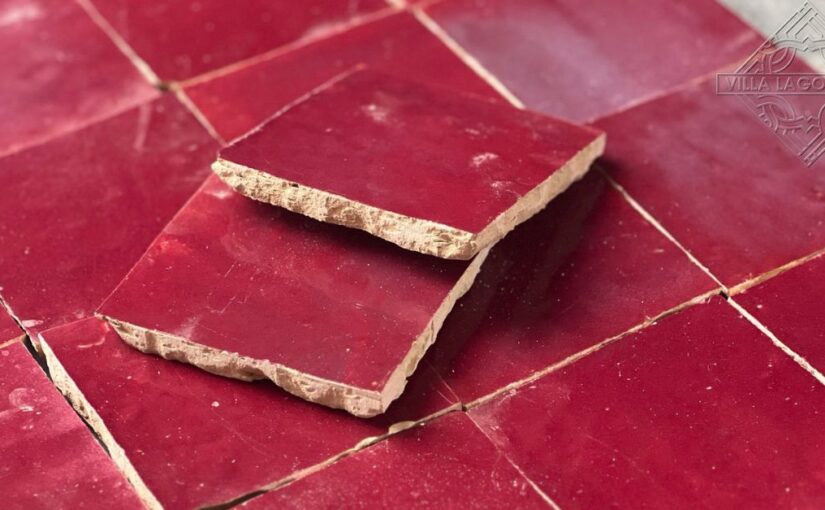
Zellige tiles may seem delicate, but this idea comes from a misunderstanding of how they are made. These tiles are made from clay and fired at very high temperatures, creating a durable, hardened surface. While you should take care during installation, they can withstand years of use once they’re in place.

Moroccan tiles have been used for centuries in high-traffic areas, such as kitchens, patios, and hammams (also known as Turkish baths). Their glaze provides beauty and strength, so they last for decades! “Fragile” is not the right word to describe these tiles; “resilient” fits the bill.

They’re Only Good for Traditional Spaces

It’s easy to see why people believe this; Zellige tiles are associated with Moroccan architecture and classic patterns. However, their applications go far beyond traditional homes. These tiles work wonderfully in modern bathrooms, farmhouse kitchens, or eclectic lounges.

Designers blending old and new styles like Zellige tiles because they add texture, color, and visual interest to a room. For instance, an all-white modern kitchen can gain warmth and personality with a backsplash of glossy neutral-toned Zellige tiles. On the other hand, vibrant tiles can brighten up minimalist interiors without looking out of place.

Too Difficult To Install

Installing Moroccan mosaic tiles requires attention and skill, but that doesn’t mean it’s impossible. Many myths about their installation stem from the tiles’ imperfections, which are part of their charm.

Zellige tiles aren’t uniform in size or thickness, so they require more effort to install. A thoughtful installer sees these challenges as opportunities to create something beautiful and unique. The application process is an art form, designed to highlight the handcrafted nature of the tiles.

Common Myths About Zellige Tiles Debunked

Neutral Colors Only

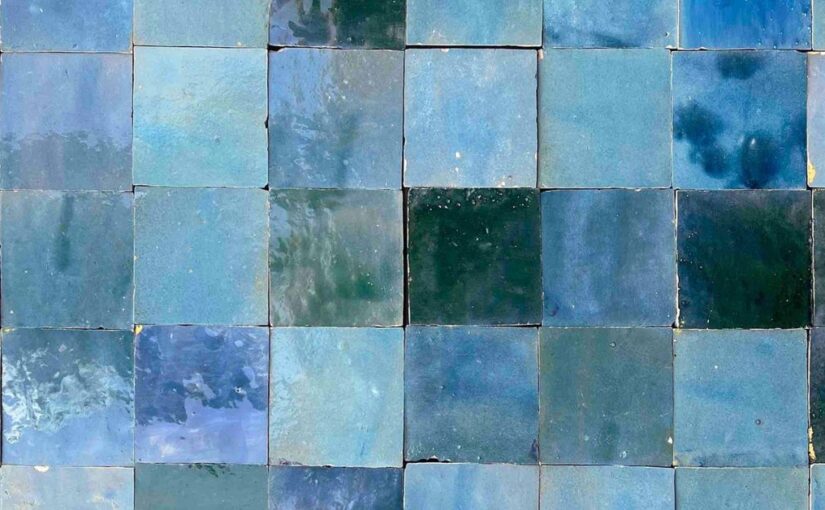
Neutral hues, such as beige and white, dominate photos of Zellige tiles, making it easy to assume these are the only options. In truth, Zellige tiles come in an incredible array of colors—far more than neutral tones. Vibrant blues, rich greens, and earthy reds are just a small sample of what’s available.

Their pigments are stunning, thanks to centuries-old glazing techniques that enhance their depth and saturation. Soft pastels bring a calming effect, while jewel tones create striking focal points. Designers love experimenting with these hues, whether covering an entire wall or adding a colorful accent to muted interiors. All it takes is exploring different collections to discover how vast their color palette really is.

The Tiles Are Hard To Clean

Cleaning Zellige tiles is far easier than people think. Their smooth, glossy surface comes from the glaze applied during production. This coating protects the tiles, making them resistant to water ingress and stains.

Regular maintenance involves wiping them clean with a soft cloth, warm water, and mild soap! The unique texture of Zellige tiles doesn’t trap dirt like textured or porous surfaces do. Some people worry that grout lines will discolor, but you can avoid this issue by sealing it a high-quality grout.

Top Tip:

Avoid using abrasive cleaning tools or harsh chemicals, as they can damage the glaze. With minimal effort, Zellige tiles retain their beauty for years while introducing a lived-in charm.

Not Suitable for Wet Areas

People shy away from using Zellige tiles in bathrooms, kitchens, or pools because they think the tiles might not perform well in wet spaces. This is far from the truth. The glaze protects the surface from absorbing water. Zellige tiles have been used for centuries in hammams, fountains, and outdoor areas exposed to moisture. Proper installation is key, especially sealing grout lines to prevent water penetration.

Zellige tiles enhance these areas with their glossy finishes and light-reflecting qualities. Imagine shower walls shimmering with color or a kitchen backsplash catching morning sunlight!

Too Expensive To Consider

Quality products tend to come with a higher price tag, and Zellige tiles are no exception. However, this doesn’t mean they’re out of reach. Their handmade nature requires time, skill, and attention, which justifies their cost. However, there’s flexibility within the market for people with different budgets.

Small projects, like a kitchen backsplash or fireplace surround, allow you to incorporate Zellige tiles without covering an entire room. Many homeowners use these tiles as an accent piece rather than tiling large spaces, creating stunning results on a small scale. Affordable options are also available, so you don’t have to compromise on beauty or authenticity.

Common Myths About Zellige Tiles Debunked

They’re Outdated

Some people believe Zellige tiles belong in the past. Yet, these tiles continue to trend, showing up in contemporary designs of all types. Designers love incorporating handmade imperfections into sleek, minimal spaces for a touch of character.

You might see photos of stunning kitchens, bathrooms, and decorative walls with Zellige tiles. They add timeless charm that blends effortlessly into modern aesthetics. The unique way light plays off the uneven surfaces creates dynamic, ever-changing effects that mass-produced tiles can’t replicate.

Far from out of style, Zellige tiles are having a revival in fresh, exciting ways. They’re proof that timeless designs never truly fade away!

Moving Forward…

Zellige tiles are a testament to artistry and individuality. Each piece reflects the artisan’s skills and centuries-old traditions. When you choose Zellige, you bring artistry and character into your home. These tiles dare to be imperfect, yet in their imperfections, they find beauty that’s impossible to replicate. That’s what makes them so captivating.

If you’ve been hesitant about getting Zellige tiles for your home, we hope that debunking common myths convinces you! Think of the endless possibilities they offer, from bold statements to subtle accents. They’re not just for traditional spaces or high-end homes; they’re perfect for anyone who appreciates the magic of handcrafted design. Why settle for ordinary when you have the chance to welcome something unique?