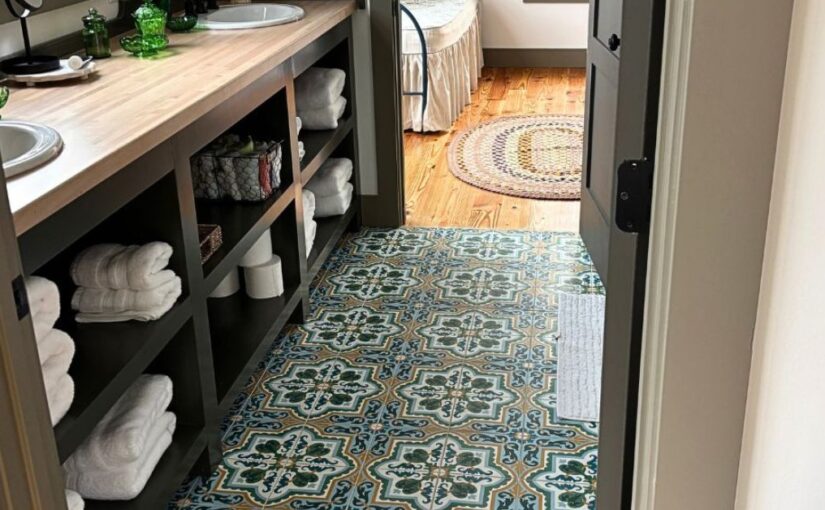
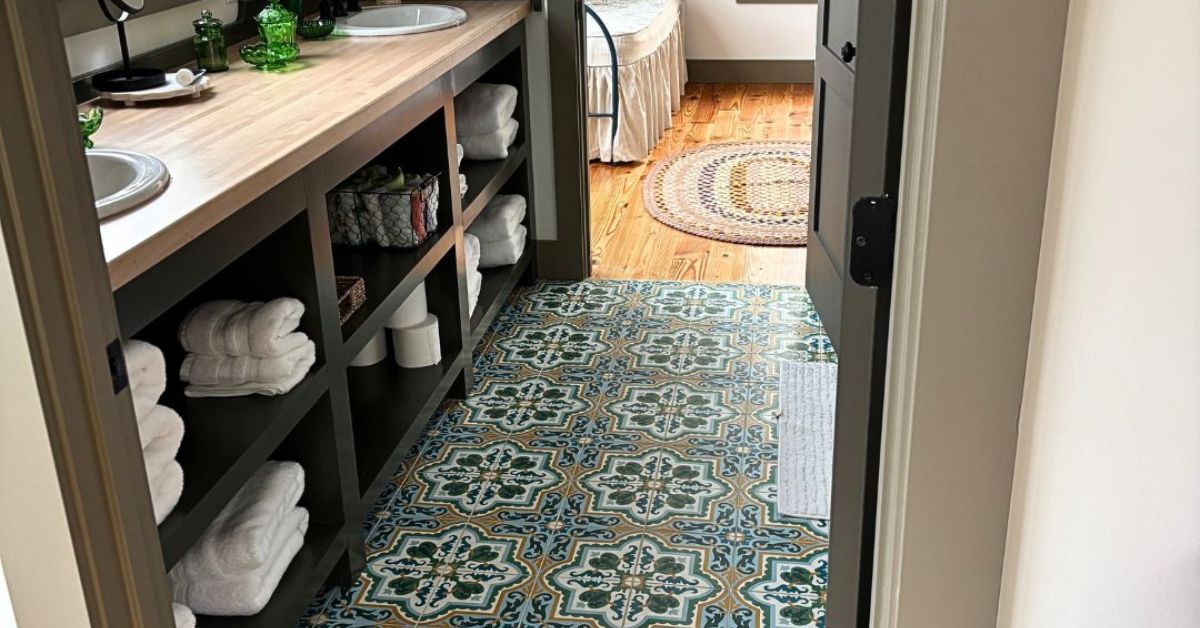
Tiles have long been a favored design element in interior spaces, not only for their practicality but also for their ability to create stunning visual effects. Tile patterns can bring texture, depth, and personality to a space, making them a central part of modern and classic interior design alike. From bold geometric arrangements to understated minimalist layouts, the visual effect of tile patterns in interiors can significantly influence the ambiance of a room.
The Role of Geometry in Tile Patterns
Geometry is at the heart of tile design. The shapes, sizes, and arrangements of tiles contribute to a space’s visual rhythm and structure. For example, hexagonal tiles can evoke a sense of modern sophistication while maintaining a natural symmetry that feels balanced. Similarly, patterns like herringbone or chevron create dynamic movement, drawing the eye across the floor or up a wall. These designs offer a blend of symmetry and creativity that can help unify a room’s elements, making every corner feel intentional.
On the other hand, irregular or asymmetrical tile layouts can add an artistic flair, perfect for creating focal points in kitchens, bathrooms, or entryways. Choosing the right geometry can significantly alter the room’s character. If your goal is to elongate a space or make it feel larger, rectangular tiles laid in a linear pattern can work wonders. Conversely, intricate geometric patterns can make a large space feel more intimate and visually engaging.
Color and Pattern Combinations
The color palette of tiles and their patterns can transform the mood of a room. Neutral, monochromatic tones like whites, grays, and beiges create a timeless and minimalist aesthetic, allowing other elements in the room, such as furniture or artwork, to take center stage. Conversely, vibrant colors and highly contrasting patterns can bring energy and personality into the space, perfect for those who want to make a bold design statement.
The combination of patterns and colors is particularly impactful in creating visual illusions. For instance, light-colored tiles with subtle patterns can help reflect light, making small spaces feel more spacious and open. Meanwhile, dark, intricate tile patterns can ground a room, providing a sense of coziness and intimacy. Designers often layer patterned tiles with complementary colors to achieve a harmonious yet visually rich environment that captivates the eye.
Enhancing Depth and Texture with Tile Layouts
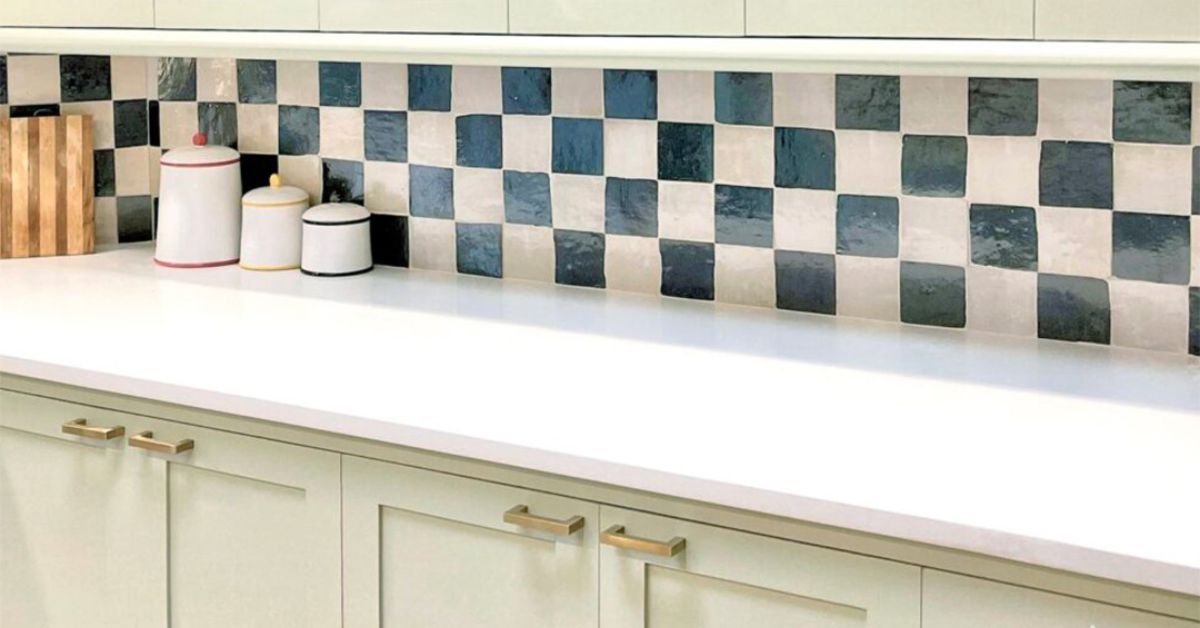
Tiles can also be used to introduce texture into an interior design. The way tiles are arranged and the finishes applied to them, such as matte, glossy, or textured surfaces, affect how light interacts with them. Glossy tiles reflect light and can make a room appear brighter, which is especially useful in compact or dimly lit areas. Textured tiles, on the other hand, add a tactile dimension that brings warmth and character, often working best in rustic or natural-inspired spaces.
The layout itself plays a key role in building depth. Running a pattern along a room’s perimeter or creating inlaid tile “rugs” on the floor can section off areas within open-plan layouts. Similarly, vertical arrangements, like subway tiles stacked in a straight line, can create the illusion of height when applied to walls, making ceilings feel taller. These layout strategies can manipulate the perception of space while still being visually appealing.
The Revival of Vintage Tile Patterns
Vintage-inspired tile patterns have seen a resurgence in contemporary interior design. From Art Deco motifs to intricate Moroccan designs, these styles offer timeless charm paired with modern functionality. For example, encaustic tiles, which feature intricate patterns embedded into the surface, have regained popularity in bathrooms and kitchens due to their stunning visual appeal combined with durability.
These vintage patterns work beautifully in both traditional and contemporary spaces. When paired with modern elements like minimalist fixtures or sleek cabinetry, they offer a nostalgic yet fresh look. This style fusion highlights the versatility of vintage tile patterns in bridging the gap between old-world elegance and modern minimalism, making them a popular choice for designers and homeowners alike.
Focal Points and Statement Surfaces
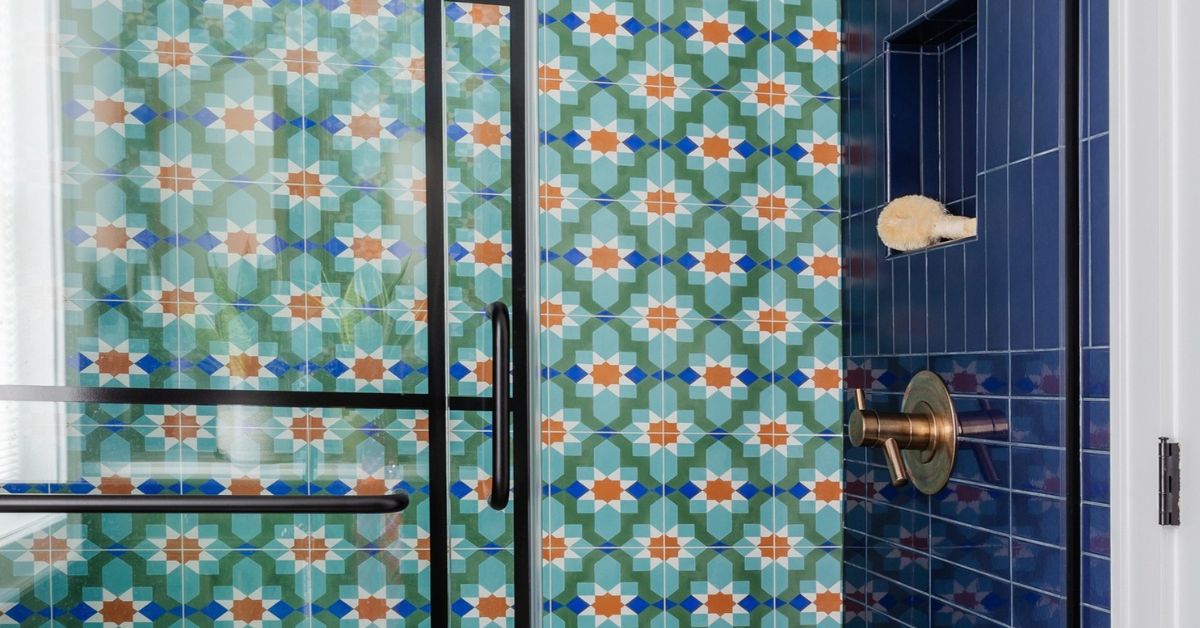
Tiles are an excellent tool for creating bold statement surfaces that draw attention. A backsplash in a striking pattern or color can serve as the centerpiece of a kitchen, while an accent wall with dynamic tile designs can elevate a living room or bathroom. Statement tiles are especially effective in highlighting specific areas, such as a fireplace surround or a shower niche, adding layers of interest and defining the space.
When designing with statement tiles, balance is critical. Too much pattern or color can overwhelm, so it’s essential to pair statement tiles with complementary, subdued design elements. Choosing softer tones for adjacent walls, floors, or furniture ensures that the focal tiles remain the highlight without creating visual clutter.
Mixing Modern and Traditional Patterns
Experimentation with tile patterns has led to intriguing blends of modern and traditional styles. Designers often juxtapose sleek, minimalist tiles with ornate, classical patterns for a striking contrast. This approach allows homes to incorporate timeless elements while remaining relevant and contemporary. Pairing plain, elegant tiles in neutral tones with a bold patterned tile border can achieve a balanced look that feels both classic and cutting-edge.
The use of mixed patterns also provides an opportunity to personalize spaces. By combining different types of tiles, homeowners can create unique designs that reflect their tastes and personalities. Whether it’s combining wood-look tiles with marble-inspired designs or layering simple tiles with artistic mosaics, mixing patterns offers endless possibilities.
Sustainable and Eco-Friendly Tiles
With the rise of sustainable design practices, eco-friendly tiles are becoming increasingly popular. These tiles often incorporate recycled materials, low-waste manufacturing processes, and natural finishes. Along with environmental benefits, these options provide a unique texture and appearance that appeals to homeowners seeking both style and sustainability. Neutral patterns in earth tones, combined with organic shapes, create serene and environmentally conscious interiors.
Innovations in tile production have further expanded sustainable options. Digital printing technology now allows manufacturers to mimic the appearance of natural materials like stone or wood, reducing the demand for non-renewable resources. This approach provides homeowners with eco-friendly choices without sacrificing aesthetic variety or quality.
The Impact of Tile Patterns
The visual impact of tile patterns in interior design goes far beyond simple aesthetics. From creating depth and texture to making bold statements or achieving harmony, tiles are a versatile and powerful design element. Their ability to transform a space while offering practicality makes them an invaluable tool for interior designers and homeowners alike. Whether you’re drawn to geometric symmetry, intricate vintage designs, or clean modern layouts, the right tile pattern can elevate your space and make it truly your own.
If you need a concrete tile company to bring your visual design to life for your next project, then Villa Lagoon Tile is happy to provide you with the materials you need. Don’t wait to contact us to find out more about the specific tiles we have in stock.