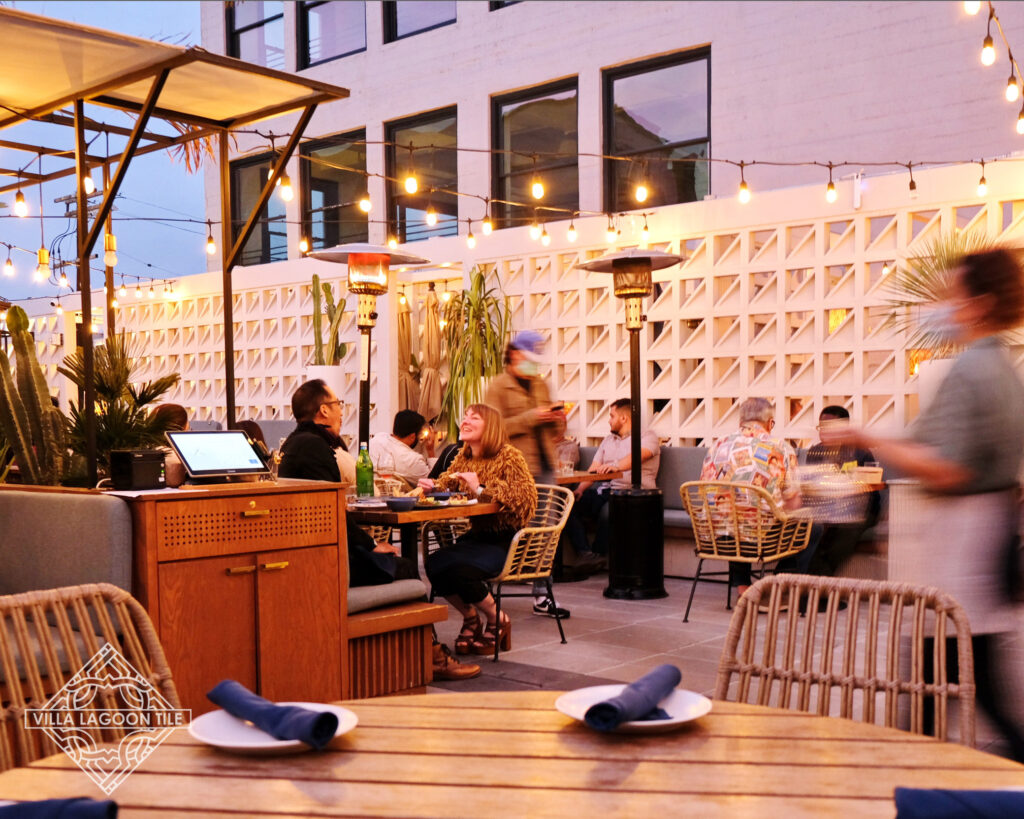
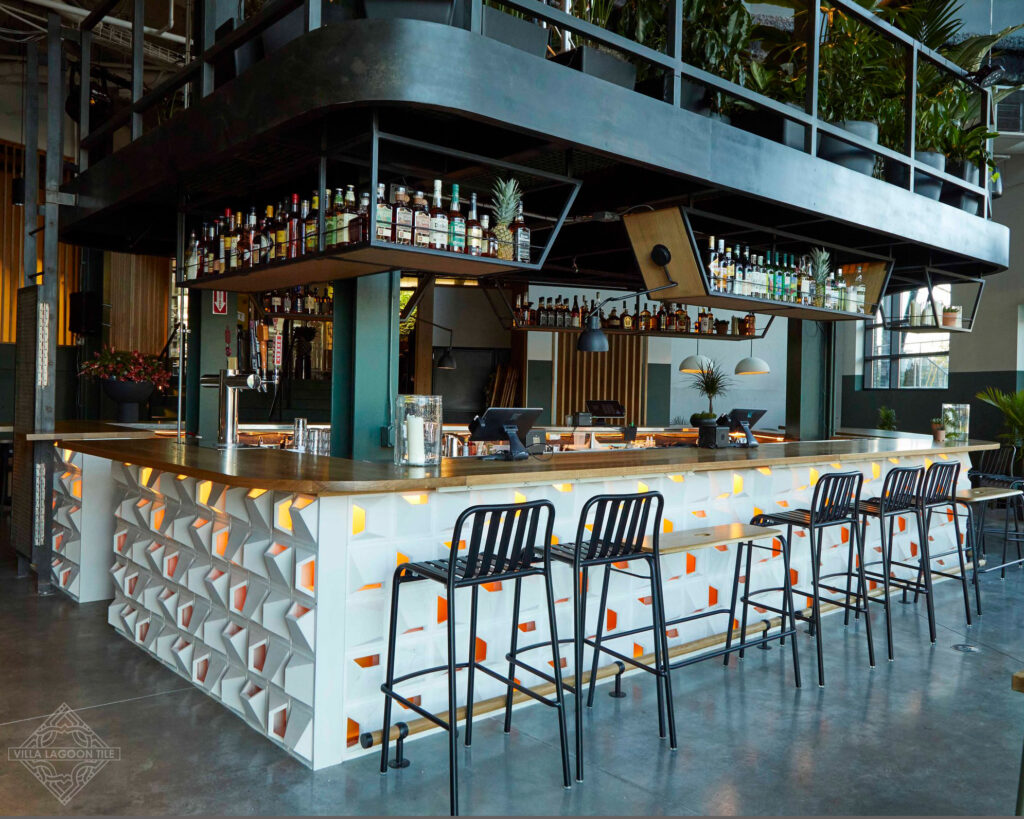
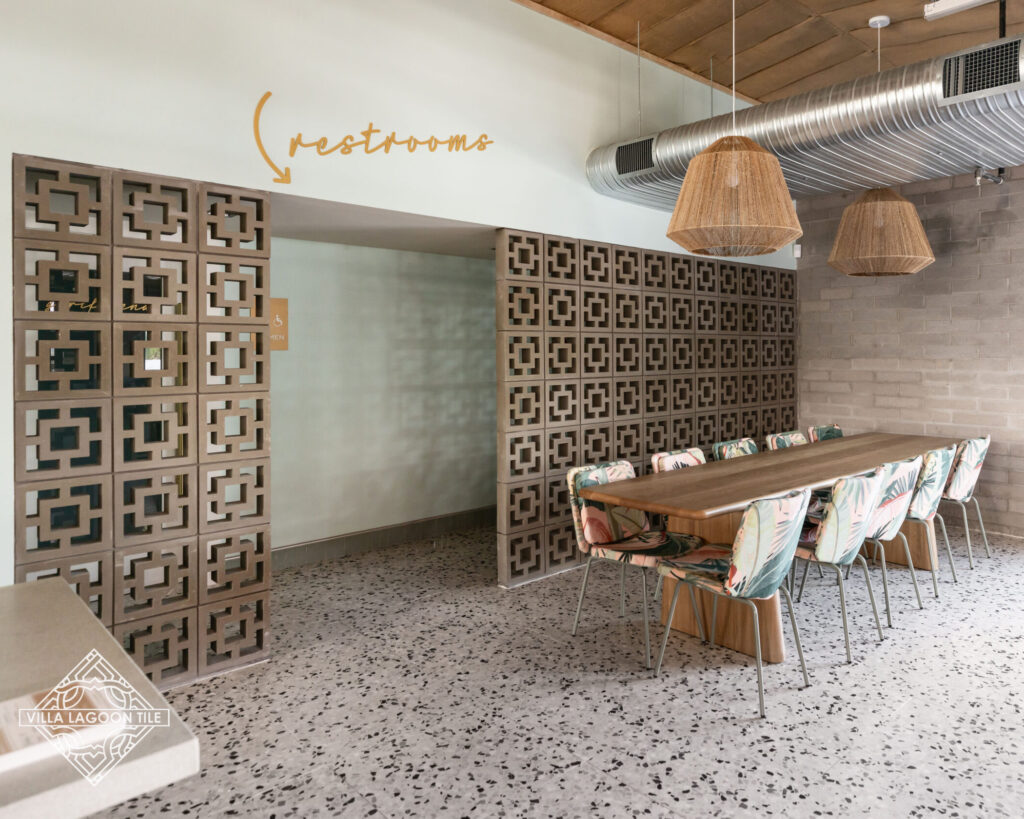
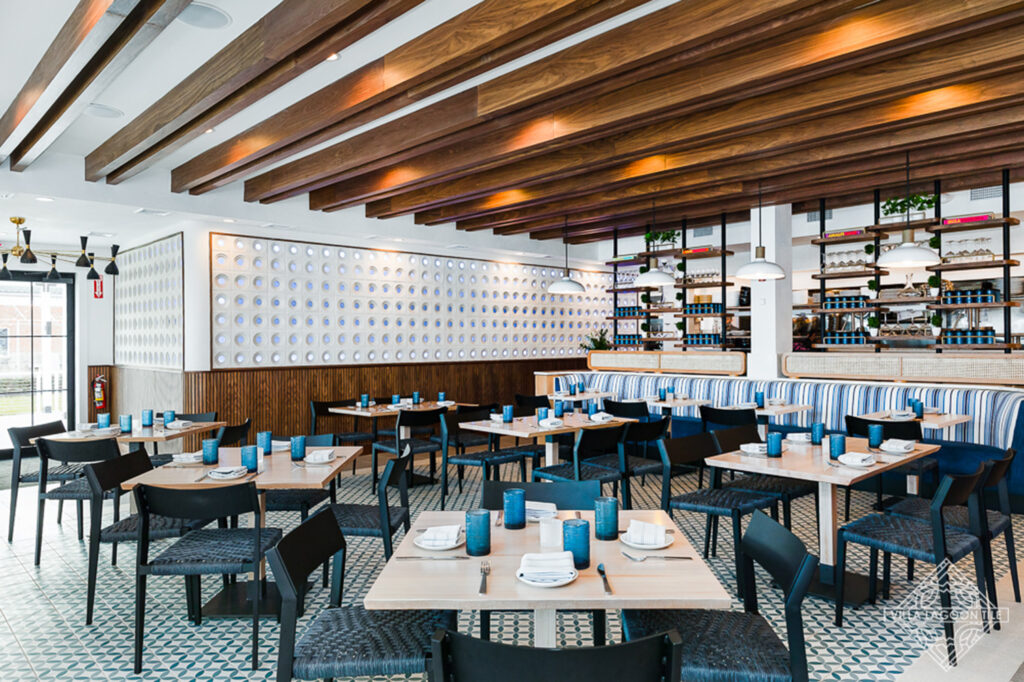
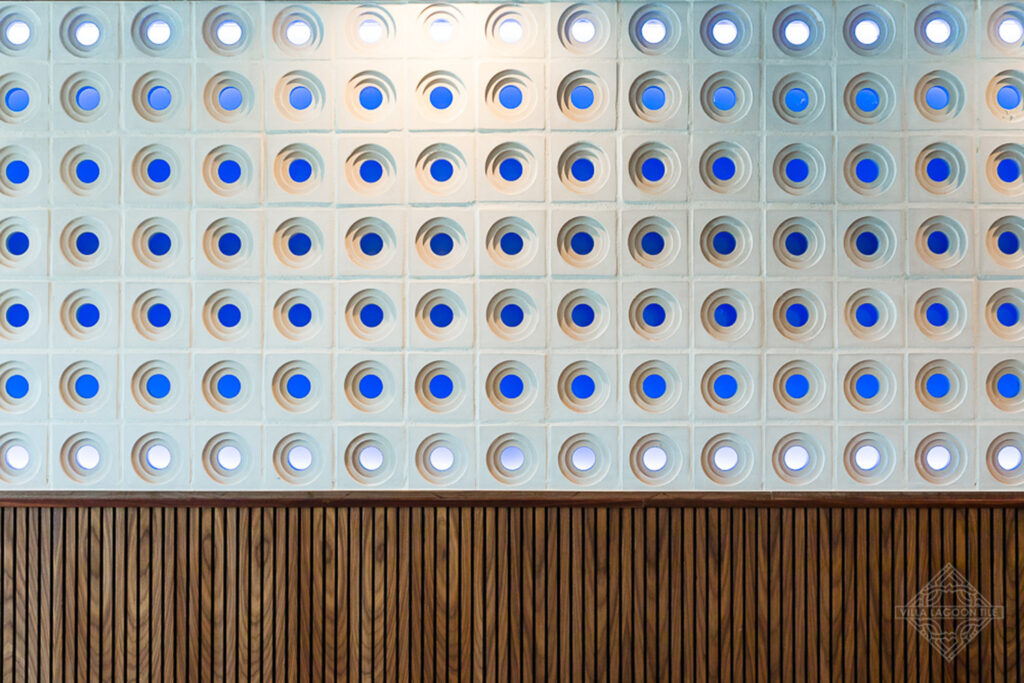
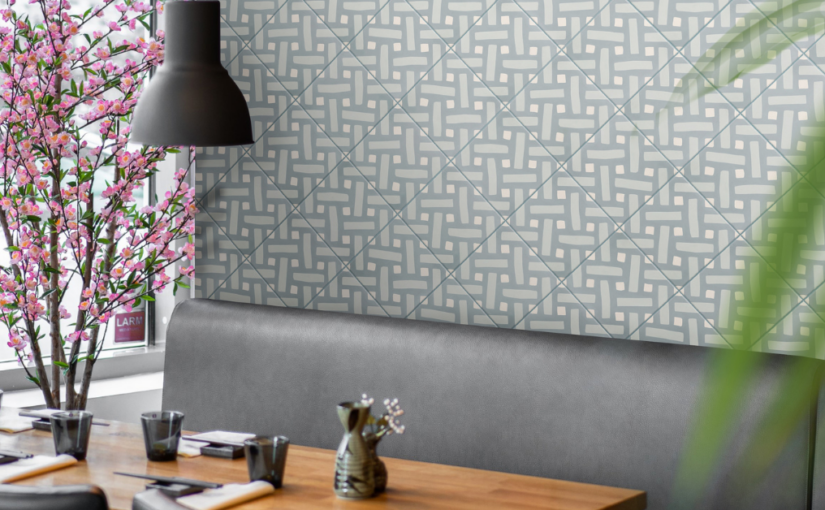
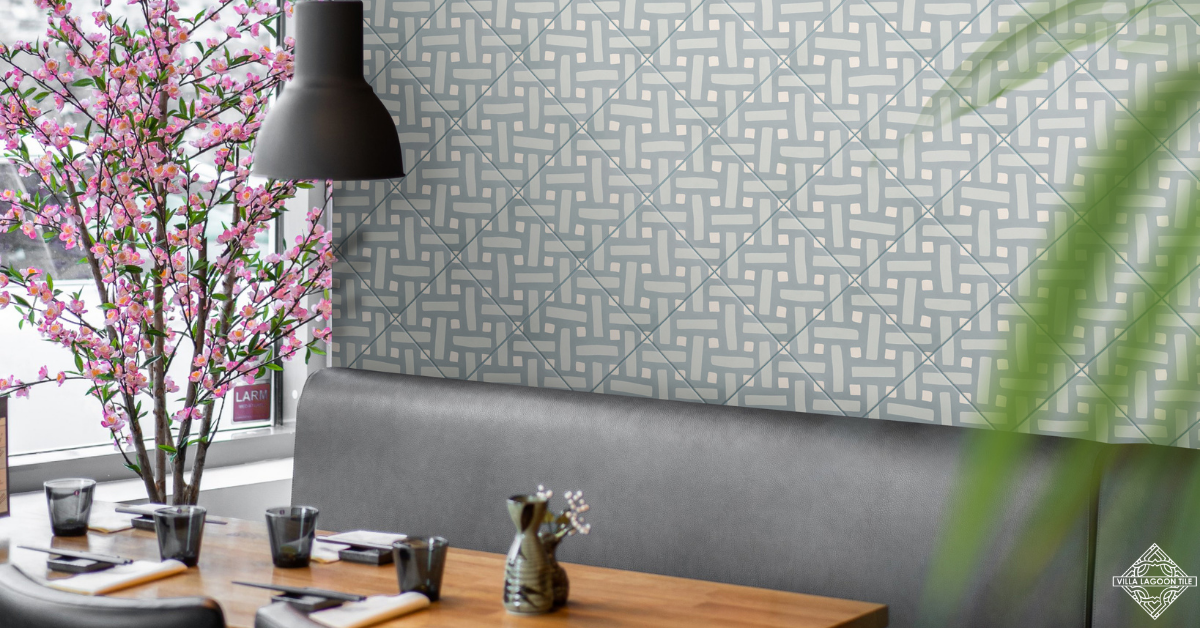
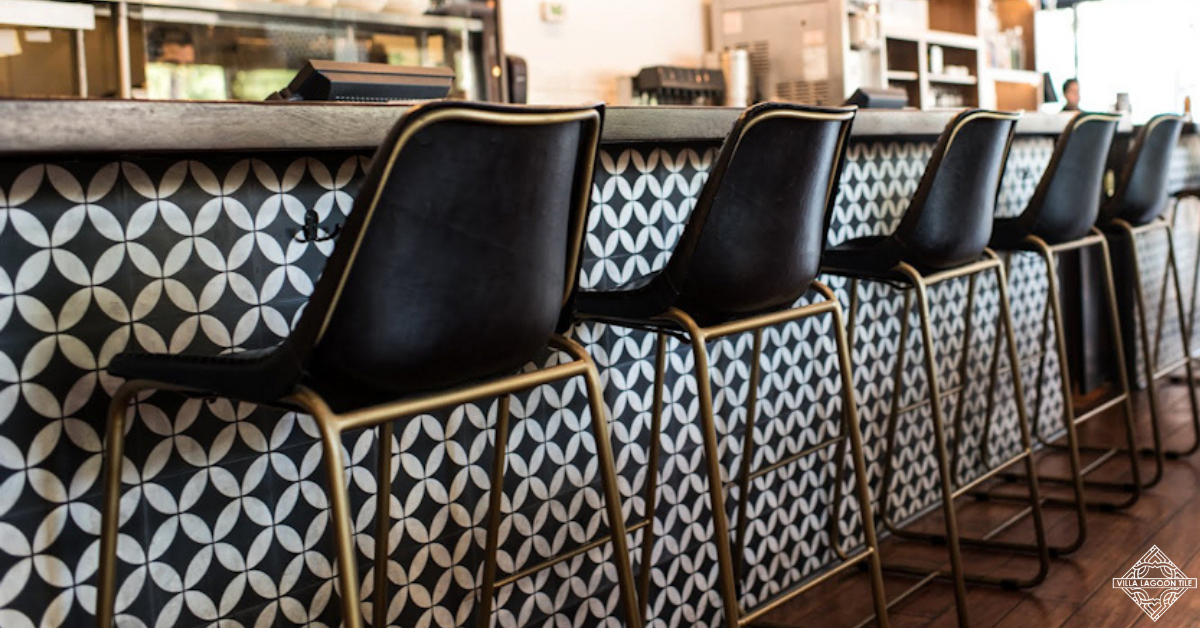
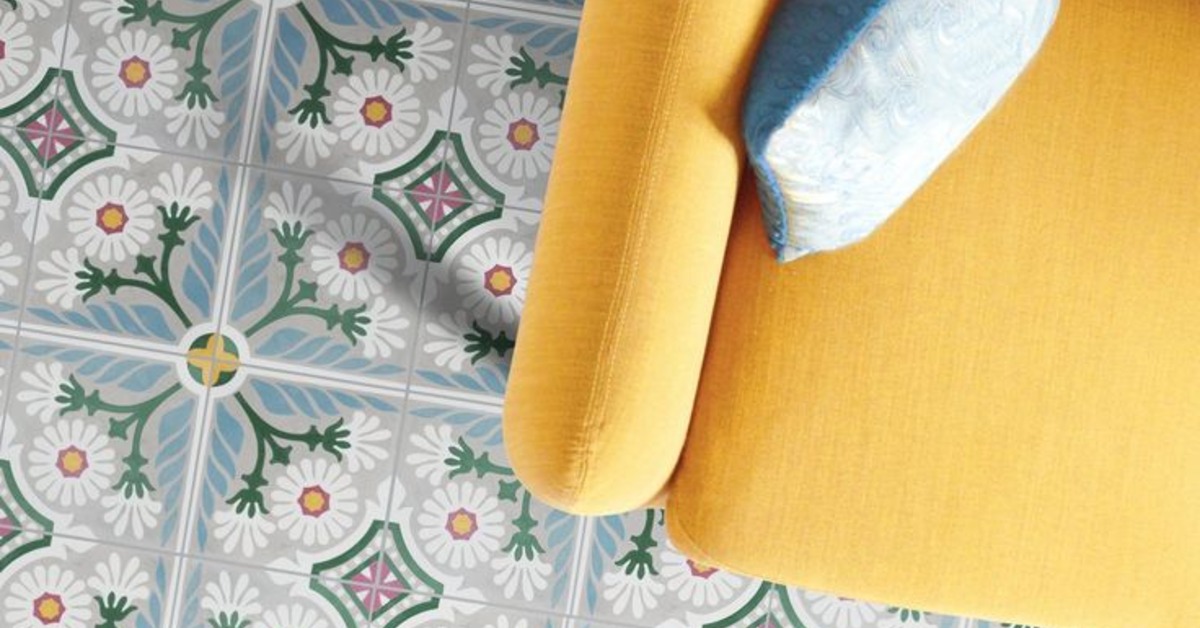
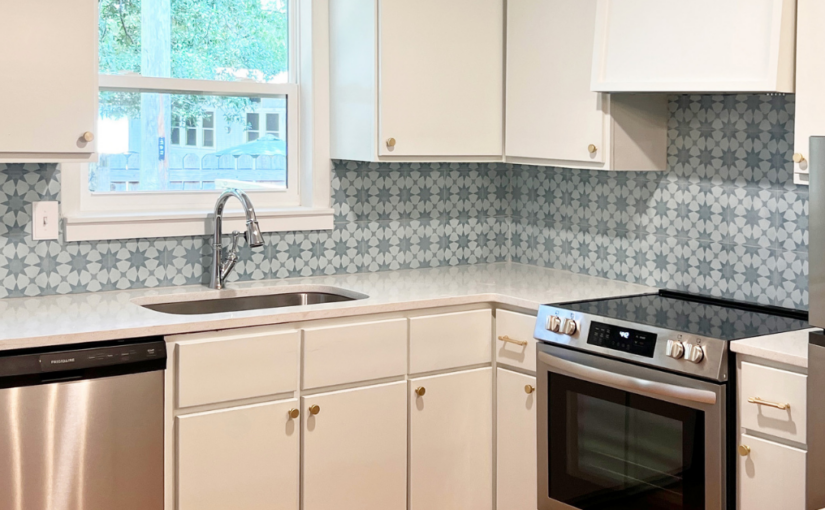
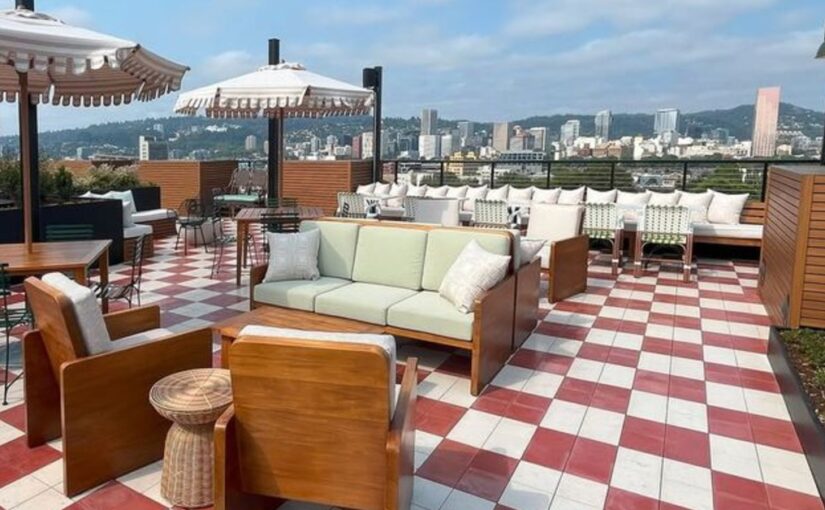
Molokai Breeze Blocks at The Hart, Nashville, TN, Designed by Powell Architects
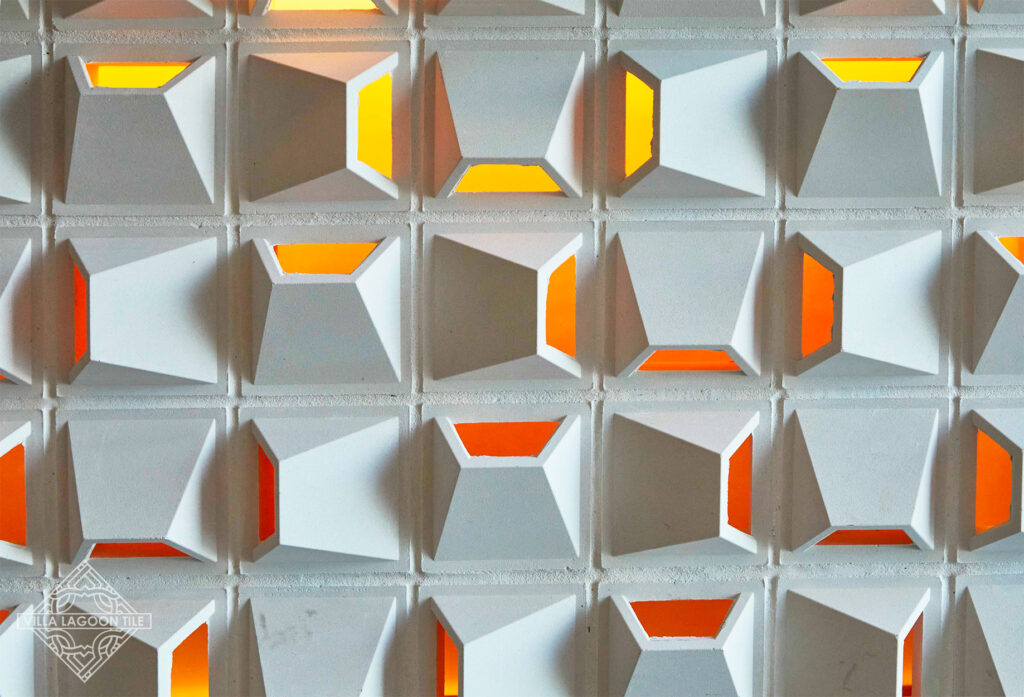
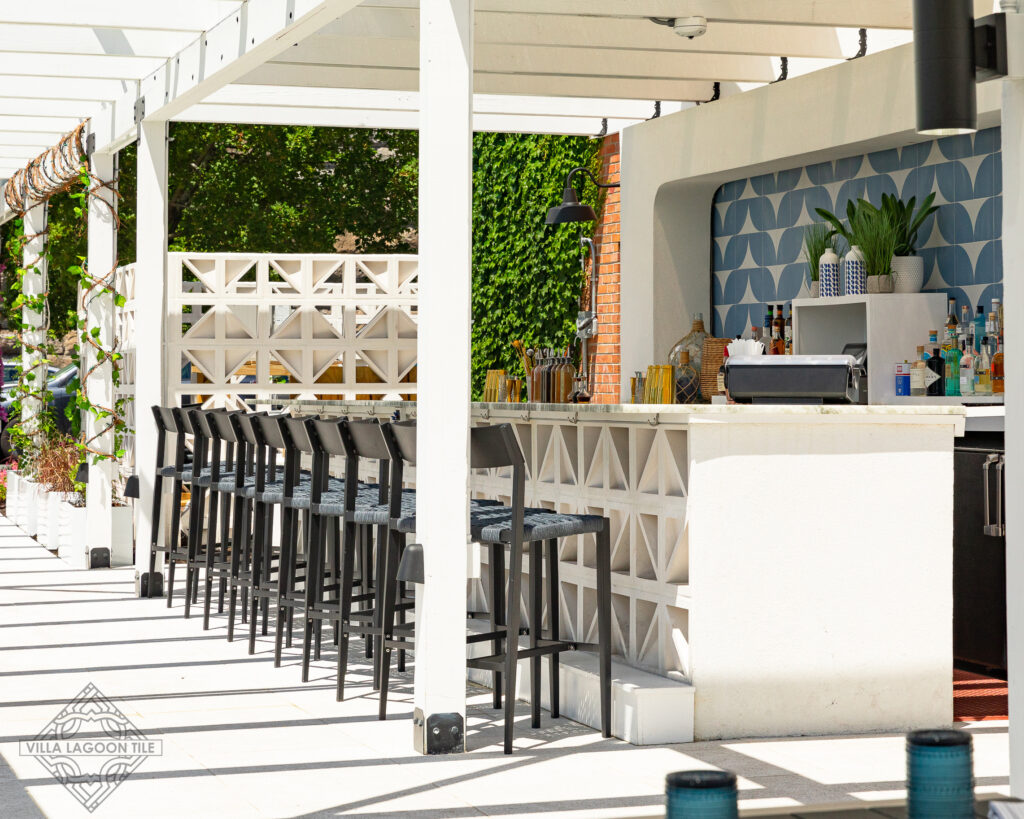
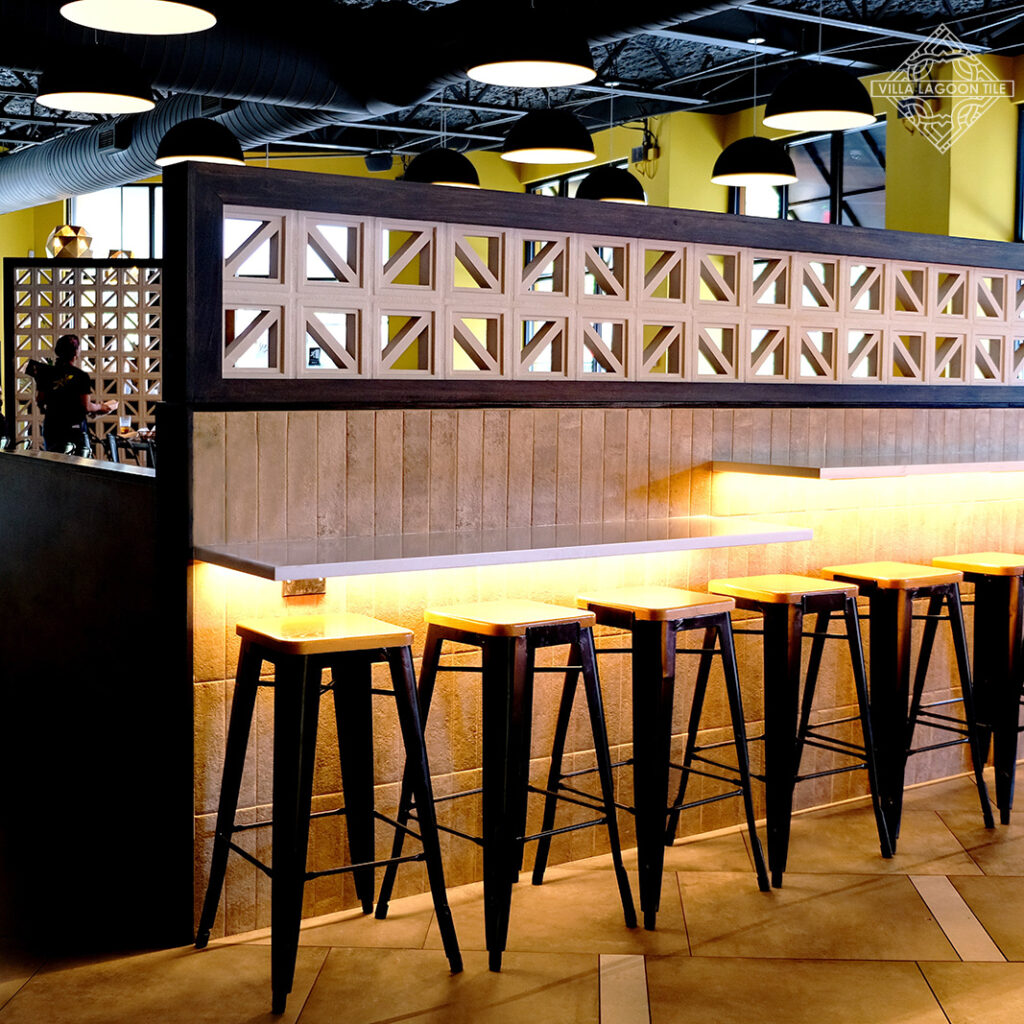
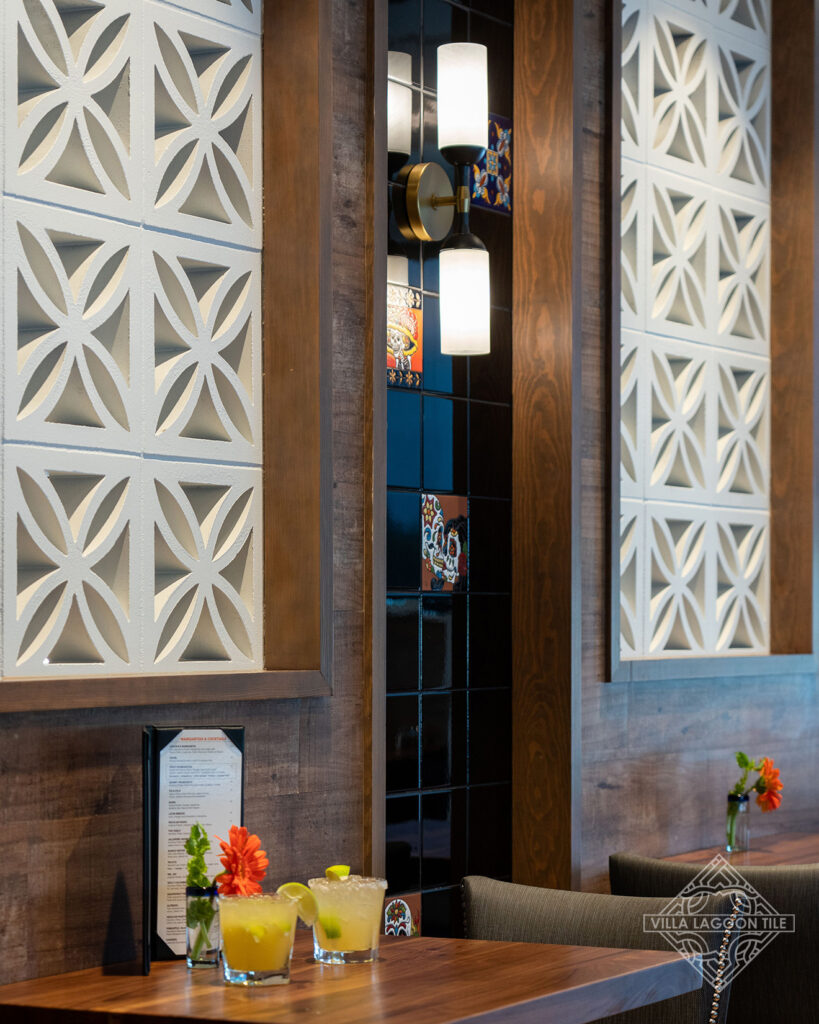
The beauty and function of breeze blocks is undeniable and although for some, they never went out of style, for many they are just waking up to the idea. Since our debut in 2019, Villa Lagoon Tile’s Breeze Blocks have helped to revive this mid-century modern staple, with a more refined version of the pattern blocks of the original era. We like to call them “Breeze Blocks 2.0”. These hand-made blocks use finer sand aggregate and hydraulic presses, rather than the course-cast products of the past. This makes these blocks thinner, smoother, and generally more appealing than their “1.0” counterparts.
A new wave of designers have embraced breeze blocks and are employing them ingeniously. Among our top picks is their application in restaurant design. Take a scroll to discover some remarkable eateries showcasing our beloved breeze blocks!
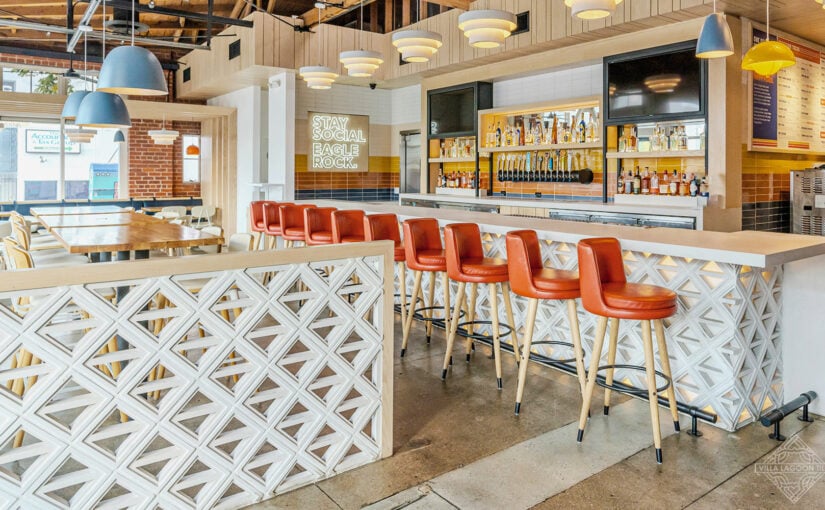
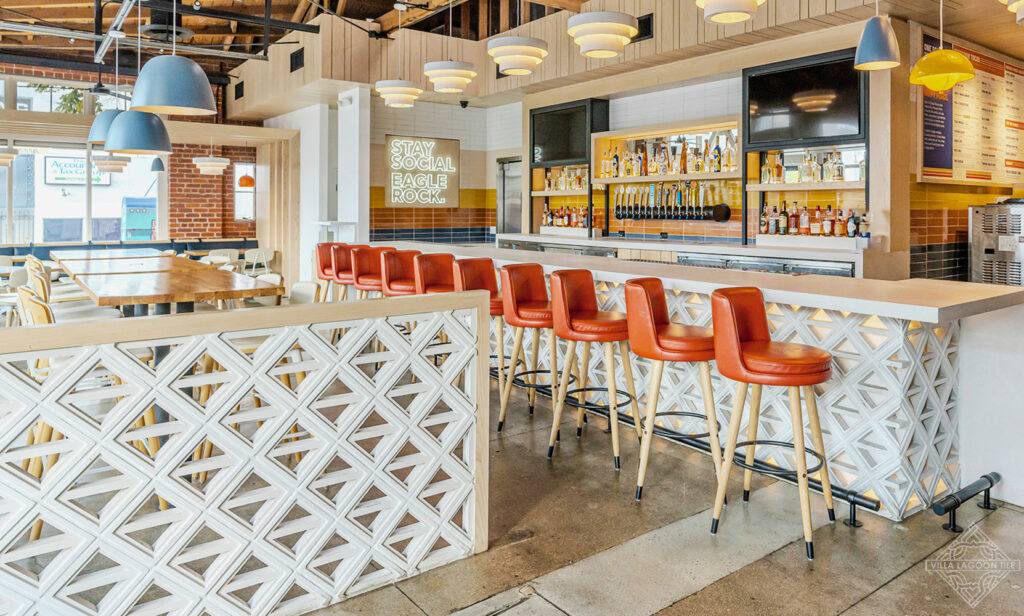
Maui Breeze Blocks at Taco Social, Eagle Rock, CA, Designed by Catia Sander Design
Seychelles Breeze Blocks at Baresco Restaurant, Fort Lauderdale, FL, Designed by Summit Design Build
Ibiza Breeze Blocks & Man Overboard Cement Tile at The Boca Raton, Pompano Beach, FL, Designed by Rockwell
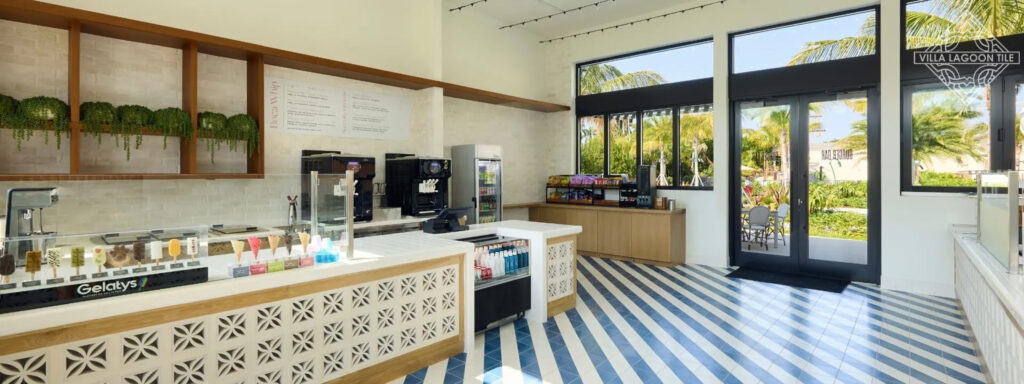
Large Bermuda Breeze Blocks at La Cha Cha Cha, Los Angeles, CA, Designed by Lena KohlMolokai Breeze Blocks at The Hart, Nashville, TN, Designed by Powell ArchitectsLarge Tonga Breeze Blocks at The Eleanor, Scottsdale, AZ, Designed by Social Design StudioLuzon Breeze Blocks at Primo Waterfront Restaurant, Newburg, NY, Designed by Lovecraft DesignLuzon Breeze Blocks at Primo Waterfront Restaurant, Newburg, NY, Designed by Lovecraft DesignLuzon Breeze Blocks at Primo Waterfront Restaurant, Newburg, NY, Designed by Lovecraft DesignMaui Breeze Blocks at Iguana on Park, Jacksonville, FL, Designed by FORM + SPACE, INCMaui Breeze Blocks at Iguana on Park, Jacksonville, FL, Designed by FORM + SPACE, INCLarge Ibiza Breeze Blocks at Anamia’s Tex Mex, Prosper, TX, Designed By Keaton Interiors Cozumel Breeze Blocks at Jeni’s Ice Cream, Houston, TX, Designed by 505 DesignCozumel Breeze Blocks at Jeni’s Ice Cream, Houston, TX, Designed by 505 Design
Our Breeze Blocks are available in multiple shapes and sizes, over 50 patterns, and 10 colors for special order. We stock dozens of these patterns for quick shipment in our Alabama and California warehouses and ship worldwide!
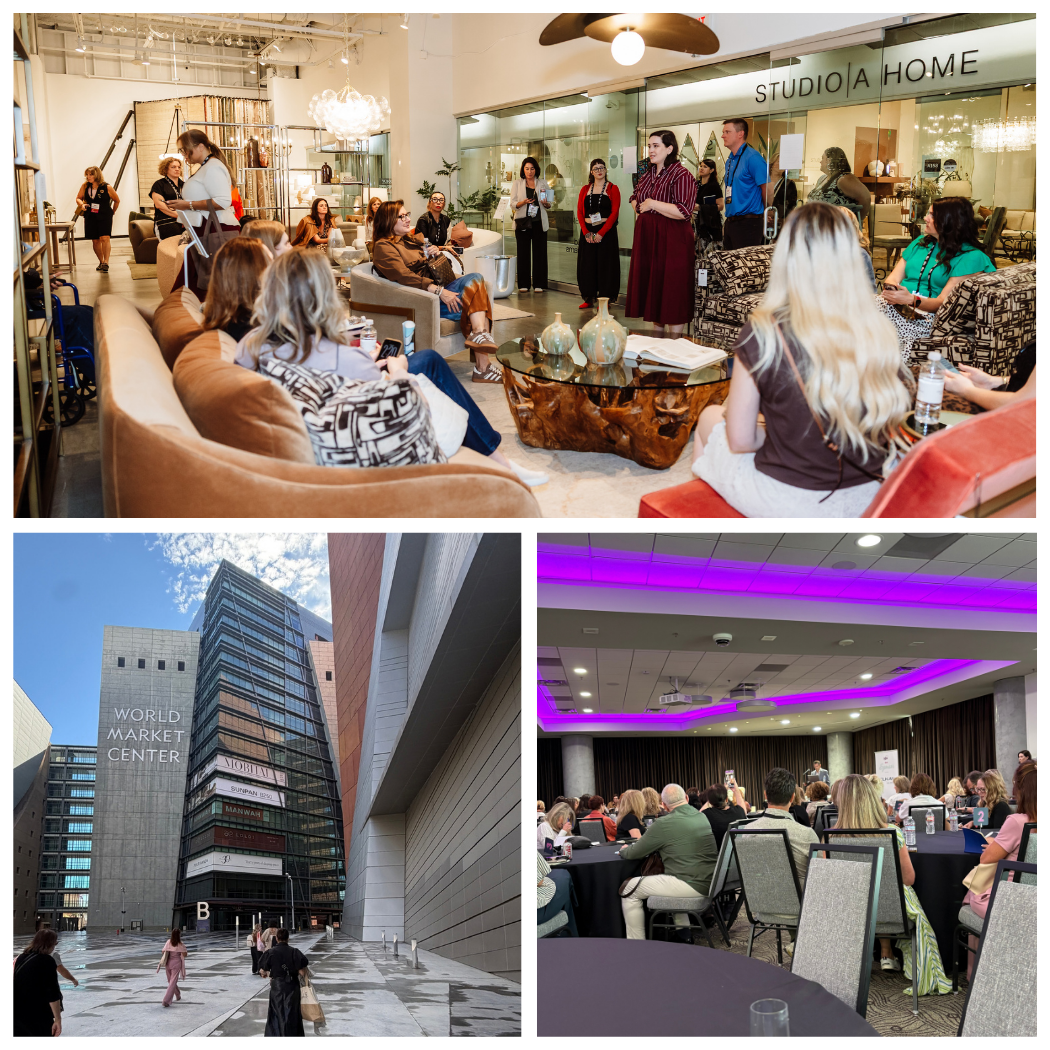
This year, we had the pleasure of attending the 2026 IDS National Conference in Las Vegas. Villa Lagoon Tile was proud to take part as a vendor and Silver Sponsor. The conference allowed us to connect with designers and introduce them to our products. We learned a lot while also exploring the city and creating many memories.
The conference consisted of three exciting days of vendor visits, educational sessions & speakers, and a market day. Read along for some of the highlights!
We kicked off IDS by showcasing our diverse tile collection, from the timeless character of cement tiles to the distinctive beauty of zellige. It was our first opportunity to share our story. Over 200 attendees had the chance to explore the variety of sizes, shapes, textures, and styles that make our collection so unique. We loved connecting with talented designers, learning about their projects, and discovering the creative possibilities our tiles could bring to their designs. Day one was filled with exciting conversations and meaningful connections. We were thrilled to share our passion for tile with the IDS community and couldn’t wait to see what the rest of the conference had in store!
Day 2 took us beyond the booth and into the wider world of design with World Market Day! We kicked off the day with two insightful speakers. Jaye Anna Mize explored The New Codes of Living, explaining how changing consumer behavior is reshaping home and lifestyle design. Sharon L. Sherman shared business strategies to help professionals navigate and succeed in the industry. Both sessions offered valuable takeaways and new ideas to bring back with us.
After the morning sessions, we visited five inspiring showrooms: Bernhardt, Feizy, Global Views / Surya / Mitchell Gold + Bob Williams, Hubbardton Forge, and Naturepedic. Each stop offered a fresh perspective on design, from furniture and lighting to home accents, showcasing the creativity and craftsmanship that bring unique spaces to life. It was an inspiring opportunity to discover new ideas, explore different design styles, and see how fellow brands translate their creative visions into reality. World Market Day was a wonderful opportunity to step outside our usual surroundings, take in fresh perspectives, and gather inspiration from across the design industry.
Our final day was all about making the most of every last moment! We returned to our table to connect with more talented designers, share our tile collection, and enjoy conversations that made IDS such a memorable experience. In between table visits, we also had the opportunity to hear from a few more speakers and take in some final inspiration before wrapping up an incredible few days. As the conference came to a close, it was time to pack up our table and reflect on all the connections and experiences that made that event so special.
We loved being part of the IDS giveaway and celebrating the winner! Congratulations to Josepha Rood, who received a $500 Villa Lagoon Tile gift certificate. Thank you to everyone who entered and joined the excitement!
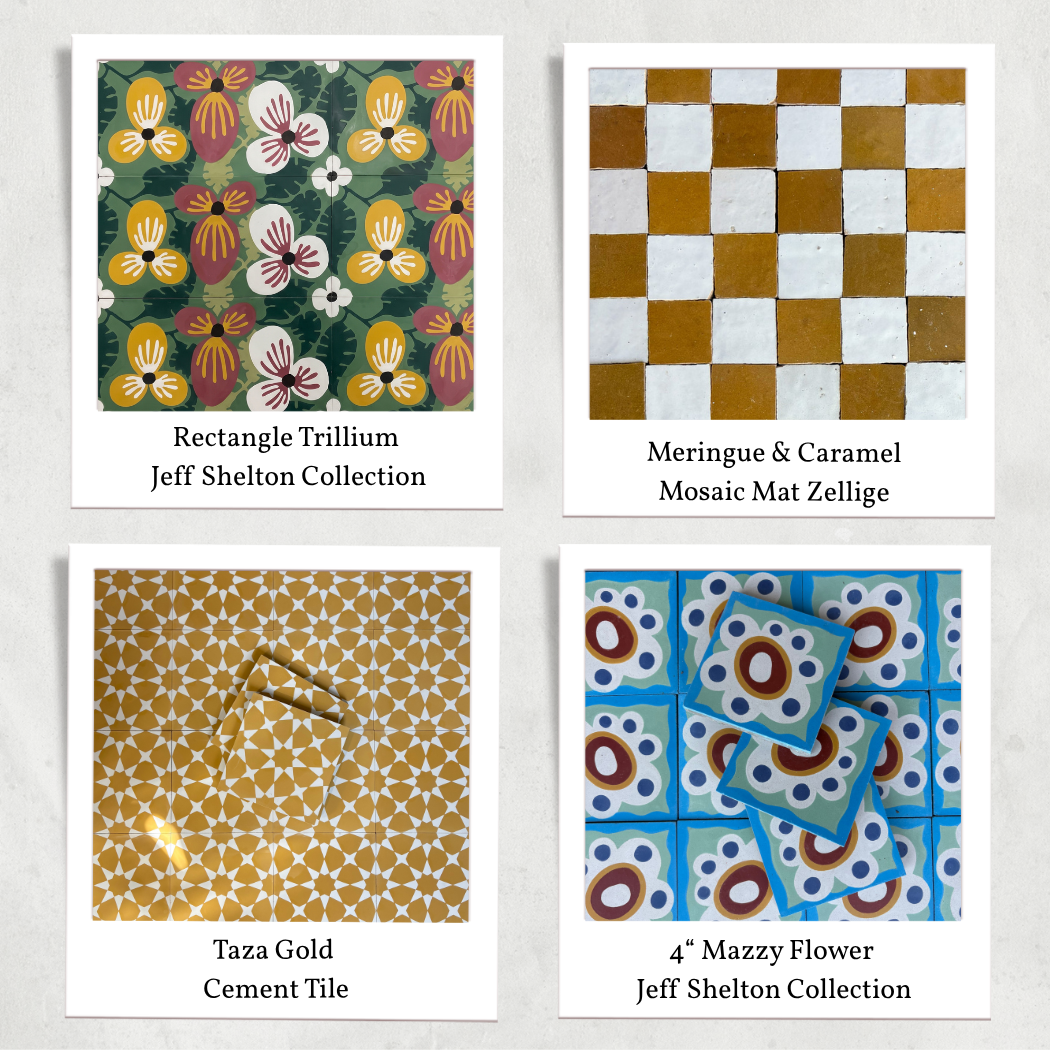
We brought a variety of tiles from our collection to IDS, from handcrafted cement tile to zellige, in a range of shapes, patterns, and styles. We wanted attendees to have the opportunity to hold the tiles in their hands, feel the textures, and experience the details that make each one unique.
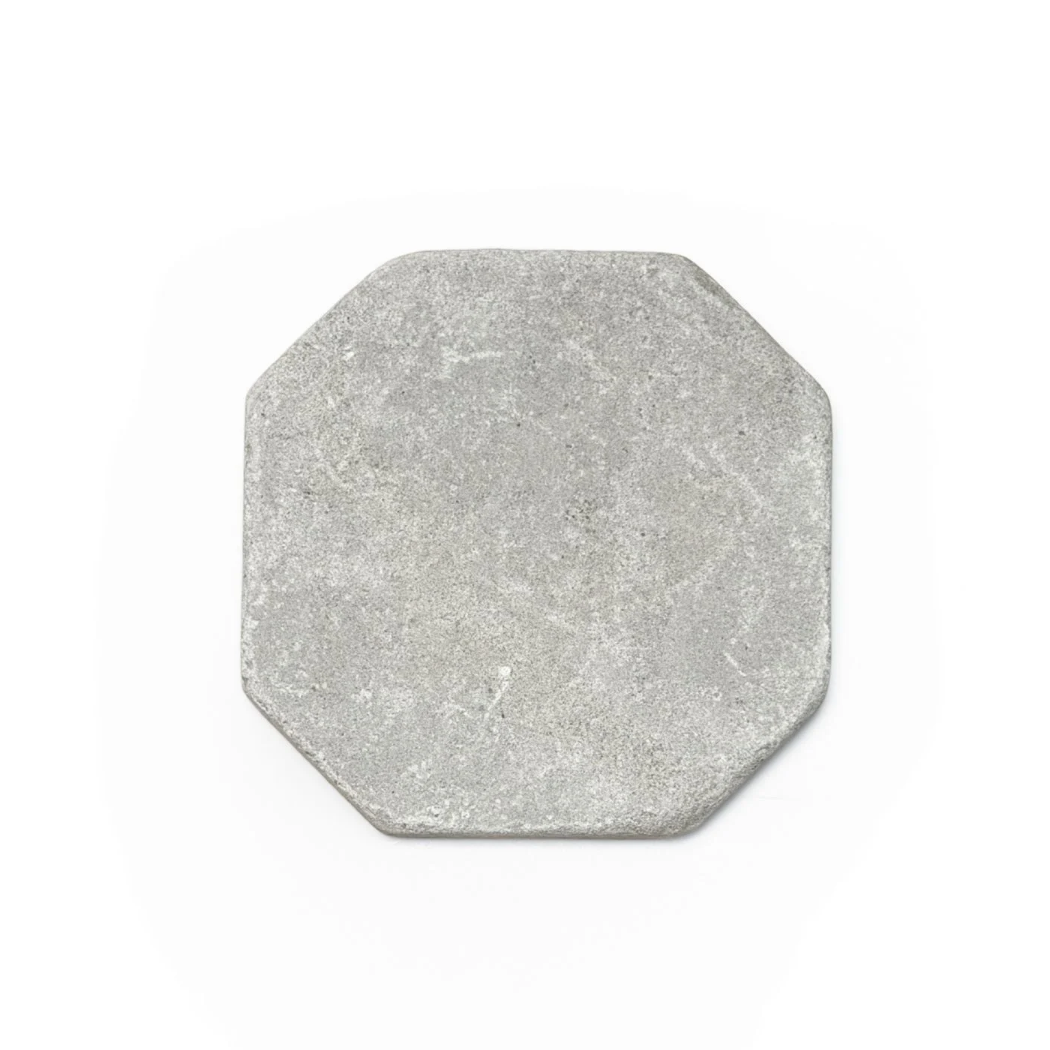
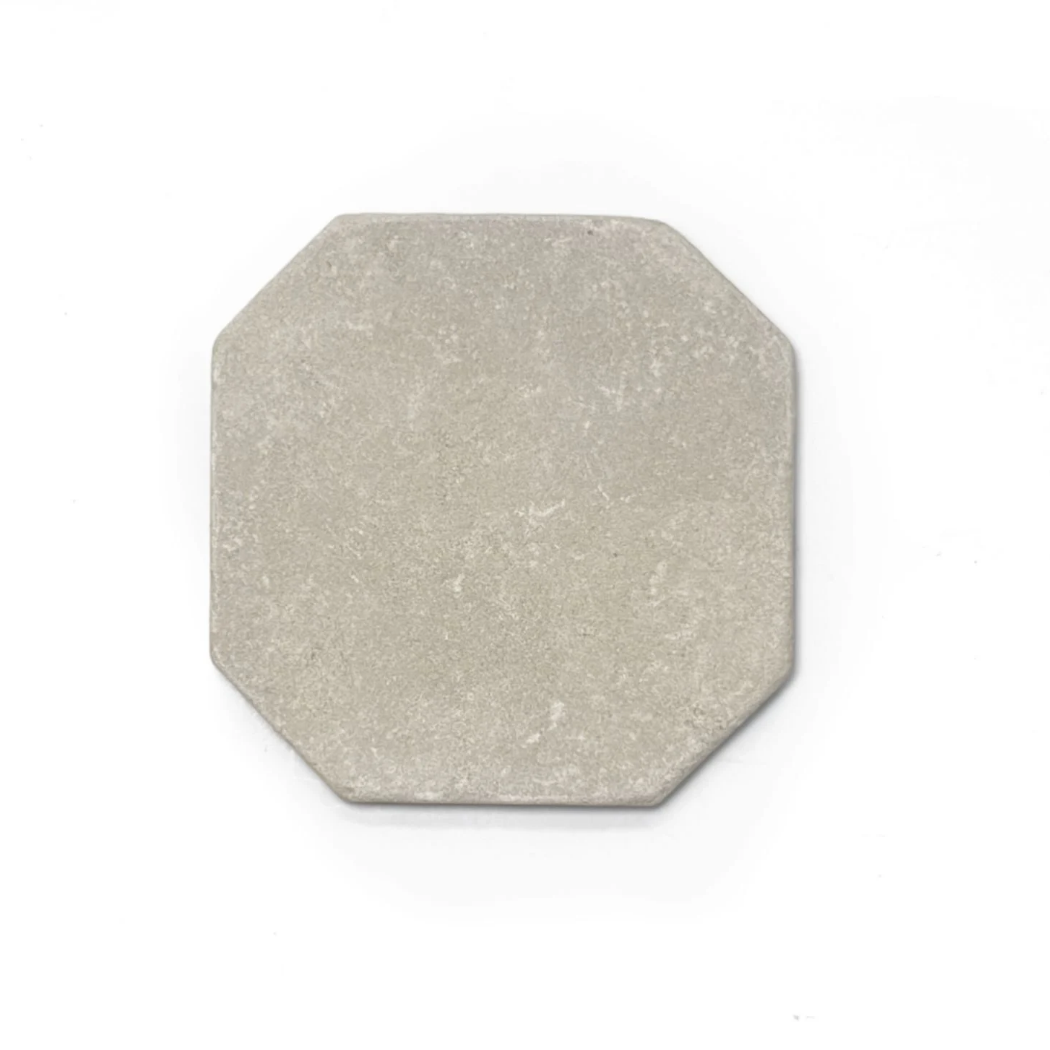
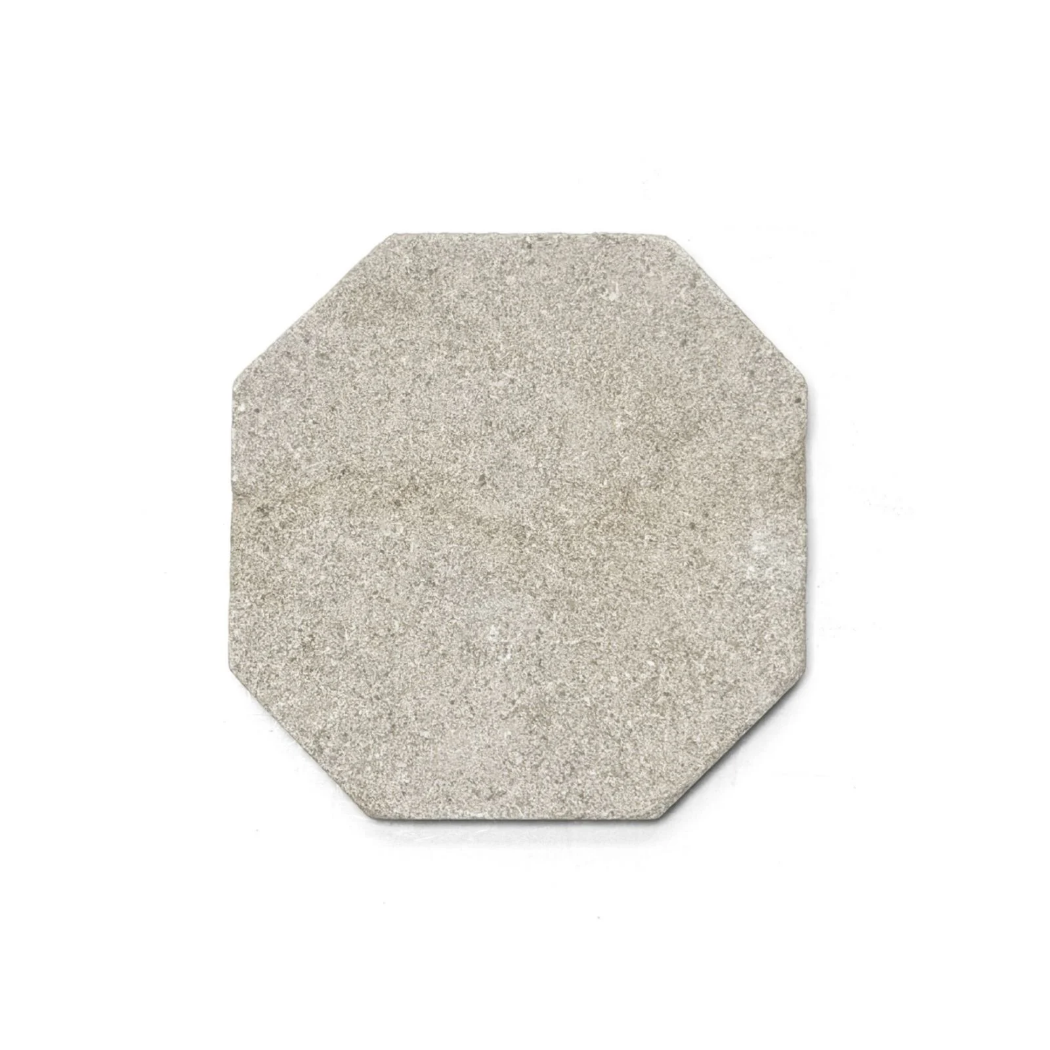
We also debuted fresh Jeff Shelton tile designs and new limestone shapes, giving designers a look at some exciting additions to our collection. Take a look at some of the tiles we brought to the conference, along with a few favorites among the designers we met!
And of course, our trip wouldn’t have been complete without a little sightseeing! We explored different spots in the city, discovered new places, and enjoyed trying some delicious restaurants along the way. We had such a wonderful time in Vegas and are already looking forward to our next adventure!
Thank you, IDS, for having us! We loved connecting with the IDS community, meeting talented designers, and sharing what makes Villa Lagoon Tile special. To everyone who stopped by our table, explored our collection, and took the time to learn about our brand, thank you for being a part of the experience! We hope we left you feeling excited to bring new ideas to your future design projects. We look forward to what’s ahead!
Cement tile has never been shy—with rich color and expressive pattern, it can give a room an identity before the furniture even arrives. That personality is part of its appeal, but it also means choosing a pattern deserves more thought than simply picking the first design that catches your eye.
The good news is that bold does not have to mean overwhelming. The best tile choices create visual interest while still feeling connected to the architecture and overall mood of the space. These tips for choosing cement tile patterns that pop can help narrow the options and make that decision feel much more intuitive.
1. Start With the Mood of the Space
Before focusing on individual patterns, think about how the finished room should feel. A pattern with strong geometry may bring a crisp, energetic quality to a space, while a softer motif can create a more relaxed atmosphere.
This approach gives you a useful filter when looking through tile options. Instead of asking whether a pattern is attractive on its own, consider whether it supports the feeling you want the room to have. A beautiful design can still be the wrong design when its personality does not match the setting.
For designers, this also keeps the tile connected to the larger concept. The pattern becomes part of the room’s visual language rather than an isolated decorative choice.
2. Consider Pattern Scale Carefully
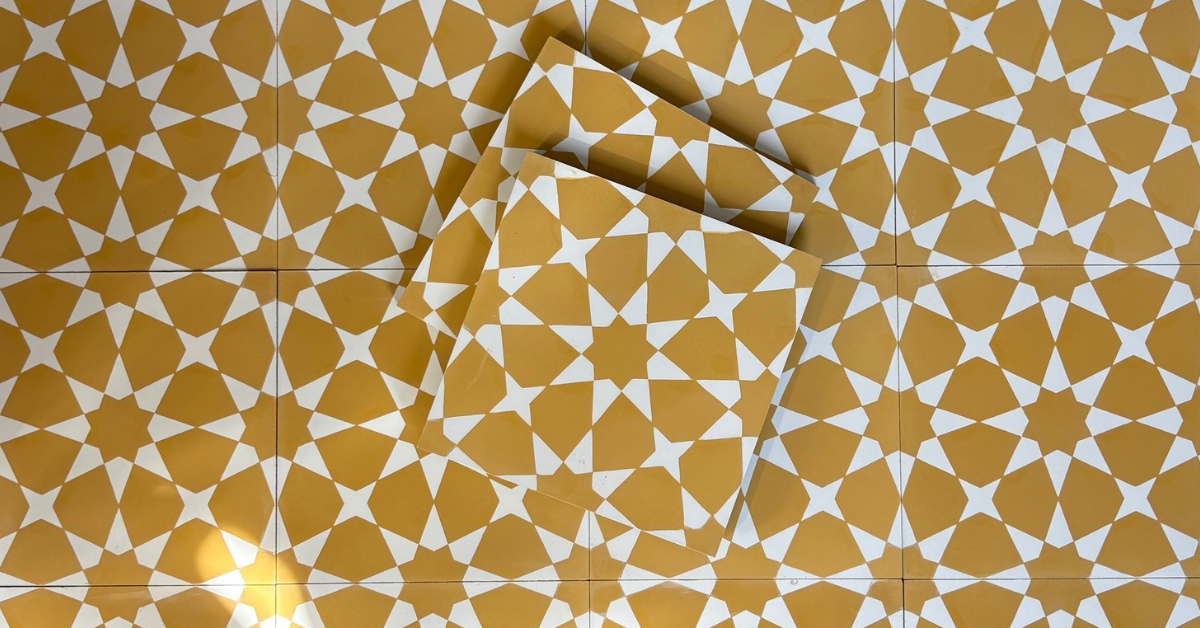
Scale can completely change how a cement tile pattern reads once installed. A motif that looks intricate when viewed as a single tile may form a much broader design when repeated across a floor or wall.
That makes it important to picture the pattern beyond the individual sample. Think about the dimensions of the installation and how much uninterrupted surface will be available for the design to develop. A large repeating motif needs enough room to reveal its rhythm, while a more compact pattern can create energy within a smaller area.
Viewing several tiles together can make this decision easier. It gives you a better sense of the full repeat and helps prevent surprises once the installation covers a much larger surface.
3. Let Color Create the Right Amount of Contrast
Color is one of the easiest ways to give cement tile presence, but contrast determines how strongly that color gets noticed. A pattern with distinct differences between its shades will naturally command more attention than one built around closely related tones.
The right level of contrast depends on the role you want the tile to play. When the surface is meant to become a major visual feature, stronger contrast can give the pattern definition from across the room. A quieter palette can still make an impression when the design itself carries enough movement.
Consider surrounding finishes as part of this decision. The tile does not exist in a vacuum, so its colors should feel intentional alongside the materials already shaping the room.
4. Look at the Pattern From Across the Room
Cement tile is often chosen up close, but that is not how people will always experience it. Floors are viewed from doorways, and feature walls may be seen from the opposite side of a room. Distance can make individual details blend together and reveal a larger pattern that is difficult to see when holding one tile.
This is especially important with encaustic cement tiles, where repeated motifs can produce a striking overall composition. The effect of the full installation may be very different from the impression created by a single piece.
Whenever possible, consider the design at something closer to room scale. That broader perspective can show whether the pattern has the visual impact you want without feeling disconnected from the rest of the space.
5. Give Bold Tile Some Breathing Room
A statement pattern becomes easier to appreciate when it has enough visual space around it. If every nearby finish is competing for attention, even a beautiful cement tile design can get lost in the noise.
That does not mean the rest of the room needs to become plain. It simply means surrounding choices should allow the tile to have a clear role. When another major surface is already visually active, consider how the two elements will relate rather than treating them as separate decisions.
Breathing room can also make intricate tile feel more sophisticated. The eye has somewhere to rest before returning to the pattern, which lets its details stand out without making the room feel overly busy.
6. Use Architecture to Guide Pattern Placement
The shape of a room can help determine where a patterned surface will have the greatest impact. Architectural boundaries often provide natural places for tile to begin or end, making the installation feel integrated rather than added as an afterthought.
Consider sightlines when making this choice. A tile pattern placed where it is visible upon entering can establish the character of a space immediately. In other situations, allowing the pattern to reveal itself gradually may create a more subtle sense of drama.
This is where design context matters as much as the pattern itself. The same tile can feel completely different depending on where it appears and how the architecture frames it.
7. Think Beyond Trends
Trends can be useful sources of inspiration, but cement tile has enough personality to deserve a longer view. A pattern that feels exciting today should still make sense with the overall design direction after the latest look has moved on.
One way to approach this is to focus on what genuinely suits the project. If a strong geometric design complements the architecture, its appeal does not have to depend on whether geometry happens to be having a moment. The same idea applies to color: a distinctive palette can feel enduring when it belongs naturally in the room.
Choosing for the space rather than for a trend can also make bold tile easier to live with. The pattern feels purposeful because it has a reason to be there.
Make the Pattern Part of the Bigger Picture
Choosing bold cement tile is ultimately about balance. Pattern should have enough personality to make an impression while still feeling at home within the architecture and broader design concept. When scale and placement are considered in context, an expressive surface can feel intentional rather than overpowering.
These ideas for selecting standout cement tile patterns offer a framework, but the strongest choice will always respond to the individual project. The goal is not simply to find the loudest tile in the room. It is to find the pattern that gives the space exactly the kind of character it needs.
A backyard can be beautifully furnished and thoughtfully landscaped yet still feel like it is missing something. Often, the missing piece is architectural character. Adding an element with shape, texture, and dimension can give the space a stronger identity without requiring the entire outdoor design to change.
There are rooms that look perfectly nice, and then there are rooms you remember. Often, the difference comes down to a surface that catches your eye and gives the entire design a sense of personality. Handmade tile has a natural ability to play that role because it offers something that highly uniform materials simply cannot reproduce.
Understanding how handmade tiles create that “wow” factor starts with recognizing the value of variation. Slight shifts in color, surface, or shape give a tiled area a sense of movement that feels natural rather than manufactured. Those small differences can turn even a relatively simple installation into a memorable design feature.
Imperfection Gives a Space Personality
Uniformity has its place in design, but perfection is not always the most interesting choice. Handmade tile celebrates the subtle irregularities that come from a material being shaped and finished by human hands. Instead of every piece disappearing into an identical field, individual tiles contribute their own character to the larger composition.
This variation can make a surface feel more alive. Light may land differently from one tile to the next, while slight tonal changes keep the eye moving across the installation. The result has depth without requiring an overly complicated design.
That quality can be especially useful when a room needs a focal point that feels integrated rather than added as an afterthought. A handmade tiled surface can attract attention while still working naturally with the architecture and furnishings around it.
Color Feels More Expressive
Color is one of the fastest ways to change the mood of an interior, and handmade tile gives designers plenty of room to make it count. A bold hue can energize a space, while a quieter shade can become interesting through subtle variations across the tiled surface.
Even when the overall palette is restrained, handmade character keeps color from feeling flat. Variations in tone allow the surface to shift as lighting changes throughout the day. Instead of relying on dramatic contrast alone, the tile creates interest through nuance.
This makes handmade tile equally compelling when a project calls for something expressive or understated. The impact comes from how the material carries color, not simply from how bright or unusual that color happens to be.
Pattern Becomes Part of the Architecture
Patterned surfaces naturally command attention, but handmade tile can make pattern feel especially connected to a room. Rather than appearing like decoration placed on top of the design, tile can help define the visual rhythm of a wall or floor.
A geometric motif can guide the eye through a large commercial space, while a more organic pattern can soften the feel of a residential interior. Scale also changes the effect. An expansive pattern may read almost like an architectural feature from across the room, while smaller details reward a closer look.
This is where a Moroccan mosaic tile can bring another level of visual richness to a project. Its handcrafted quality allows the pattern itself to feel dimensional, giving designers a way to introduce ornament without making the space feel overly polished or predictable.
Texture Makes the Design More Dynamic
Texture is easy to underestimate when looking at a tile sample, yet it can have a major effect once the material covers a larger surface. Handmade tile often interacts with light in ways that make the installation look different depending on the viewing angle.
That effect gives the room another layer of visual interest without requiring additional decoration. A wall can become more noticeable simply because its surface responds to daylight or interior lighting. As someone moves through the space, the material may reveal details that were not obvious from another position.
This quality is particularly effective when designers want a feature surface to feel substantial. Texture gives the tile presence, helping the installation become an intentional part of the room rather than a passive backdrop.
Handmade Tile Can Create a Strong Focal Point
Not every surface in a room needs to compete for attention. In many successful interiors, one carefully considered feature gives the eye a place to land while the rest of the design supports it.
Handmade tile is well suited to this role because it can create impact through material character rather than sheer scale. A relatively contained tiled area can still become the element people notice first. Its variation invites a second look, which helps the feature feel special without depending on excess.
For designers, that opens the door to thoughtful restraint. The “wow” factor does not have to mean covering every available surface with pattern or saturated color. Sometimes, the strongest statement comes from giving one distinctive material enough room to shine.
It Helps Commercial Spaces Feel Memorable
Hospitality interiors often need to make an impression quickly. Guests may form an opinion about a restaurant or hotel shortly after entering, so materials that create a clear sense of place can carry significant visual weight.
Handmade tile can contribute to that identity without making a space feel forced. Because the material naturally contains variation, even a repeated pattern retains a sense of individuality across a larger installation. That character can help an interior feel considered rather than generic.
The same idea works in residential projects, where the goal may be less about immediate impact and more about creating a home with personality. In either setting, handmade tile gives designers an opportunity to create surfaces that feel specific to the project.
Creating a Moment People Remember
A memorable interior does not need to rely on spectacle. Materials can create impact in quieter ways, particularly when they introduce character that feels authentic to the space.
That is ultimately why handcrafted tiles bring a memorable “wow” factor to interiors. Their appeal comes from variation that makes a surface feel alive and from the visible personality that emerges across an installation. Rather than blending anonymously into the background, handmade tile has the ability to become part of what defines a room.
For interior designers working on residential or commercial spaces, that character creates possibilities well beyond simple surface coverage. Handmade tile can establish a focal point, shape the atmosphere of a room, and give an interior an identity people remember long after they have left it.
Color can completely change the way tile behaves in a room. A soft shade may let an intricate pattern settle quietly into the background, while a stronger color can turn the same surface into an immediate focal point. When several colors enter the picture, though, finding the right balance becomes a little more complicated.
Fortunately, mixing colors does not have to feel like a guessing game. The dos and don’ts of Tile color mixing come down to understanding how different shades relate to one another and how they respond to the rest of the room. With a thoughtful approach, designers can create combinations that feel expressive without making a space feel visually unsettled.
Do Start With the Mood of the Space
Before comparing individual tile colors, think about how the finished room should feel. Color has a powerful effect on atmosphere, so the desired mood can provide a useful starting point before a particular pattern or palette takes over the decision-making process.
A calm interior may call for colors that sit comfortably beside one another, creating gentle transitions across the tiled surface. A livelier space can support stronger contrast, especially when the tile is meant to establish a memorable visual identity. Starting with the atmosphere keeps color decisions connected to the larger design rather than treating tile as an isolated element.
This approach is particularly useful in commercial interiors, where the mood of a space often supports the overall guest experience. Tile color can help reinforce that feeling from the moment someone enters the room.
Don’t Choose Colors in Isolation
A tile may look perfect on its own but feel completely different once it enters a finished interior. Wall color, furnishings, surrounding materials, and available light all influence how the eye perceives a shade.
For that reason, a successful tile palette should relate to the broader room. A color that appears understated against a neutral sample board might become much more noticeable beside another finish. The opposite can happen as well, with a seemingly bold tile becoming quieter once it is surrounded by equally expressive design elements.
Considering the complete environment helps prevent the tile from feeling disconnected. It also makes it easier to create a room in which each surface feels like part of the same design conversation.
Do Give One Color a Leading Role
Not every color needs equal visual weight. In many successful tile combinations, one shade establishes the overall direction while another plays a supporting role.
Giving one color greater presence can make a complicated pattern easier for the eye to process. The dominant shade creates continuity across the surface, while supporting colors introduce variation without competing for attention. This can be especially helpful with patterned cement tiles, where color and geometry already work together to create movement.
The leading color can also provide a bridge to the rest of the interior. When it echoes an important finish elsewhere in the room, the tile feels integrated rather than simply added for decoration.
Don’t Assume More Color Means More Personality
It can be tempting to keep adding shades when the goal is an expressive interior. Yet personality does not depend on how many colors appear in a tile layout.
A carefully considered relationship between a smaller number of shades can have more impact than a palette in which every color demands attention. Contrast itself creates visual interest, while subtle changes in tone can bring depth without making the surface feel overly busy.
Restraint can be particularly effective when the tile pattern already carries a strong sense of movement. Allowing the pattern to provide some of the visual energy gives the color palette room to feel intentional.
Do Pay Attention to Undertones
Two colors may seem compatible at first glance and still feel slightly off when they appear next to each other. Undertones are often the reason.
Warm and cool qualities can influence how colors interact even when the difference is subtle. A shade with a warmer character may feel noticeably different beside one that leans cooler, particularly across a large tiled area. Neither choice is inherently wrong, but understanding that relationship makes it easier to predict the final effect.
Undertones matter beyond the tile itself, too. Nearby finishes can emphasize qualities in a tile color that were less obvious when viewing the sample independently. Looking at colors in context helps reveal those relationships before they become a major part of the finished design.
Don’t Forget About Lighting
Light can transform tile throughout the day. Natural daylight may bring out nuances that disappear under artificial illumination, while evening lighting can make the same color feel warmer or more subdued.
The direction and amount of natural light matter as well. A tile installed in a bright, open hospitality setting can read differently from the same color used in a more intimate interior. Because tile occupies a physical surface rather than a digital screen, its relationship with real-world lighting deserves careful consideration.
Designers can use this changeability to their advantage. Instead of expecting a color to remain visually identical at every hour, consider how its shifting character contributes to the atmosphere of the room.
Do Let Contrast Create Definition
Contrast can make a tile design easier to read. When neighboring colors are distinct enough from one another, the pattern becomes clearer and the surface gains a stronger graphic presence.
That does not mean every project needs dramatic differences between shades. Contrast can be subtle, particularly when the goal is a softer or more restrained interior. The important point is that each color has a purpose within the composition.
Stronger contrast tends to attract attention quickly, which can work beautifully when tile is intended as a focal feature. Lower contrast allows the pattern to reveal itself more gradually, giving the room a quieter visual rhythm.
Finding a Tile Palette That Feels Natural
The most effective color combinations rarely feel accidental. They balance personality with enough visual continuity to keep the room comfortable and cohesive.
That is ultimately what makes mixing tile colors easier with a thoughtful approach to what works and what doesn’t. Begin with the character of the space, consider how colors interact in their actual environment, and allow the tile to become part of the broader design rather than asking it to carry the entire room.
When those relationships are considered from the beginning, color becomes less intimidating and much more enjoyable. The result can feel playful or understated depending on the project, but the underlying principle remains the same: every color should have a reason for being there.
Hospitality design has a special challenge: a space needs to look memorable enough to make an impression while still feeling comfortable for the people who spend time there. Materials play a major role in creating that balance, especially when they bring more personality than a standard surface treatment.
That is where using encaustic tiles in hospitality design becomes especially interesting. Their patterns and handcrafted appearance can turn an ordinary surface into part of the experience, giving designers another way to establish a distinct sense of place. Rather than fading quietly into the background, tile can become a defining part of the room.
Make the First Impression Count
The entrance of a hotel or restaurant sets expectations before a guest has much time to think about the design. Flooring can contribute to that first impression because it occupies so much visual space and naturally leads people through an interior.
Encaustic tile gives designers an opportunity to make that surface more expressive. A strong pattern can establish the personality of the property from the moment someone walks through the door, while a quieter design can add depth without demanding immediate attention.
The effect does not need to feel formal or overly coordinated. In many hospitality settings, a little visual variation makes an interior feel more collected and less like it came straight from a catalog.
Give Restaurants a Stronger Visual Identity
Restaurant interiors often have to communicate a concept almost as quickly as the menu does. Tile can help create that identity because pattern influences how a space feels without requiring extra decoration.
A restaurant with a lively atmosphere might use a bold floor pattern to give the dining room more movement. A more intimate setting could take a quieter approach, allowing subtle geometry or a restrained palette to support the mood rather than dominate it.
This approach also gives designers room to think beyond the dining area itself. A carefully chosen tile treatment can create visual continuity as guests move through the restaurant, helping the entire interior feel connected without making every area look identical.
Create Hotel Spaces Guests Remember
Hotels contain many transitional areas that can easily become visually forgettable. Corridors, reception areas, and other shared spaces need enough character to feel intentional even when their primary purpose is functional.
Encaustic tile can bring personality to these areas through pattern and color. Instead of treating transitional spaces as something guests simply pass through, designers can use the surface itself to make the journey through the property feel more considered.
This can be particularly effective in boutique hotels, where the design often plays a major role in the overall guest experience. A memorable tile pattern can become one of those details that guests associate with the property long after their stay ends.
Bring Character to Bars and Lounges
Bars and lounges invite a different type of design expression. These spaces often feel most successful when they have a strong atmosphere, and patterned tile can contribute to that mood without relying entirely on furnishings or decorative objects.
A tiled bar front, for example, can transform a functional structure into a focal point. Pattern can also create contrast against surrounding materials, allowing the tile to stand out while still feeling connected to the broader design.
For designers considering encaustic concrete tiles, the handcrafted quality can be especially appealing in hospitality environments that are meant to feel distinctive rather than uniform. Slight visual character within the surface can contribute to an interior that feels layered and thoughtfully composed.
Use Pattern to Define Different Areas
Large hospitality interiors often contain spaces with different purposes, even when there are few physical barriers between them. Flooring provides a subtle way to signal those transitions.
A change in tile pattern can visually distinguish a reception zone from an adjacent seating area without requiring a wall between them. The transition can feel deliberate while maintaining the openness of the overall floor plan.
Pattern can also help direct attention toward important architectural features. When the tile placement responds to the layout of the room, the floor becomes part of the way guests understand and move through the space.
Find the Right Scale for the Room
Pattern scale has a major influence on how encaustic tile reads within a hospitality interior. A design that looks restrained in a small sample can become much more dramatic once it extends across a large floor.
Designers can use that shift to their advantage. Larger patterns may give expansive spaces a confident visual rhythm, while more compact designs can create texture that becomes noticeable as guests move closer.
The surrounding architecture matters as well. Tile does not exist in isolation, so its scale should feel comfortable alongside the proportions and visual weight already present in the room.
Let Color Support the Atmosphere
Color is one of the most immediate ways tile affects a hospitality setting. Rather than choosing a palette simply because it looks appealing on its own, designers can consider how it supports the intended atmosphere of the property.
A resort might call for colors that feel connected to its setting, while an urban restaurant could use stronger contrast to reinforce a more energetic interior. The tile can either take a leading role or provide a quieter foundation for the rest of the design.
This flexibility is useful when the goal is to create a recognizable identity without making the space feel overly themed. Thoughtful color choices can give a property personality while leaving enough room for other design elements to evolve over time.
Look Beyond the Floor
Although floors are an obvious place for encaustic tile, hospitality interiors offer other opportunities to use pattern. Vertical surfaces can introduce tile at eye level, where guests are more likely to notice its detail.
A feature wall can provide a strong backdrop without requiring additional ornamentation. Tile can also add interest to architectural surfaces that might otherwise receive a simple finish, making them feel like intentional parts of the design.
Using tile this way can be especially helpful when a designer wants a concentrated moment of pattern rather than a room-wide installation. The material becomes a focal feature instead of the dominant visual language throughout the space.
Turn Tile Into Part of the Guest Experience
Great hospitality interiors are remembered for how they feel as much as how they look. Materials contribute to that impression because guests encounter them throughout their visit, often without consciously analyzing every design choice.
This is why bringing encaustic tile into hospitality spaces can have an impact beyond decoration alone. Pattern can establish identity, strengthen the atmosphere, and make everyday architectural surfaces feel like deliberate parts of the experience.
For hotels, restaurants, resorts, and other hospitality properties, that sense of character matters. Encaustic tile gives designers a way to create spaces that feel considered and individual, allowing the surfaces themselves to contribute to what guests remember.
A kitchen should never be boring. It’s the heart of the home, where people gather, meals are shared, and countless memories are made. That’s why every detail matters, from the cabinets to the countertops—and, yes, especially the flooring or backsplash. If you’re looking to bring a burst of personality and style into your space, patterned cement tiles might be just the thing your kitchen needs.
These tiles are a feast for the eyes, blending artistry and practicality in one beautiful package. Whether you’re drawn to bold geometric prints, floral-inspired patterns, or something subtle and understated, cement tiles offer a world of options to reflect your unique style. Plus, their durability and ease of maintenance make them ideal for a space that sees daily action.
Ahead, we’ll explore creative ways to incorporate cement tiles into your kitchen design. From statement backsplashes to eye-catching floors, get ready to discover ideas that will transform your kitchen into a true showstopper.
Make a Splash with a Striking Backsplash
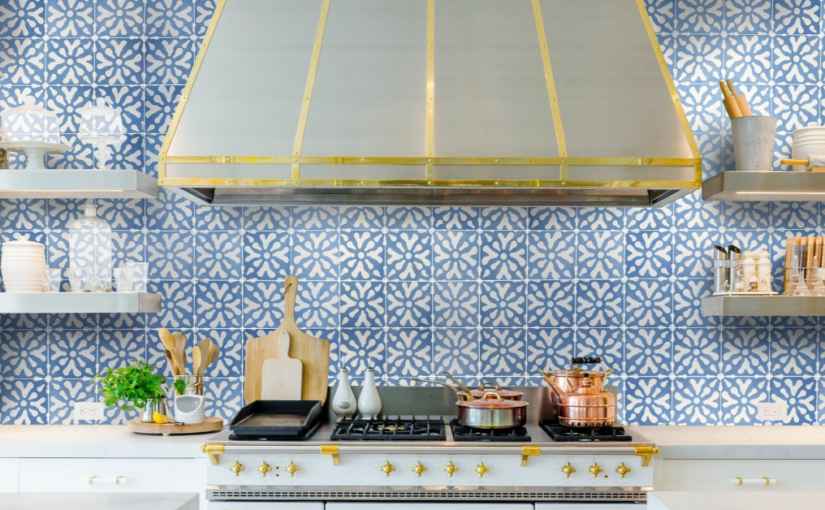
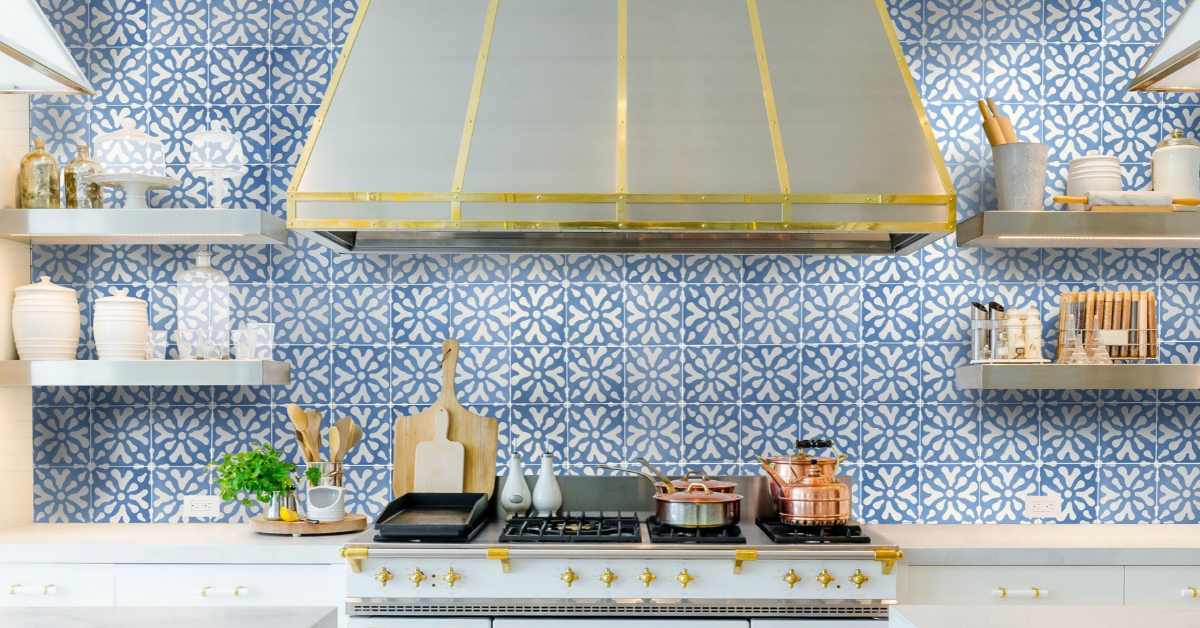
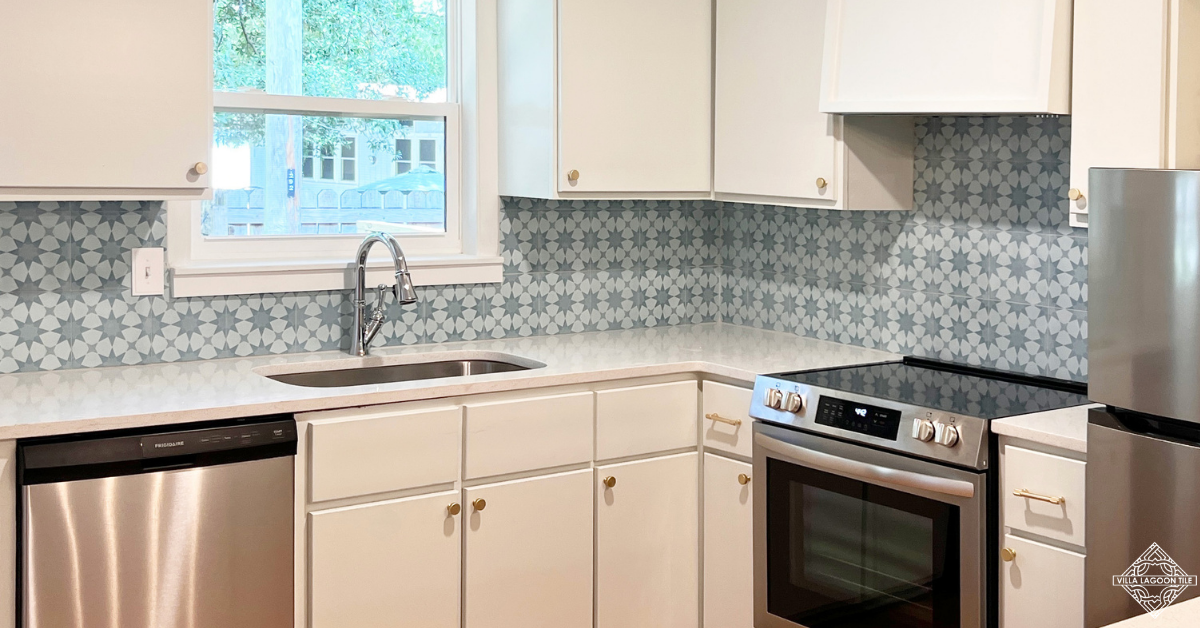
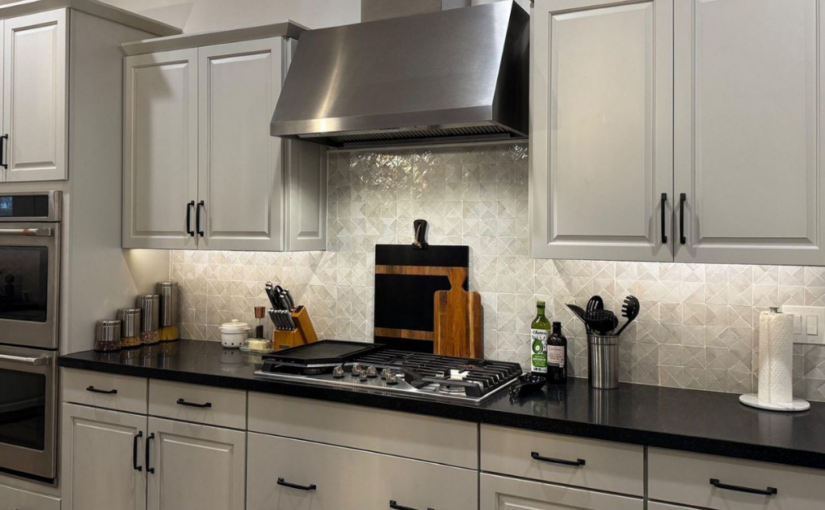
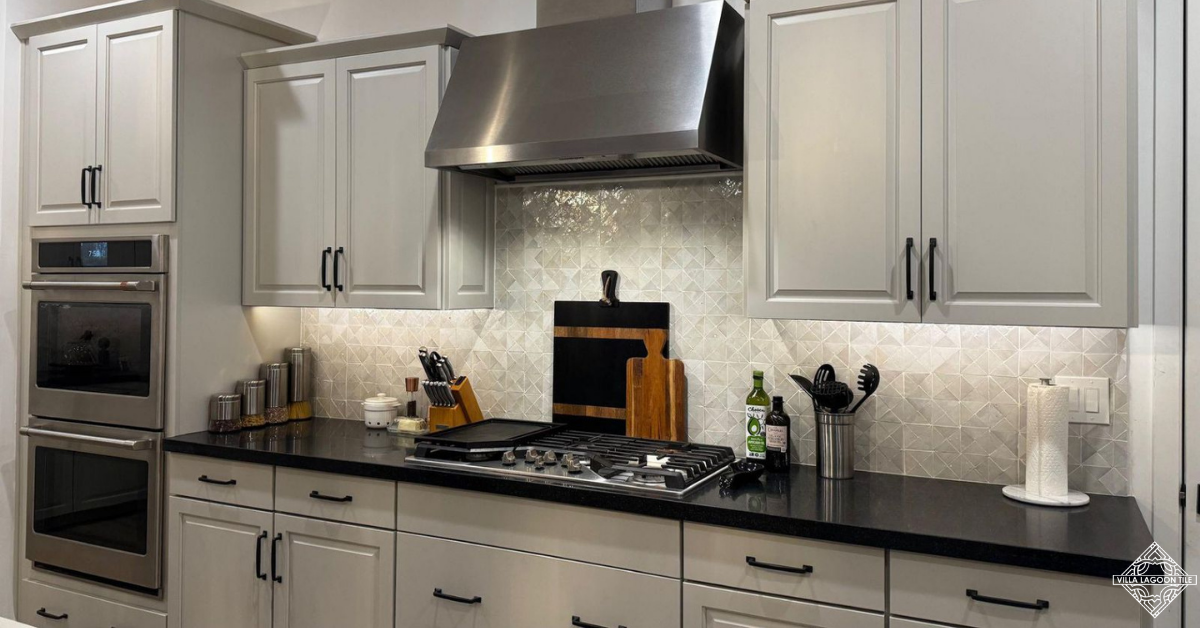
Your backsplash is one of the most eye-catching elements in a kitchen, so why not make it a standout? Patterned cement tiles in this area can add immediate character and charm. Consider bold Moroccan-inspired motifs for a global touch or geometric patterns for a sleek, modern edge.
Because of the vertical placement, this is a great spot to experiment with contrasts. Use vibrant colors to pop against neutral cabinets, or opt for a monochromatic palette that adds texture without overwhelming the space. Cement tiles are also highly durable, making them perfect for catching spills and splashes behind the stove.
Ground Your Space with Patterned Floors
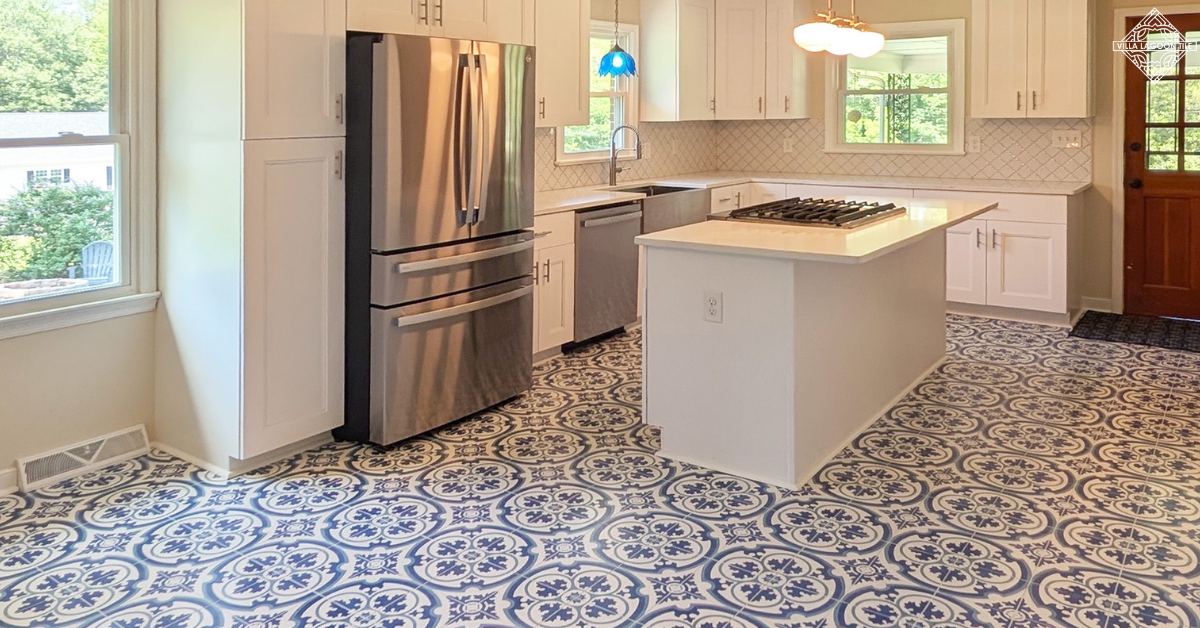
If you’re ready to take matters to the floor, cement tiles can completely transform your kitchen’s foundation. Think of your floor as a blank canvas. For open kitchens, a bold tile design—like intricate arabesque or chevron patterns—becomes the statement piece that ties everything together. Cement tiles hold up beautifully to heavy foot traffic and everyday spills, so you’ll get both style and practicality.
For smaller kitchen spaces, go for softer patterns like herringbone or tonal florals to keep the room from feeling crowded. You can even use the floor as an opportunity to create a visual boundary, defining your kitchen area in an open-concept living space.
Turn Your Island into a Showpiece
Your kitchen island is often the hub of food prep—or maybe even where you sip coffee and catch up with family. Wrapping the base of your island with modern cement tiles is a genius way to spotlight this central piece of furniture. Picture a vibrant blue-and-white Mediterranean pattern adding contrast to sleek white countertops or a muted, earthy design complementing natural wood cabinets.
This approach works particularly well if your kitchen has an open layout, as it draws attention to the island from every angle. It’s also a smart alternative to painting your island or adding decorative panels since the durability of cement tiles means they can handle daily kicks and scuffs without showing wear.
Revitalize Open Shelving with a Tiled Backdrop
Who says tiles are only for floors and walls? Use cement tiles as a patterned backdrop for open shelving to create a visually stunning display. These tiles can act as a bold contrast to simpler dishware or serve as an extension of your personal style.
Alternatively, lean into high-energy designs like graphic black-and-white prints to make your kitchen accessories pop. What’s great about this idea is how it combines form and function—your everyday staples look like they’re in a curated art gallery. This approach works especially well in smaller kitchens, providing texture and breaking up plain walls without making the space feel cluttered.
Highlight a Cozy Breakfast Nook
If your kitchen includes a breakfast nook, patterned cement tiles can take it from ordinary to unforgettable. Use them on the wall behind the bench seating to create a cozy café vibe. Think intricate Mediterranean-inspired patterns for a touch of old-world charm or soft pastel geometrics for a more playful, whimsical feel.
If the bench is built in, you could also extend the tiles to the nook’s front-facing base to establish a cohesive, polished look. Pair the design with comfy cushions and warm lighting, and you’ve got a breakfast spot so inviting you might find yourself lingering over coffee just a little longer.
Frame Your Stove with a Tile “Rug” Design
A patterned tile “rug” around your cooking area creates a creative focal point while serving a practical purpose. Envision a rectangular section of bold, colorful cement tiles surrounding your stove, bordered by subtler floor tiles. This design breaks up large surfaces and gives your kitchen a custom-crafted look.
You can opt for intricate designs like ornate floral patterns to add sophistication or go minimal with clean, sharp geometric designs. Not only does this create a visually designated cooking zone, but it protects the area from spills and stains. For those who love blending functionality with visual flair, a tile rug is both a design element and a hardworking layer in your kitchen.
Add Drama to Your Vent Hood with Tiled Accents
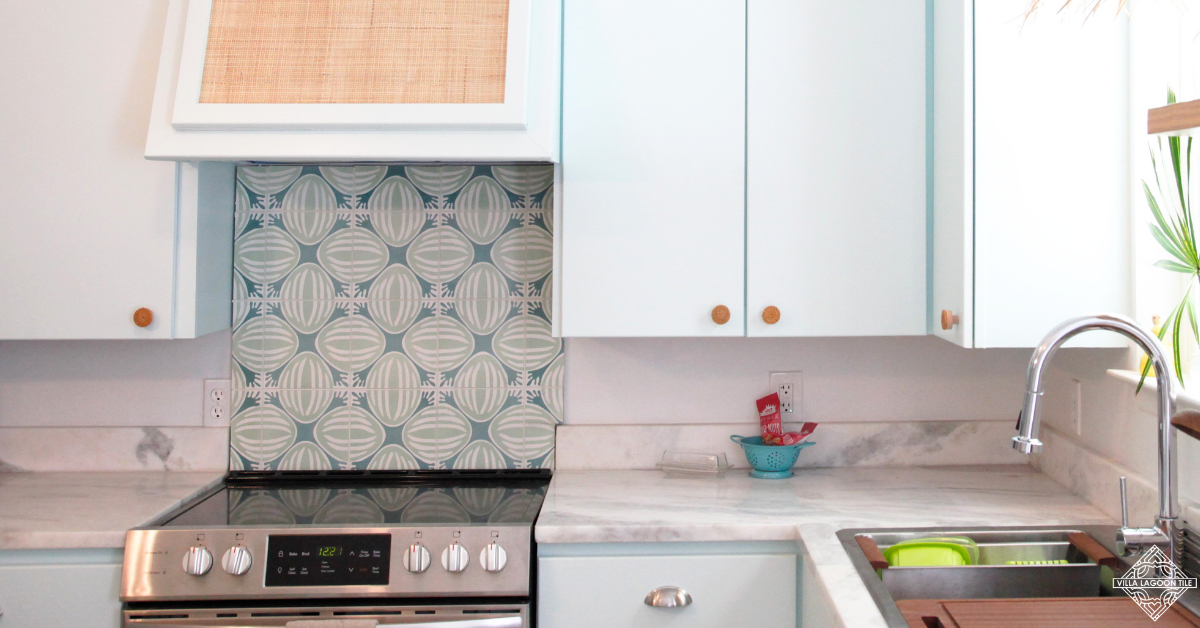
Adding cement tiles to the face of your vent hood turns it into a statement piece. Whether you choose bold, intricate prints or soft, subtle patterns, this simple touch instantly creates a focal point above your cooking range.
Want something timeless? Go for neutral tones like gray or beige, paired with classic designs that stay stylish over the years. Prefer a bold look? Try vivid blues, greens, or reds in striking motifs. Using tiles here also ties your hood design to the rest of your kitchen if you’ve incorporated similar patterns elsewhere like your backsplash or floors.
Define a Dining Area in Open-Concept Kitchens
For kitchens that flow right into dining spaces, patterned cement tiles can act as a beautiful way to designate each area. Use tiles to separate the dining zone visually from the cooking space by covering the floor beneath the dining table. Opt for a pattern that complements your kitchen style but stands out enough to create a distinct visual boundary.
For instance, if your kitchen is minimalist, a more elaborate tile design under the dining area can look striking without clashing. Pairing these tiles with a simple area rug can soften the look and provide added comfort during meals.
Transform Your Kitchen!
Patterned cement tiles infuse your kitchen with character, creativity, and a sense of uniqueness. By choosing tiles that resonate with your style, you’re not just enhancing a room—you’re telling a story. Maybe it’s one of bold colors and daring shapes, or perhaps it’s a tale of understated elegance with delicate patterns.
The beauty of these tiles lies in their ability to bridge form and function. They stand up to spills, scratches, and the messiness of everyday life, all while making your space look effortlessly stunning. Don’t be afraid to have fun with your choices—experiment, mix styles, and create a space that truly feels like your own.
A patio can be perfectly functional and still feel as though something is missing. The furniture may be comfortable and the proportions may work, yet the overall space can lack the visual personality that makes people want to linger. Fortunately, design ideas for patios that need more character can begin with the surfaces themselves, using thoughtful material choices to give the entire outdoor setting a stronger point of view.
Outdoor tile and architectural elements can bring that missing sense of identity into the space. Instead of treating a patio as an empty platform waiting for furniture, designers can approach it as a complete environment where the floor or surrounding walls contribute to the atmosphere. With the right choices, even a relatively simple patio can feel intentional and distinctive.
Let the Patio Floor Lead the Design
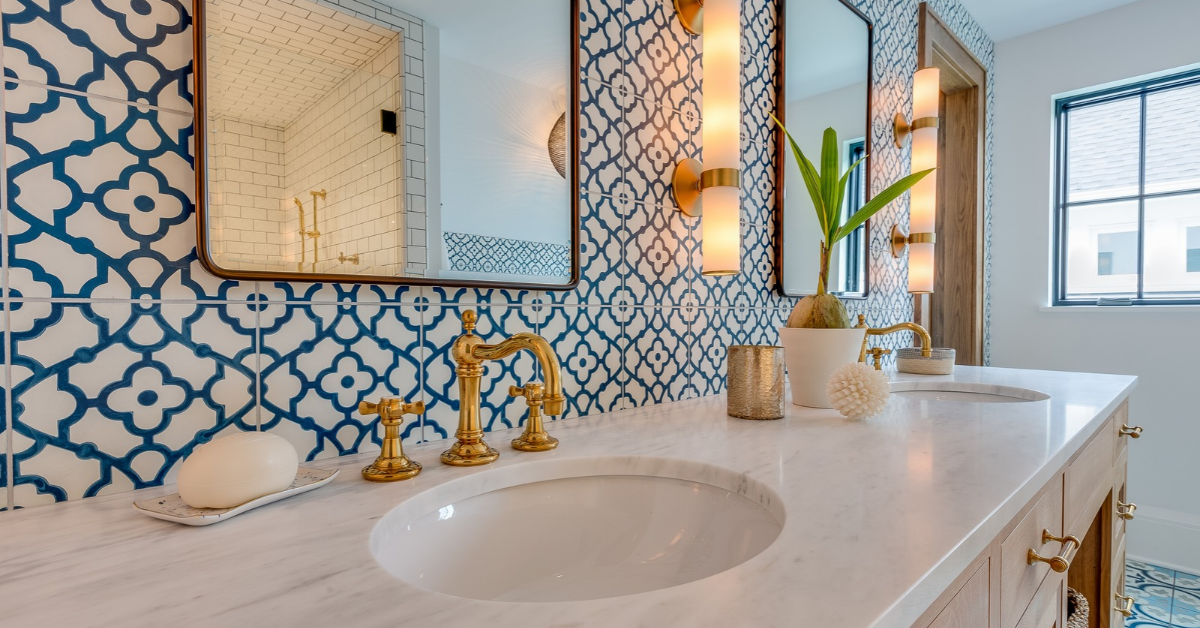
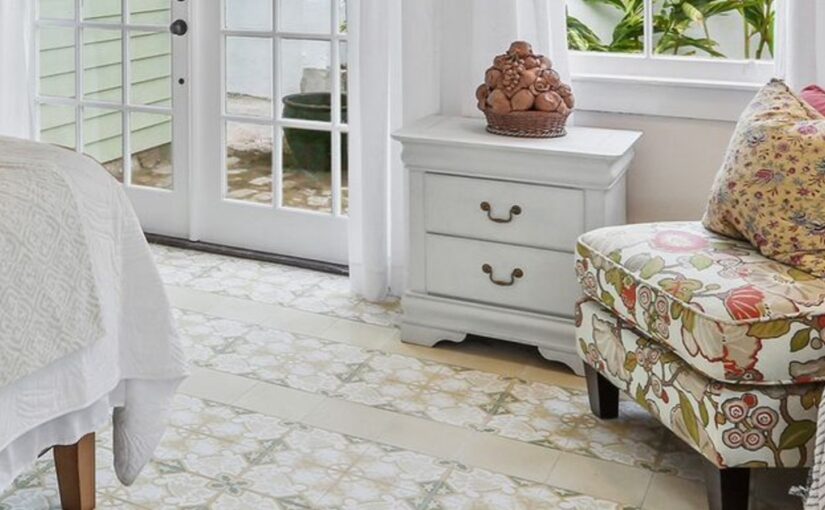
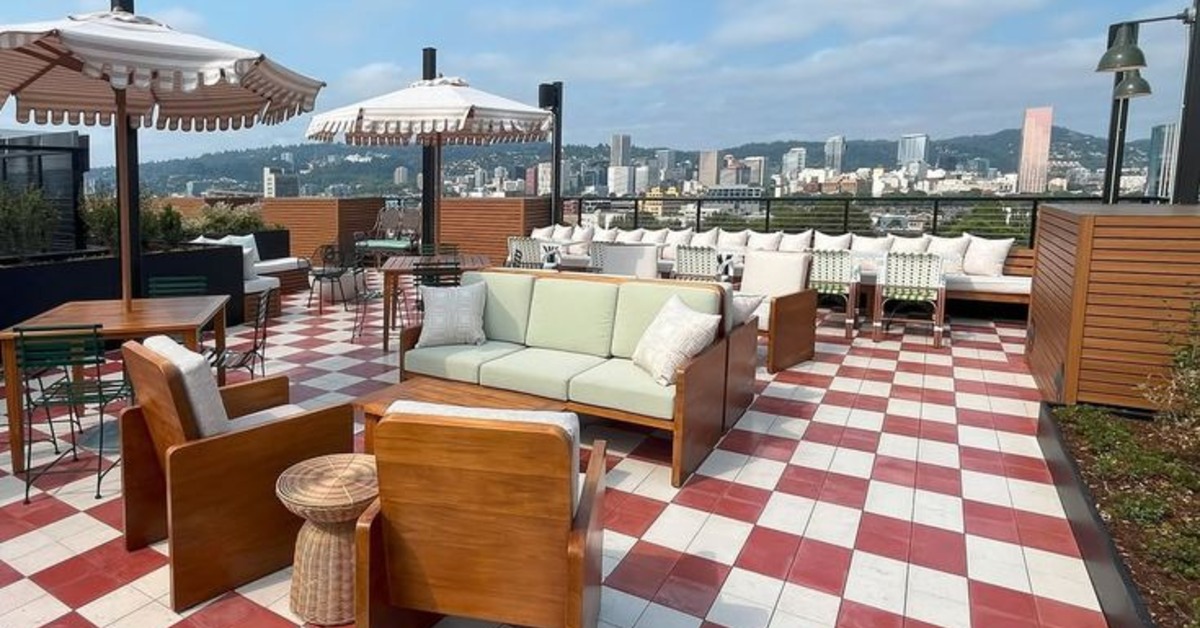
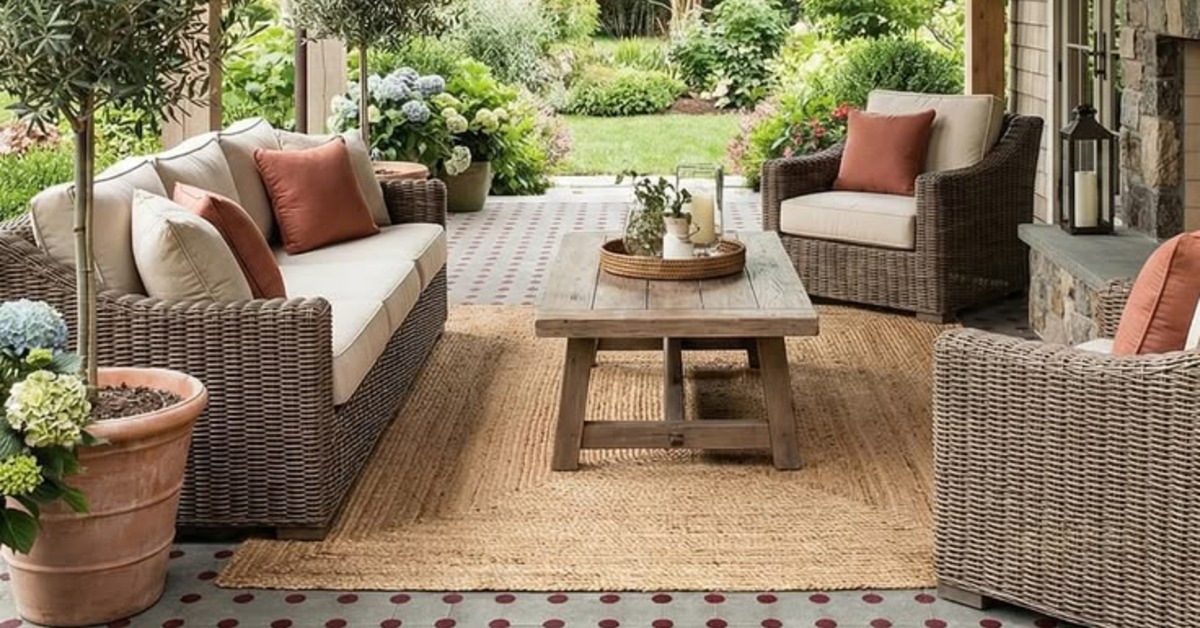
In many outdoor spaces, the floor occupies a significant portion of the view, which gives it considerable influence over the overall design. A plain surface tends to disappear, while a patterned cement tile installation can immediately establish a more memorable mood.
Pattern does not have to overwhelm the patio to make an impact. A design with a comfortable visual rhythm can create movement across the floor while still allowing furnishings to command attention. The goal is to make the patio feel designed from the ground up rather than decorated after the fact.
This approach can be especially effective when the surrounding architecture is restrained. A patio connected to a home with simple exterior walls can handle a more expressive floor because there is less visual competition nearby. The tile becomes part of the architecture while giving the outdoor area an identity of its own.
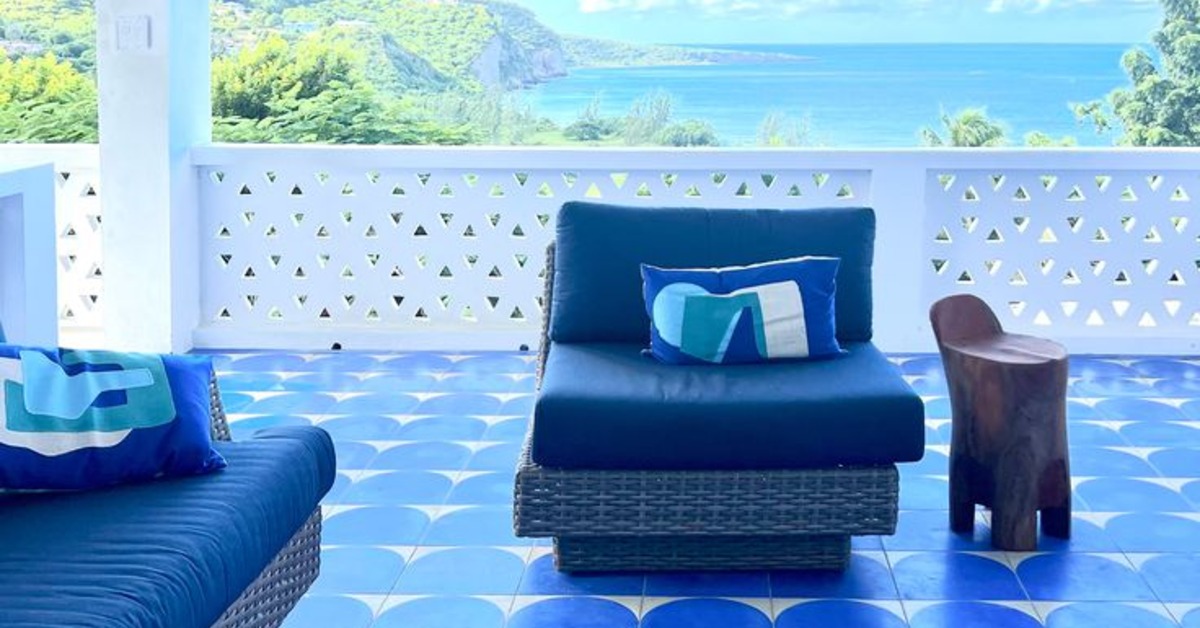
Use Color to Give the Space a Point of View
Outdoor spaces often rely heavily on neutral materials because those choices feel easy and familiar. While there is nothing wrong with a subdued palette, introducing color through tile can keep a patio from looking generic.
The amount of color matters less than how deliberately it is used. A tile design can establish a particular mood without requiring every other element on the patio to follow the same visual direction. This leaves room for the outdoor setting to feel collected rather than overly coordinated.
Color can also create a stronger connection between the patio and the architecture around it. Rather than choosing tile as an isolated decorative feature, designers can consider how its tones respond to the exterior finish of the building. When those relationships feel natural, the patio becomes an extension of the property rather than a separate space attached to it.
Bring Pattern Into a Defined Area
Covering an entire patio with patterned tile can create a dramatic result, but a smaller application can have just as much personality. Defining one section of the floor with decorative tile gives the eye somewhere to land and can make a large patio feel more thoughtfully composed.
A patterned section beneath an outdoor dining area, for example, can function almost like an architectural rug. Unlike a textile, however, tile becomes a permanent part of the surface and gives the area a stronger sense of structure.
This technique can also help establish visual boundaries without relying on physical dividers. The transition in flooring signals that the character of the space has changed while allowing the patio to remain open. It is a subtle design move that can make the overall layout feel much more deliberate.
Create Interest With Breeze Blocks
Character does not always have to come from color or surface pattern. Sometimes it comes from the way light and shadow interact with the architecture.
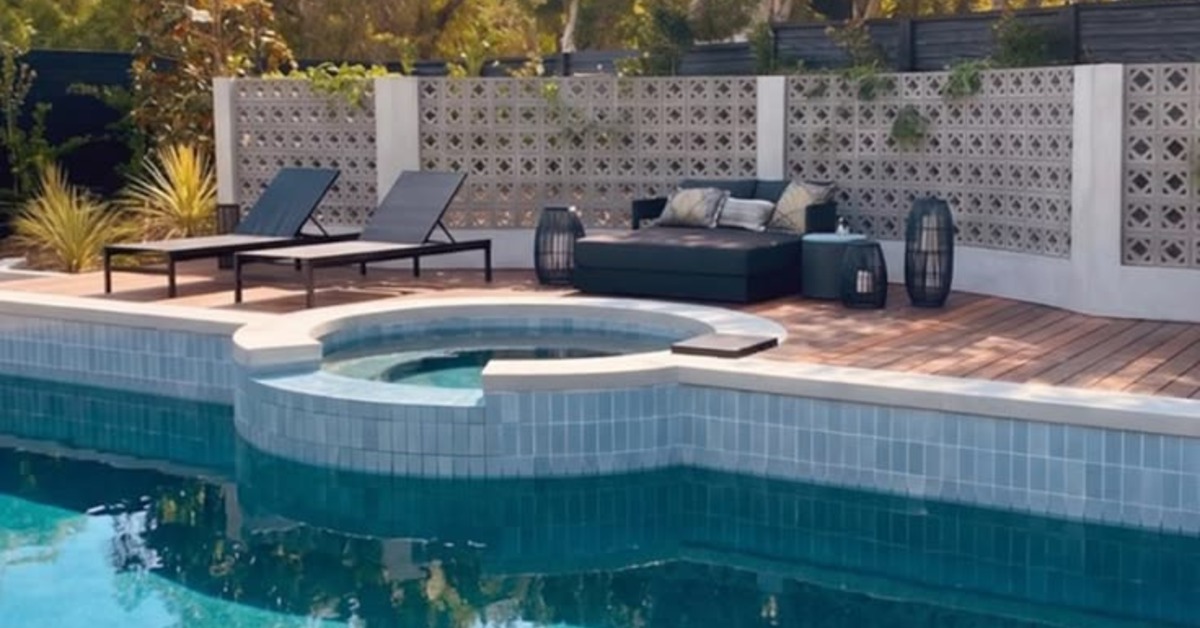
Decorative breeze blocks can introduce visual detail while maintaining the open feeling that makes a patio enjoyable. Their dimensional forms create changing shadows as daylight moves across the space, so the feature can look different throughout the day.
For projects that call for a stronger architectural statement, designer cement blocks can become an integral part of the patio rather than an accessory added afterward. Their patterns give a screen or partition a decorative presence while still feeling connected to the structure of the space.
A breeze block feature can also make an expansive patio feel more intimate without closing it off completely. The openings preserve a sense of airiness, while the patterned surface gives the eye a clear architectural boundary.
Give Neutral Patios More Texture
A patio does not need vivid color to have character. Texture can provide plenty of personality, particularly when the design calls for a quieter palette.
Cement tile naturally brings visual depth because its surface has a material presence that feels different from a perfectly uniform manufactured finish. Even when the colors are understated, the tile can keep a large expanse of flooring from appearing lifeless.
Texture becomes especially noticeable as outdoor light shifts. Subtle variations that seem quiet in softer light can become more pronounced when sunlight moves across the surface. This gives the patio a sense of depth without requiring an elaborate decorative scheme.
Connect Indoor and Outdoor Design
Patios tend to feel most successful when they relate to the spaces immediately inside the home or commercial property. That does not mean the two areas need to match. Instead, there should be enough visual connection that moving from one to the other feels natural.
Tile can help establish that relationship through pattern or general design character. A home with expressive interiors might carry that same spirit outside through a distinctive patio floor, while a more restrained interior could lead into an outdoor space with quieter tile.
This is where giving a character-starved patio a stronger design identity becomes about more than choosing an attractive surface. The patio starts participating in the larger design story, which makes it feel considered rather than secondary.
Make Character Part of the Architecture
The most memorable patios often feel as though their personality was built into them from the beginning. Their character does not come solely from what has been placed on top of the space; it comes from the surfaces and architectural details that define it.
Cement tile can give a patio floor an unmistakable visual presence, while breeze blocks can add dimension around its edges. Either approach shifts the focus from filling an empty patio to shaping an outdoor environment.
For designers, that opens the door to creating patios that feel connected to the wider project while still having their own personality. A once-forgettable outdoor area can become a meaningful part of the design, giving people another reason to step outside and stay awhile.
The kitchen has evolved far beyond being a place where meals are prepared. It has become a gathering space, a design centerpiece, and often the room that sets the tone for the rest of the home. When homeowners and designers want to create a memorable kitchen, the walls present one of the greatest opportunities for adding personality. Elevate your kitchen walls with Moroccan mosaic designs that introduce handcrafted artistry, vibrant texture, and timeless appeal into everyday living.
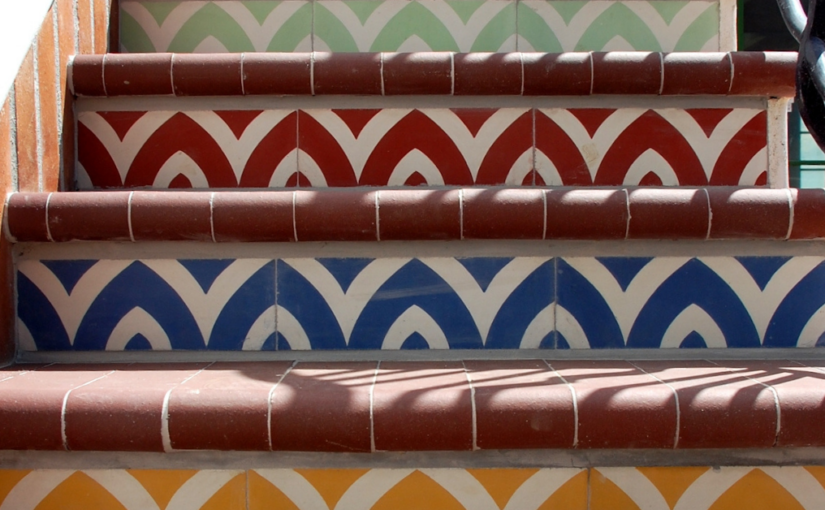
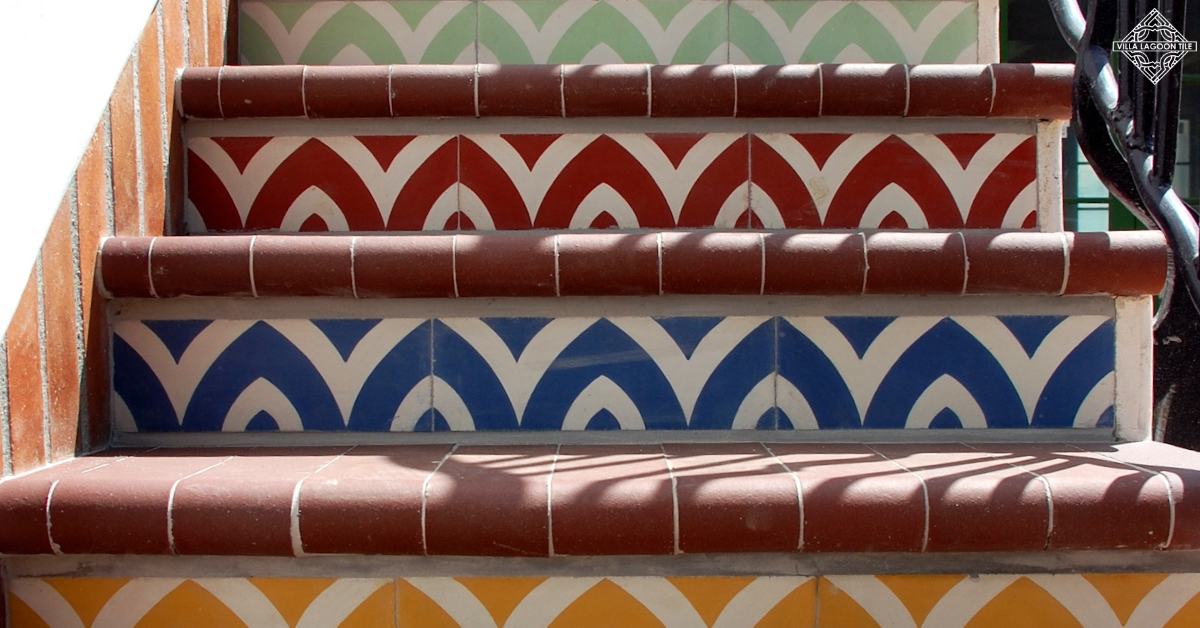
A staircase is often treated as a practical feature, but it has the potential to become one of the most memorable design elements in a home or commercial space. While flooring, walls, and furniture usually receive the most attention, stair risers offer a unique opportunity to introduce pattern, color, and artistry without overwhelming the room. How to style stair risers with decorative tiles is a design approach that transforms an ordinary staircase into a stunning architectural feature while maintaining functionality.