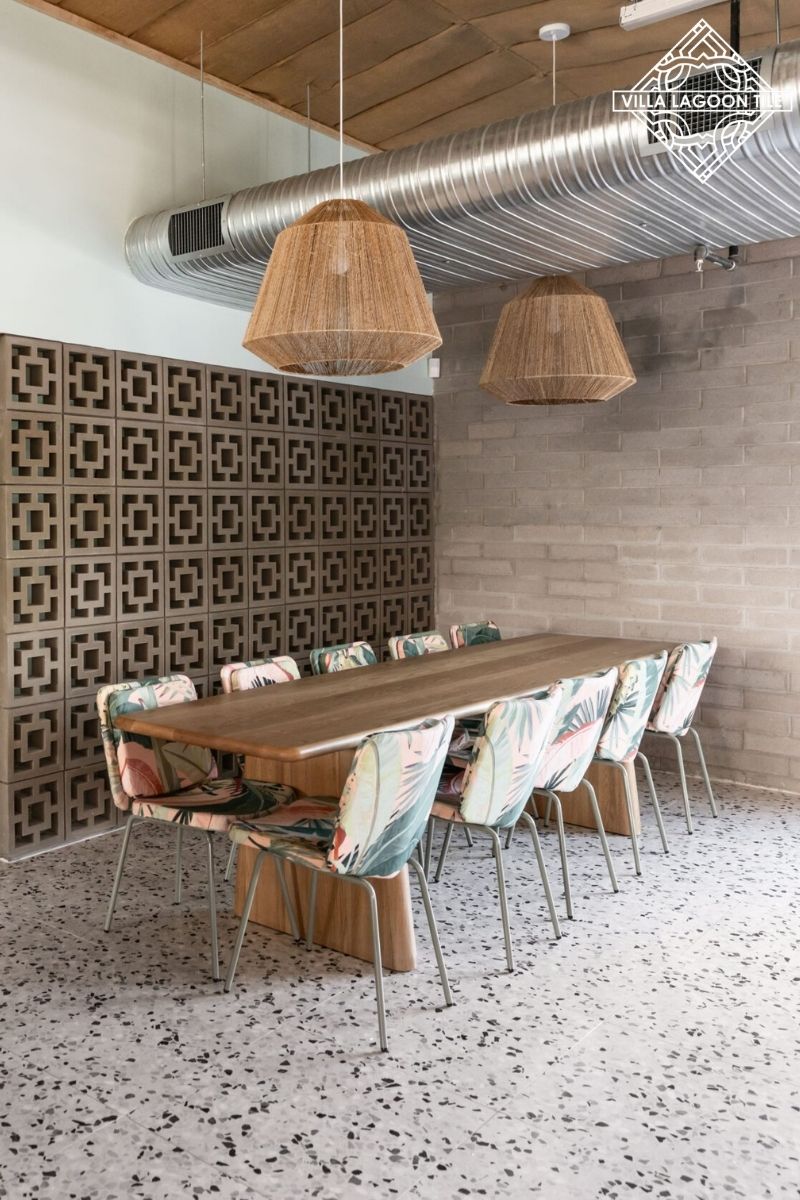
Breeze blocks have a way of grabbing your attention—not just for their retro charm but for the blend of beauty and practicality they bring to modern spaces. Picture a sunlit courtyard where patterned walls of concrete blocks cast playful shadows or a sleek mid-century home where these geometric designs add character to an otherwise minimalist façade.
Originally rising to fame during the mid-20th century, breeze blocks became synonymous with the bold, functional style of post-war architecture. Yet they were far from a fleeting trend! They proved themselves to be highly versatile, durable, and capable of turning blank walls into creative masterpieces. Fast forward to today, and these blocks are experiencing a resurgence like never before, finding their place in some of the most inspired architectural designs of the modern era.

Let’s explore how breeze blocks have evolved over time. We’ll dig into their origins, look at their modern revival, and spotlight some remarkable ways designers are making them a centerpiece of contemporary architecture. Get ready to discover how these seemingly simple blocks have cemented their place as icons of both style and sustainability. Sometimes, the most meaningful designs are built block by block.
Historical Overview of Breeze Blocks
Breeze blocks first emerged in the early 20th century as an innovative solution to practical architectural needs. Their unique design, with distinctive geometric perforations, was tailored to address challenges like ventilation and natural cooling in buildings. Architects discovered that these lightweight concrete blocks could allow air to flow freely while also shading interiors from the harsh sun.
Originally considered functional workhorses, breeze blocks were adopted into architectural designs in countries like Brazil and parts of Southeast Asia. They proved to be ideal for environments where cooling costs were high, offering sustainable options that eliminated the need for heavy mechanical ventilation. Although they were initially utilitarian, their sculptural forms began to turn heads, laying the foundation for their aesthetic appeal.
Mid-Century Popularity
The mid-20th century marked a golden era for breeze blocks, as modernist architects embraced the perfect union of simplicity and style they offered. By the 1950s and 1960s, these blocks became iconic elements of mid-century architecture, particularly in the warm, sunny locales of California and the desert oases of Palm Springs.
Their popularity surged because they didn’t just serve a purpose; they created a look. Designers used them to construct dramatic facades that cast intricate shadows, adding a sense of rhythm and depth to bare walls. Breeze blocks helped shape the sleek, minimalist aesthetic favored by mid-century modern design. Iconic mid-century Palm Springs homes remain glowing examples of how these blocks seamlessly harmonize function and form.
Resurgence in Modern Architecture: Why Are They Coming Back?
Breeze blocks are making an undeniable comeback, and it’s no coincidence. Retro design has become a sought-after aesthetic, with more people gravitating toward the mid-century modern style that prioritizes clean lines and functional elegance. Beyond their nostalgic appeal, these blocks are gaining attention for their environmentally friendly characteristics.
Sustainability is driving modern architecture, and breeze blocks fit right into that narrative. Their open structure allows for passive cooling by promoting airflow through a building, which reduces reliance on energy-guzzling air conditioning systems. Additionally, their ability to provide shade by filtering sunlight aligns perfectly with energy-efficient design principles.
Enhanced Materials and Techniques
Over the decades, advancements in material science have elevated breeze blocks beyond their humble beginnings. Modern manufacturing techniques have led to stronger, lighter, and more versatile blocks that can be customized for various climates and applications.
Today’s cement breeze blocks often feature refined concrete compositions, and some even incorporate recycled materials to enhance their green credentials further. Thanks to these innovations, they are no longer limited to traditional square or rectangular shapes. Architects and designers can now experiment with custom designs and modular configurations, expanding the potential of these blocks in imaginative ways.
Key Design Trends With Breeze Blocks
Decorative and Functional Hybrid
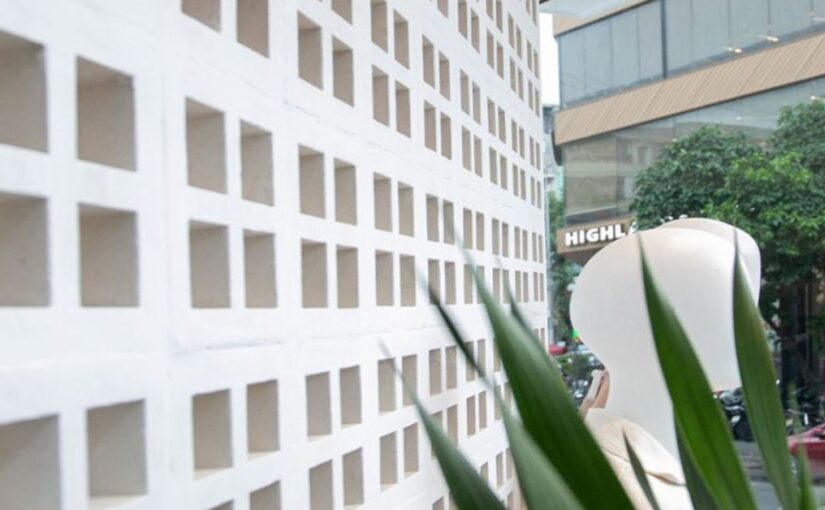
Breeze blocks bridge the gap between beauty and utility. They create striking patterns on walls, filtering light in ways that add a dreamy, textured aesthetic. When sunlight streams through them, it creates dynamic shadow play and gives spaces a sense of movement and intrigue.
These blocks are not just about looks, though. They provide practical benefits like privacy without completely closing off spaces. This balance between function and form has made them ubiquitous in modern projects that aim to make every design element multitask.
Use in Indoor and Outdoor Spaces
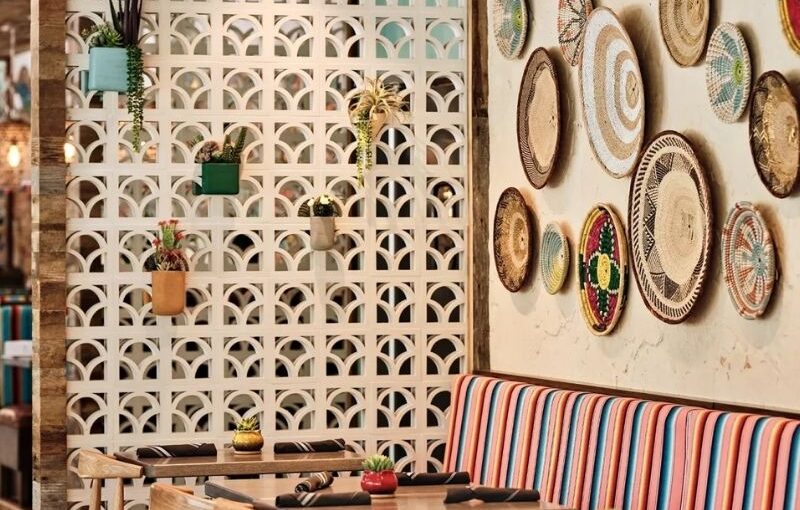
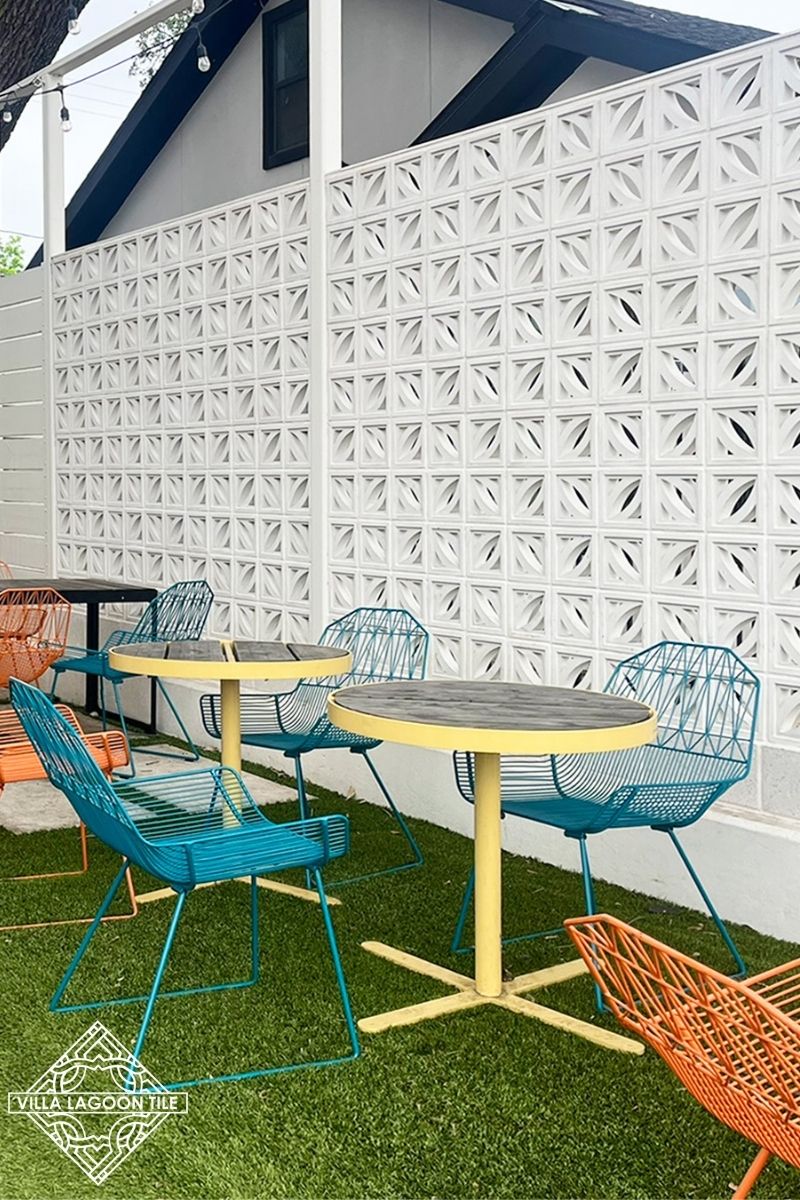
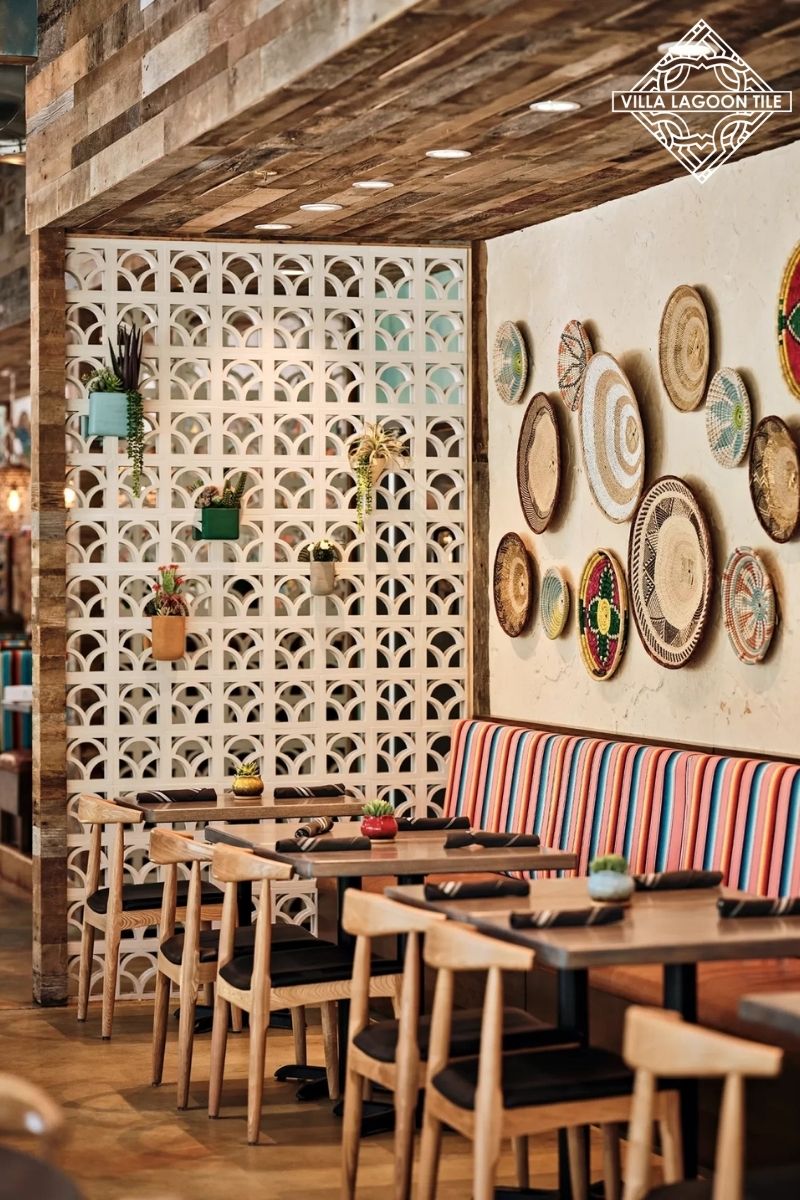
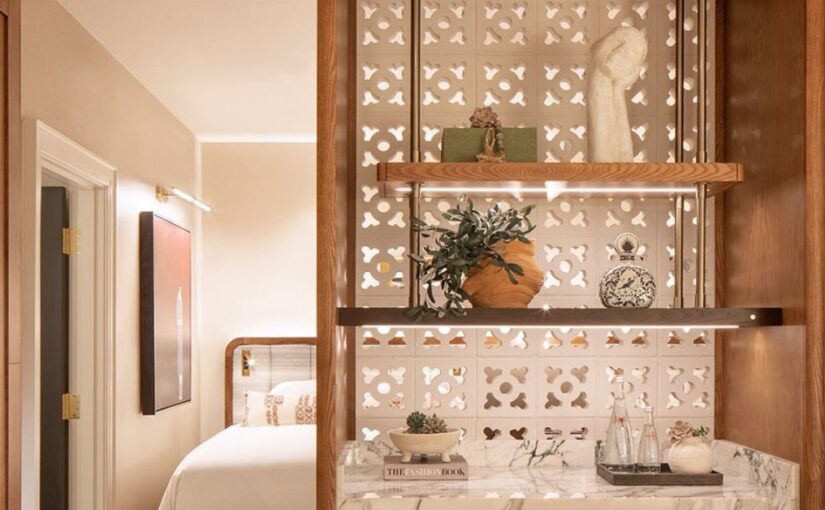
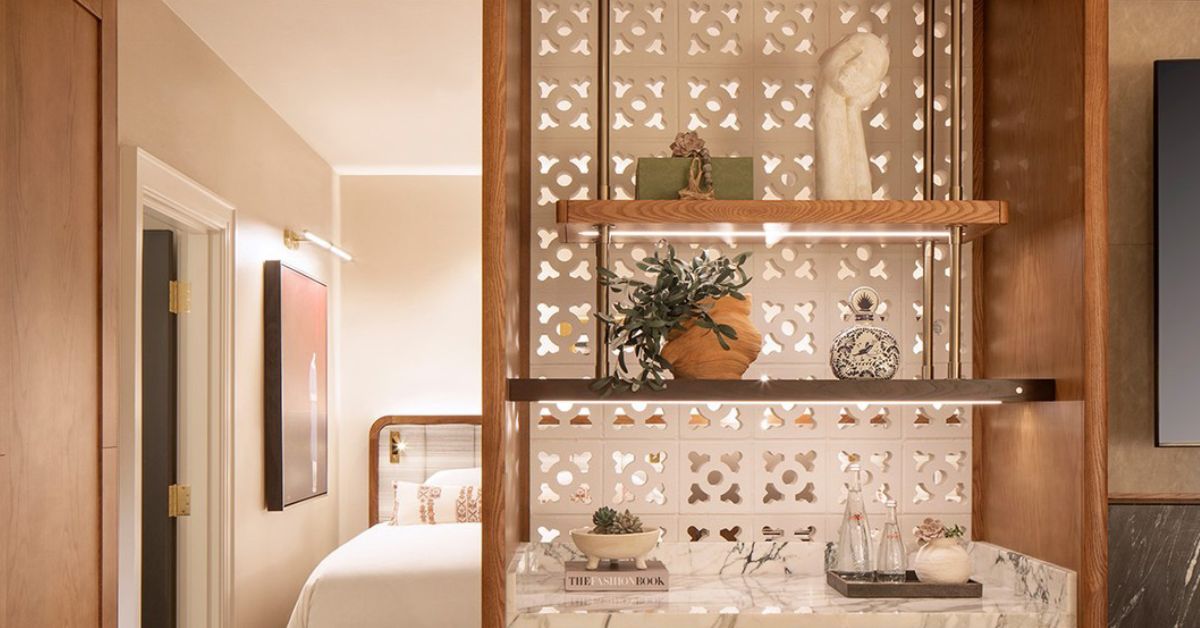
Breeze blocks have become a fixture in both indoor and outdoor design. Inside buildings and homes, they’re used as room dividers that allow light to flow while creating distinct spaces. This versatility makes them a go-to for both homes and commercial spaces seeking flexibility in layouts. When used outdoors, they transform as garden fences or courtyard walls, adding privacy without sacrificing connection to nature.
Their lightweight, modular nature makes them ideal for creating standout spaces that feel airy and open. Whether lining a sleek poolside patio or defining cozy seating areas, they deliver both aesthetic allure and practicality to outdoor living areas.
Integration of Technology
Technology has further amplified the design possibilities of these blocks. Some contemporary projects have incorporated innovative lighting systems that interact with the perforations in breeze blocks, illuminating spaces with delicate, tailored lighting.
Notable Examples of Breeze Block Applications
Residential Projects
Many homeowners have embraced breeze blocks as a way to elevate their living spaces. Coastal homes, for instance, often use them on facades or as exterior walls to balance natural light, refreshing breezes, and privacy. Indoor applications like kitchen partitions or living room dividers add texture and visual interest without making spaces feel closed off.
Commercial Spaces
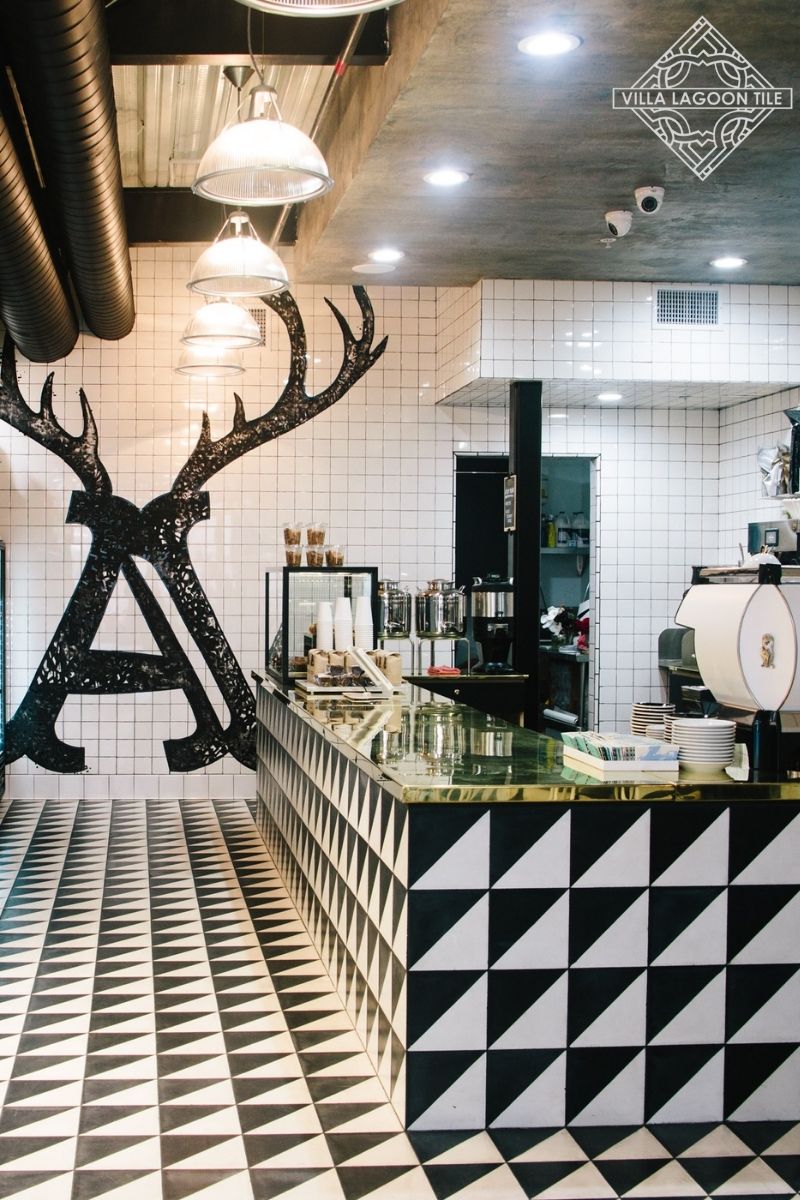
Retail stores, cafés, and office spaces have revived the use of breeze blocks as a creative way to stand out. A breeze block storefront can instantly give off a modern yet inviting vibe, blending sophistication with nostalgia. Cafés often employ them for enclosed patios that feel airy and accessible.
Public and Community Buildings
Breeze blocks have found important roles in public and community buildings, too. Schools use them as ventilation-friendly facades to create comfortable learning environments. Libraries and civic pavilions rely on their durability and aesthetic appeal to construct inviting communal spaces. Even shaded walkways and outdoor gathering areas made with breeze blocks have become prized elements in urban design, where utility and design must coexist seamlessly.
Wrapping It Up
Ultimately, the evolution of breeze blocks reminds us of the magic that happens when timeless architectural design meets modern innovation. They’re a testament to the idea that beauty doesn’t always have to be extravagant or complicated; sometimes, the simplest materials can transform a space and inspire creativity. Breeze blocks continue to capture the imagination of architects, designers, and homeowners around the world.
If you’re dreaming of a design feature that blends artistry with practicality, perhaps it’s time to think about how these versatile blocks could shape your next project. Who knows? One carefully placed breeze block might just spark an architectural masterpiece. What would you create?