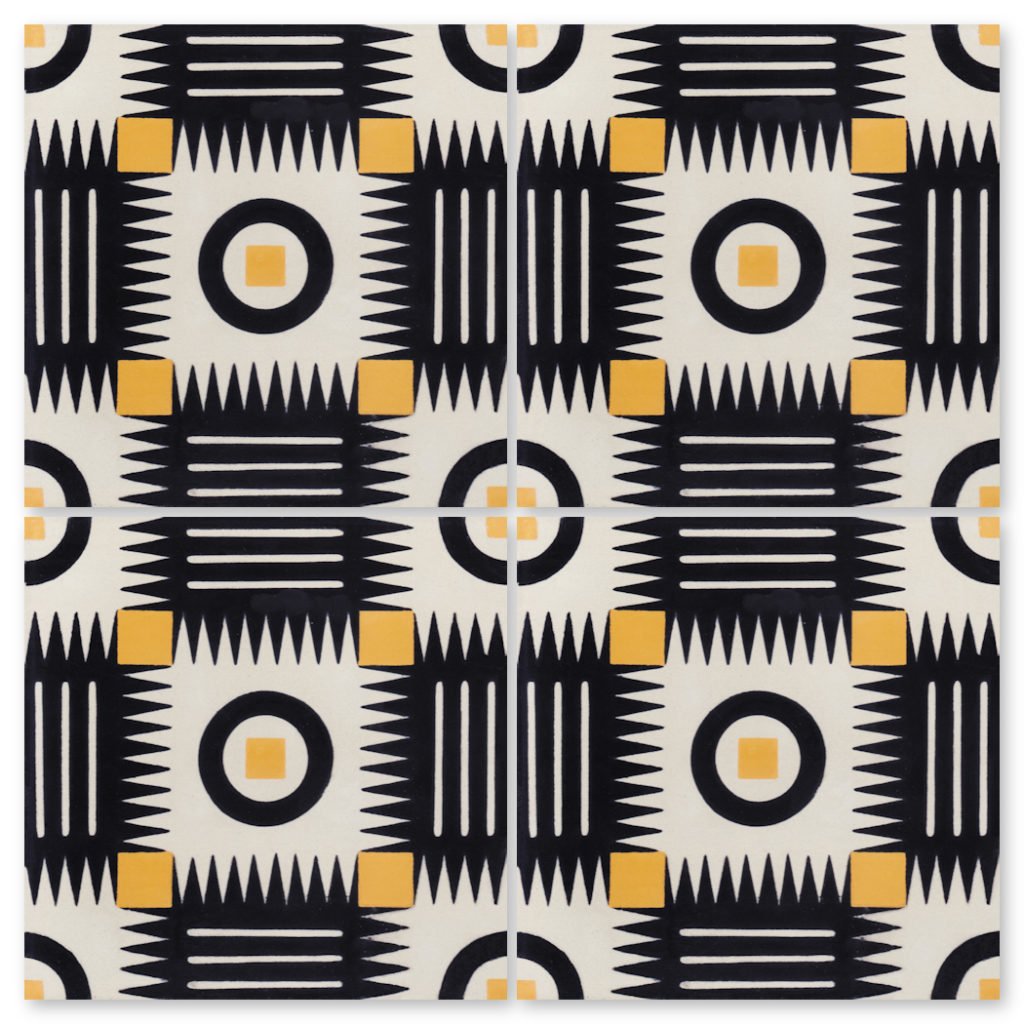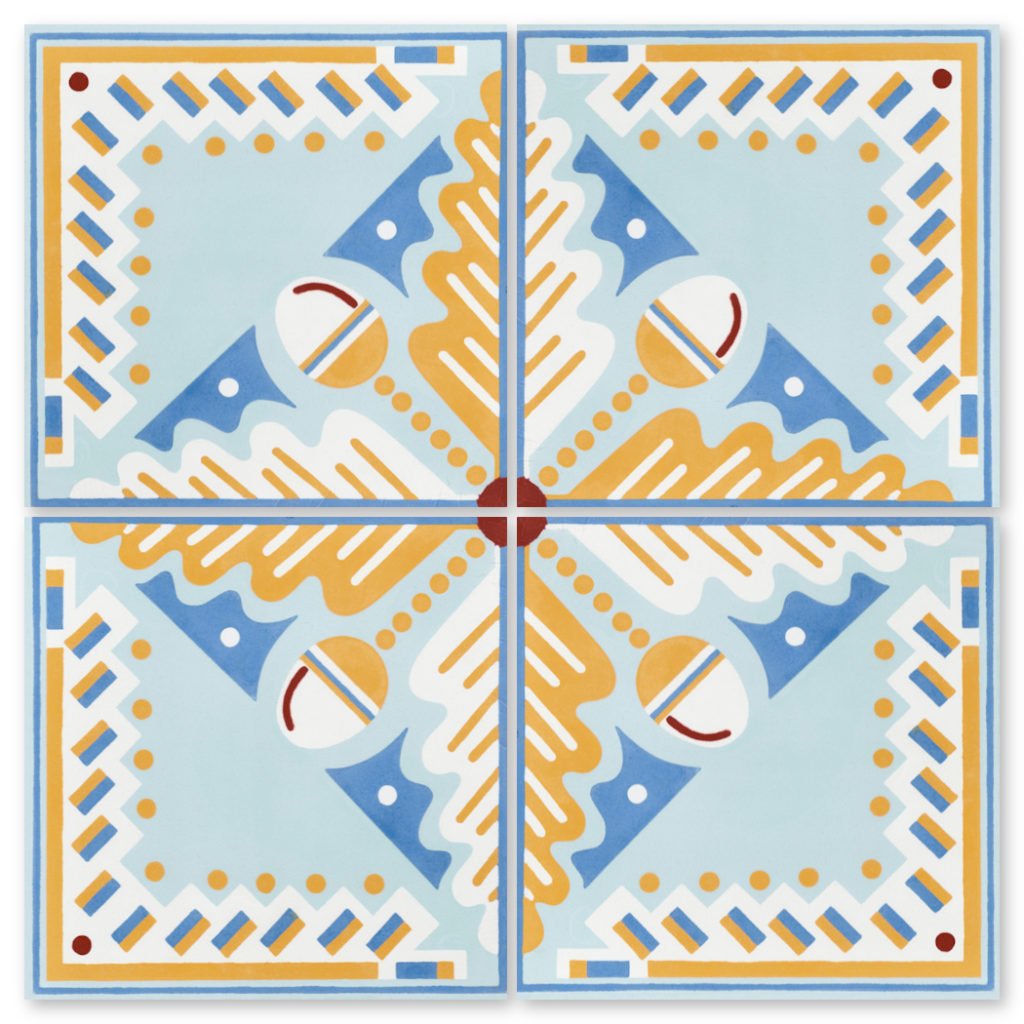
Why Designers Love the Benefits of Cement Tiles

Why Designers Love the Benefits of Cement Tiles

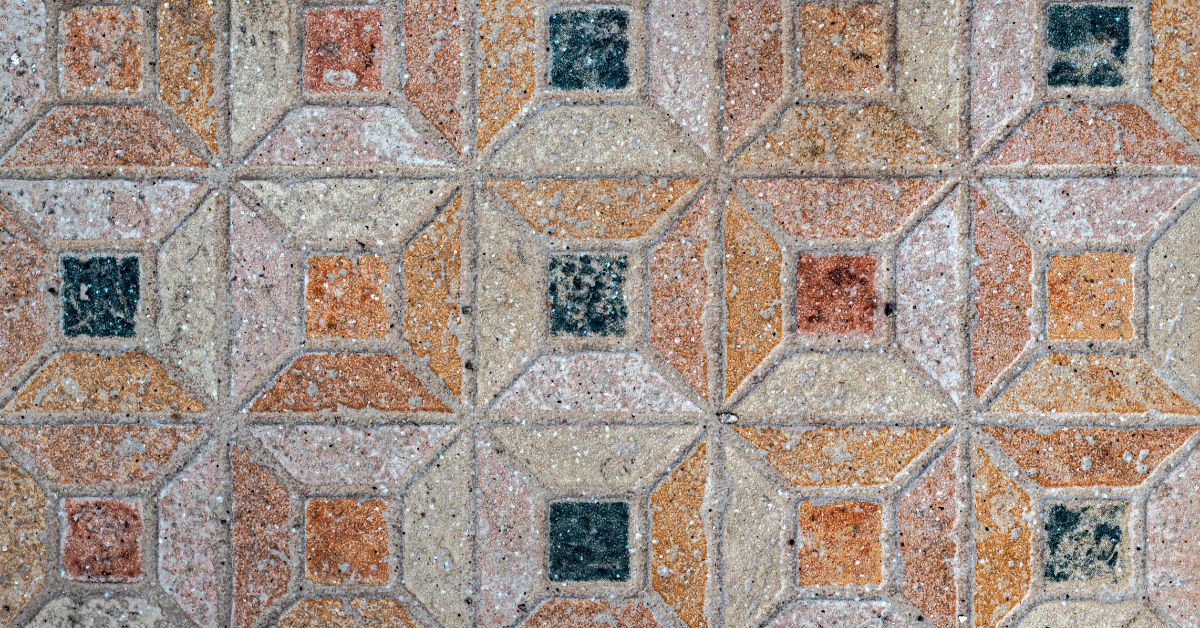
Designers are always searching for materials that combine beauty, functionality, and adaptability, and cement tiles have become a standout favorite. These tiles bring character, charm, and endless design possibilities into any space. With their bold patterns, rich colors, and artisanal quality, cement tiles create stunning focal points that make rooms come alive.

One cannot overlook their stunning versatility. Cement tiles fit seamlessly into a variety of styles—rustic kitchens, modern bathrooms, or eclectic entryways—and they age gracefully over time. Their durability ensures they hold up beautifully in both residential and commercial spaces, making them a practical choice that doesn’t sacrifice style. Designers are constantly drawn to their ability to transform ordinary floors and walls into works of art.

This post dives into the many reasons why cement tiles remain a go-to favorite for designers everywhere. If you’re curious about why they’ve captured the hearts of so many, keep reading!

Versatility Across Styles

Whether you’re designing a sleek modern bathroom, a cozy Mediterranean-inspired kitchen, or a vibrant entryway, cement tiles rise to the occasion. Their ability to complement both traditional and contemporary designs means you can use them to bridge styles seamlessly.

This versatility extends beyond floors and walls—they work well for backsplashes, tabletops, and even fireplace surrounds. Designers appreciate how easy it is to mix and match tile patterns to fit the specific vibe of a space. This kind of adaptability allows you to get creative and push design boundaries while maintaining harmony within a room.

Endless Customization Options

Designers value the ability to personalize elements of a project, and cement tiles give them that freedom. These tiles are often handmade, which allows for a high level of customization. You can choose from endless patterns, colors, and finishes to create something truly unique.

Want to match a tile’s shade with a specific color in the furniture or textiles? Not a problem. Need a bold geometric pattern that commands attention? Cement tiles have you covered. The fact that you can play with various formats and sizes also adds another layer of flexibility. Clients enjoy how these tiles can reflect their tastes, while designers love how customization transforms their vision into reality.

Why Designers Love the Benefits of Cement Tiles

Bold Aesthetic Appeal

Cement tiles excel at making a statement. Their rich colors, intricate patterns, and luxurious finishes bring personality and drama to any space. Designers turn to these tiles when they want a feature that draws the eye and becomes an instant conversation starter.

The quality of these handmade cement tiles often results in unique variations that add soul and warmth, which ensures no two tiles look exactly the same. This artisanal charm elevates the visual impact and renders cement tiles a centerpiece of your design story. They can also be subtle when needed, offering understated elegance to ground a space.

Long-Lasting Durability

Durability is always a priority when choosing materials for both residential and commercial projects, and cement tiles deliver on this front. They withstand heavy foot traffic, resist cracking, and age beautifully. Over time, a patina forms that adds character rather than detracting from the overall look.

Unlike some materials that sacrifice style for durability, cement tiles strike a perfect balance—they’re tough without compromising on design appeal. This makes them ideal for high-traffic areas like hallways, kitchens, and outdoor patios. By blending longevity with aesthetics, they give designers the confidence to use them in challenging spaces without worrying about wear and tear.

Eco-Friendly Appeal

More and more clients are prioritizing sustainability, and cement tiles align perfectly with this shift. Their production process involves natural materials like cement, sand, and pigments, generally without harmful chemicals. Designers appreciate how these tiles simultaneously look great and reduce environmental footprints.

Using cement tiles supports eco-friendly practices while creating authentic spaces that feel connected to nature. This combination of functionality, beauty, and sustainability makes them an ethical choice that aligns with modern design values.

Why Designers Love the Benefits of Cement Tiles

Timeless Design Quality

Trends come and go, but cement tiles have a timeless appeal that endures. Their vintage charm ties them to classic European and Moroccan designs, yet they also feel fresh and contemporary in modern settings.

Designers love materials that can stand the test of time, both visually and functionally. Cement tiles have a way of transcending style eras, which makes them a safe yet stylish investment. This timeless quality ensures that your designs won’t feel outdated in a few years. Instead, they’ll retain their original allure while taking on a unique, lived-in character over time.

Touchable Texture

Cement tiles offer a tactile element that many other materials lack. Their surface feels soft and smooth, yet sturdy, which brings a natural depth to your designs. This texture adds a layer of interest, especially when light plays across their surfaces and highlights their unique patterns.

Designers love how this dimensional quality makes spaces feel more dynamic and inviting. Whether you’re working with matte finishes for a rustic look or polished ones for a modern feel, the texture of cement tiles sets them apart. They’re eye-catching not just because they’re beautiful, but because they invite interaction and curiosity.

Cost-Effective Value

Cement tiles give you high-end design appeal without breaking the budget. While they may require a slightly higher up-front investment compared to basic ceramic tiles, their longevity makes them cost-effective in the long run.

Designers appreciate how clients see real value in their durability and beauty over time. This makes them a smart choice for projects where both quality and budget matter. Their ability to offer luxury looks with reasonable costs means you can elevate a space without overspending. Choosing cement tiles allows designers to strike the balance between affordability and achieving standout results for their projects.

What Now?

Cement tiles open doors for creativity, innovation, and sustainability in modern interiors. More than just a passing trend, they continue to evolve with new patterns and techniques, keeping them fresh and relevant for years to come. Designers who use cement tiles are crafting timeless pieces that tell a story, spark conversations, and make spaces memorable.

For designers, the potential of cement tiles feels limitless. They encourage exploring bold ideas, blending old-world craftsmanship with modern tastes, and pushing boundaries in ways that traditional materials simply can’t match. Think of them as a starting point for your next creative breakthrough.

If you want to design spaces that stand out, last, and leave a lasting impression, the handmade cement tiles at Villa Lagoon Tile might be exactly what you’re looking for. Use them as your canvas, and see where your imagination takes you. The possibilities are endless.

Collaborating With Designers for Custom Cement Tile Patterns

Collaborating With Designers for Custom Cement Tile Patterns

When it comes to transforming a space, few design elements combine functionality and artistry as beautifully as cement tiles. Their bold patterns and timeless aesthetic have made them a favorite in both traditional and modern interiors. Custom cement tile patterns take this charm one step further, allowing homeowners and designers to create something truly unique and personal. But the real magic happens when you team up with a professional designer.

Working alongside a designer turns the process of creating custom cement tile patterns into an inspiring partnership. By joining forces, you can combine your style with professional insights, resulting in breathtaking tiles that fit perfectly into your space’s character and function. Let’s explore and expand on why these designer collaborations matter, as well as the benefits of custom cement tile patterns for anyone wanting to elevate their home or workspace.

Why Collaboration Is Essential in Custom Tile Design

The Power of Creative Synergy

Pairing your ideas with a designer’s expertise is where creativity truly flourishes. Designers bring a wealth of knowledge that bridges practical needs with artistic flair. They can transform your vague concepts into polished patterns that elevate your space.

For example, a designer might suggest intricate geometric designs for a high-traffic entryway to balance durability with aesthetics. This blend of skills results in encaustic cement tiles that are not only visually striking but also thoughtfully designed to function beautifully within your environment.

Meeting Specific Needs and Aesthetics

Every space has its own story, and custom-designed tiles allow that narrative to shine. Working closely with a designer means the final product fits seamlessly into your vision.

Imagine a mid-century modern kitchen with warm, earthy tones complemented by sleek, minimalist cement tiles. Or picture a Mediterranean-inspired outdoor patio featuring bold, colorful patterns. These possibilities only come to life through collaboration that fine-tunes each detail to match the style and purpose of the space.

Collaborating With Designers for Custom Cement Tile Patterns

The Process of Collaborating With Designers

Step 1: Choosing the Right Designer

Finding the perfect designer sets the tone for your project. Start by looking for professionals with experience in cement tile design. Check their portfolios to see if their style aligns with your vision—do their previous projects resonate with your aesthetic?

It’s also important to read reviews or speak to past clients. Someone who understands not just design but the technical aspects of cement tiles will bring an added layer of expertise to the table. You’ll have greater confidence with every day of your collaboration.

Step 2: Defining Your Vision

Clear communication is key to turning your design dreams into reality. Start by collecting visual references like mood boards or sketches that highlight your preferences. Are you drawn to a specific color palette? Do you prefer symmetrical patterns or free-flowing organic designs? Sharing these ideas allows the designer to understand your style and refine it with their creative input.
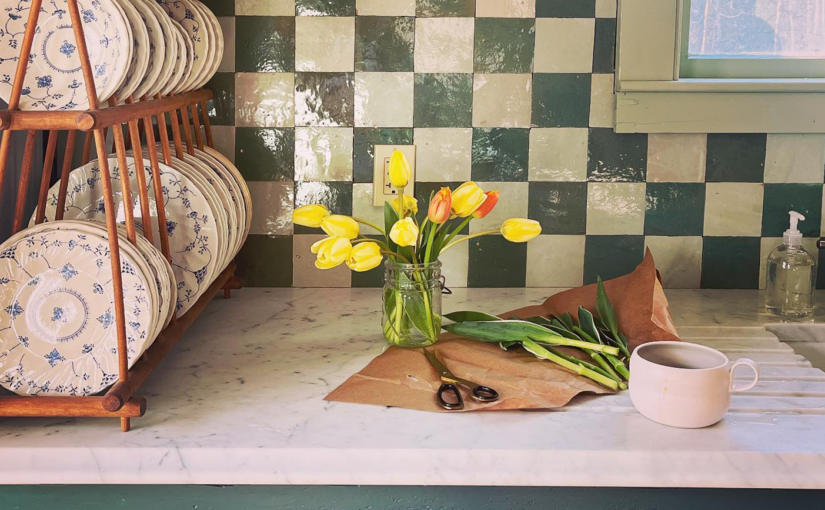
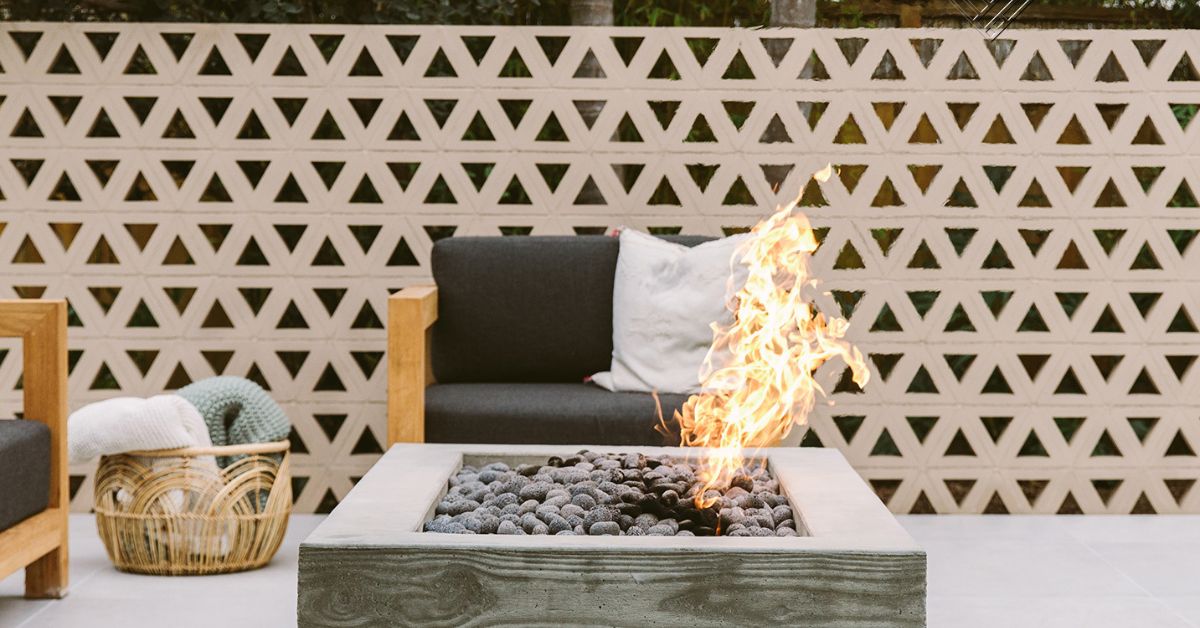
Defining cultural or architectural influences, such as Moroccan or minimalist Scandinavian elements, can also create depth and meaning in the final design.

Step 3: Starting the Design Process

Collaboration works best when it’s treated as a two-way conversation. Designers often create mockups or initial sketches based on your ideas, which allows for feedback and adjustments.

Think of this as an iterative process where both sides fine-tune the design until it’s perfect. A great designer will suggest enhancements you may not have considered, like tweaking a color combination or adjusting the pattern’s scale. Trusting their expertise while staying true to your vision leads to a final design that’s better than you could imagine.

Step 4: Implementing Production and Quality Assurance

Once your design is finalized, it’s time to translate it into physical tiles. This stage involves choosing quality materials and working with skilled craftspeople who understand the nuances of cement tiles.

Sampling is essential to confirm that colors, patterns, and finishes align with your expectations. A good designer will guide you through this step and offer support as the design moves into production. The result is more than a simple tile—it’s a masterpiece that connects your vision with artisanal craftsmanship.

Tips for Effective Communication

Be As Specific as Possible

Clear and detailed descriptions help designers capture your vision accurately. Instead of saying you want a vintage look, describe specifics like muted pastels, floral motifs, or hints of distressed texture.

Sharing examples or reference images adds clarity, while trusting the designer’s creativity allows them to build on your ideas for a more personalized result. The more concrete your input, the closer the final design will reflect your dream concept.

Set Clear Expectations

Before the design process begins, go over all the logistics with your designer. Discuss project timelines, your budget, and any must-have elements for the design.

Setting these expectations early establishes a shared understanding, which minimizes the chances of running into roadblocks later. For example, you might want a final design ready for a home renovation deadline, so aligning this with your designer ensures a smooth collaboration.

Stay Open to Feedback

Sometimes, the best ideas come from being flexible and giving new approaches a chance. Designers have an eye for details you might overlook, like how a certain pattern interacts with the layout of your space.

One example could be a client aiming for stark monochrome tiles who ended up falling in love with a softer gray gradient suggested by the designer. Openness to feedback often leads to results that are more creative and satisfying than the original plan.

Collaborating With Designers for Custom Cement Tile Patterns

Final Thoughts

Collaborating with a designer for custom cement tile patterns helps you craft a space that speaks to your personality and transforms how you experience the space every day. It’s a chance to go beyond generic options and design cement tilesthat feel like they truly belong in your home or business. The magic lies in the mix of your vision and the designer’s expertise, sparking ideas you might not have imagined on your own.

Think of each tile as a piece of art that tells your story. Whether it’s a bold centerpiece for a dining room or a subtle touch in a cozy bathroom, the end result is a space with soul and depth. By teaming up with a designer, you’re not just checking off a project on your to-do list; you’re creating something uniquely yours. Now’s the perfect time to dream up that one-of-a-kind pattern and find a creative partner who can help you bring it to life.

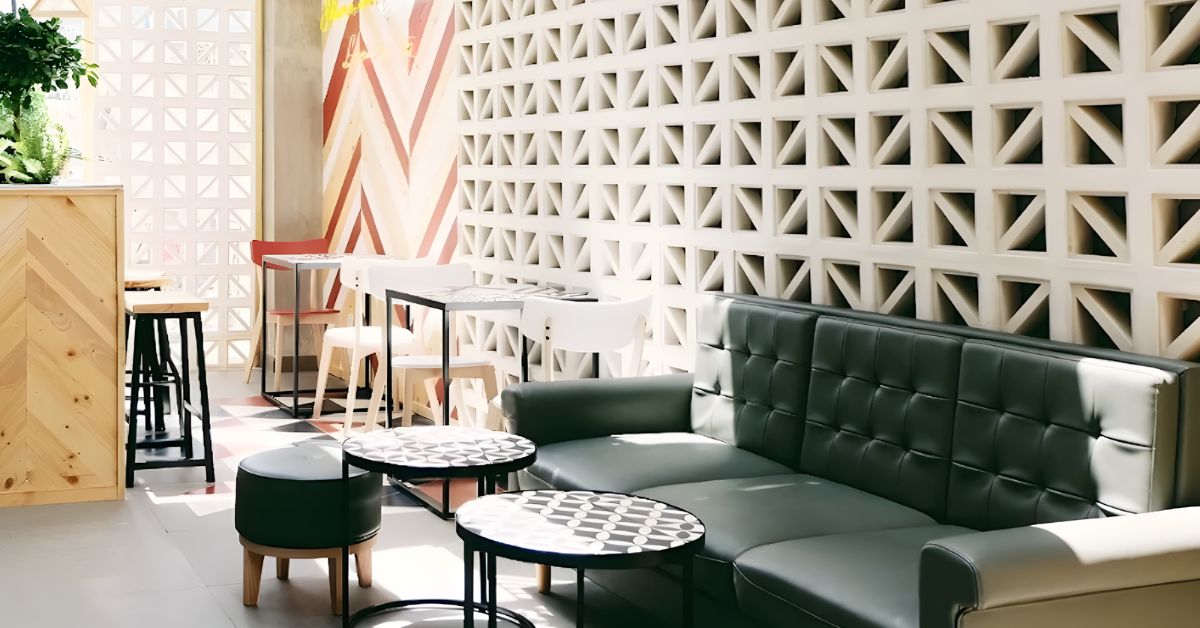
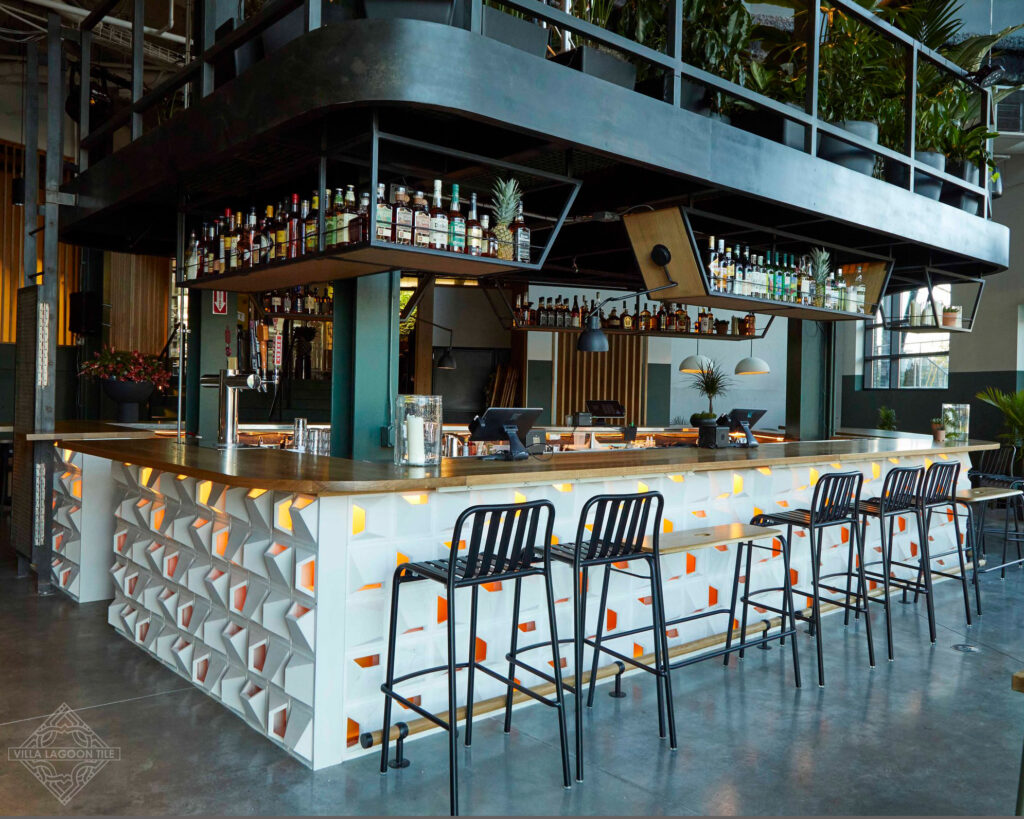
Add Flavor with Breeze Blocks!

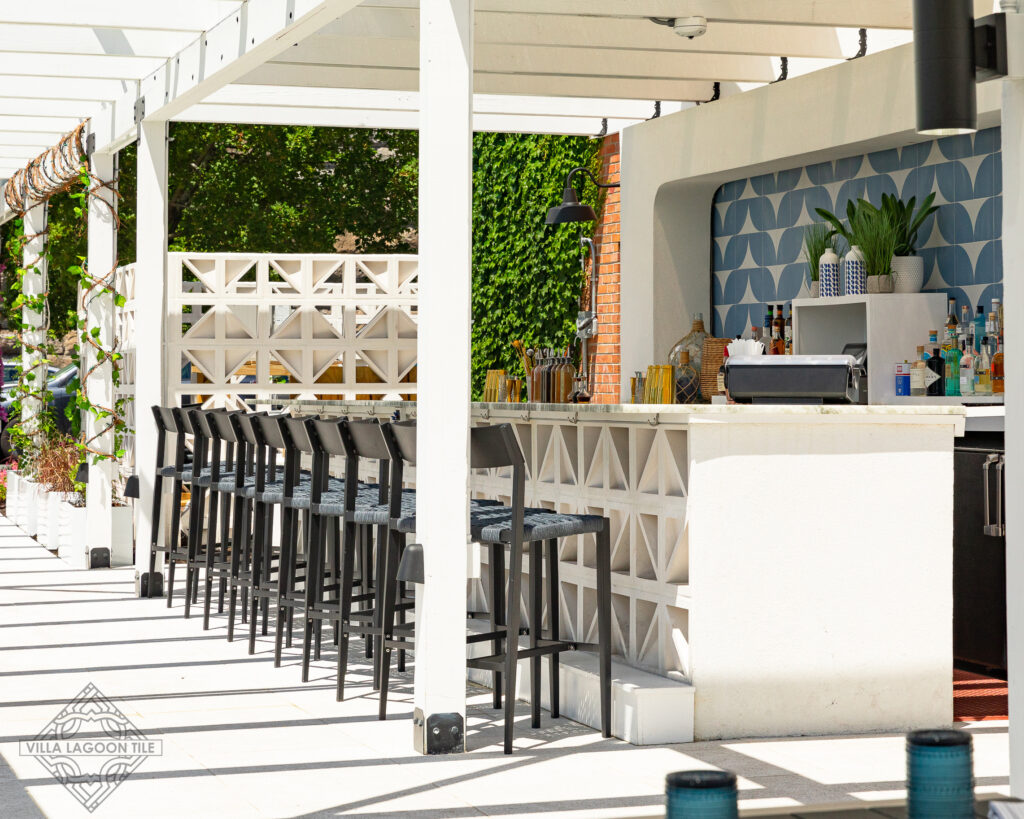
Molokai Breeze Blocks at The Hart, Nashville, TN, Designed by Powell Architects

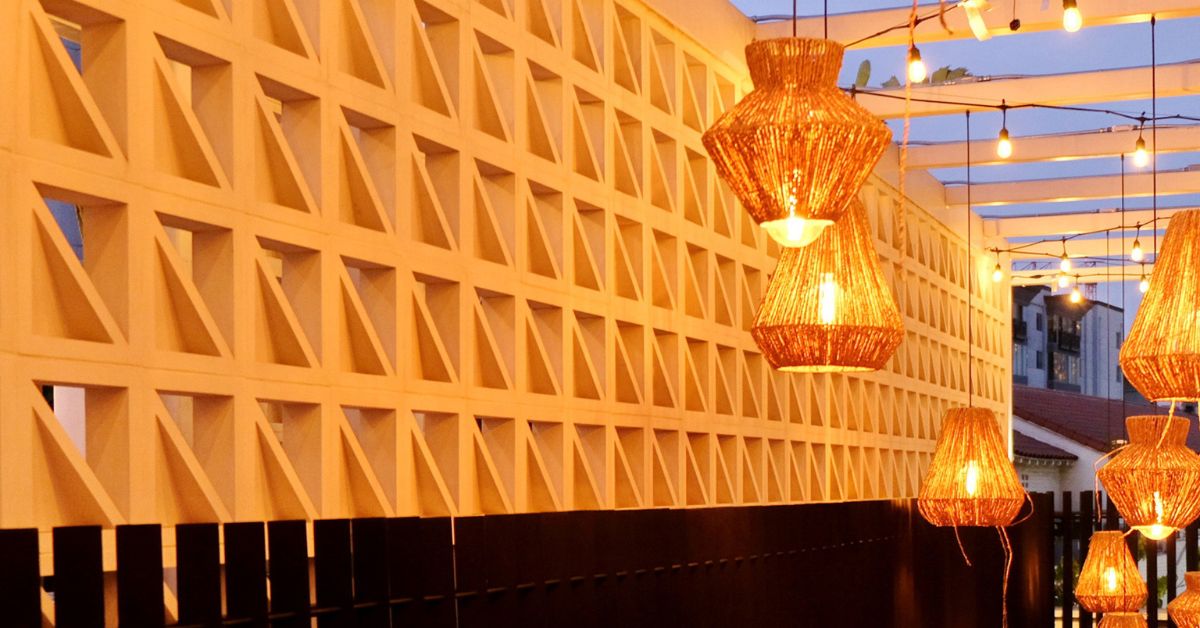
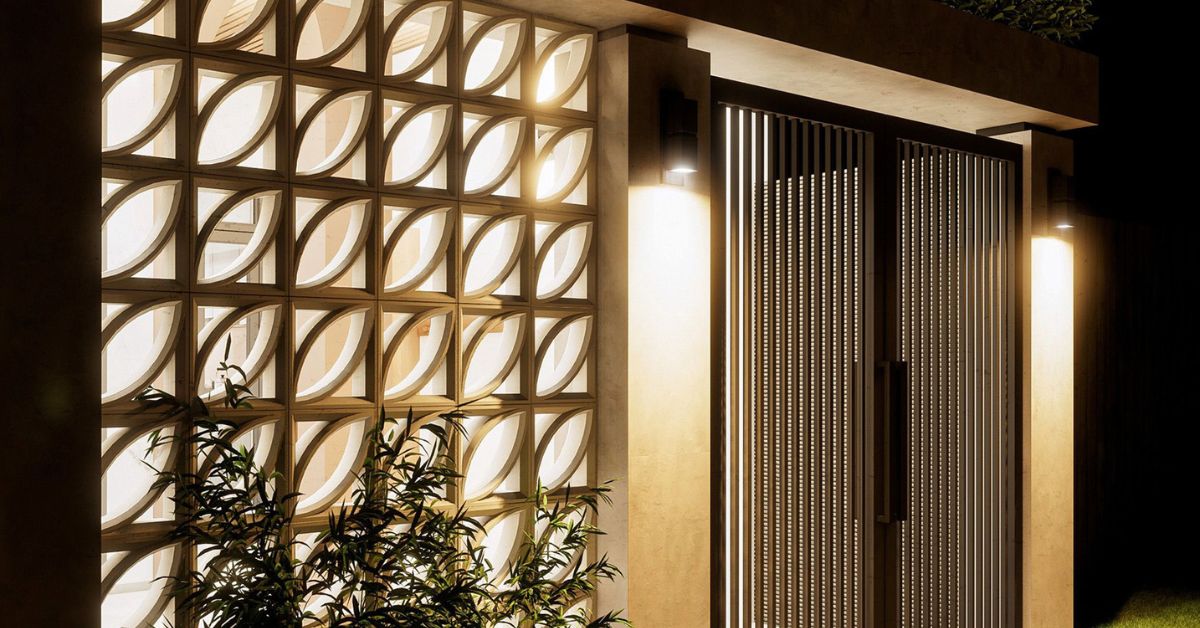
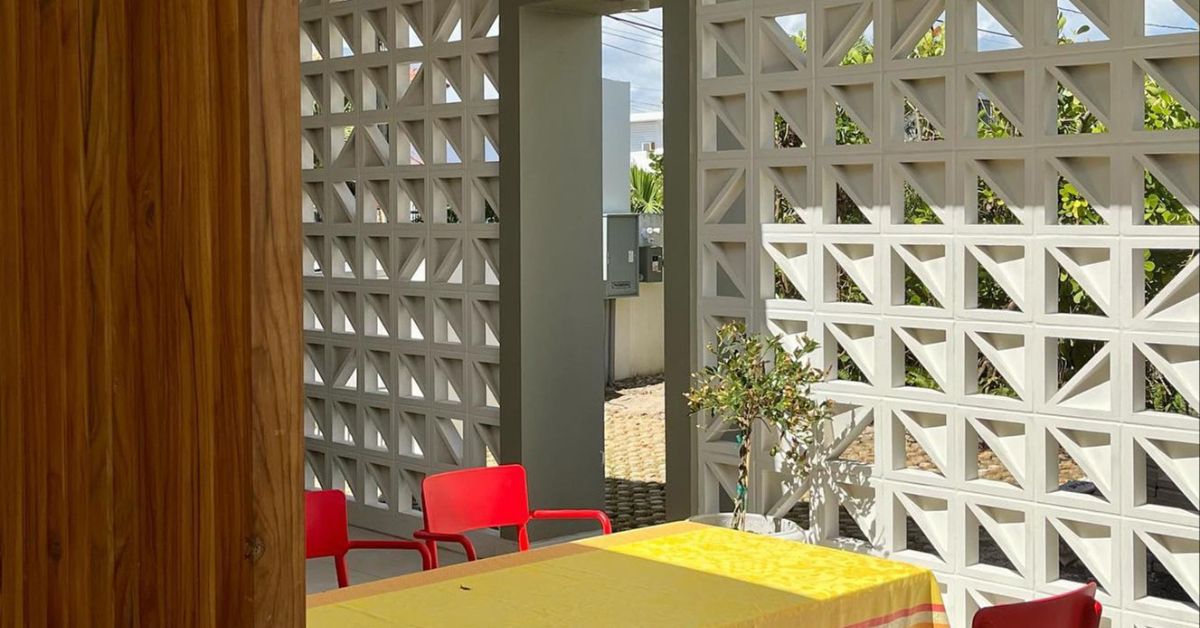
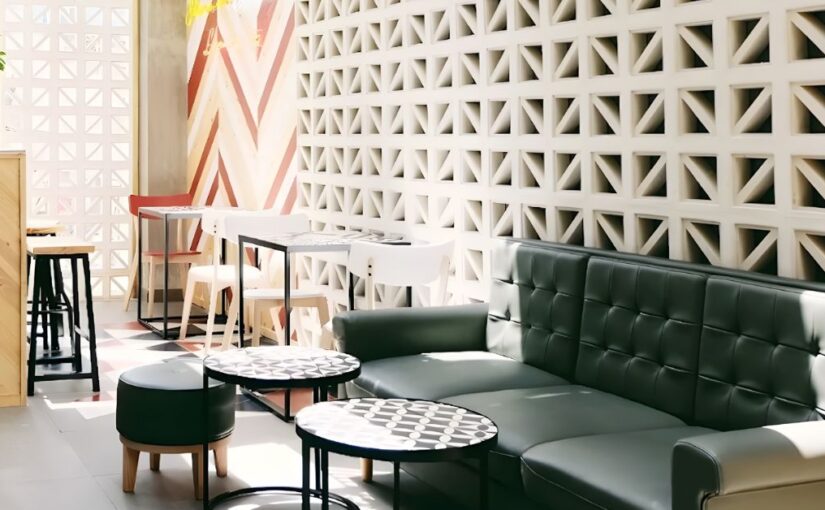
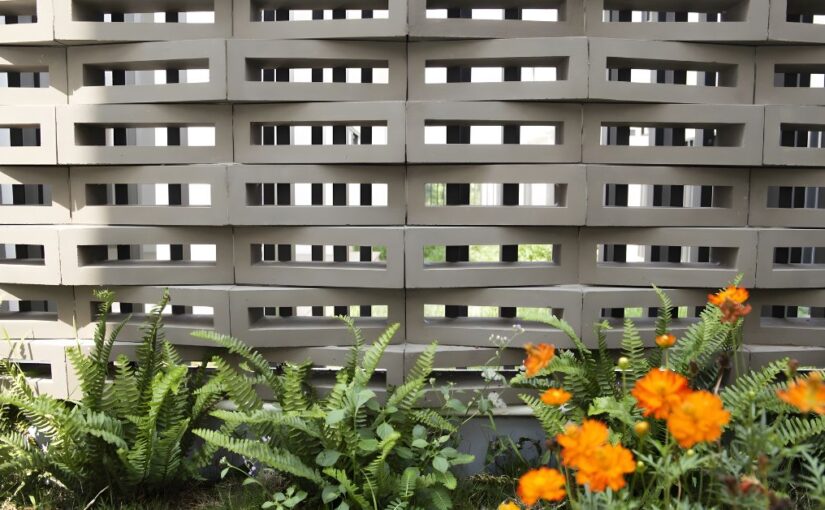
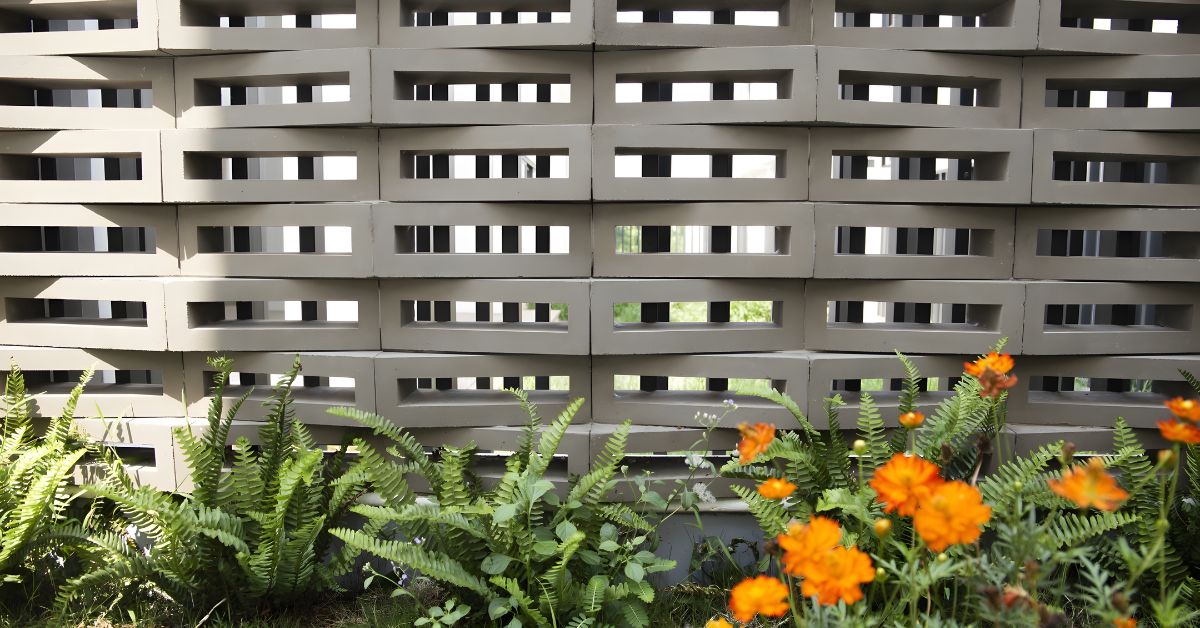
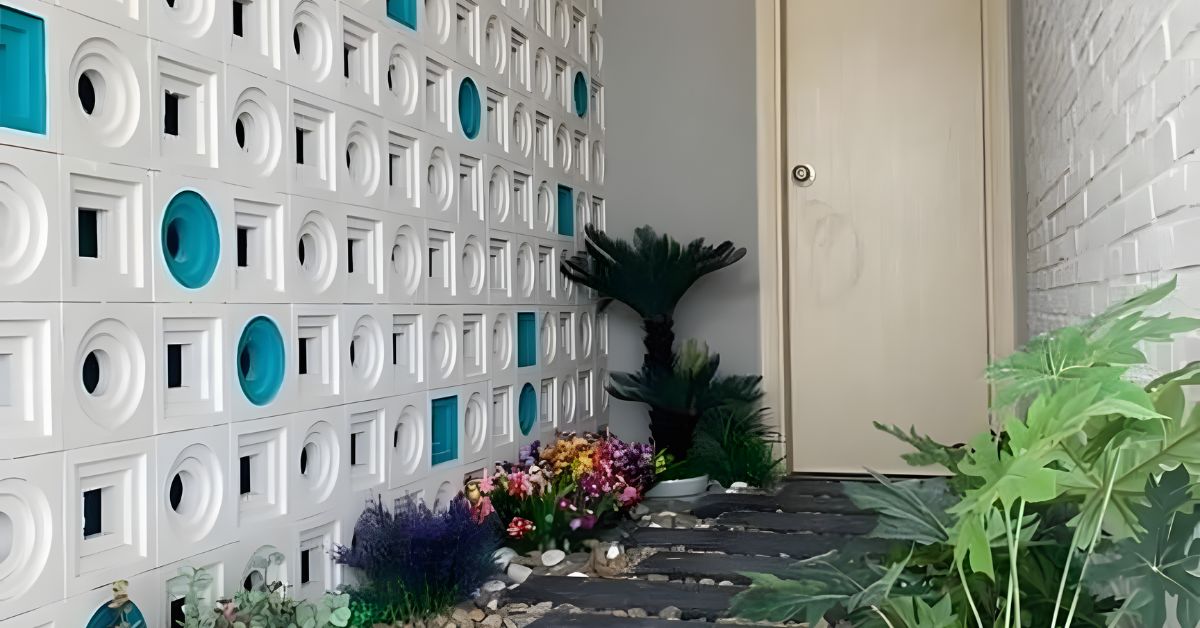
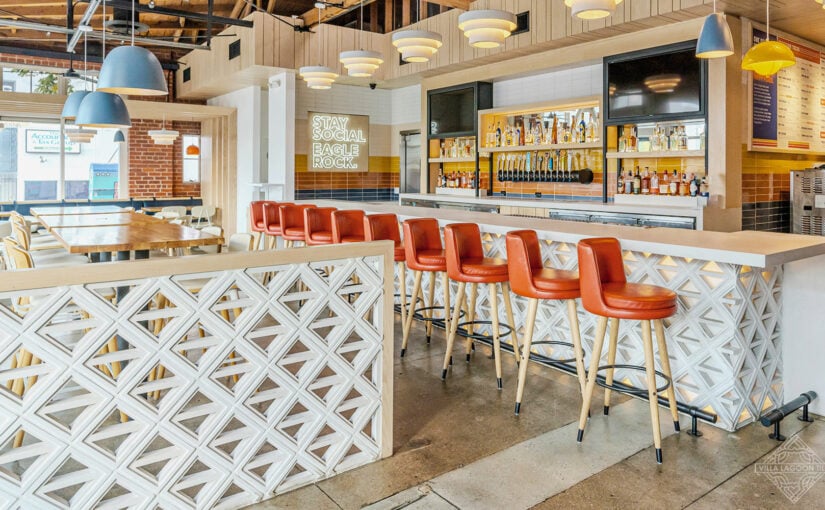
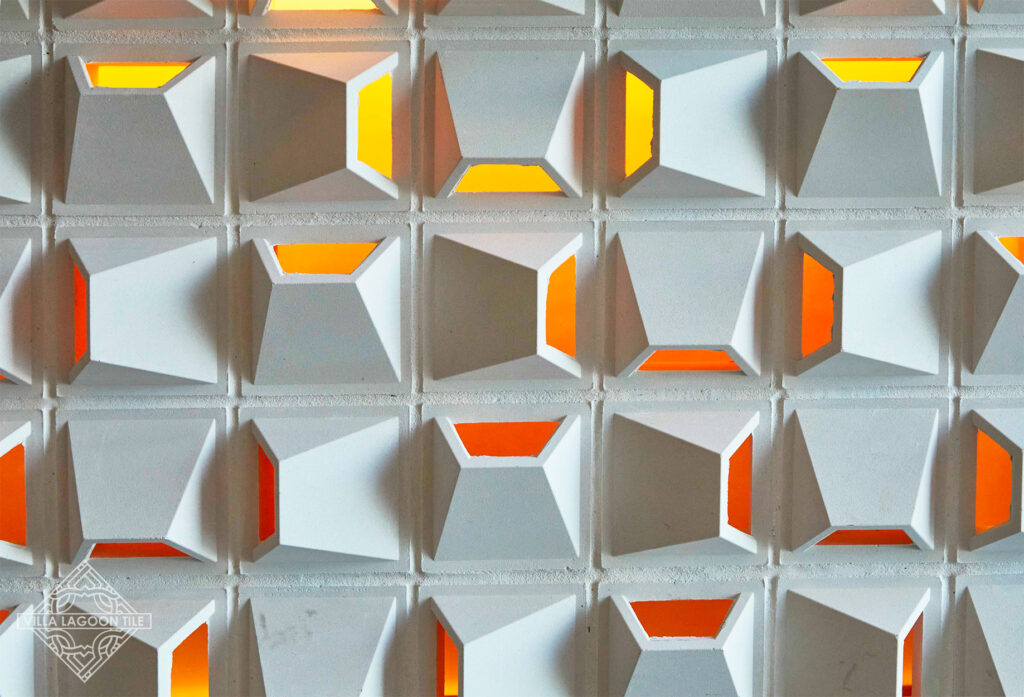
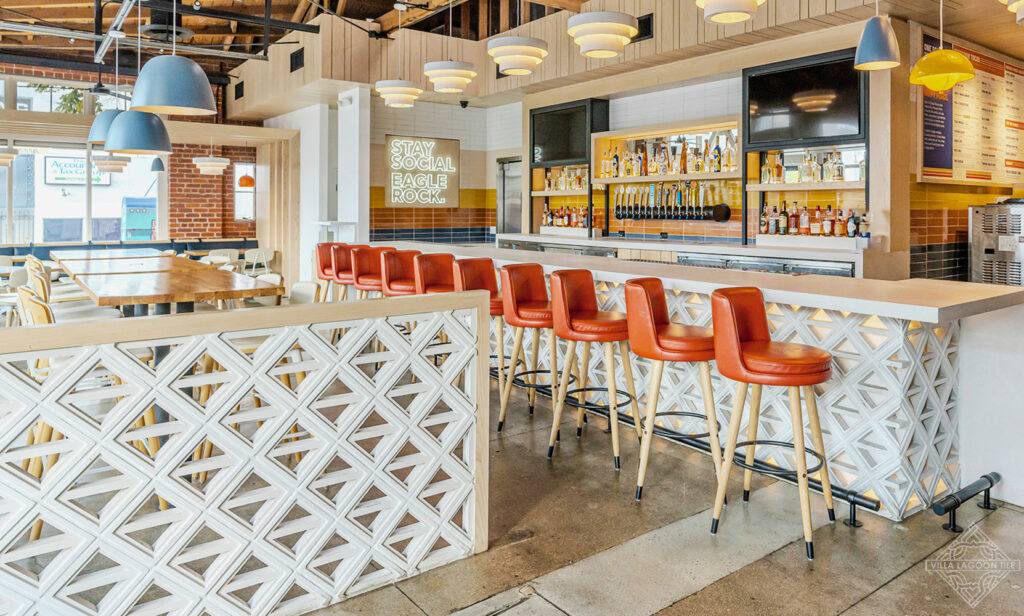
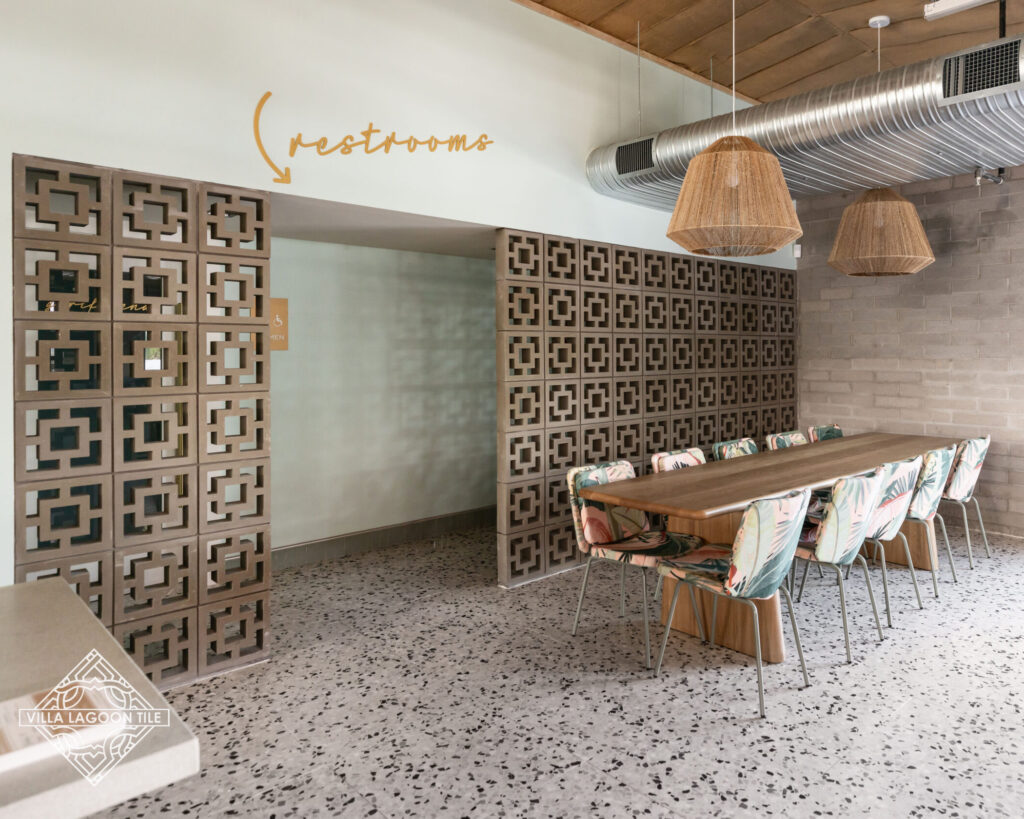
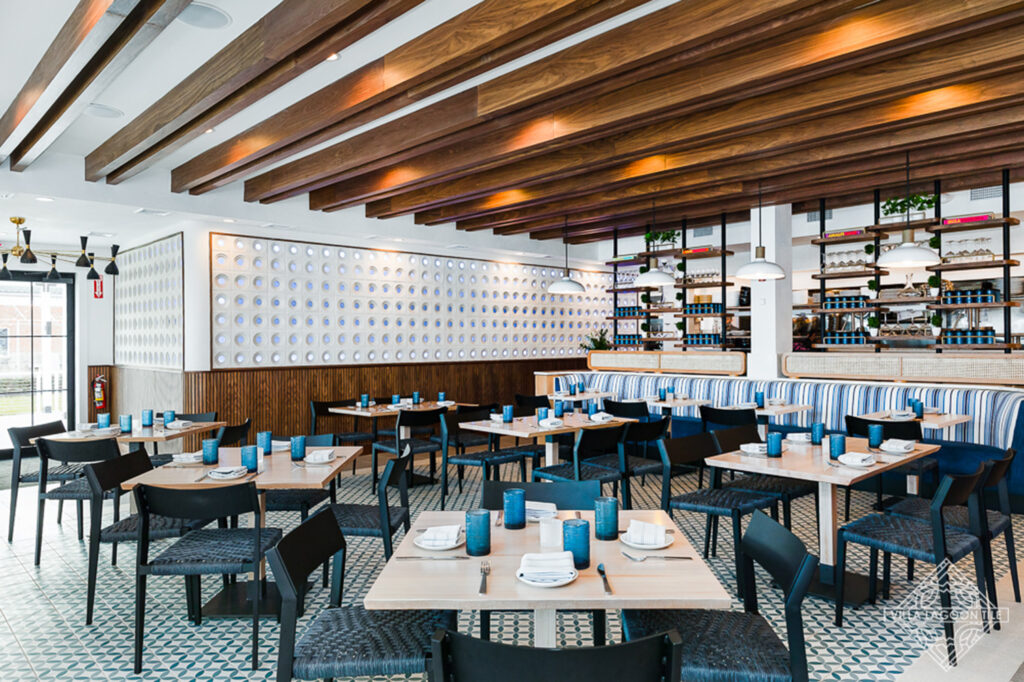
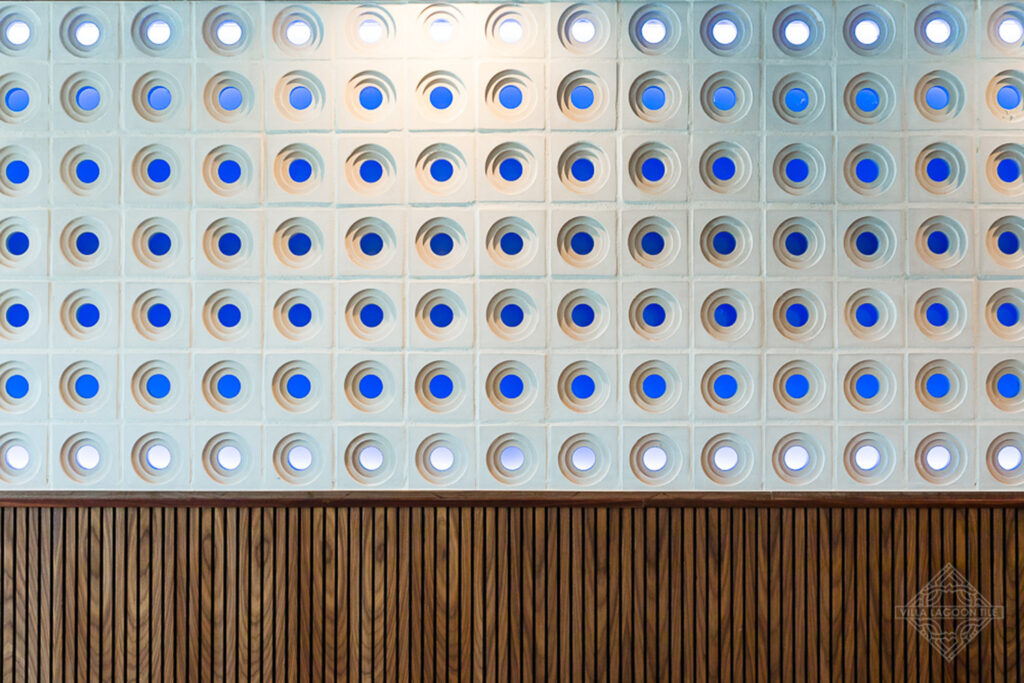
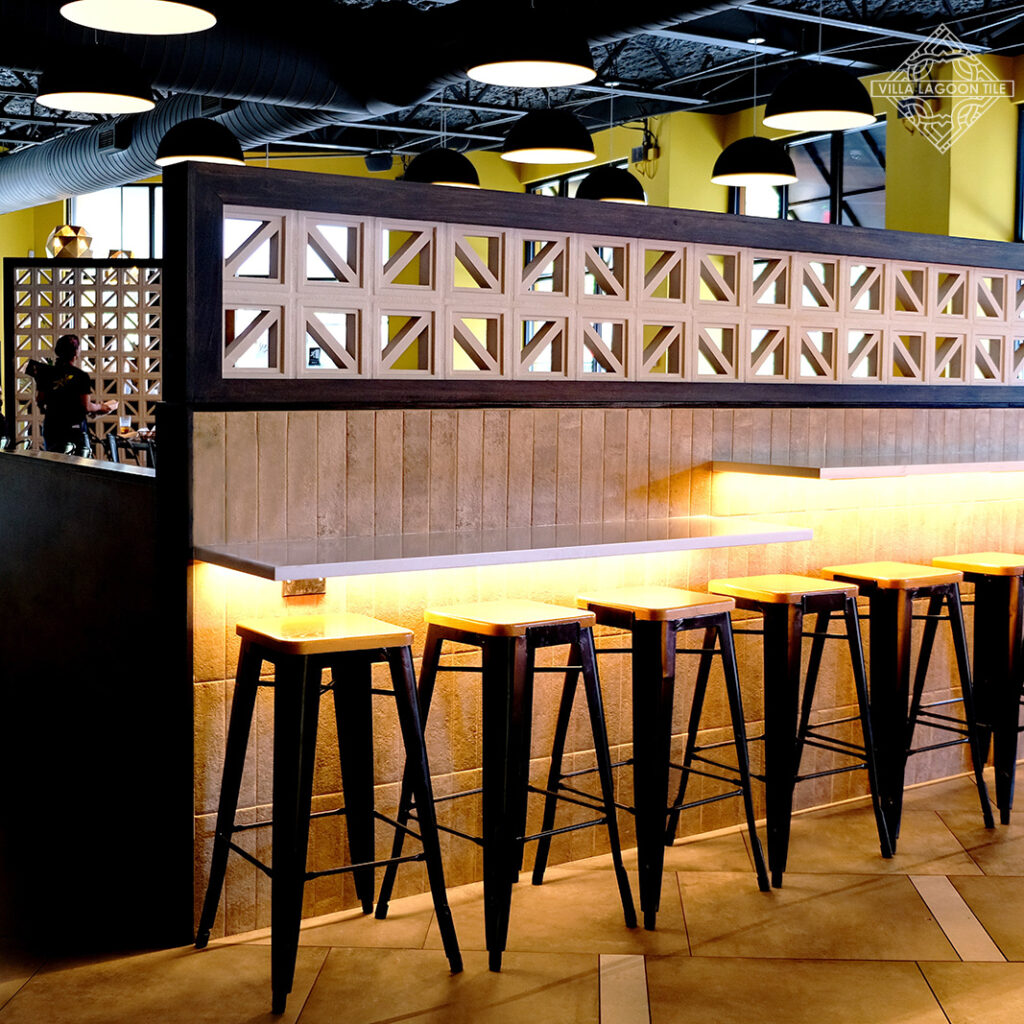
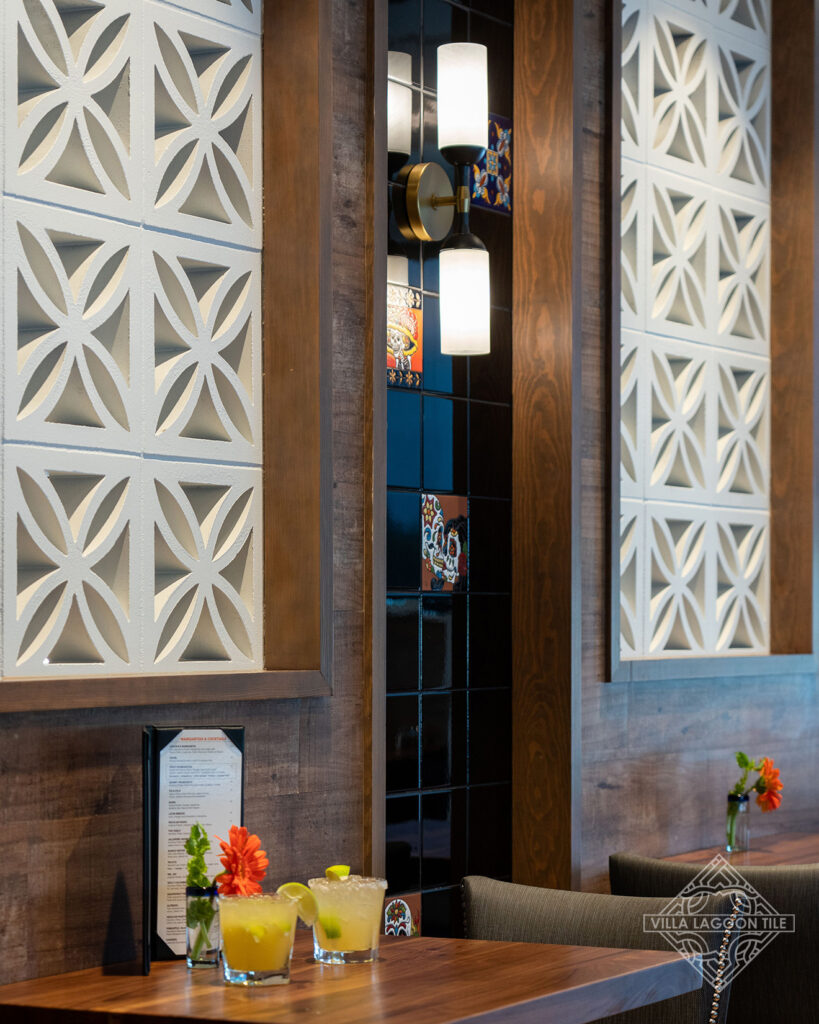
The beauty and function of breeze blocks is undeniable and although for some, they never went out of style, for many they are just waking up to the idea. Since our debut in 2019, Villa Lagoon Tile’s Breeze Blocks have helped to revive this mid-century modern staple, with a more refined version of the pattern blocks of the original era. We like to call them “Breeze Blocks 2.0”. These hand-made blocks use finer sand aggregate and hydraulic presses, rather than the course-cast products of the past. This makes these blocks thinner, smoother, and generally more appealing than their “1.0” counterparts.

A new wave of designers have embraced breeze blocks and are employing them ingeniously. Among our top picks is their application in restaurant design. Take a scroll to discover some remarkable eateries showcasing our beloved breeze blocks! 

Maui Breeze Blocks at Taco Social, Eagle Rock, CA, Designed by Catia Sander Design
Seychelles Breeze Blocks at Baresco Restaurant, Fort Lauderdale, FL, Designed by Summit Design Build
Ibiza Breeze Blocks & Man Overboard Cement Tile at The Boca Raton, Pompano Beach, FL, Designed by Rockwell
Large Bermuda Breeze Blocks at La Cha Cha Cha, Los Angeles, CA, Designed by Lena Kohl
Molokai Breeze Blocks at The Hart, Nashville, TN, Designed by Powell Architects
Large Tonga Breeze Blocks at The Eleanor, Scottsdale, AZ, Designed by Social Design Studio
Luzon Breeze Blocks at Primo Waterfront Restaurant, Newburg, NY, Designed by Lovecraft Design
Maui Breeze Blocks at Iguana on Park, Jacksonville, FL, Designed by FORM + SPACE, INC
Large Ibiza Breeze Blocks at Anamia’s Tex Mex, Prosper, TX, Designed By Keaton Interiors
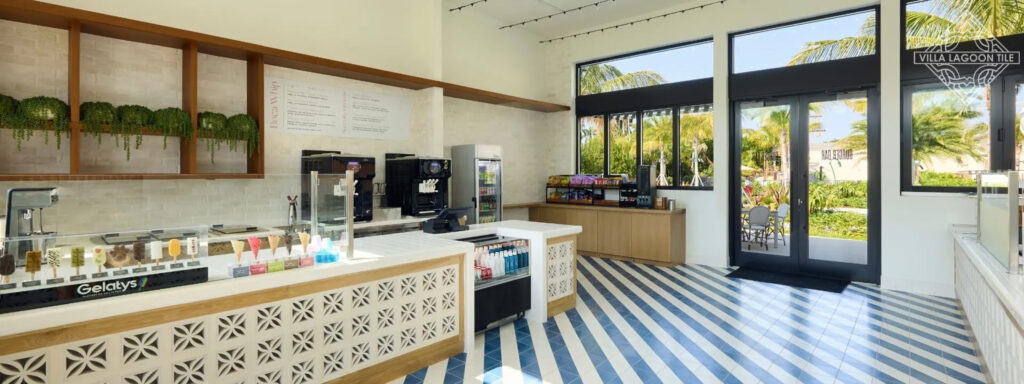
Cozumel Breeze Blocks at Jeni’s Ice Cream, Houston, TX, Designed by 505 Design

Our Breeze Blocks are available in multiple shapes and sizes, over 50 patterns, and 10 colors for special order. We stock dozens of these patterns for quick shipment in our Alabama and California warehouses and ship worldwide!

Check this out ✔ Handcrafted tile in a Checkerboard Pattern!

In the interior design world, tiling in a checkerboard pattern has been making a major comeback recently. This classic staple has been a mainstay in homes for centuries and has transitioned beautifully into modern design. Its popularity can be attributed to its timeless appeal, versatility, and ability to add a touch of sophistication to any room. Get inspired by this roundup of some of our favorite checkerboard spaces featuring our handcrafted cement tile and zellige!

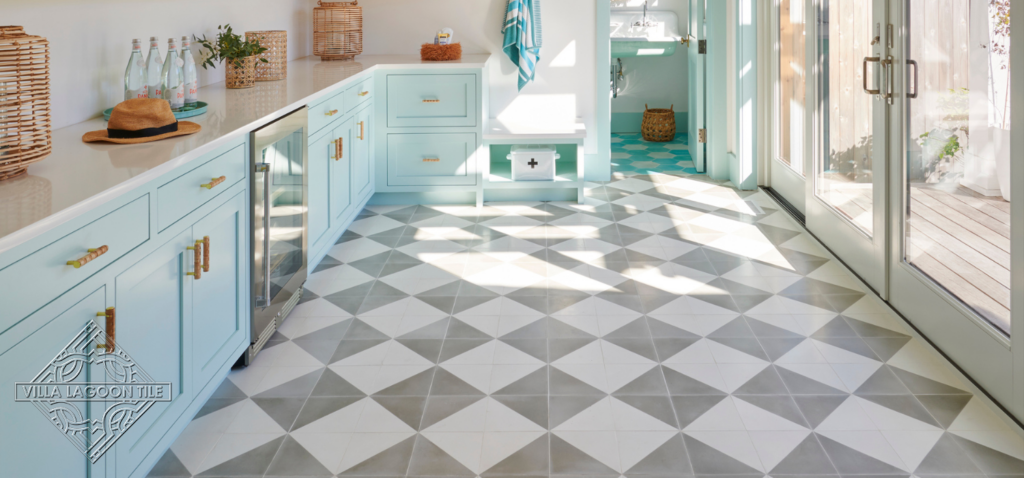
Bright room with gray and white checkerboard tile floor.
Man Overboard Featherstone & White Cement Tile, design by Wills Design Associates

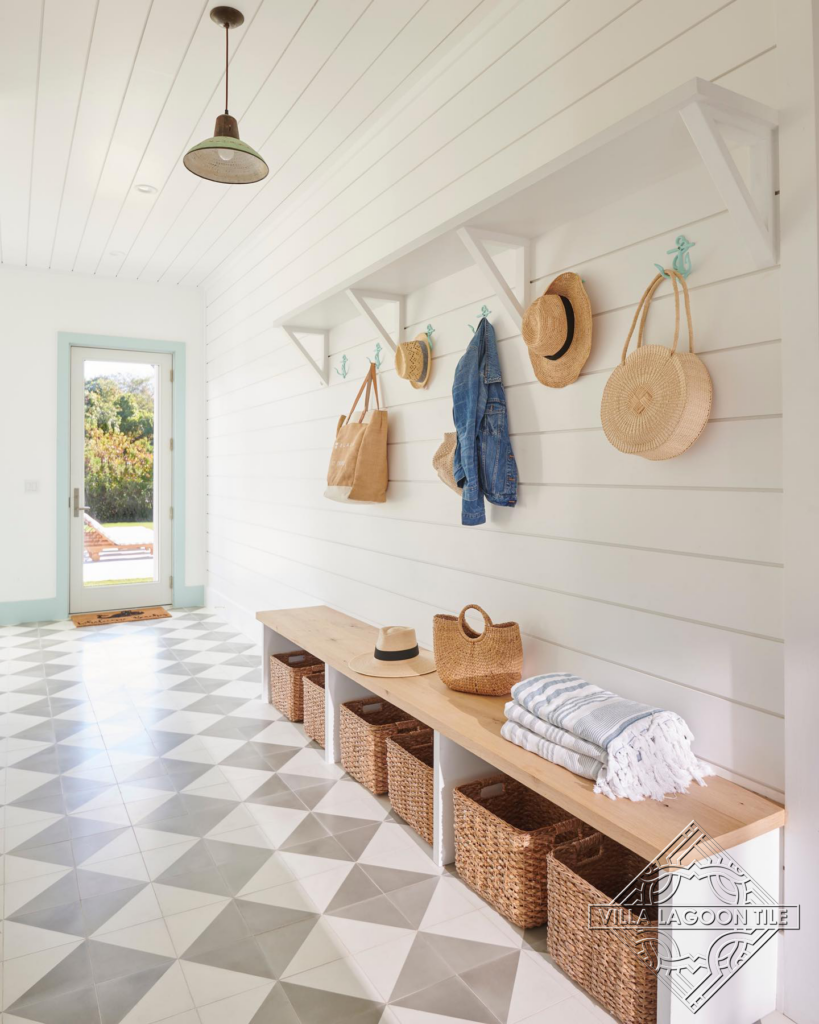
Villa Lagoon Tile’s Man Overboard cement tile pattern can be set to create many stunning patterns including the classic checkerboard on point like Wills Design Associates did in the residential pool house design above.

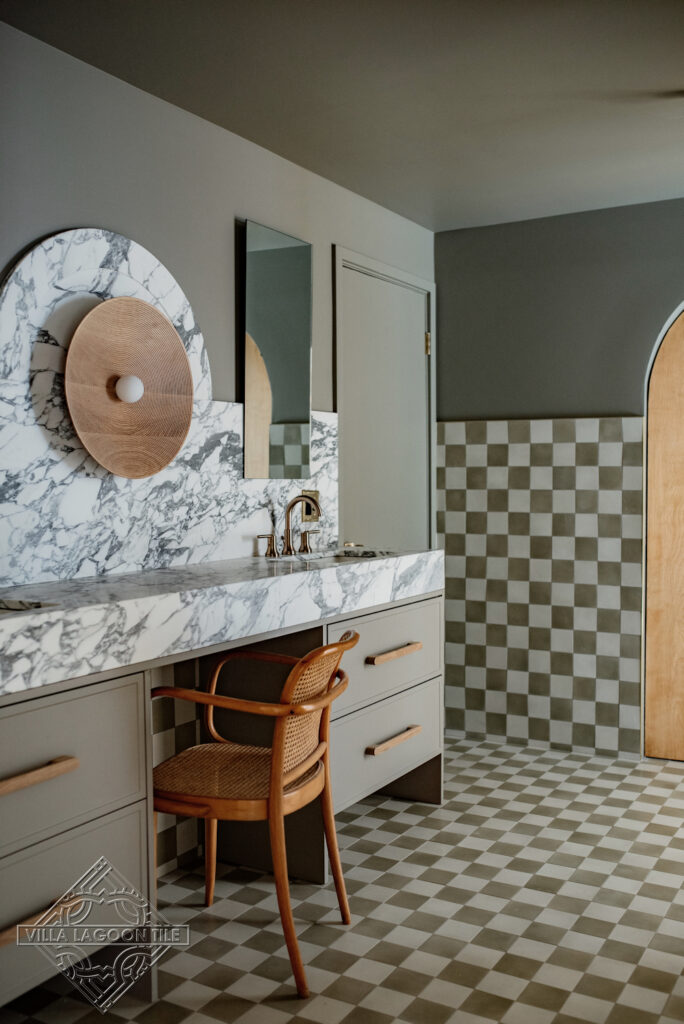
Bathroom with green and white checker board patterned floor and wall tile.
4-Inch Solid Cement Tile in Seashell White & Dry Sage, design by Sarah Sherman Samuelson

Designer Sarah Sherman Samuelson helped to bring the checkerboard pattern back into fashion with Villa Lagoon Tile’s calm and earthy cement tile color combo: Dry Sage and Seashell White. Using a four-inch square tile was the perfect scale to continue the pattern from the floor and up two-thirds of the wall.

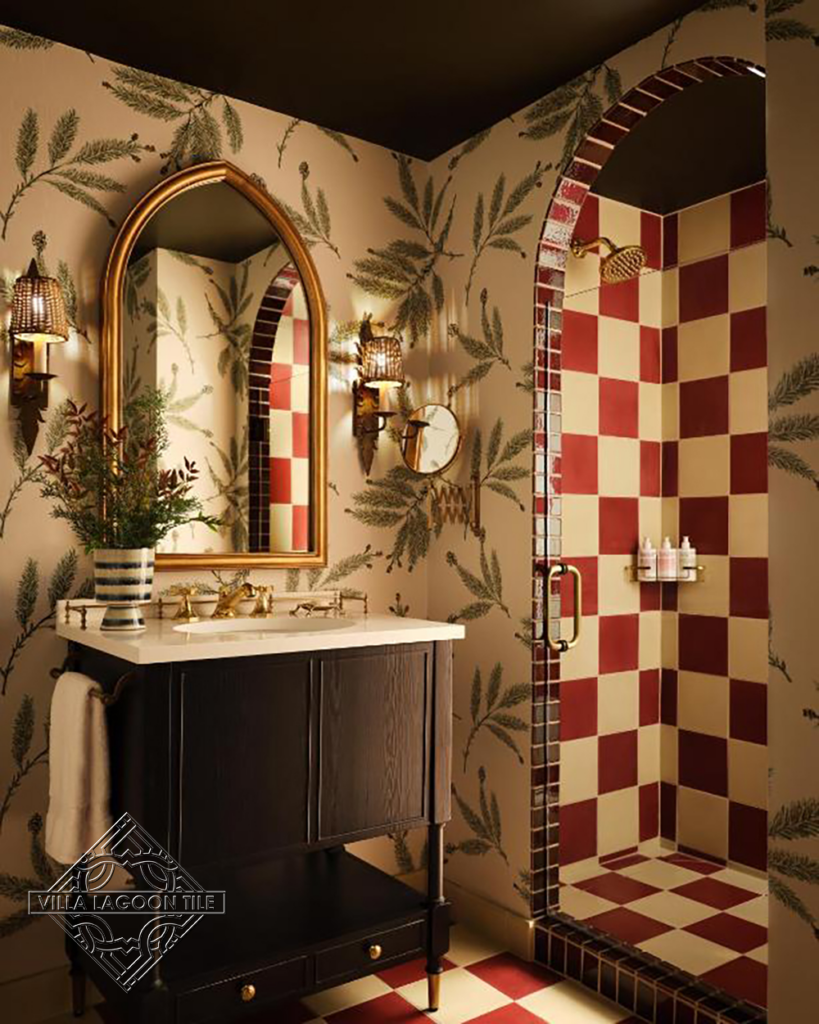
Bathroom with red and cream checker board patterned tiled shower and floor.
Solid Ruby & Alabaster Cement Tile, Graduate Hotel Palo Alto
Black and white checker patterned tile floor in a retro style kitchen.
Tugboat Black & White Cement While, design by PMQ for Two

PMQ for Two is keeping it classic with this retro-glam kitchen by using our Tugboat Black & White cement tile.

Glossy blue and white checker tiled kitchen backsplash.
Oceanside & Oyster Shell Glazed Zellige, design by Brittin Prior

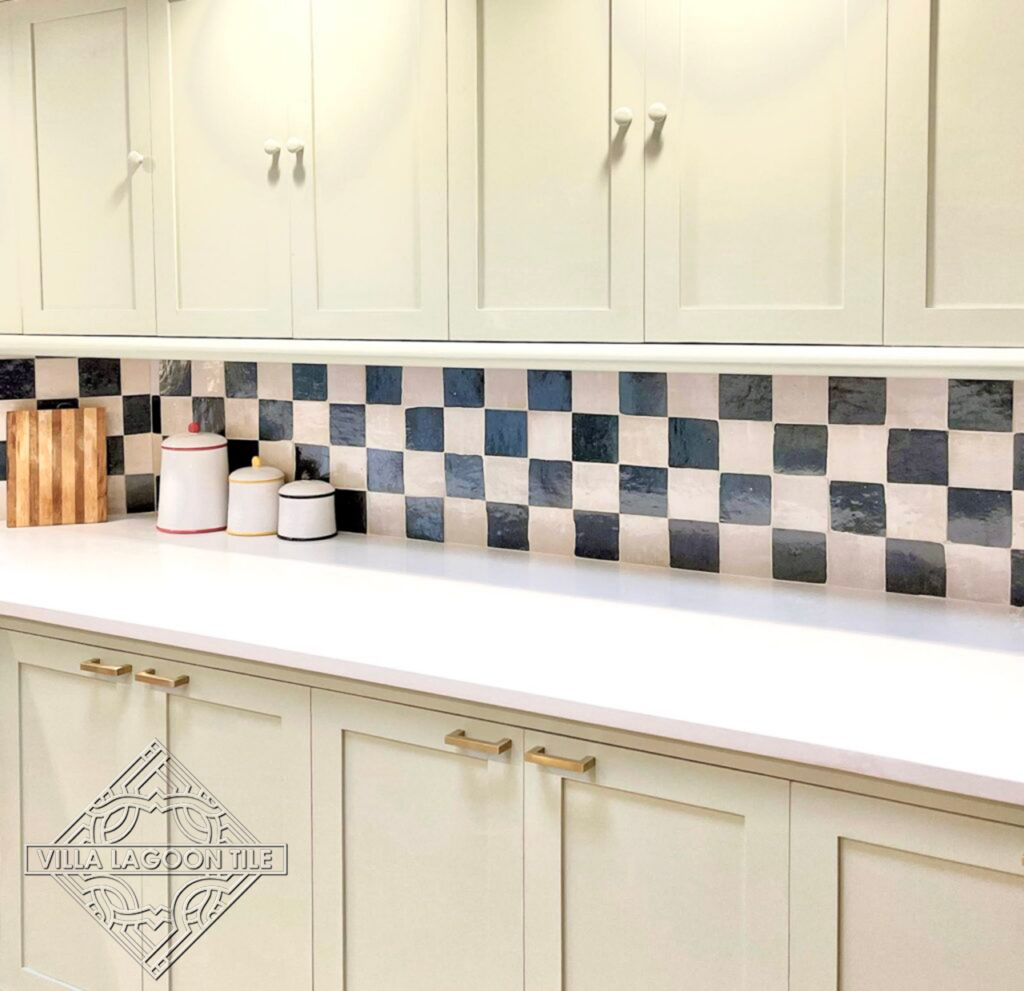
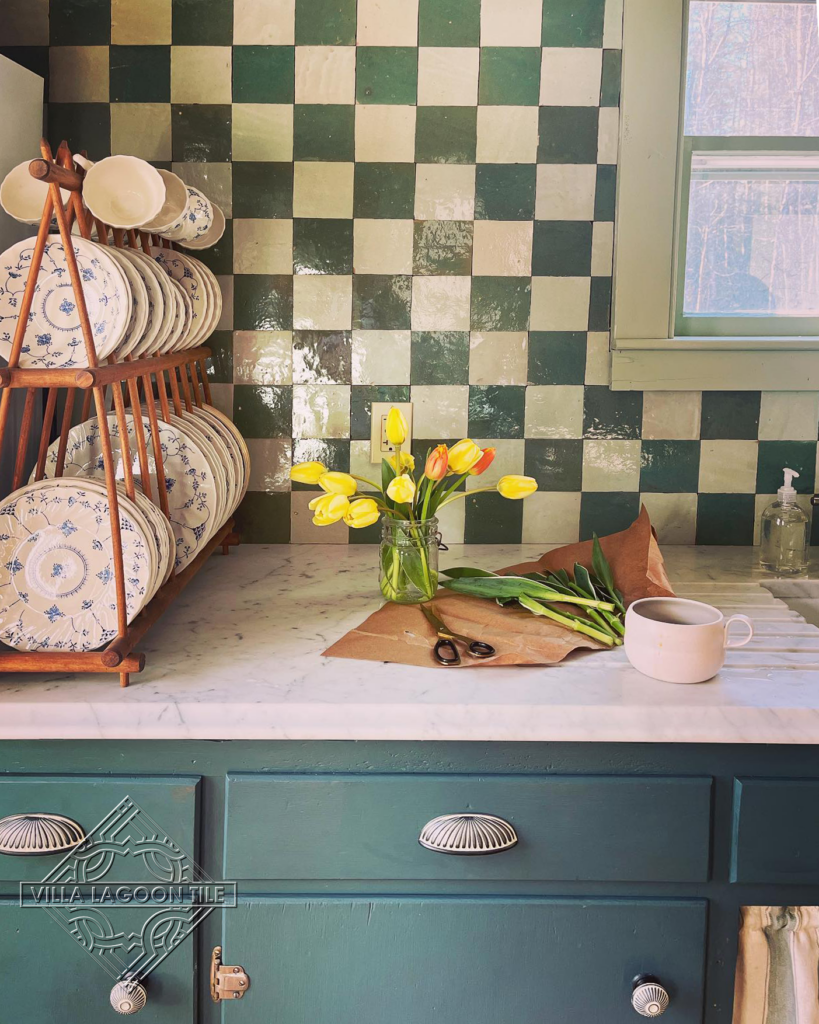
These rustic country chic kitchens by designer Christina Salaway and Brittin Prior feature Villa Lagoon Tile’s artisan-crafted four-inch zellige tiles set in a striking checkerboard pattern.

Glossy green and light green checker tiled kitchen backsplash.
Garden Grove & Wintergreen Glazed Zellige, design by Christina Salaway
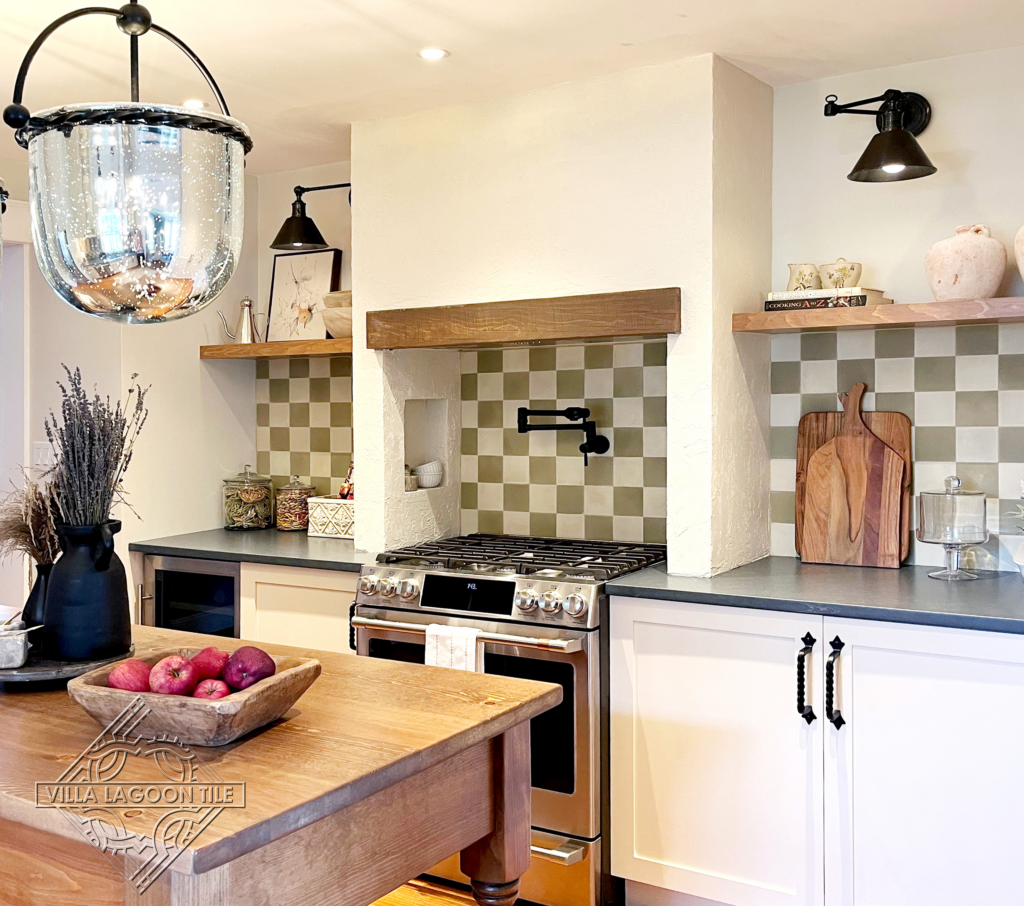
4-Inch Solid Cement Tile in Seashell White & Dry Sage, design by Goldenrod Studios

Villa Lagoon Tile’s solid four-inch cement tile in Dry Sage and Seashell White is the perfect backdrop for this old-world rustic kitchen design by Goldenrod Studios.

Bright room with gray and white checkerboard tile floor.
Man Overboard Featherstone & White Cement Tile, design by Wills Design Associates

Overall, the checkerboard tile trend is a versatile, stylish, and timeless addition to any room. Checkered tile patterns beautifully bridge the gap between contemporary and timeless design.

The Benefits of Using Zellige Tiles

Zellige tile is all about rustic charm. A Moroccan tile art form dating back 1,000 years, Zellige and Bejmat tiles celebrate the natural beauty of the clay. 

What is Zellige Tile?
Unlike machined tile, exquisite Zellige and Bejmat tiles by Villa Lagoon Tile are molded, cut, and glazed entirely by hand by skilled artisans in Fez, Morocco. They use local clays fired in kilns fueled by olive pits, then finished with an enamel glaze.

Each Zellige tile is unique, with variations in color, edging, and shape. Like the irregularities in natural wood grain or the tiny air bubbles in hand-blown glass, it is these perfect imperfections for which Zellige is known. 

Where Can Zellige Tile Be Installed?
Zellige tile can be installed anywhere that regular tile is installed in residential and commercial spaces. The tiles are available in various colors, patterns, and sizes, making them a versatile option for any design scheme.

Can Zellige Tiles Be Installed Outdoors?

Zellige can be installed outdoors as long as they are adhered to and appropriately grouted. 

Designing with Zellige Tiles

Not only are Zellige tiles stunning to look at, but they also have a host of benefits that make them an excellent choice for flooring, walls, and countertops. Here are a few tips on how to use these tiles in your home:

1. Use Zellige tiles as flooring: For beautiful and durable flooring, these tiles come in various colors, patterns, and sizes.

2. Use Zellige tiles as walls: Zellige tiles are a great way to add some personality and character to your home’s walls

3. Use Zellige tiles as a kitchen backsplash: Behind the counter or your range looks stunning. Zellige tiles can make any kitchen backsplash ‘pop.’

Here are some Zellige inspirations: 

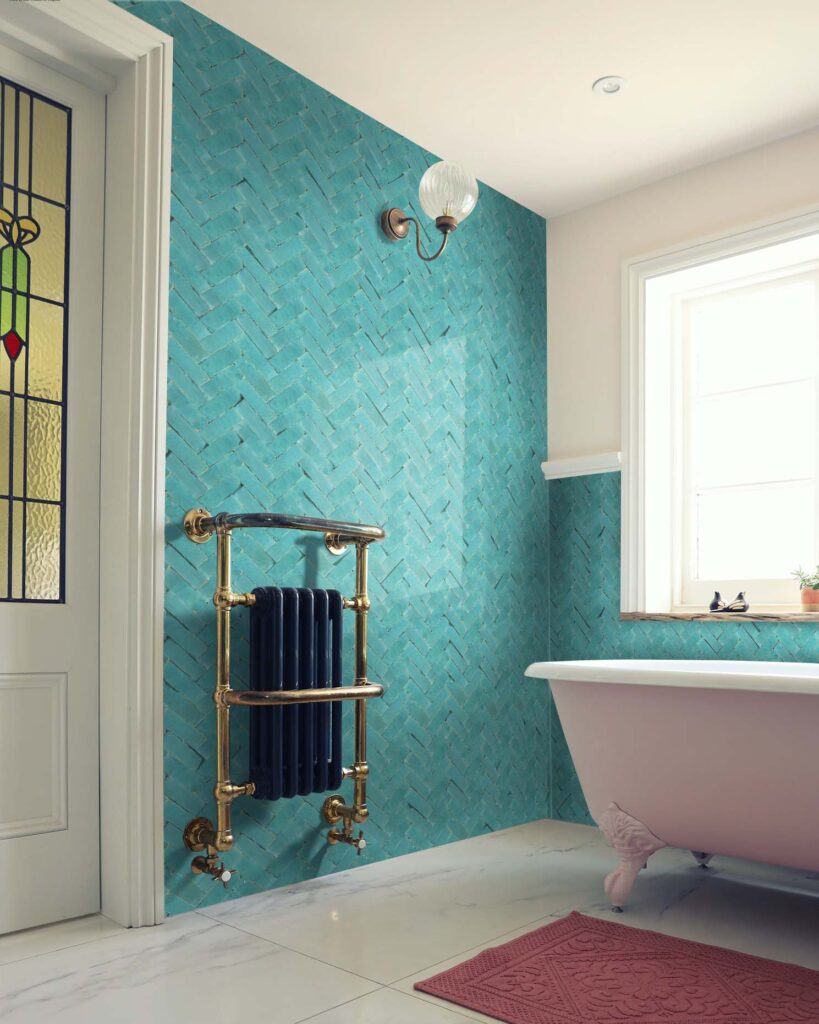
One way to make your bathroom go from ‘drab’ to ‘fab?’ Pair unexpected colors! Here, our Zellige Bejmat Jadeite is the dominant color enhanced by the accent color of the red berry rug.

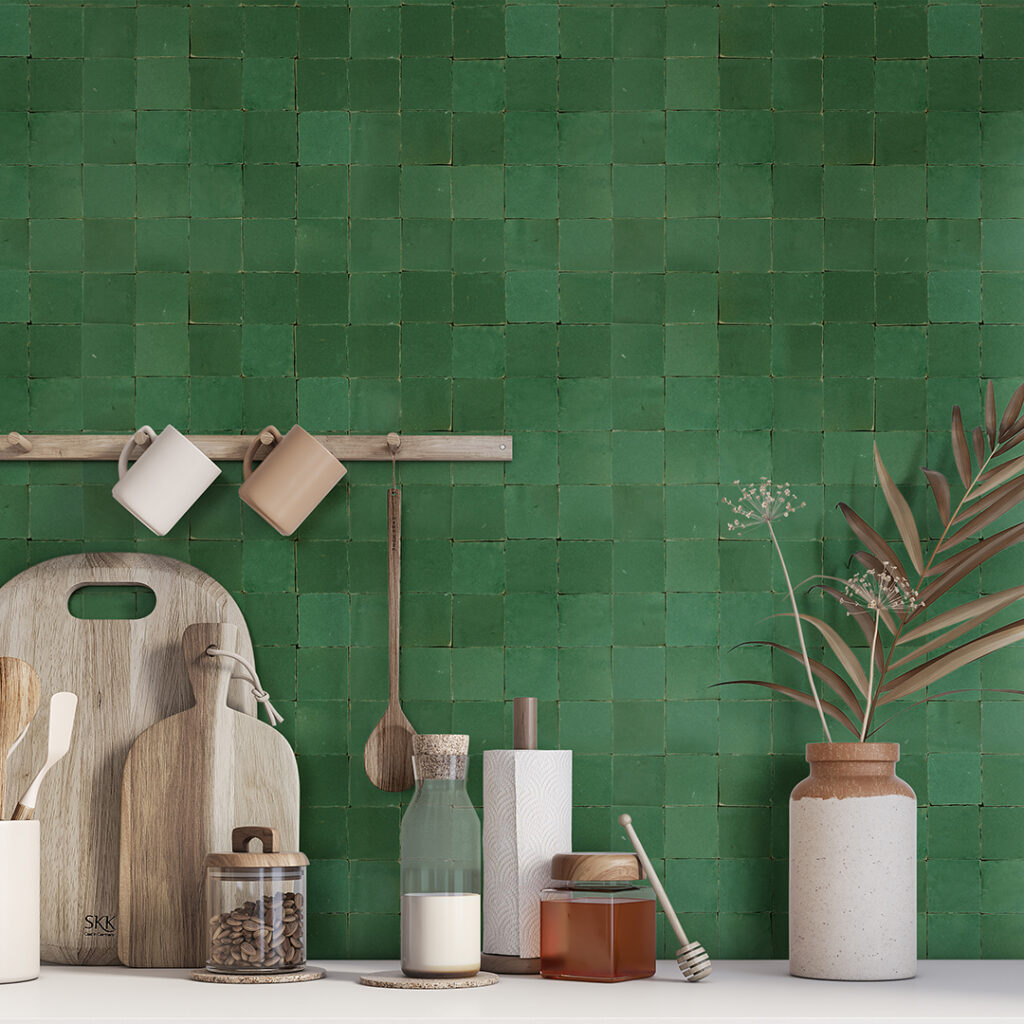
Colors of nature, like our Zellige in Evergreen, create a calm, nourishing look and feel to any space. 

Pastels are perfect for creating a warm, soothing feeling in any space. Our Zellige in Peony looks amazing in applications such as shower walls, backsplashes, and accent walls.

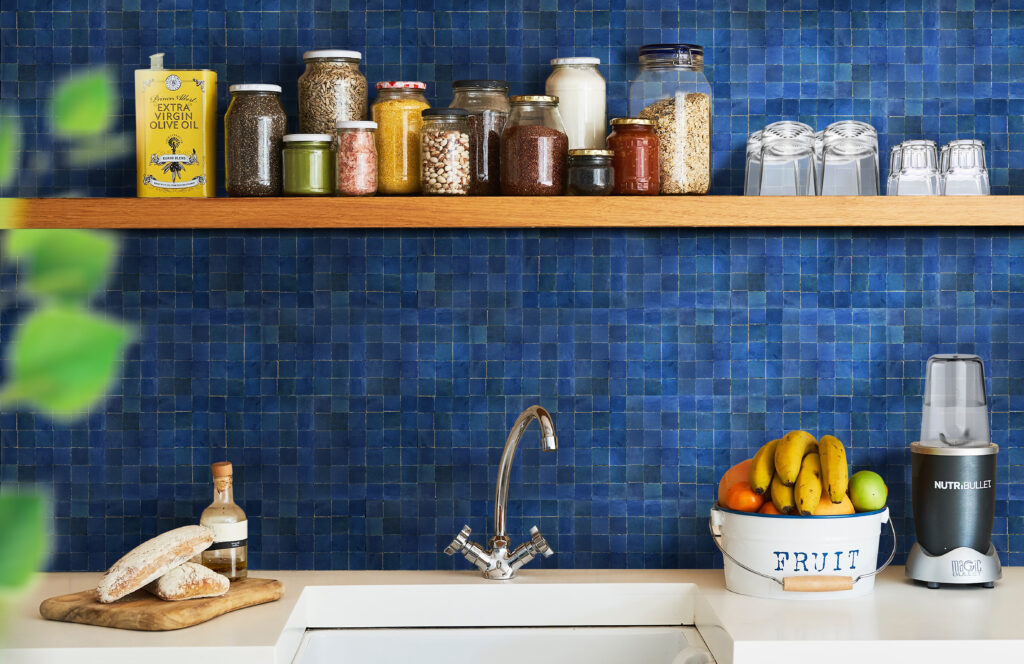
The shade of blue in our Mariana Blue Zellige can be bold and powerful or soft and serene. It’s all up to your design imagination!

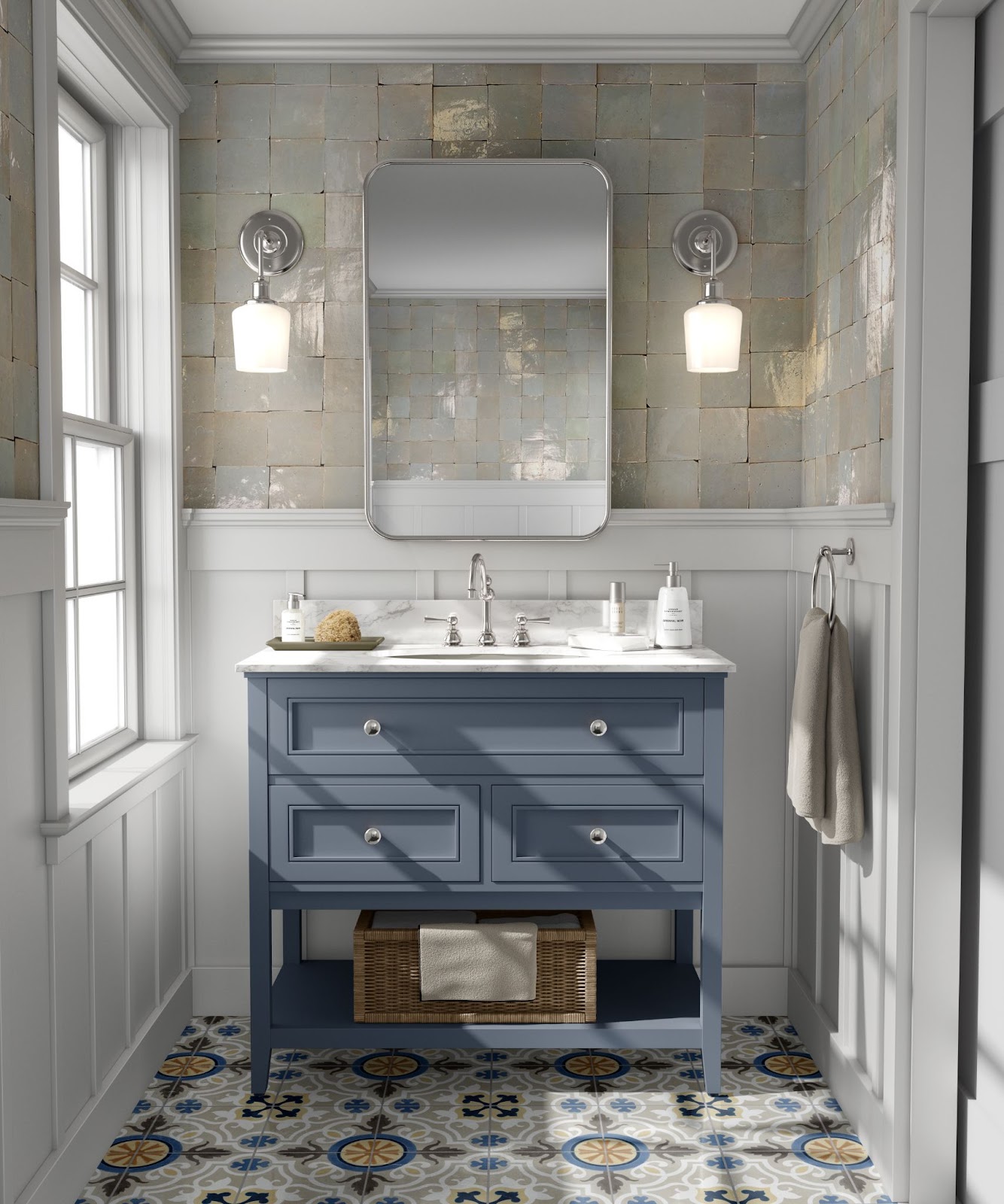
We love rooms that combine warm neutrals and calming blues. Pictured in this bathroom is our Zellige tile in Iceberg. The floor tile is our Vienna Frost.

How to Install Zellige Tile

Zellige tiles require skill and experience to install correctly, so consulting with a professional is recommended.

Having imbued a sense of luxury and artistry in homes, religious buildings, and other public spaces across the centuries, Zellige tiles are an ideal choice for anyone who appreciates fine craftsmanship and unique art forms. How can Villa Lagoon Tile help you bring this unique style to life for your project? 

Cressida Bell Cement Tile Collection

We are thrilled to announce our partnership with renowned English interior and textile designer, Cressida Bell to launch a collection that pushes the boundaries of cement tile design. The inaugural Cressida Bell Collection includes eight patterns, each with three to four colorways.

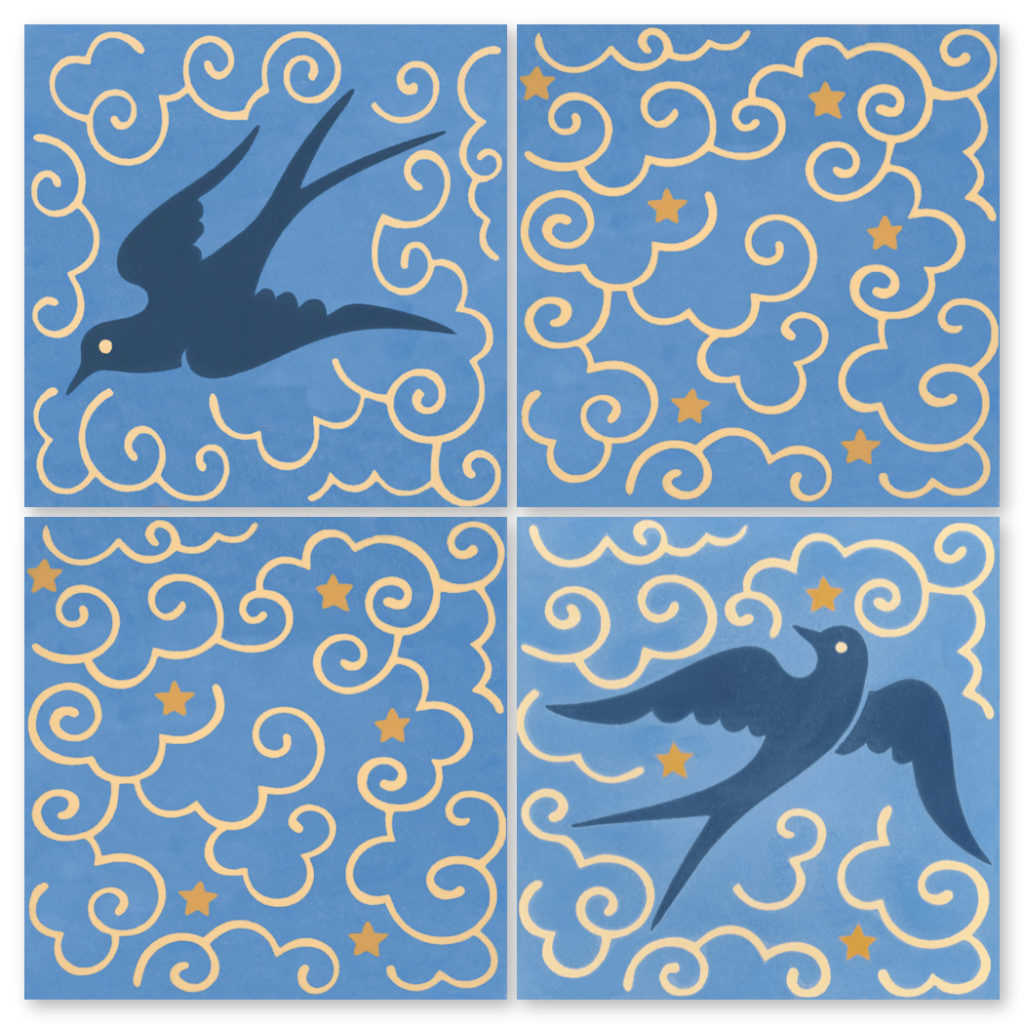
Bell’s Sky

Designed for the Royal Academy of Arts in London, Bell drew inspiration directly from English artist Walter Crane, primarily known for his illustrations for
children’s books which often featured flying birds.

Artichoke

Bell originally created this “artichoke” pattern exclusively for the cover artwork of Arabella Boxer’s Book of English Food: A Rediscovery of British Food From
Before the War.

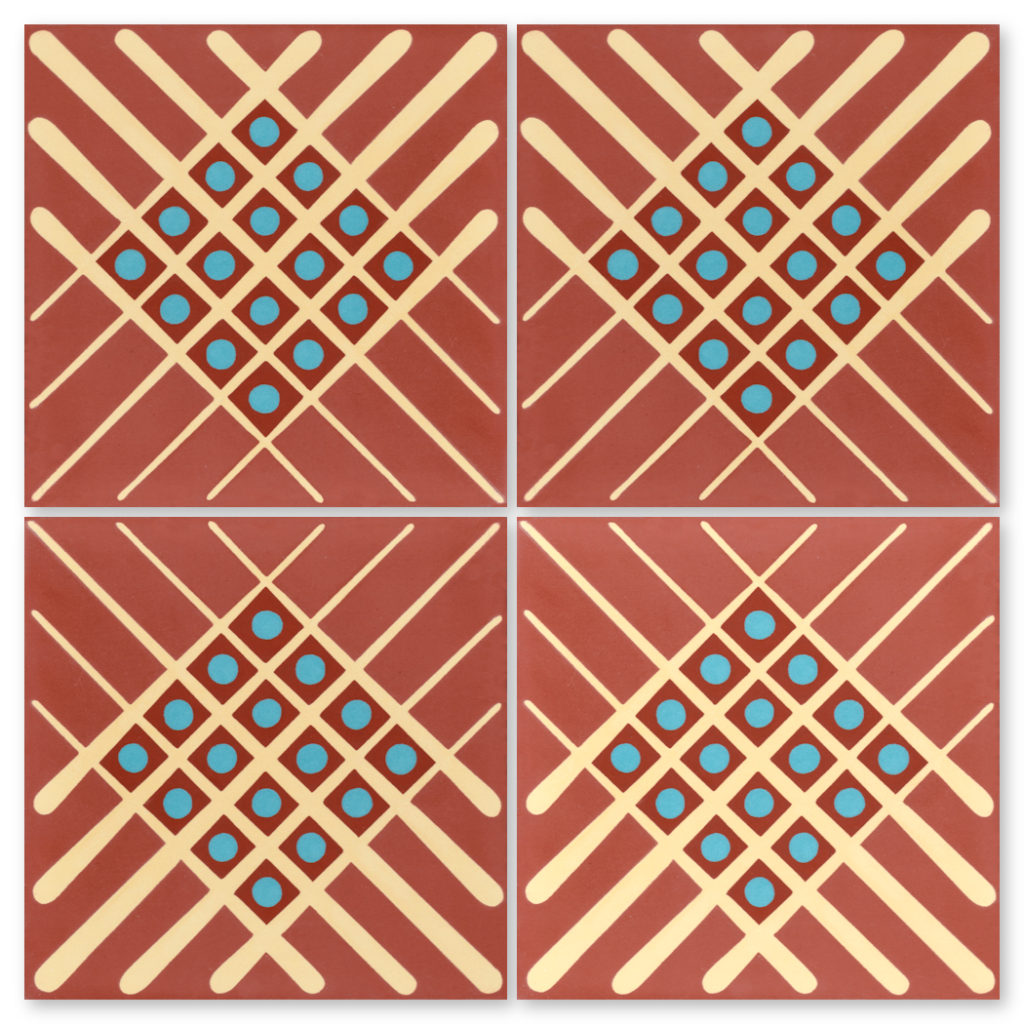
Crosshatch

Bell cites crosshatch as one of her favorite motifs, which she uses time and again in her work. She thinks this pattern will provide a classic look and feel to any
space.

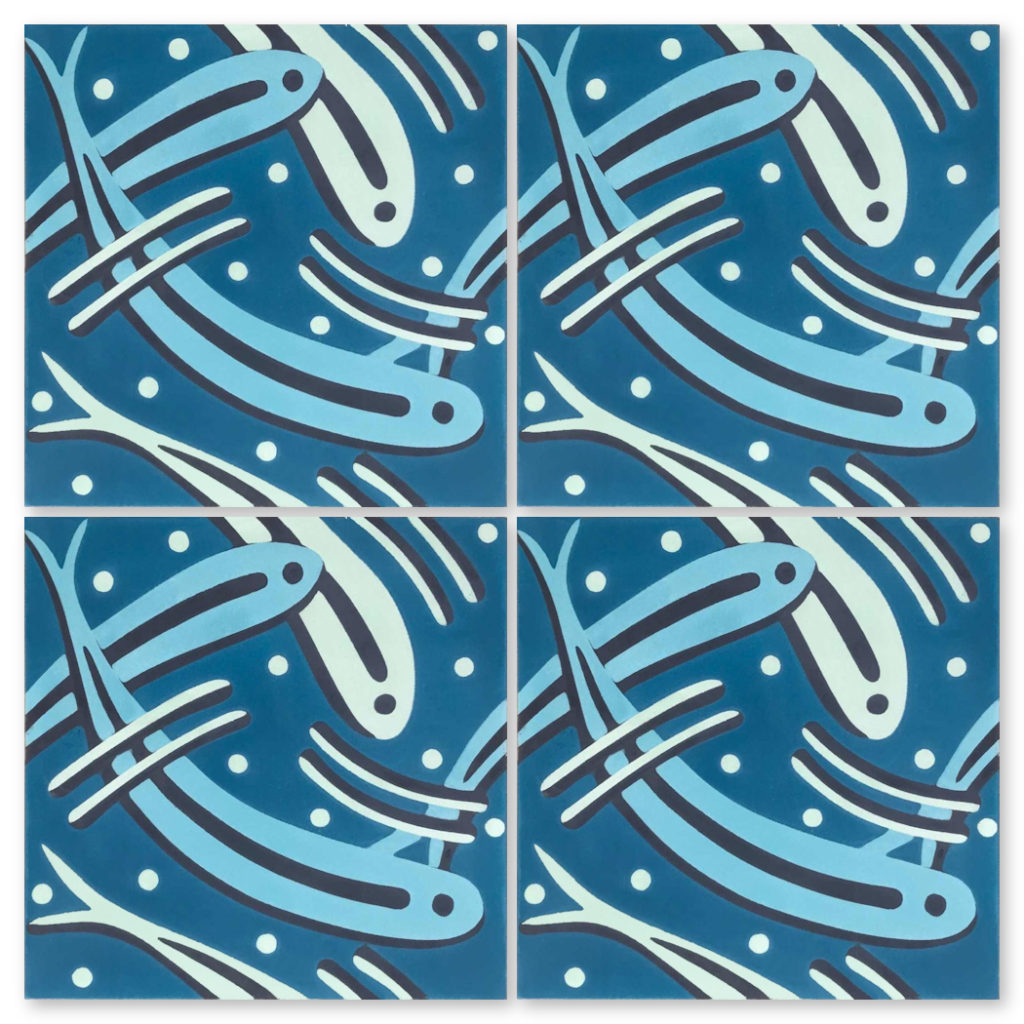
Fish Pond

Inspired by Bell’s bathroom tiles (painted by her father, Quentin Bell) incorporating mermaids and fishes. Initially, Fish Pond was a furnishing fabric used for
cushions and is now also a greetings card.

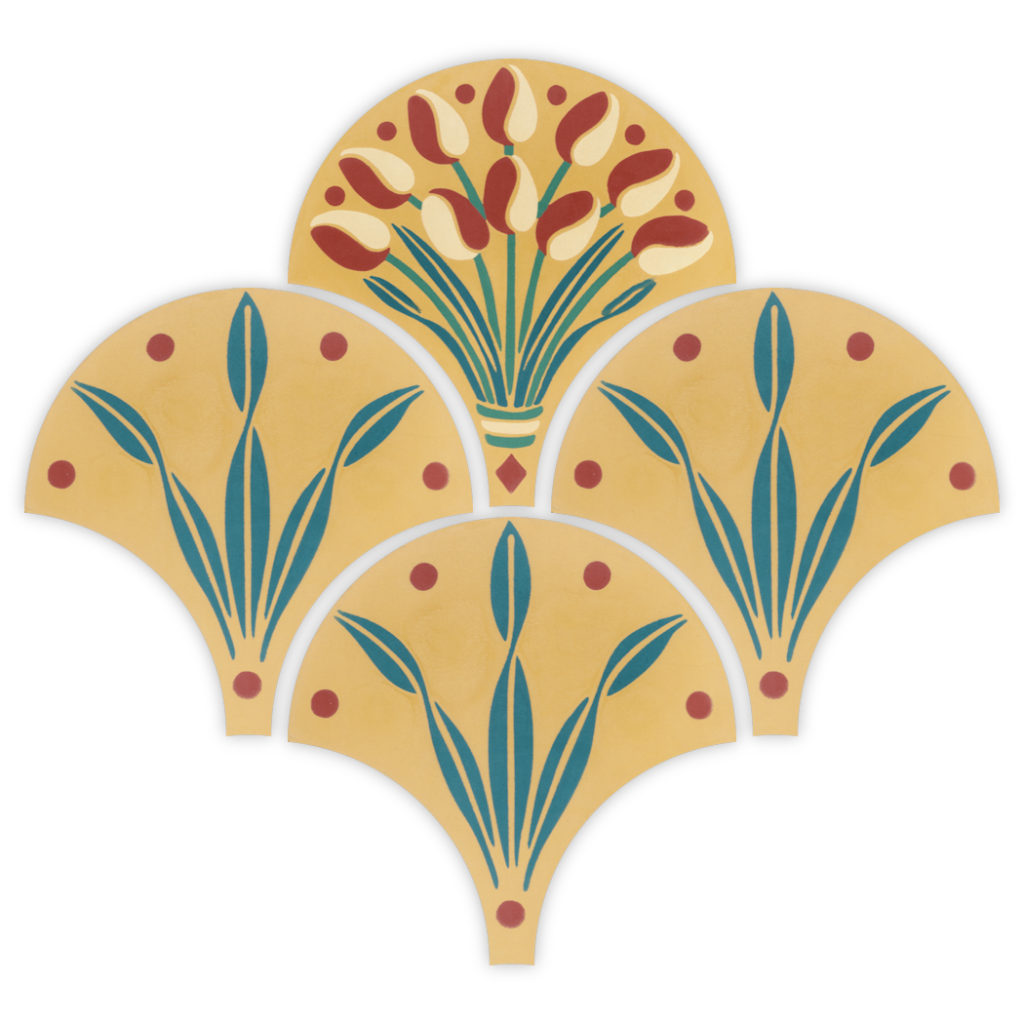
Bell’s Tulips

This was initially a design for a scarf with bunches of tulips arranged in a fish-scale pattern which easily translated into a tile of a similar shape.

African Check

Inspired by her international travels, Bell initially designed this fun, geometric pattern for her hand-printed silk scarf collection.

Oak Leaf

Originally created for Bell’s client who wanted outdoor furniture with a garden-themed patterned fabric.

Paisley Leaf

This pattern was initially produced as a fabric for menswear designer
Richard James and draws inspiration from an interior at ‘Charleston’ — the house that
was a gathering point for the Bloomsbury Group. It is now featured on Bell’s lamps and
shades.

The color combinations and patterns in the collection span from strikingly contemporary to classic, and each is an artful study of color and composition.

Always on Trend: Black and White Cement Tile

Black and white tile patterns are both classic and contemporary–basically the very definition of timeless design. This seemingly simple color combo is elevated by how deep you can make your design statement, whether you choose a bold geometric look or an elegant, intricate pattern. 

Handcrafted cement tiles change up this vintage tile style with a matte finish that has depth and character, such you see in our with a Troika pattern below.

What is Cement Tile?

Cement tile is made from a centuries-old process, using marble and cement along with natural mineral pigments. We like to say cement tiles deliver emotion through texture rather than the flat printed-on color of ceramic tile. 

Cement tiles are not fired but are created sustainably through intense pressure from a mechanical hydraulic press and then cured naturally like structural concrete.  Cement tiles are so durable they can even be used in high-traffic commercial spaces like restaurants and hotels.

Similar to natural stone, each handcrafted cement tile is unique with slight color variations, the sign of an artisan-made product. Cement tiles come in many different shapes from square to hexagon to fishscale to rectangles.  

Whether it is creating a tile bathroom floor to a kitchen backsplash wall, there are endless possibilities when it comes to using black and white cement tile.

How is Cement Tile Different from Ceramic Tile?

Cement tile is a handmade artisan product, whereas ceramic tile is mass-produced with designs printed on the surface. In addition, they are entirely different materials, which means some tile contractors are not experienced with cement tiles. 

As previously mentioned, cement tiles are more similar to natural stone than ceramic tiles. Sealing and maintenance requirements are similar. 

Learn more about the difference between cement tile and porcelain tile in this video by Adam Esparza of ALE Tile.

What is Black and White Terrazzo Tile?

Terrazzo tile is a type of cement tile enhanced by adding marble chips, or other materials, then grinding down the color layer to expose them. 

Individual tiles may be black chips set in white cement, white chips set in black cement, or the cement and marble chips in the same color, creating a dimensional sheen to the tile.  

What Era is Black and White Tile From?

Black and white tile is a timeless look, but there are periods in history, such as the Victorian era and the 1920s, that are most associated with this color combination.

Today in the 2020s, the twist on this color combination tile is creating unique and unexpected patterns in fun shapes. The rustic matte look of cement tile in solid black and solid white is a good choice for farmhouse and cottage core decor. 

Creating a Black and White Geometric Tile Look

This color combination lends itself particularly well to patterns of tiles, including mixing and matching to create unique borders, which is a classic use of cement tile. 

We recommend planning your pattern in advance, either inspired by the classic looks or working with a professional designer to conceptualize a fresh new take. Let these pictures below inspire you.

Our Gypsy Black & White pattern is one of our original and most popular in-stock options that takes the classic appeal of black and white tile for the bathroom and offers a fresh new look for floor and wall tile.

Balanced black and white floral vine cement tile floor and wall
“Gypsy Black & White” Cement Tile Bathroom Floor and Wall, designed by Centoni Restoration and Development

Another popular way to use black and white tiles is in a lattice pattern, giving tile flooring in any space a fresh, clean, and elegant look. Shown below is our Circulos Black and White Evening.

“Circulos Black & White Evening” Cement Tile Floor and Custom Patchwork Wall, Design by Nicole Chaves Design, Photo by Vivienne Tyler Photography

When it comes to using black and white bathroom tiles, a fresh new take is to use them is in unexpected patterns. 

“Labyrinth B&W Morning” Cement Tile Floor

A black and white checkerboard pattern is classic, but this seemingly simple color combo is elevated by the depth and character that cement tile brings. Just look at our bold, graphic Cubes A Sencillo in this bathroom designed by Dabito, Founder & Creative Director Of Old Brand New. It makes QUITE the statement!

Solid Black Hexagonal Cement Tile Floor and “Cubes A Sencillo” Cement Tile Wall, designed by Dabito from Old Brand New

Can You Use Cement Tiles in a Shower?

Yes, cement tiles can be used in all areas where natural stone is used. Learn more about sealing cement tiles.

This installation is a prime example, with our Large Cubes Excalibur paired with natural stone in this dramatic shower.

Designing with black and white tiles can be a great way to add style and interest to your home or business. Whether it’s a checkerboard look or mixing and matching colors and shapes, Villa Lagoon Tile cement tiles are perfect for making a statement indoors or outdoors. With so many possibilities, there’s sure to be a look that will fit your needs and style. 

Learn more about how your cement tile will be installed.

In-Stock and On Budget

Villa Lagoon Tile in-stock black and white cement tile ships within two business days, with 2-5 business days transit to most of the continental US. Handcrafted one at a time by our skilled artisans, our black and white cement tile patterns start at just $3.99 per piece or $9.27 per square foot.

Cement Tile on a Budget

The Essentials Collection is a curated selection of Villa Lagoon Tile’s most universal and basic cement tiles. Handcrafted one at a time by our skilled artisans and in-stock for under $4.00 per piece, you can easily stay on trend and on budget!

New Zellige Colors In-Stock!

The Zellige tile collection from Villa Lagoon Tile brings a rustic charm to any project. Unlike machined tile, our exquisite Zellige and Bejmat tiles are crafted entirely by hand in a time-honored method of tile-making designed to celebrate the natural beauty of the clay.

4 natural clay finished hand chiseled tiles

Natural Unglazed Zellige is available in 4″ tiles and rectangular Bejmat.

4 white glaze finished hand chiseled tiles

Snow White Zellige is available in 4″ tiles and rectangular Bejmat.

4 earthy yellow glaze finished hand chiseled tiles

Goldenrod Zellige is available in 4″ tiles and rectangular Bejmat.

4 pink glaze finished hand chiseled tiles

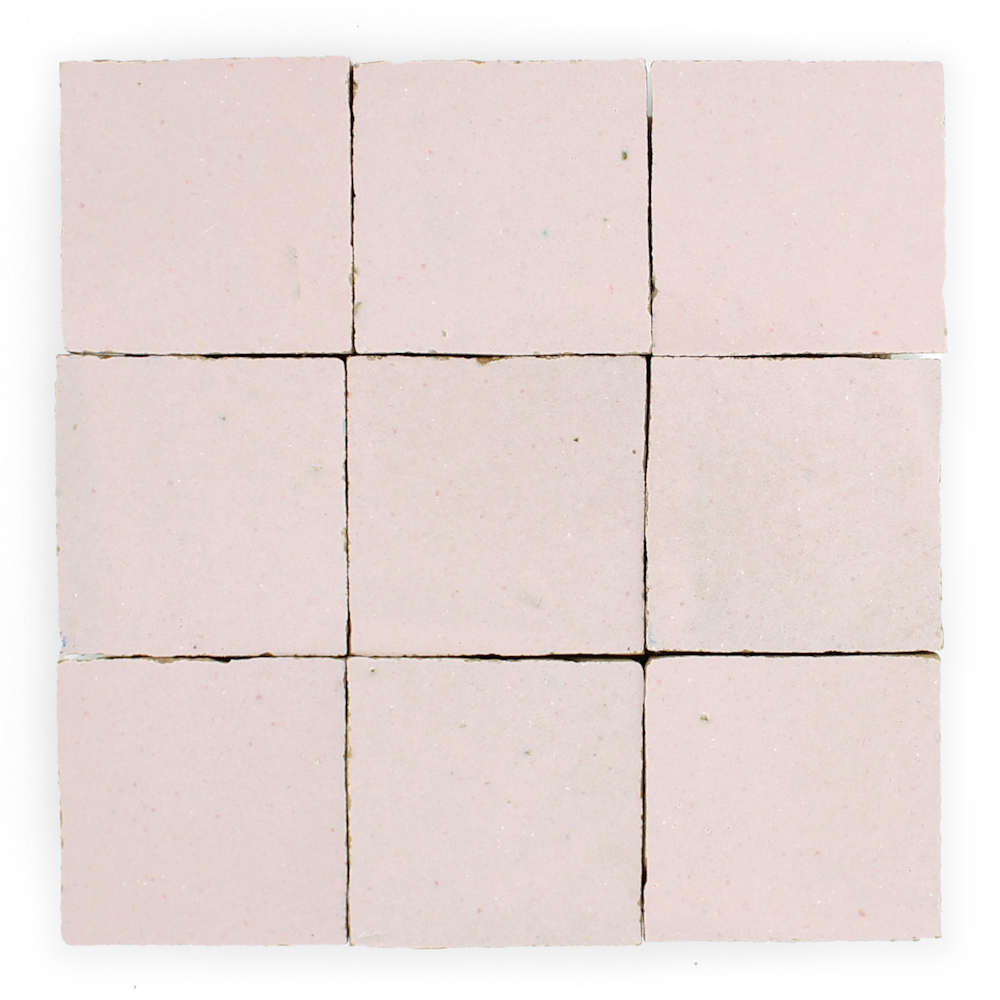
Dusty Rose Zellige is available in 4″ tiles and rectangular Bejmat.

4 dark purple glaze finished hand chiseled tiles

Eggplant Zellige is available in 4″ tiles and rectangular Bejmat.

4 green glaze finished hand chiseled tiles

Emerald Green Zellige is available in 4″ tiles and rectangular Bejmat.

4 light green glaze finished hand chiseled tiles

Wintergreen Zellige is available in 4″ tiles and rectangular Bejmat.

4 dark blue glaze finished hand chiseled tiles

Mariana Blue Zellige is available in 4″ tiles and 2″ mosaic mats.

Cement Tile Fresh for Summer

A Villa Lagoon Tile favorite, Katie, is now featured in fresh green tones to keep your space summer-ready all year long.

Featured in the June/July 2021 issue of House Beautiful, our Katie Fresco Cement Tile makes an appearance in the stunning Palm Beach project by designer Phoebe Howard.

Photo by Noe DeWitt

Built in 1891, this beachy victorian home known as “the Duck’s Nest”, is the second oldest residential building in Palm Beach. It has been beautifully renovated by new owners, Brian and Julie Simmons and with the addition of cement tile, the Duck’s Nest will easily sail through another 130 years.

Enjoy Your Outdoor Space All Year Long with this Backyard Remodel ‘How-To’

Our backyard has become an extension of our home living routine and we’re spending more time living and entertaining on our decks and patios. As we head into the colder weather months, interest is increasing in extending outdoor living because it is a safer option. It’s no wonder that backyard home improvement projects are surging. 

So, when Chelsea Foy from Lovely Indeed shared her gorgeous backyard patio remodel reveal and installation ‘how-to,’ we thought the timing couldn’t be more perfect! If you’re thinking of installing cement tile into your outdoor living space, Chelsea perfectly captures the process and experience here

Because cement tile is more like natural stone than other types of tile, it’s important to use sealant before grouting to keep the grout from staining or adhering to the face of the tile. As Chelsea points out in her blog, understanding the right sealant to use is also critical so that the cement tile absorbs minimal staining and retains the color as much as possible. To learn more about the type of sealant you will need, you can download our guide here.

And, we’re always here to help — whether it’s for design inspiration or help to choose tiles for your outdoor (or indoor!) space. Please contact us at [email protected].